


Blog / Commercial Fleet

Blog

All Commercial Fleet Jet Chevrolet Jet Chevrolet Service Federal Way Chevrolet Dealer Chevy Blazer EV Federal Way Chevrolet Service Chevy Equinox EV Chevy Tahoe Chevy Silverado EV Chevy SUV Chevrolet near me Chevrolet Safety Chevrolet Silverado Chevrolet Trailblazer Chevrolet Trax Chevy Bolt Chevy Colorado Chevy Finance Federal Way Used Cars
Handing the keys over for a commercial vehicle

Hiring Drivers: What Trade Businesses Need to Know About MVRs, CDLs, and Insurance Risk

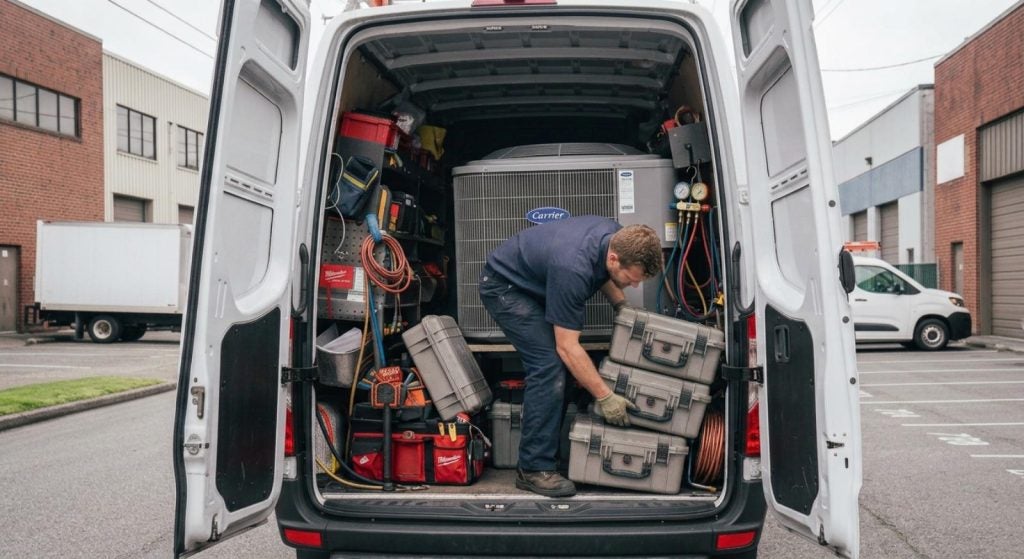
Hiring a new technician usually means putting them behind the wheel of a company vehicle within days. Few owners treat that moment with the scrutiny it deserves, and the gap between hiring quickly and hiring carefully is exactly where insurance risk and liability exposure live. Why Motor Vehicle Records Matter A motor vehicle record, or MVR, shows a candidate's driving history, including violations, accidents, and license status. Pulling an MVR before extending an offer, not after, gives you the chance to catch red flags before they become your business's problem. Insurance carriers pay close attention to driver records when setting commercial auto premiums. A single driver with a poor record can raise rates across your entire fleet policy, which makes MVR checks a financial decision as much as a safety one. Does Your Driver Need a CDL? Most standard cargo vans and utility trucks in the 8,000 to 13,000-pound range do not require a commercial driver’s license (CDL). However, there is a much lower threshold that frequently trips up plumbing, HVAC, and delivery fleets: the 10,001-pound commercial motor vehicle (CMV) line. Under federal rules, any vehicle or truck-and-trailer combination with a Gross Vehicle Weight Rating (GVWR) of 10,001 pounds or more used in interstate commerce falls under FMCSA safety regulations. This means your business needs a USDOT number, and your drivers must carry DOT medical certificates. If you operate strictly within Washington State, that same 10,001-pound rule still applies locally. A heavy-duty van (like a Ford T-350 or Chevy Express 3500) or a smaller truck pulling a tool trailer can easily push you into CMV territory. Because DOT enforcement goes by the manufacturer's weight rating plate on the door jamb, not what the vehicle actually weighs on a scale, it is worth checking the certification label on every vehicle in your fleet. Knowing exactly where your vans and trailer combinations fall prevents an uncomfortable surprise during a roadside inspection. Building a Driver Qualification Process A consistent process protects your business and your insurance standing. At minimum, that process should include: An MVR check before any job offer involving vehicle use Verification of current, valid license status A documented review of accident and violation history Periodic re-checks for current employees, not just new hires Clear written policy on vehicle use, including personal use restrictions Turning this process into a habit is easier with a standing checklist you use for every new hire. We built a printable driver qualification form covering the pre-offer checks and the ongoing re-check schedule this article recommends, so nothing gets skipped when hiring moves fast. The Real Cost of Skipping This Step A driver involved in an at-fault accident while operating a company vehicle exposes your business to liability well beyond the vehicle damage itself. Insurance claims, potential lawsuits, and increased premiums can follow a single avoidable hiring decision for years. The time it takes to run an MVR check is minutes. The cost of skipping it could follow your business for years. Building out a driver qualification process for your growing team? Reach out to our commercial team at (253) 336-4216 and we can point you toward local resources to help formalize your process. Why Western Washington Businesses Trust Jet Chevrolet's Fleet Guidance Located in Federal Way along the I-5 corridor, Jet Chevrolet supports fleet customers across Western Washington, including: South Sound & Local: Federal Way, Tacoma, Kent, Auburn, Puyallup, Olympia Greater Seattle & North Sound: Seattle, Bellevue, Renton, Everett, Lynnwood Dinsmore Auto Group is a locally owned, family-operated business whose hands-on leadership is deeply committed to supporting the communities they serve. They proudly live by a simple philosophy: Do More. Save More. Experience MORE. As a proud member of the Dinsmore family, Jet Chevrolet brings this exact mindset to our commercial clients. Our team deeply understands the full picture of fleet ownership, especially the people behind the wheel. For business owners hiring new drivers, this means having a partner who helps you manage fleet risk holistically, protecting your workforce just as much as your vehicles. Talk through your driver hiring process with a commercial specialist at (253) 336-4216 today. Final Thoughts A vehicle is only as safe as the person driving it. Building a consistent MVR and qualification process before handing over the keys protects your business, your insurance rates, and ultimately, your team and your customers. Legal Disclaimer Jet Chevrolet is not a regulatory or legal authority, and this information is not legal advice. Fleet rules are complex and vehicle-specific. We recommend consulting a compliance professional, or we can gladly connect you with local legal and insurance resources.

Fleet Insurance 101: What Western Washington Trade Businesses Need to Know Before They Buy

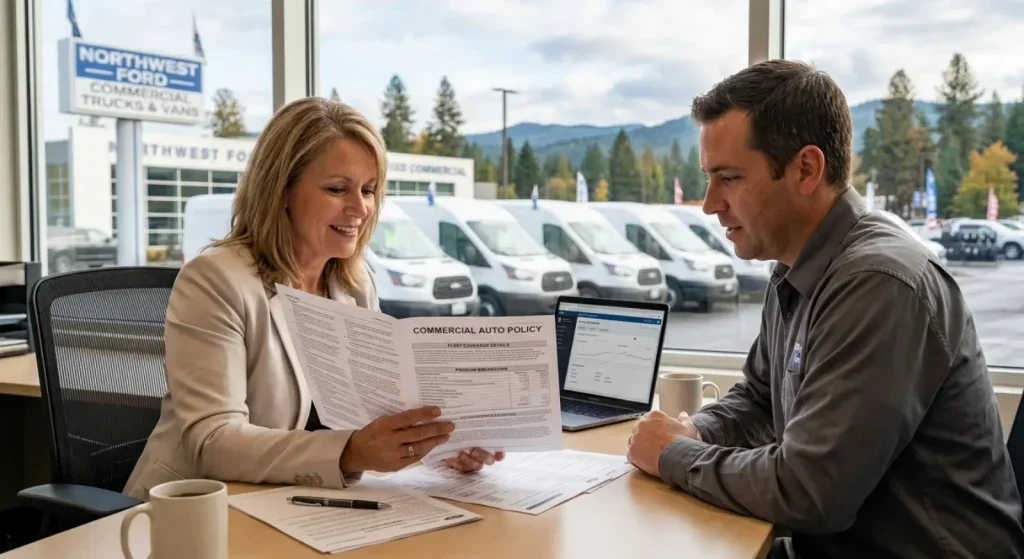
Fleet insurance gets treated as an afterthought in most vehicle purchase decisions, handled after the paperwork is signed instead of before. That order should be reversed. Coverage gaps and unexpected premium costs are far easier to manage when you understand them before the vehicle is on the road. Commercial Auto Insurance Basics Personal auto insurance doesn't cover vehicles used for business purposes, even part time. Personal policies are priced and written for everyday, non-business driving, and most exclude or limit coverage the moment a vehicle is regularly used to haul tools, materials, or employees, even part time. Commercial auto coverage is a separate, dedicated policy built for exactly that kind of use, and it typically costs more than personal coverage because of the higher mileage, liability exposure, and wear that come with running a business vehicle. Coverage usually includes liability protection, physical damage coverage for the vehicle itself, and medical payments coverage for the driver and any passengers. Depending on your trade, you may also need coverage for tools and equipment carried in the vehicle, which standard auto policies often exclude. What Affects Your Premium Several factors drive commercial auto premiums beyond the vehicle itself: driver records, the radius of operation, how the vehicle is used, claims history, and the value of equipment carried inside. A fleet with consistent driver training and clean records typically qualifies for better rates than one with frequent turnover and inconsistent oversight. Common Coverage Gaps Many owners discover gaps only after a claim. Equipment and tools stored inside a vehicle aren't always covered under standard commercial auto policies, and may require a separate inland marine policy. Vehicles used outside their stated radius of operation can also create coverage disputes at the worst possible time. Reviewing your policy annually, especially as your fleet grows or your service area expands, helps catch these gaps before they become a problem. Insurance conversations go a lot smoother when you walk in with a checklist instead of trying to remember every coverage category on the spot. We built a printable gap-finder you can fill out with your agent, covering the coverage types and premium factors this article walks through. Bundling and Fleet Discounts As your fleet grows beyond a handful of vehicles, many insurers offer fleet policies that simplify management and often reduce per-vehicle costs compared to insuring each vehicle individually. This becomes worth exploring once your fleet reaches roughly five or more vehicles. Have questions about insuring a new fleet vehicle? Connect with our commercial team at (253) 336-4216, and we can point you toward resources to help you find the right coverage before you drive off the lot. Why Western Washington Businesses Trust Jet Chevrolet With Their Fleet Decisions Located in Federal Way along the I-5 corridor, Jet Chevrolet supports fleet customers across Western Washington, including: South Sound & Local: Federal Way, Tacoma, Kent, Auburn, Puyallup, Olympia Greater Seattle & North Sound: Seattle, Bellevue, Renton, Everett, Lynnwood As part of Dinsmore Auto Group, Jet Chevrolet stays family-operated, with a team that looks at the full picture of vehicle ownership, not just the purchase, including the coverage that protects it. They embrace the philosophy: Do More. Save More. Experience MORE. For business owners insuring a growing fleet, that means a partner who helps you think through every cost of ownership, including the ones that aren't on the price tag. Talk to a commercial vehicle expert at (253) 336-4216 about what your next fleet purchase means for your insurance needs. Final Thoughts Fleet insurance isn't a formality. It's protection for one of your business's most valuable operating assets. Understanding your coverage before you buy, rather than after a claim, is one of the simplest ways to avoid an expensive surprise down the road. Disclaimer Jet Chevrolet isn't a law firm or insurance agency, and this article isn't legal or insurance advice. Laws and policies vary, so talk to a licensed agent or attorney about your specific situation. Our commercial team is happy to point you toward trusted local professionals.

Auto Insurance in Washington State: Why Your Personal Policy May Not Cover a Work Errand

Most drivers assume their personal auto insurance follows them everywhere the car goes, including a quick supply run for work. That assumption is one of the most common and most expensive misunderstandings in Washington State auto insurance, and it tends to surface at the worst possible moment: after an accident, when a claim gets denied instead of paid. If you or your employees ever drive a vehicle for anything work-related, even occasionally, it's worth understanding where personal coverage ends and business exposure begins. What Washington State Actually Requires Washington law requires every registered vehicle owner to carry proof of financial responsibility, most commonly satisfied through a liability insurance policy. The state's minimum liability limits are commonly written as 25/50/10: $25,000 for bodily injury or death to one person in an accident $50,000 for bodily injury or death to multiple people in the same accident $10,000 for property damage Washington is a fault-based, or tort, state. The driver responsible for causing an accident is financially responsible for the resulting damages. Insurers are also required to offer personal injury protection (PIP) and uninsured/underinsured motorist (UM/UIM) coverage, though drivers can decline both in writing. Driving without meeting these requirements carries real consequences, including fines, potential registration suspension, and an SR-22 filing requirement that can follow a driver for years. Where Personal Auto Insurance Stops Covering You Personal auto policies are priced and written around personal use: commuting, errands, road trips, driving the kids to school. The moment a vehicle starts regularly serving a business purpose, coverage gets more complicated, and in some cases stops applying altogether. Take an electrician who drives their own truck to job sites every day. Even though the truck is titled in their name, using it consistently for work can put it outside what a personal policy is designed to cover. Generally excluded or heavily scrutinized under a standard personal policy: Vehicles owned or titled to a business entity Vehicles used to transport people or goods for a fee A business's day-to-day operational vehicles, like a plumbing van or landscaping truck The Gray Area: Occasional Work Use The situation that catches the most people off guard isn't a business vehicle. It's a personal vehicle used occasionally for work. Picture a bookkeeper who drives her own car to drop off a client's paperwork once a week. That kind of occasional use may not be automatically excluded on every policy, but coverage here varies significantly by insurer, and claims involving any business use tend to draw closer scrutiny. An insurer that finds out a vehicle was being used for work at the time of a claim may reduce, delay, or deny coverage entirely, depending on the specific policy language. Why This Matters More for Business Owners If your business owns any vehicles, even one work truck, that vehicle needs to be insured on a commercial auto policy, not a personal one. Commercial coverage is built for the realities of business use: higher mileage, multiple drivers, tools and equipment on board, and greater liability exposure if something goes wrong. It's just as important to think about the vehicles your business doesn't own. Consider a landscaping company whose crew leader occasionally uses his own pickup to haul supplies between job sites. If he's in an accident while running that errand, the business may still carry liability exposure, even though it doesn't own the truck. Many businesses in this position add hired and non-owned auto (HNOA) coverage specifically to close that gap, since a personal auto policy alone often won't defend the business if it gets pulled into a claim. A Few Signs It's Time to Have This Conversation You may be relying on the wrong kind of coverage if any of the following sound familiar: Your team regularly uses personal vehicles for work errands or job sites Your business owns a vehicle that's still insured under someone's personal policy You've never asked your insurance agent directly whether business use is covered Your fleet has grown since your last insurance review Any one of these is worth a phone call to your insurance provider before it becomes a claim. Why Western Washington Businesses Trust Jet Chevrolet Located in Federal Way along the I-5 corridor, Jet Chevrolet supports fleet customers across Western Washington, including: South Sound & Local: Federal Way, Tacoma, Kent, Auburn, Puyallup, Olympia Greater Seattle & North Sound: Seattle, Bellevue, Renton, Everett, Lynnwood As part of Dinsmore Auto Group, Jet Chevrolet stays family-operated, with a team that looks at the full picture of vehicle ownership, not just the purchase, including the coverage that protects it. They embrace the philosophy: Do More. Save More. Experience MORE. For business owners insuring a growing fleet, that means a partner who helps you think through every cost of ownership, including the ones that aren't on the price tag. Talk to a commercial vehicle expert at (253) 336-4216 about what your next fleet purchase means for your insurance needs. Final Thoughts A personal auto policy is built for personal driving, and a commercial vehicle needs commercial coverage. The line between the two isn't always obvious, especially for a business just starting to grow its fleet, which is exactly why it's worth confirming with a licensed professional rather than assuming. Understanding the gap between personal and business auto coverage now, before an accident happens, is one of the simplest ways to protect your business from a costly surprise later. Disclaimer Jet Chevrolet isn't a law firm or insurance agency, and this article isn't legal or insurance advice. Laws and policies vary, so talk to a licensed agent or attorney about your specific situation. Our commercial team is happy to point you toward trusted local professionals.

How to Finance a Fleet Purchase: Loans, Leases, and Lines of Credit Compared

Financing decisions get treated as paperwork when they're actually strategy. The structure you choose for a fleet purchase affects your cash flow, your tax position, and your flexibility for years after the vehicle is on the road. Traditional Loans A traditional commercial auto loan works the way most owners expect. You make a down payment, finance the rest, and own the vehicle outright once the loan is paid off. Ownership gives you full control over how long you keep the vehicle and what you do with it. The tradeoff is that loans typically require a larger upfront commitment and tie up capital that could otherwise go toward payroll, inventory, or other growth needs. Leasing Leasing lowers the monthly payment and often the down payment as well, since you're paying for the vehicle's depreciation over the lease term rather than its full value. For businesses that prefer predictable payments and the ability to upgrade vehicles every few years, leasing keeps the fleet current without a large capital outlay. The tradeoff here is mileage limits and the fact that you don't build equity in the vehicle. For businesses that put significant miles on their trucks, those limits matter and should be reviewed closely before signing. Lines of Credit A business line of credit isn't vehicle-specific financing, but some owners use it to fund fleet purchases, particularly when they want flexibility or need to move quickly on a vehicle that's available now. The advantage is speed and flexibility. The tradeoff is that interest rates on lines of credit are often higher than dedicated auto financing, which can make this a more expensive option over the life of the vehicle. Matching the Structure to Your Business There isn't a universally correct choice here. A business planning to keep vehicles for seven or eight years and build equity usually leans toward a loan. A business that wants to refresh its fleet every three to four years and minimize monthly cash outlay often leans toward leasing. A business that needs to move fast on an opportunity sometimes turns to a line of credit as a bridge. The right answer depends on how long you plan to keep the vehicle, how that purchase affects your monthly cash flow, and how it fits into your broader tax strategy. Comparing these structures gets easier once you can see them side by side instead of juggling three separate offers in your head. We built a printable worksheet that lays out loan, lease, and line-of-credit terms in one grid, along with a quick self-check to point you toward the option that typically fits your situation. Fill it in using the terms each lender or the dealership actually quotes you, then bring it to the conversation. Want help filling out the worksheet or not sure which structure fits your situation? Give our commercial team a call at (253) 336-4216 and let's walk through your options together before you sign anything. Why Western Washington Businesses Finance Through Jet Chevrolet When you are expanding your fleet, whether purchasing or leasing, you need a partner with the inventory depth to match your timeline. Jet Chevrolet provides extensive regional pool-stock availability, ensuring you can secure the heavy commercial vehicles your business requires. Located in Federal Way directly along the I-5 corridor, Jet Chevrolet provides efficient solutions to businesses within an hour's drive of the Seattle-Tacoma metropolitan area. This location serves commercial clients across Western Washington, including: South Sound & Local: Federal Way, Tacoma, Kent, Auburn, Puyallup, Olympia Greater Seattle & North Sound: Seattle, Bellevue, Renton, Everett, Lynnwood As part of Dinsmore Auto Group, Jet Chevrolet is locally owned and family operated, and that ownership stays involved in the day-to-day relationship with commercial customers, not just the transaction. Their philosophy remains: Do More. Save More. Experience MORE. For fleet buyers comparing financing options, that means a team that explains the tradeoffs honestly instead of steering you toward the option that's easiest to sell. Reach out to a commercial vehicle expert at (253) 336-4216 to compare loan, lease, and line-of-credit options for your next purchase. Final Thoughts How you finance a fleet purchase matters as much as which vehicle you choose. Loans build equity. Leases preserve cash flow and keep your fleet current. Lines of credit offer speed when you need it. Understanding the tradeoffs before you sign puts you in control of the decision instead of letting the financing structure control you.

Building a Fleet Budget: How to Plan Vehicle Spending 3-5 Years Ahead

Most fleet spending happens in reaction to a breakdown or a growth opportunity that showed up faster than expected. A multi-year fleet budget changes that pattern entirely, turning vehicle spending from a surprise into a planned, predictable part of running your business. Why a Multi-Year View Matters A single-year budget only shows you what's coming this year. A three to five-year fleet budget shows you the full shape of your spending, including which vehicles are approaching the end of their useful life, when major purchases are likely to cluster, and where cash flow pressure might build if too many replacements land in the same year. That visibility lets you spread purchases out deliberately instead of replacing four vehicles in the same difficult year simply because they all wore out together. Building the Budget A multi-year budget is hard to picture without actually laying it out year by year. We built a printable planning grid covering your current replacement timeline, growth additions, and annual spending totals, so clustering years become visible instead of a surprise. Start with your current fleet's age and mileage, and estimate a realistic replacement window for each vehicle based on the lifecycle expectations you've set for your business. Lay those estimated replacement years out on a simple timeline. Next, layer in growth. If your hiring plan calls for two additional technicians in year three, that's two additional vehicles your budget needs to account for, not a surprise expense when the hires happen. Smoothing Out the Spending Once you can see the full multi-year picture, look for years where replacements cluster and years where they're light. Where possible, shift a purchase earlier or later by a few months to even out the financial load across years rather than absorbing several large purchases at once. This single step, smoothing the timeline, is often what separates a business that handles fleet spending calmly from one that scrambles every time a vehicle reaches the end of its life. Revisiting the Budget Annually A fleet budget isn't a document you build once and file away. Revisit it every year, adjusting for actual vehicle condition, changes in growth plans, and shifts in your business's cash position. The plan should move as your business does. Ready to build a multi-year fleet budget for your business? Give our commercial team a call at (253) 336-4216 and let's map out your spending together. Why Western Washington Businesses Plan With Jet Chevrolet Located in Federal Way along the I-5 corridor, Jet Chevrolet supports fleet customers across Western Washington, including: South Sound & Local: Federal Way, Tacoma, Kent, Auburn, Puyallup, Olympia Greater Seattle & North Sound: Seattle, Bellevue, Renton, Everett, Lynnwood As part of Dinsmore Auto Group, Jet Chevrolet remains family-operated, with a commercial team that helps you build a fleet plan around your actual business goals, not just the next available vehicle. Their philosophy is: Do More. Save More. Experience MORE. For business owners planning years in advance, you need a partner invested in your long-term success, not just this quarter's sale. Build your multi-year fleet budget with a commercial vehicle expert at (253) 336-4216. Final Thoughts The businesses that handle fleet spending calmly aren't the ones with bigger budgets. They're the ones who planned years ahead instead of reacting to whatever broke down first. A multi-year fleet budget turns an unpredictable expense into one of the most manageable parts of running your business.

How Many Vehicles Does Your Fleet Actually Need? A Sizing Framework for Growing Trade Businesses

Fleet size decisions tend to happen reactively. A new hire starts and suddenly needs a vehicle, or a growth opportunity shows up, and the fleet can't keep pace. A sizing framework turns that reaction into a plan. Start With Utilization, Not Headcount The most common mistake is assuming fleet size should match employee count one to one. In reality, utilization matters more than headcount. A technician who spends half the day on a single large job needs a different vehicle setup than one running six short calls across town. Track how often each current vehicle sits idle during work hours. High idle time often means you have more capacity than you think, even if the team feels stretched thin. Factor In Growth, Not Just Today's Workload Sizing a fleet for exactly today's workload guarantees you'll be behind the moment business picks up. If you're planning to hire three technicians next year, your fleet plan should account for that now, not after the offers go out. Ask yourself a few questions before settling on a number: How many service calls or jobs do you turn down in a busy month due to vehicle availability? How often does a vehicle break down with no backup available? What does your hiring plan look like over the next twelve to eighteen months? Are any current vehicles being shared between employees in a way that slows response time? Building in a Buffer Most well-run fleets carry a small buffer beyond exact daily need, often one additional vehicle for every eight to ten in active use. That buffer absorbs unexpected downtime without forcing a technician to sit idle while a van is in the shop. A fleet sized too tight looks efficient on paper, but becomes a liability the first time a vehicle breaks down during a busy week. It's one thing to read about utilization and buffer math; it's another to run those numbers against your own fleet. We built a printable worksheet that walks you through tracking current vehicle utilization, answering the key growth-planning questions, and calculating your recommended fleet size, including buffer, in one place. Sizing for Where You're Headed, Not Where You Are The businesses that scale smoothly treat fleet size as a forward-looking decision tied to hiring and revenue goals, not a reactive purchase made under pressure. Build the plan before the pressure shows up. Not sure what the right number looks like for your growth plan? Connect with a Jet Chevrolet fleet specialist at (253) 336-4216 and we'll help you map vehicle needs to your hiring timeline. Why Western Washington Businesses Plan Their Fleets With Jet Chevrolet Located in Federal Way along the I-5 corridor, Jet Chevrolet works with growing fleets serving commercial clients across Western Washington, including: South Sound & Local: Federal Way, Tacoma, Kent, Auburn, Puyallup, Olympia Greater Seattle & North Sound: Seattle, Bellevue, Renton, Everett, Lynnwood As part of Dinsmore Auto Group, Jet Chevrolet stays family-operated, with a team that helps you plan fleet growth around your actual hiring timeline instead of guessing at the right number. Their philosophy remains: Do More. Save More. Experience MORE. For growing businesses sizing their fleet, that means a partner who helps you build a plan instead of reacting to a shortage. Map out your fleet growth plan with a commercial specialist at (253) 336-4216 before your next hiring wave. Final Thoughts Fleet size isn't a number you set once. It's a number that should move with your business. Build a sizing framework now, and your next growth opportunity won't be limited by the vehicles you didn't plan for.

How to Build a Fleet Maintenance Schedule That Prevents the $20,000 Decision

The twenty thousand dollar decision most business owners make too late isn't really about money. It's about timing, and the fastest way to control that timing is a maintenance schedule that catches problems before they become emergencies. Why Reactive Maintenance Costs More Businesses without a structured maintenance schedule tend to operate reactively, addressing problems only once a vehicle is already showing symptoms. By that point, the cheaper, preventive fix is usually off the table, replaced by a more expensive repair and unplanned downtime. A scheduled maintenance program flips that pattern. Small, predictable costs replace large, unpredictable ones, and your team can plan around scheduled service instead of scrambling around an unexpected breakdown. Building a Fleet Maintenance Schedule Start with manufacturer-recommended service intervals as your baseline, then adjust based on how the vehicle is actually used. A van running constant stop-and-go service calls wears differently than a truck driven primarily on the highway, even if both have similar mileage. A solid schedule typically tracks: Oil changes and fluid checks on a mileage-based interval Brake inspections at regular mileage milestones Tire rotation and replacement timing Annual or seasonal inspections ahead of Western Washington's wet season Battery and electrical system checks, especially for vehicles running auxiliary equipment Tracking Repair Frequency as an Early Warning System Beyond routine service, track how often each vehicle returns for unscheduled repairs. A vehicle requiring more frequent attention than its peers is sending an early signal, often well before a major failure, that it's approaching the point where replacement becomes more cost-effective than continued repair. This is the data point that prevents the twenty thousand dollar decision. Owners who track it catch the warning signs early. Owners who don't find out when the transmission fails on a job site. A maintenance schedule only helps if it's actually tracked somewhere consistent. We built a printable log where you can record each vehicle's service history and unscheduled repairs, plus a warning-sign checklist that flags which vehicles are showing early signs it's time to plan a replacement. When Maintenance Data Points to a Fleet Purchase Repair frequency isn't just a maintenance metric; it's a financial one. Once a vehicle's unscheduled repairs start outpacing its peers, that's the moment fleet purchases start making more financial sense than fleet repairs. Businesses that track this data get to make that call on their own timeline, with a budget and a plan, rather than from a job site with a dead truck. If your maintenance log is telling you a vehicle is nearing that point, it's worth browsing available fleet vehicles before the decision gets made for you. Putting the Schedule to Work Putting the Schedule to Work A maintenance schedule only works if someone owns it. Whether that's an office manager tracking mileage intervals or a fleet management partner handling it for you, consistency matters more than complexity. Need help building a maintenance schedule for your fleet? Schedule a consultation with our service team at (253) 336-4216 and we'll help you set up a plan that fits your vehicles and your budget. Why Western Washington Fleets Trust Jet Chevrolet's Service Department Located in Federal Way along the I-5 corridor, Jet Chevrolet supports fleet maintenance and fleet vehicle purchases for businesses across Western Washington, including: South Sound & Local: Federal Way, Tacoma, Kent, Auburn, Puyallup, Olympia Greater Seattle & North Sound: Seattle, Bellevue, Renton, Everett, Lynnwood As part of Dinsmore Auto Group, Jet Chevrolet remains family-owned and operated, with a service team that treats your maintenance schedule as a way to protect your business, not just a line item on an invoice. They embrace the philosophy: Do More. Save More. Experience MORE. For fleet owners building a maintenance plan, that means a service partner focused on preventing the expensive surprise, not just fixing it after it happens. Build your fleet maintenance schedule with a commercial service expert at (253) 336-4216 today. Final Thoughts The twenty thousand dollar decision is rarely sudden. It's the result of months or years of small warning signs that went untracked. A consistent maintenance schedule turns those warning signs into early data, giving you the time to plan a replacement on your terms instead of reacting to a breakdown.

The Real Cost of Vehicle Downtime: A Plumbing, HVAC, and Electrical Calculator

A van in the shop doesn't just cost you a repair bill. It costs every job that vehicle would have completed that day, every customer call that gets pushed back, and every technician sitting idle instead of generating revenue. Most owners can tell you what a repair costs. Far fewer can tell you what the downtime around that repair actually costs. Why Downtime Is the Hidden Number Downtime cost depends on a few variables: your average revenue per service call, the number of calls a vehicle typically completes in a day, and how many days the vehicle is actually out of service. Multiply those together and the number is usually far larger than the repair invoice itself. A plumbing company running two service calls a day at $400 per call loses $800 in completed revenue for every day a van sits in the shop, before factoring in technician wages, customers who call competitors instead, and the reputational cost of missed appointments. Running the Numbers for Your Trade For plumbing and electrical companies running frequent, shorter service calls, downtime cost tends to be driven by call volume. For HVAC companies running fewer, higher-ticket jobs, even a single missed installation during peak season can outweigh weeks of smaller downtime in other parts of the year. A simple way to estimate your own number: take your average revenue per technician per day, multiply it by your average annual days of vehicle downtime per truck, and multiply that by your fleet size. The result is usually a figure that changes how owners think about maintenance and replacement timing. Rather than estimating your downtime cost in your head, it helps to write the numbers down and run the actual formula. We built a printable worksheet with the calculation broken into simple steps, plus a fleet-wide table so you can total the cost across every vehicle you run. Why This Number Should Drive Your Fleet Maintenance Strategy Once you know what downtime actually costs, preventive maintenance starts to look less like an expense and more like insurance. A $400 service appointment that prevents a $4000 breakdown isn't a cost. It's one of the cheapest decisions available to a fleet owner. The same logic applies to replacement timing. A vehicle that spends an increasing number of days in the shop each year is quietly taxing your business in lost revenue, even if the repair bills themselves still look manageable. Want to see what downtime is actually costing your fleet? Talk to our commercial team at (253) 336-4216 and we'll help you run the numbers against your specific operation. Why Western Washington Trade Businesses Choose Jet Chevrolet When your revenue is tied directly to the number of service calls your techs can complete in a day, you can't afford a dealership partner that drags its feet. A service van stuck in a dispatch lot or waiting on parts isn't just an inconvenience; it’s a massive bottleneck for your daily cash flow. Trade business owners across the region partner with Jet Chevrolet because our commercial operation is built around one clear metric: minimizing your downtime. Located in Federal Way, directly along the I-5 corridor, we provide efficient solutions to businesses within an hour's drive of the Seattle-Tacoma metropolitan area. This location serves commercial clients across Western Washington, including: South Sound & Local: Federal Way, Tacoma, Kent, Auburn, Puyallup, Olympia Greater Seattle & North Sound: Seattle, Bellevue, Renton, Everett, Lynnwood As part of Dinsmore Auto Group, Jet Chevrolet is locally owned and family operated, and that ownership stays involved in the day-to-day relationship with commercial customers, not just the transaction. Their philosophy remains: Do More. Save More. Experience MORE. For fleet owners tracking downtime, that means a service partner that treats getting your vehicle back on the road as the urgent priority it actually is. Schedule a fleet maintenance consultation at (253) 336-4216 and start reducing the downtime that's quietly costing your business money. Final Thoughts The repair bill is never the real number. The real cost of vehicle downtime lives in the jobs not completed, the calls not answered, and the revenue that simply doesn't happen while a vehicle sits idle. Once you calculate that number for your own fleet, maintenance and replacement decisions stop being guesswork and start being math.

New vs. Used Fleet Vehicles: The Total Cost of Ownership Math Most Owners Get Wrong

The sticker price is the easiest number to compare when making fleet purchases, and it’s also the least useful one. A used commercial van that costs $12,000 less than a new one looks like an obvious win on paper. However, calculating the total cost of ownership tells a different story, and it's the exact number that actually determines whether a vehicle helps your business grow or quietly drains your bottom line. Why Sticker Price Is the Wrong Starting Point for Fleet Purchases Total cost of ownership includes the initial vehicle purchase price, but it also accounts for ongoing fuel expenses, routine maintenance, unexpected repairs, operational downtime, commercial insurance, and final resale value over the lifetime of your fleet vehicles. A used vehicle with a lower initial purchase price can easily cost your business more over three years once those cumulative categories are added up. This isn’t an argument against buying used fleet vehicles; it’s a reminder to run the financial math before finalizing any purchase. Where Used Fleet Vehicles Lose Their Advantage Used vehicles typically come with less manufacturer warranty coverage remaining, a higher likelihood of near-term repairs, and unknown maintenance history. A vehicle that was driven hard by its previous owner may look fine on the lot and still need a transmission within a single year. Repair frequency tends to increase with age and mileage, and every day a vehicle spends in the shop is a day it isn't generating revenue for your business. That operational downtime cost rarely shows up in the initial purchase price comparison, but it always impacts your net profitability. Where New Fleet Vehicles Earn Their Premium New fleet vehicles come with full manufacturer warranties, predictable maintenance schedules, and the latest safety and fuel-efficiency technology. They also hold their value differently. A new vehicle purchased and maintained on schedule typically retains more of its worth at resale than a used vehicle bought without a clear maintenance history. For businesses running vehicles hard, every day and in all weather conditions, the lower repair risk and full warranty coverage often make up the price difference faster than owners expect. A Simple Framework for the Decision Before comparing prices, ask yourself a few questions: How many years do you plan to keep the vehicle? How much downtime can your business actually absorb? Does the used vehicle come with verified maintenance records? What does the remaining warranty actually cover? Vehicles with unclear answers to those questions usually carry more risk than the purchase price suggests. Reading the categories that make up total cost of ownership is one thing; running them against two specific vehicles you're actually comparing is another. We built a printable worksheet with all the cost categories laid out side by side for a new and a used option, so the real total is easy to compare at a glance. Need some help running these numbers against a specific vehicle you're considering? Connect with our commercial team at (253) 336-4216 and we'll help you compare total cost of ownership instead of just the price tag. Why Western Washington Fleet Buyers Trust Jet Chevrolet's Numbers Located in Federal Way directly along the I-5 corridor, Jet Chevrolet provides efficient solutions to businesses within an hour's drive of the Seattle-Tacoma metropolitan area. This location serves commercial clients across Western Washington, including: South Sound & Local: Federal Way, Tacoma, Kent, Auburn, Puyallup, Olympia Greater Seattle & North Sound: Seattle, Bellevue, Renton, Everett, Lynnwood As part of Dinsmore Auto Group, Jet Chevrolet is locally owned and family operated, and that ownership stays involved in the day-to-day relationship with commercial customers, not just the transaction. Their philosophy remains: Do More. Save More. Experience MORE. For fleet buyers weighing new against used, that means a partner who shows you the full math instead of just the lowest number on the windshield. Run the real cost comparison with a commercial vehicle specialist at (253) 336-4216 before you commit to either option. Final Thoughts The cheaper vehicle isn't always the cheaper decision. Total cost of ownership accounts for everything the purchase price leaves out, and it's the only number that actually predicts what a vehicle will cost your business over the years you own it. Whichever direction you lean for your fleet, run the full math first.

Why Your Best Employees Leave: 7 Lessons Business Owners Learn Too Late

Most business owners don't lose sleep over employees who aren't performing. They lose sleep over the ones they can't afford to lose: The technician who customers ask for by name. The service advisor who handles problems without being asked. The foreman who keeps projects moving. The employee who makes the business better simply by showing up. When those people leave, it hurts. Not just financially. Operationally. Emotionally. Culturally. And often, the owner never sees it coming. Across the Puget Sound region, including Seattle, Tacoma, Federal Way, Kent, and more, businesses of every size are competing for talent. The reality is that great employees have options. The question isn't whether competitors are recruiting them, it’s why they would consider leaving in the first place. Most Employees Don't Leave Overnight One of the biggest misconceptions owners have is that employees suddenly decide to quit, in reality, most departures begin months earlier. Employees often leave emotionally before they leave physically. The signs are usually there, the challenge is recognizing them. Lesson #1: Employees Want to Feel Valued This sounds obvious yet many businesses unintentionally focus most of their attention on problems. They focus on the employee who made a mistake, created drama, or missed a deadline. Meanwhile, the top performer quietly continues delivering excellent work week after week without recognition. People want to know their contributions matter, and that doesn't always mean money. Often it means appreciation. Respect. Trust. Acknowledgment. Lesson #2: Growth Matters Many employees eventually ask: "What's next? Not everyone wants management responsibilities, though most people do want progress. That progress might involve: Additional certifications Leadership opportunities Expanded responsibilities Specialized training New challenges Employees want to feel they are building something, not simply repeating the same day forever. When growth stops, engagement often declines. Lesson #3: Bad Managers Drive Away Good Employees People often say employees leave companies, but more often, they leave managers. A talented employee can tolerate many challenges, poor leadership is rarely one of them. Examples include: Inconsistent expectations Lack of communication Favoritism Micromanagement Failure to address problems Leadership has a direct impact on retention and in many cases, improving management creates greater retention than increasing compensation. Lesson #4: Culture Isn't a Poster on the Wall Many companies talk about culture, but  employees experience it through daily operations. Workplace culture is revealed by: How problems are handled How customers are treated How employees treat each other How leadership behaves during difficult times The strongest cultures are built through daily actions, not mission statements. Employees notice consistency, and they are equally quick to identify hypocrisy. Lesson #5: Burnout Is Real Many industries throughout Western Washington continue experiencing labor shortages. As a result, top performers often carry additional responsibilities. Eventually, that creates risk. Signs of burnout include: Irritability Reduced enthusiasm Increased mistakes Fatigue Disengagement Many businesses don't lose great employees because they weren't committed. They lose them because they were carrying too much for too long. Lesson #6: Communication Solves More Problems Than Most Owners Realize One of the simplest questions an owner can ask is: "What's making your job harder than it needs to be?" The answers are often incredibly valuable. Employees usually know: Where inefficiencies exist Which processes are broken What customers are frustrated about Which improvements would help Unfortunately, many organizations never ask, or, they ask but fail to listen. Great communication creates trust. Trust improves retention. Lesson #7: Employees Need Purpose Compensation, benefits, and flexibility matters, but purpose matters too. People want to feel their work contributes to something meaningful. That doesn't require saving the world, it simply requires helping employees understand how their efforts contribute to customers, coworkers, and the success of the organization. Why Replacing Great Employees Is So Expensive Many business owners underestimate the cost of turnover. Replacing a strong employee often requires: Recruiting Interviewing Onboarding Training Reduced productivity Management time In addition, institutional knowledge walks out the door, relationships disappear, and momentum slows. The financial cost is significant but the operational cost is often even greater. The Most Successful Companies Focus on Retention Before Recruiting Many businesses spend enormous energy trying to find new employees, but the best organizations focus equally on keeping the employees they already have. Retention strategies often include: Consistent communication Professional development Clear expectations Recognition Accountability Leadership development Keeping great employees is usually less expensive than replacing them. Questions Every Owner Should Ask When was the last time I met one-on-one with my top employees? Do they know how valuable they are? Do they have growth opportunities? What frustrations are they experiencing? If one of my best employees resigned tomorrow, would I be surprised? The answers often reveal important opportunities. What Great Employees Actually Want Every individual is different. However, many top performers consistently value: Respect Communication Opportunity Stability Purpose Leadership Accountability Interestingly, most of these cost very little, they simply require intentional effort. Lessons From Businesses That Retain Talent Many successful companies throughout Seattle, Tacoma, Federal Way, Bellevue, Kent, Auburn, Everett, and the surrounding region share a common trait. They treat employees as long-term investments, not short-term resources. They understand that people drive growth. Vehicles, equipment, technology, and facilities matter. People make those assets productive. Supporting Strong Businesses Across Western Washington At Jet Chevrolet in Federal Way, many conversations with local business owners extend beyond vehicles and operations. Owners often discuss: Hiring Leadership Retention Growth Team development These challenges affect businesses of every size. As part of the locally owned and family-operated Dinsmore Auto Group, the team understands that strong businesses are built by strong people. Their philosophy remains simple: Do More. Save More. Experience MORE. For many organizations, that begins with creating an environment where employees want to stay, grow, and succeed. Strong businesses run on strong partnerships. Let’s build yours together. Connect with the team at Jet Chevrolet at (253) 336-4216 today to find the operational solutions your business needs to grow. Final Thoughts The best employees rarely leave because of a single event. More often, they leave because small frustrations accumulate over time. The businesses that retain talent longest are usually the ones that communicate clearly, lead consistently, recognize contributions, and create opportunities for growth. Because in the end, your greatest competitive advantage isn't your building, it's not your equipment, and it's not your marketing. It's the people who choose to show up every day and help build your business. And those people are worth keeping. Ready to build a stronger foundation for your business? From optimizing your operations to supporting your team’s daily logistics, we are here to help your business move forward. Explore our commercial resources or connect with a dedicated fleet specialist at Jet Chevrolet today to see how the Dinsmore Auto Group can support your growth.

Why Some Businesses Seem to Grow Effortlessly While Others Stay Stuck

Have you ever looked at another business and wondered: "What are they doing that we're not?" Maybe they started around the same time you did. Maybe they have similar services. Maybe they operate in the same market. Yet somehow they keep growing while other businesses seem to work harder every year just to stay in the same place. Most business owners assume the answer is marketing. Sometimes it is. More often, it isn't. After working with thousands of businesses across industries, one pattern consistently emerges: The companies that grow sustainably tend to focus on systems and measurements. The companies that struggle often rely on effort alone. Effort matters. Systems scale. Hard Work Is Required, But It Has Limits Most successful business owners are incredibly hardworking people; it’s usually how the company got started. The owner worked longer hours, took more calls, handled more customers, solved more problems. For a while, that works. Then growth reaches a point where personal effort alone is no longer enough. There are only so many hours in a day and eventually, every owner encounters the same challenge: The business becomes too large to run entirely through individual effort. That's when systems become essential. The Difference Between Guessing and Measuring Many businesses operate based on assumptions. Examples include: "We seem busy." "I think sales are up." "Customers seem happy." "Our advertising appears to be working." The problem is that assumptions are difficult to improve. Measurements are not. Growing businesses typically track key metrics consistently. They know: How many leads are generated How many leads convert Average revenue per customer Customer retention rates Profit margins Employee productivity This information helps them make better decisions. The Businesses That Win Usually Know Their Numbers Ask ten business owners: "What is your customer acquisition cost?" Many won't know. Ask: "What is your average lifetime customer value?" Even fewer can answer. Yet these numbers often determine whether growth is sustainable. Understanding business metrics helps answer important questions: Should we hire? Should we expand? Should we increase marketing? Should we invest in equipment? Without data, many decisions become educated guesses. Why Busy Doesn't Always Mean Productive One of the biggest traps business owners fall into is confusing activity with progress. A packed schedule and constant emails feels productive, but sometimes those activities create very little actual growth. Productive activities generally produce one of three outcomes: More revenue Better efficiency Stronger customer relationships Everything else deserves scrutiny. Successful businesses regularly ask: "Does this activity move the business forward?" If the answer is no, it may not deserve significant attention. The Businesses That Scale Build Repeatable Processes Think about the last great customer experience you had. Whether it was a restaurant, retailer, contractor, or service provider, chances are the experience felt consistent. Consistency rarely happens by accident, it usually results from processes. Growing businesses document: How customers are handled How employees are trained How projects are completed How problems are resolved Consistency creates trust. Trust creates referrals. Referrals create growth. A repeatable customer experience requires a predictable operational system. If your field technicians are battling unreliability or driving mismatched, unorganized setups, your brand's consistency suffers. Standardizing your commercial vehicles is one of the fastest ways to build a process that scales. Consult with a Jet Chevrolet Fleet Specialist and call our commercial desk at (253) 336-4216 to learn about fleet standardization and regional pool-stock availability. Growth Often Comes From Eliminating Problems Many owners focus exclusively on finding new opportunities. Sometimes the biggest opportunity is solving an existing problem. Examples include: Reducing missed appointments. Improving scheduling. Improving communication. Reducing employee turnover. Increasing customer retention. Small operational improvements often create significant results over time. Why Customer Retention Matters More Than Many Owners Realize Every business and industry is different. However, successful companies often share common characteristics: They measure performance. They improve systems. They develop people. They solve problems. They make decisions using data rather than assumptions. They focus on long-term success rather than short-term activity. Lessons From Businesses Across Western Washington Throughout the Puget Sound and its surrounding communities, some businesses consistently outperform others. It's rarely because they work harder. Most owners work hard. More often, it's because they have created systems that allow hard work to produce greater results. Those systems help them: Serve customers better Retain employees longer Operate more efficiently Scale more effectively Supporting Local Businesses At Jet Chevrolet in Federal Way, conversations with business owners often revolve around growth, efficiency, and long-term planning. As a locally owned and family-operated member of the Dinsmore Auto Group, the team understands that sustainable success is built through thoughtful decisions made consistently over time. The philosophy remains simple: Do More. Save More. Experience MORE. For many business owners, doing more begins with understanding what drives growth and focusing energy on the activities that create the greatest impact. Partner with Jet Chevrolet’s Fleet Team or connect directly with a dedicated commercial asset manager today at (253) 336-4216 to plan ahead for success. Final Thoughts Businesses rarely get stuck because owners don't work hard enough, more often, businesses get stuck because growth eventually requires something beyond effort. It requires systems, measurements, leadership, and consistency. The businesses that continue growing aren't necessarily smarter, they simply become more intentional about how they operate. Over time, those small improvements compound into something significant. That's how sustainable growth happens.

Mechanic working on a Jet Chevrolet Fleet Vehicle

The Most Expensive Vehicle in Your Fleet Might Be the One Sitting Still

Most business owners know what their vehicle payment is. Many know roughly what they spend on fuel. Some know their maintenance costs. But very few know the true cost of vehicle downtime. Whether you own a plumbing company in Tacoma, an HVAC business in Kent, an electrical contracting company in Renton, or a construction firm serving the greater Seattle area, downtime is often one of the largest hidden expenses in your operation. The surprising part? The repair bill is usually the smallest part of the problem. What Is Fleet Downtime? Fleet downtime occurs anytime a vehicle is unavailable to perform its intended function. Examples include: Waiting for repairs Scheduled maintenance Parts delays Accidents Tire failures Mechanical breakdowns Electrical issues Most businesses focus on the direct repair expense. However, the indirect costs often have a much larger impact on profitability. The Domino Effect of a Broken Vehicle Imagine a service van breaks down Monday morning. At first glance, the problem appears simple: The repair estimate is $1,500. Most business owners stop there, Unfortunately, that isn't the actual cost. Let's look deeper. Lost Revenue If a technician normally completes: 5 service calls per day $400 average revenue per call That vehicle may generate approximately $2,000 in revenue per day. If repairs take three days, the lost opportunity could be significant. Even if some work is rescheduled, many businesses still experience disruptions to revenue production. Employee Productivity Doesn't Stop Costing You When vehicles go down, payroll often continues. Employees may be: Waiting for transportation Sharing vehicles Rescheduling appointments Making additional trips Working inefficiently The company continues paying wages while productivity decreases. For growing companies, these hidden labor costs can quickly exceed repair expenses. Customer Experience Suffers Most businesses work hard to earn customer trust. Vehicle downtime can create: Delayed appointments Rescheduled installations Longer response times Reduced service availability Customers may not remember why their appointment was delayed. They simply remember that it happened. For service-based businesses, customer experience often drives referrals and repeat business. Emergency Vehicle Purchases Are Rarely Good Business Decisions One of the most common patterns we see among growing companies is reactive purchasing. A vehicle fails. The business suddenly needs transportation. The owner buys whatever is available. Unfortunately, emergency purchases often lead to: Higher costs Limited inventory options Poor vehicle fit Financing pressure Buying a vehicle under pressure can limit your inventory choices and lead to higher long-term operating costs. Establishing a proactive fleet plan ensures you secure the exact configurations your crew requires, without compromising your budget or financing terms. Consult with a commercial vehicle expert and call our fleet team at (253) 336-4216 to discuss strategic replacement planning and check current regional vehicle availability. How Downtime Impacts Recruiting Many owners don't realize that vehicles affect employee retention. Imagine two technicians. One works for a company with: Reliable vehicles Consistent maintenance Professional equipment The other regularly deals with: Breakdowns Check engine lights Unreliable transportation Which company is more likely to retain talent? Reliable equipment communicates that leadership values employee success. That matters in today's competitive labor market. The Seattle-Tacoma Traffic Factor Businesses operating throughout Western Washington face unique challenges. A breakdown doesn't just create downtime, it often creates extended downtime. A service vehicle disabled on I-5, SR-167, SR-18, Highway 16, or I-405 can disrupt an entire day. Companies serving: Seattle Tacoma Federal Way Kent Auburn Bellevue Renton Everett Lynnwood depend heavily on transportation efficiency. When schedules are already tight, downtime becomes even more expensive. Why the Lowest-Cost Vehicle Isn't Always the Cheapest Vehicle Many business owners focus on acquisition cost. The better question is: "What does this vehicle cost me over its lifetime?" A vehicle that costs less upfront may produce: More downtime More repairs Lower productivity Shorter lifespan Meanwhile, a vehicle with a higher initial investment may deliver: Better reliability Longer service life Higher resale value Lower operating costs The difference is often substantial. What Successful Fleet Managers Measure Companies with highly effective fleets often track: Cost Per Mile: Understanding operating costs helps identify underperforming vehicles. Downtime Hours: Tracking unavailable vehicle hours reveals hidden inefficiencies. Maintenance Cost Trends: Repair costs often indicate when replacement should be evaluated. Revenue Per Vehicle: Understanding how much revenue each vehicle supports creates smarter business decisions. Vehicle Utilization: Some businesses discover certain vehicles are underutilized while others are overworked. This data can dramatically improve fleet planning. Questions Every Business Owner Should Ask When evaluating fleet performance, consider: Which vehicle has the highest repair costs? Which vehicle creates the most downtime? Which vehicle is least productive? Which vehicle is closest to replacement? Which vehicle generates the most revenue? The answers often reveal opportunities for improvement. Why Growing Companies Think About Fleet Strategy Differently The most successful businesses don't think of fleet vehicles as expenses, they view them as revenue-producing assets. Just like: Employees Equipment Technology Facilities Vehicles should help generate growth. The objective isn't simply reducing costs, it’s maximizing productivity. Supporting Businesses Across Western Washington At Jet Chevrolet in Federal Way, many of the conversations we have with local businesses aren't about horsepower or towing capacity. They're about operations. Business owners want to know: How can we improve efficiency? How can we reduce downtime? How can we support growth? How can we make better fleet decisions? As a locally owned and family-operated member of the Dinsmore Auto Group, Jet Chevrolet understands that local businesses are the backbone of our communities. The Dinsmore philosophy is simple: Do More. Save More. Experience MORE. For business owners, that often means helping them think strategically about their fleet and how it supports long-term success. Let’s shift your fleet from a reactive headache to a strategic advantage before your next major breakdown. Schedule a consultation or call Jet Chevrolet’s team directly at (253) 336-4216 to audit your current vehicle lifecycles and secure reliable pool-stock replacements. Final Thoughts The most expensive vehicle in your fleet is often not the one with the largest payment, it's the one that isn't working. Vehicle downtime affects: Revenue Productivity Customer satisfaction Employee morale Business growth When business owners begin measuring the true cost of downtime, fleet decisions become much clearer. Because in the end, the goal isn't simply owning vehicles. The goal is keeping your business moving.

Contact Us

Fill out this form below and we'll contact you shortly
*Required Fields