



Blog / Commercial Fleet

The Most Expensive Vehicle in Your Fleet Might Be the One Sitting Still

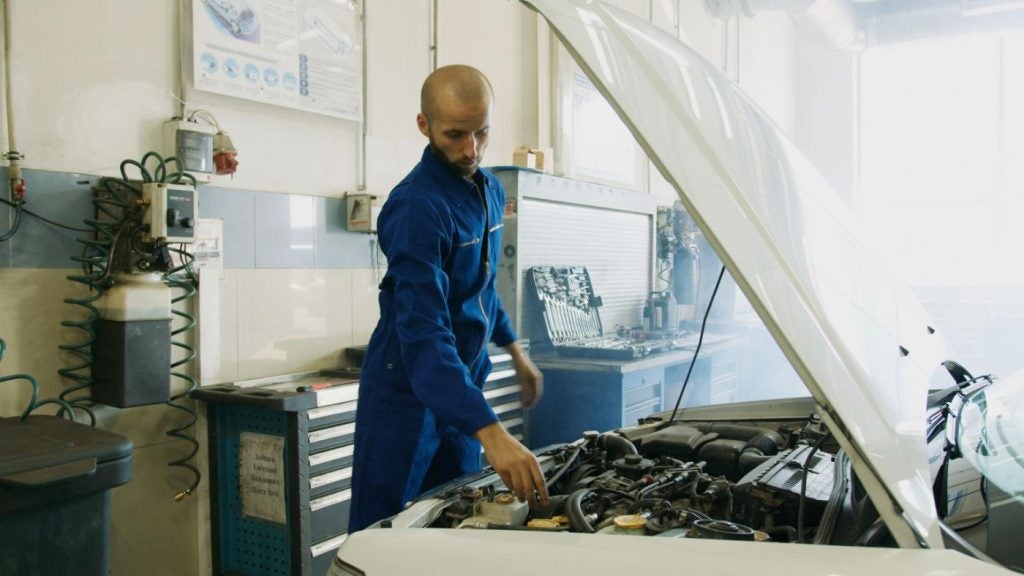
Mechanic working on a Jet Chevrolet Fleet Vehicle

Most business owners know what their vehicle payment is.

Many know roughly what they spend on fuel.

Some know their maintenance costs.

But very few know the true cost of vehicle downtime.

Whether you own a plumbing company in Tacoma, an HVAC business in Kent, an electrical contracting company in Renton, or a construction firm serving the greater Seattle area, downtime is often one of the largest hidden expenses in your operation.

The surprising part?

The repair bill is usually the smallest part of the problem.

What Is Fleet Downtime?

Fleet downtime occurs anytime a vehicle is unavailable to perform its intended function.

Examples include:

  • Waiting for repairs
  • Scheduled maintenance
  • Parts delays
  • Accidents
  • Tire failures
  • Mechanical breakdowns
  • Electrical issues

Most businesses focus on the direct repair expense.

However, the indirect costs often have a much larger impact on profitability.

The Domino Effect of a Broken Vehicle

Imagine a service van breaks down Monday morning.

At first glance, the problem appears simple: The repair estimate is $1,500.

Most business owners stop there, 

Unfortunately, that isn't the actual cost.

Let's look deeper.

Lost Revenue

If a technician normally completes:

  • 5 service calls per day
  • $400 average revenue per call

That vehicle may generate approximately $2,000 in revenue per day. If repairs take three days, the lost opportunity could be significant.

Even if some work is rescheduled, many businesses still experience disruptions to revenue production.

Employee Productivity Doesn't Stop Costing You

When vehicles go down, payroll often continues.

Employees may be:

  • Waiting for transportation
  • Sharing vehicles
  • Rescheduling appointments
  • Making additional trips
  • Working inefficiently

The company continues paying wages while productivity decreases.

For growing companies, these hidden labor costs can quickly exceed repair expenses.

Customer Experience Suffers

Most businesses work hard to earn customer trust.

Vehicle downtime can create:

  • Delayed appointments
  • Rescheduled installations
  • Longer response times
  • Reduced service availability

Customers may not remember why their appointment was delayed. They simply remember that it happened.

For service-based businesses, customer experience often drives referrals and repeat business.

Emergency Vehicle Purchases Are Rarely Good Business Decisions

One of the most common patterns we see among growing companies is reactive purchasing.

A vehicle fails.

The business suddenly needs transportation.

The owner buys whatever is available.

Unfortunately, emergency purchases often lead to:

  • Higher costs
  • Limited inventory options
  • Poor vehicle fit
  • Financing pressure

Buying a vehicle under pressure can limit your inventory choices and lead to higher long-term operating costs. 

Establishing a proactive fleet plan ensures you secure the exact configurations your crew requires, without compromising your budget or financing terms.

Consult with a commercial vehicle expert and call our fleet team at (253) 336-4216 to discuss strategic replacement planning and check current regional vehicle availability.

How Downtime Impacts Recruiting

Many owners don't realize that vehicles affect employee retention. 

Imagine two technicians.

One works for a company with:

  • Reliable vehicles
  • Consistent maintenance
  • Professional equipment

The other regularly deals with:

  • Breakdowns
  • Check engine lights
  • Unreliable transportation

Which company is more likely to retain talent? 

Reliable equipment communicates that leadership values employee success.

That matters in today's competitive labor market.

The Seattle-Tacoma Traffic Factor
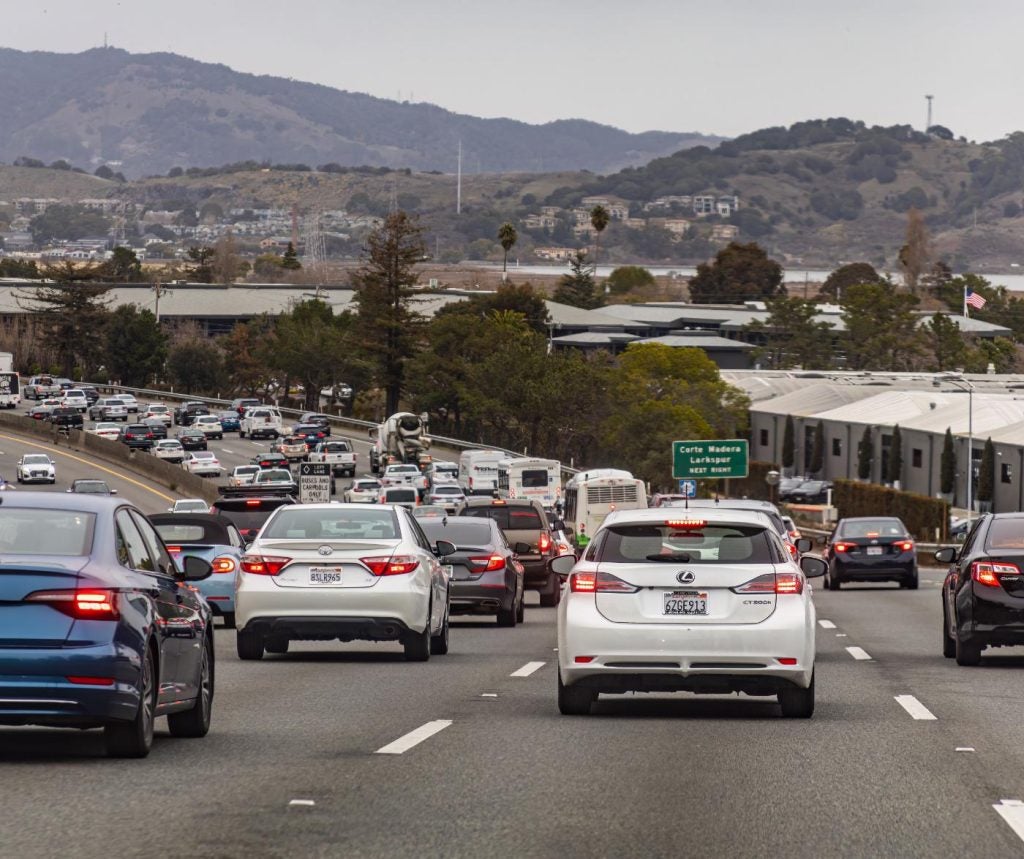
Seattle freeway, how Jet Chevrolet is here to help.

Businesses operating throughout Western Washington face unique challenges.

A breakdown doesn't just create downtime, it often creates extended downtime.

A service vehicle disabled on I-5, SR-167, SR-18, Highway 16, or I-405 can disrupt an entire day.

Companies serving:

  • Seattle
  • Tacoma
  • Federal Way
  • Kent
  • Auburn
  • Bellevue
  • Renton
  • Everett
  • Lynnwood

depend heavily on transportation efficiency.

When schedules are already tight, downtime becomes even more expensive.

Why the Lowest-Cost Vehicle Isn't Always the Cheapest Vehicle

Many business owners focus on acquisition cost.

The better question is:

"What does this vehicle cost me over its lifetime?"

A vehicle that costs less upfront may produce:

  • More downtime
  • More repairs
  • Lower productivity
  • Shorter lifespan

Meanwhile, a vehicle with a higher initial investment may deliver:

  • Better reliability
  • Longer service life
  • Higher resale value
  • Lower operating costs

The difference is often substantial.

What Successful Fleet Managers Measure

Companies with highly effective fleets often track:

Cost Per Mile: 

Understanding operating costs helps identify underperforming vehicles.

  • Downtime Hours: Tracking unavailable vehicle hours reveals hidden inefficiencies.
  • Maintenance Cost Trends: Repair costs often indicate when replacement should be evaluated.
  • Revenue Per Vehicle: Understanding how much revenue each vehicle supports creates smarter business decisions.
  • Vehicle Utilization: Some businesses discover certain vehicles are underutilized while others are overworked.

This data can dramatically improve fleet planning.

Questions Every Business Owner Should Ask

When evaluating fleet performance, consider:

  • Which vehicle has the highest repair costs?
  • Which vehicle creates the most downtime?
  • Which vehicle is least productive?
  • Which vehicle is closest to replacement?
  • Which vehicle generates the most revenue?

The answers often reveal opportunities for improvement.

Why Growing Companies Think About Fleet Strategy Differently

The most successful businesses don't think of fleet vehicles as expenses, they view them as revenue-producing assets.

Just like:

  • Employees
  • Equipment
  • Technology
  • Facilities

Vehicles should help generate growth.

The objective isn't simply reducing costs, it’s maximizing productivity.

Supporting Businesses Across Western Washington

At Jet Chevrolet in Federal Way, many of the conversations we have with local businesses aren't about horsepower or towing capacity.

They're about operations.

Business owners want to know:

  • How can we improve efficiency?
  • How can we reduce downtime?
  • How can we support growth?
  • How can we make better fleet decisions?

As a locally owned and family-operated member of the Dinsmore Auto Group, Jet Chevrolet understands that local businesses are the backbone of our communities.

The Dinsmore philosophy is simple:

Do More. Save More. Experience MORE.

For business owners, that often means helping them think strategically about their fleet and how it supports long-term success. Let’s shift your fleet from a reactive headache to a strategic advantage before your next major breakdown.

Schedule a consultation or call Jet Chevrolet’s team directly at (253) 336-4216 to audit your current vehicle lifecycles and secure reliable pool-stock replacements.

Final Thoughts

The most expensive vehicle in your fleet is often not the one with the largest payment, it's the one that isn't working.

Vehicle downtime affects:

  • Revenue
  • Productivity
  • Customer satisfaction
  • Employee morale
  • Business growth

When business owners begin measuring the true cost of downtime, fleet decisions become much clearer.

Because in the end, the goal isn't simply owning vehicles.

The goal is keeping your business moving.
Posted in:

Related Posts

A mechanic running diagnostics on an idling commercial fleet vehicles

The Cost of Idling: What Fleet Owners Should Know About Fuel, Engine Hours and Work Vehicles

A work truck doesn't have to be moving to consume fuel. Service vehicles can spend time idling between appointments, at job sites, while crews complete paperwork, or while drivers wait for their next assignment. Some of that idle time may be necessary. Some may not be. For businesses operating multiple vehicles every day, understanding fleet idling is one more way to understand where fuel is being used. Why Work Vehicles Idle Not all idling is avoidable. Depending on the business and vehicle, an engine may remain running while: Waiting at a job site Completing paperwork Loading or unloading Waiting for another crew member Taking a break Staging between appointments Idle-reduction efforts should focus on parked or stationary idling that can reasonably be avoided, not time spent stopped in traffic or situations where stationary engine power is needed to perform the vehicle’s primary work functions. The useful distinction for a fleet manager is between operationally necessary idling and unnecessary parked idling. Idling Uses Fuel An internal-combustion engine continues consuming fuel while it runs, even when the vehicle isn't moving. The exact amount depends on the vehicle, engine, operating conditions, accessory use, and other factors. That's why a universal “idling costs your business $X per year” claim isn't particularly useful. What is universally true is simpler: reducing unnecessary idling reduces fuel consumed during that unnecessary idle time. Measure Before Setting a Fleet Policy Before creating an anti-idling policy, determine whether unnecessary idling is actually a meaningful issue in your fleet. Depending on the vehicles and technology available, businesses may be able to review idle-time data through a telematics platform. If you don't have telematics, driver discussions and operational observations can still help identify why vehicles are sitting with their engines running. Then ask a more useful question: Why is this vehicle idling? If the answer is “because equipment requires it,” the solution may be different from a vehicle idling while someone completes paperwork. Understanding the reason matters more than setting an arbitrary target. Look at the Entire Workday Reducing unnecessary idling shouldn't make the job harder or interfere with safe vehicle operation. Instead, look for practical opportunities. Could paperwork be completed inside the customer's building rather than in a running vehicle? Is a vehicle being left running during loading/unloading when it doesn't need to be? Are crews waiting for long periods because of inefficient scheduling? Does a particular job require vehicle-powered equipment? These questions can reveal whether the issue is driver behavior, vehicle configuration, dispatching, equipment needs, or simply an unavoidable part of the work. Vehicle Selection Can Be Part of the Conversation Different businesses use their vehicles differently. An HVAC technician covering residential service calls has different operating requirements than a construction crew towing equipment or a delivery business making frequent stops. When replacing a commercial vehicle, fuel economy is one factor to consider alongside: Payload requirements Towing needs Cargo space Upfit weight Route type Annual mileage Engine and drivetrain options Job-site requirements No single specification determines the best fleet vehicle. The right choice depends on how the vehicle will actually be used. Planning your next commercial vehicle purchase? Connect with the Jet Chevrolet team at (253) 336-4216 to discuss the requirements of your business. Final Thoughts Not every minute of fleet idling is waste. Some jobs require vehicles to remain running. The better goal is to understand why your vehicles idle and identify unnecessary engine-on time where practical. For businesses with several vehicles, even a basic review of idle patterns can provide useful information about how the fleet operates.

When Your Business Outgrows a One-Size-Fits-All Commercial Fleet

When a business is small, having work trucks that can handle a little bit of everything can make sense. The same pickup might haul materials one day, tow equipment the next, and carry a supervisor between job sites later in the week. As the business grows, those roles can become more distinct. Crews may take on different types of work, service areas may expand, and certain vehicles may spend most of their time performing one specific job. At that point, it may be worth asking whether every vehicle in the fleet still needs to do everything. Why Versatility Works for Smaller Fleets Versatile vehicles give a small business flexibility. When there are only a few trucks available, being able to move them between employees and jobs can be useful. It can also simplify fleet decisions. Instead of maintaining several highly specialized vehicle types, a business can use similar trucks across different assignments. But growth can change that equation. A vehicle that's capable of several tasks isn't necessarily the vehicle every role requires. Look at the Roles Within Your Fleet Rather than looking at the fleet as one group of vehicles, consider what each truck actually does during a typical week. A growing contractor might have vehicles serving very different purposes: Crew vehicles traveling between active job sites Supervisor trucks used primarily for site visits and meetings Trucks regularly towing equipment or trailers Service vehicles handling smaller calls throughout the day Vehicles transporting materials or supplies These roles don't automatically require different vehicles. But identifying them can reveal where the fleet has become more specialized even if the vehicles haven't. When Dedicated Vehicles May Make Sense Specialization becomes worth considering when a vehicle repeatedly performs the same type of work. For example, if one truck regularly pulls an equipment trailer, the requirements for that vehicle may differ from a supervisor's truck that spends most of its time traveling between sites. Likewise, a service technician making multiple stops each day may have different vehicle needs than a crew transporting equipment to a long-term project. The goal isn't to create a different vehicle for every employee. It's to recognize when a particular role has become consistent enough that choosing a vehicle around that role may be practical. There Are Advantages to Keeping Vehicles Similar A more specialized fleet isn't always the answer. Using similar vehicles can make it easier to move drivers between trucks when schedules change or a vehicle is unavailable. Drivers may also be more familiar with controls and operating characteristics when vehicles are similarly equipped. For some businesses, that flexibility is more valuable than having vehicles tailored to individual roles. That's why fleet specialization should follow the needs of the business rather than growth alone. Watch for Changes in the Business The vehicles that worked when a company had five employees may not reflect what it needs with 20. New services, larger projects, additional crews, wider service territories, and different equipment can all change how company vehicles are used. Instead of automatically replacing an existing truck with a similar one, use the purchase as an opportunity to look at the role that vehicle will fill now. Ask what it will do most often, who will use it, where it will operate, and whether its responsibilities are different from the rest of the fleet. Build the Fleet Around the Work There is no ideal mix of commercial vehicles that applies to every growing business. Some companies benefit from keeping most of their vehicles interchangeable. Others reach a point where different crews and responsibilities call for different types or configurations of work vehicles. Many fleets will use a combination of both approaches. The important part is making those decisions based on how the business actually operates rather than assuming every new vehicle should match the last one. Is your growing business adding or replacing work vehicles? Connect with the Jet Chevrolet team at (253) 336-4216 to discuss your commercial vehicle needs. Do More. Save More. Experience MORE. Final Thoughts Growth doesn't necessarily mean a business needs more types of vehicles. But it can change the jobs those vehicles are expected to perform. Taking a closer look at the roles within your fleet can help determine where versatility still makes sense and where a more dedicated vehicle may better match the work. As your business changes, your fleet should continue to reflect the work your crews actually do.

A Shared Commercial Fleet Vehicle

Take-Home Work Vehicles vs. Shared Fleet Vehicles: Which Approach Fits Your Business?

As a trade business grows, an important fleet decision isn't just which vehicles to buy. It's also who uses them and where they go at the end of the day. Some businesses assign vehicles to employees who take them home, while others keep company vehicles at the shop for crews to use as needed. Neither approach is automatically better. The right setup depends on how your crews work, where jobs are located, and how the business manages its fleet. When Take-Home Work Vehicles Make Sense Take-home vehicles can make sense for plumbers, HVAC technicians, electricians, and other field-service employees who regularly travel directly to their first appointment instead of reporting to a central location. An assigned vehicle also gives an employee consistent access to the same truck or van each day. However, businesses should establish clear policies around personal use, authorized drivers, fuel, parking, maintenance reporting, and after-hours use. Insurance and tax considerations may also apply, so businesses should consult the appropriate professionals about their specific situation. When Keeping Vehicles at the Business Makes Sense Keeping vehicles at a central location may work better when crews start and end their day at the shop, load materials each morning, or use different vehicles depending on the day's work. It can also give managers regular access to the vehicles for inspections and help keep vehicle use centered around business operations. The tradeoff is that employees generally need to report to the business before heading to their first job, which may not fit every service model. Assigned vs. Shared Vehicles Even when vehicles stay at the business, companies need to decide whether each employee or crew has an assigned vehicle or whether vehicles are shared. Assigned vehicles provide consistency and can make responsibility for reporting issues easier to define. Shared vehicles provide flexibility when schedules, crews, or job requirements change. For shared vehicles, clear procedures for reporting damage, fuel levels, maintenance concerns, and other issues between drivers become especially important. Consider Your Service Area Geography can also influence the decision. A Western Washington business may have technicians living and working throughout Federal Way, Tacoma, Kent, Auburn, Seattle, Bellevue, and surrounding communities. Requiring every employee to report to one location creates a different operating pattern than allowing certain technicians to travel directly to their first job. Which approach works better depends on employee locations, service territories, dispatching, and the type of work being performed. Establish Clear Vehicle-Use Policies Regardless of where company vehicles spend the night, employees should understand expectations around: Authorized drivers and personal use Fuel purchasing Accident and damage reporting Maintenance concerns After-hours use Parking and vehicle security Policies will vary by business, but having clear expectations becomes increasingly important as more vehicles and drivers are added. Reevaluate as Your Fleet Grows A system that works with three work trucks may not make sense with fifteen. As a business grows, periodically reconsider which employees need dedicated vehicles, whether some vehicles can be shared, and whether the current approach still fits how crews operate. Planning your next commercial vehicle purchase? Connect with the Jet Chevrolet team at (253) 336-4216 to discuss your business and fleet needs. Why Western Washington Businesses Work With Jet Chevrolet Located in Federal Way along the I-5 corridor, Jet Chevrolet works with commercial customers throughout Western Washington, from the South Sound to the greater Seattle area. As part of Dinsmore Auto Group, Jet Chevrolet is locally owned and family operated. Our commercial team works with businesses evaluating work trucks and commercial vehicle options for their operations. Do More. Save More. Experience MORE. Connect with the Jet Chevrolet team at (253) 336-4216 to discuss your next commercial vehicle. Final Thoughts There isn't one correct way to assign company vehicles. Take-home, assigned, and shared vehicles can each make sense depending on how a business operates. The right approach comes down to where crews start their day, how vehicles are used, and how much flexibility the business needs as its fleet grows.