



Blog / Commercial Fleet

Blog

All Commercial Fleet Jet Chevrolet Jet Chevrolet Service Federal Way Chevrolet Dealer Chevy Blazer EV Federal Way Chevrolet Service Chevy Equinox EV Chevy Tahoe Chevy Silverado EV Chevy SUV Chevrolet near me Chevrolet Safety Chevrolet Silverado Chevrolet Trailblazer Chevrolet Trax Chevy Bolt Chevy Colorado Chevy Finance Federal Way Used Cars

Maximizing HVAC Crew Dispatch: How Low-Clearance Van Spec’ing Saves Parking Garage Headaches

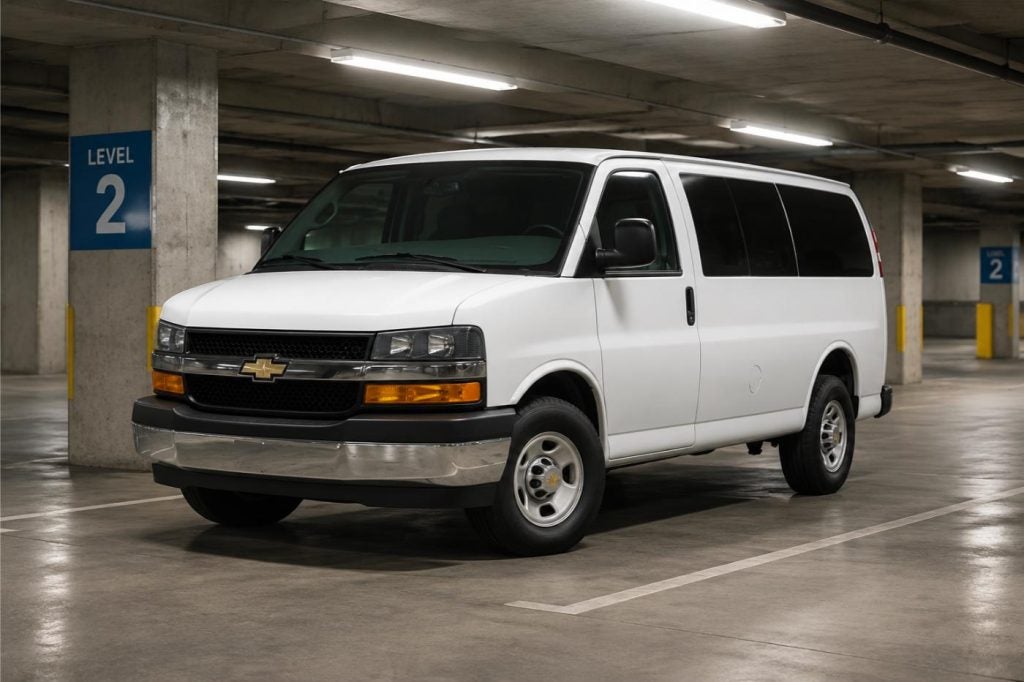
HVAC service dispatching in dense Western Washington downtowns presents a physical challenge that suburban fleets rarely encounter. If your business regularly services commercial retail locations or high-density residential towers, your technicians must navigate tight urban structures. When your service vans are too tall to enter standard commercial parking garages, your crews are forced to park blocks away, wasting valuable billable hours hauling heavy compressors and recovery tanks by hand. Spec’ing your HVAC vans with height clearance in mind is essential for urban route efficiency. The Physical Realities of Urban Parking Garages What is the actual limit of a commercial parking garage? The typical clearance of a parking structure in downtown Seattle or Bellevue is between 6 feet, 6 inches (78 inches) and 7 feet (84 inches). While standard low-roof cargo vans fit comfortably within these height limits, mid-roof and high-roof configurations do not. Attempting to force a taller cargo van into a low-clearance garage can cause catastrophic structural damage to the vehicle roof, ladders, and building sprinkler pipes. If your business relies on taller vehicles for cargo capacity, you must carefully plan your urban dispatching, or risk costly structural accidents and major vehicle downtime. Balancing Interior Headroom with Exterior Clearance Many HVAC owners choose mid-roof vans to give technicians better interior ergonomics, only to find the vehicles are barred from the very urban job sites they service. The key is analyzing your target customer base. If your service calls are primarily residential suburban homes with wide driveways, a high-roof van maximizes organization and workspace. However, if your business focuses on high-rise condominiums, retail centers, or dense downtown offices, maintaining a fleet of low-roof service vans ensures your crews can park directly on-site, keeping their tools close and their response times fast. Optimizing Low-Roof Organization for HVAC Tooling Operating a low-roof fleet does not mean sacrificing organization. By implementing pull-out cargo beds and heavy-duty drawer systems that slide out of the rear and side doors, technicians can access heavy parts without crawling inside the vehicle. This setup keeps heavy items like recovery tanks and vacuum pumps at waist height, providing the ergonomic benefits of a taller van without the low-clearance parking restrictions. Are you trying to decide between low-roof and mid-roof vans for your urban service routes? Call our commercial vehicle experts at (253) 336-4216 to compare the exact clearance measurements of our available inventory and find the right configuration for your job sites. Why Puget Sound HVAC Contractors Partner with Jet Chevrolet Acquiring vehicles that match your specific route geometry is simple when you work with a dealership with diverse commercial stock. Jet Chevrolet provides extensive regional pool-stock availability, featuring both low-clearance and high-roof commercial options ready for custom upfitting. Located in Federal Way, directly along the I-5 corridor, Jet Chevrolet serves commercial trade fleets throughout Western Washington, including: South Sound & Local: Federal Way, Tacoma, Kent, Auburn, Puyallup, Olympia Greater Seattle & North Sound: Seattle, Bellevue, Renton, Everett, Lynnwood As part of the Dinsmore Auto Group, Jet Chevrolet is family-owned and operated, and the Dinsmore family remains actively involved in the business. Our commercial team works directly with Western Washington HVAC contractors to deliver consultative, trade-specific solutions that national dealer groups cannot match. Our philosophy remains: Do More. Save More. Experience MORE. For HVAC business owners, that means finding work vehicles designed for the actual streets and parking garages your crews navigate every single day. Connect with an urban fleet specialist at Jet Chevrolet by calling (253) 336-4216 to spec your next low-clearance service van and secure your commercial vehicle configurations. Final Thoughts Spec’ing an HVAC fleet is not a one-size-fits-all process. For urban service routes, maintaining a low-clearance profile is a direct way to avoid costly building damage and keep your technicians productive. By pairing low-roof vans with sliding drawer upfits, you can maintain high organizational standards while preserving urban garage access. Analyze your routes, choose your heights carefully, and keep your crews moving efficiently.

Optimizing Your Delivery Fleet: Step-In Heights, Fuel Economy, and Cargo Volume Secrets

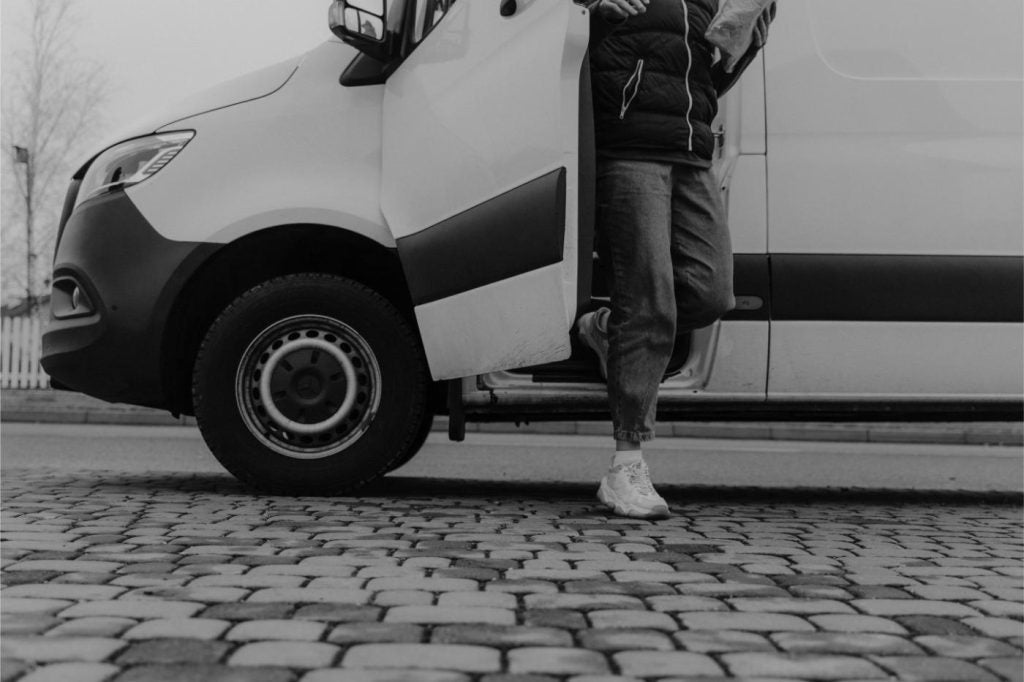
For delivery and logistics businesses, fleet vehicles are your primary source of revenue and they are also your largest daily operating expense. In a high-mileage, high-frequency operation, minor inefficiencies in fuel economy, vehicle weight classes, or driver movement can quickly drain your monthly profitability. Optimizing a delivery fleet requires examining how your drivers interact with the vehicle hundreds of times a day, while managing the total cost of ownership over hundreds of thousands of miles. Ergonomics of the Step-In Height In the delivery business, a driver may exit and enter the vehicle over a hundred times during a single shift. If a vehicle has a high step-in height of 28 inches or more, the repetitive physical strain of climbing up and down can lead to joint fatigue, slower delivery times, and increased driver injury claims. Choosing a cargo van with a low door sill step-in height of 19 to 21 inches reduces the vertical climbing strain on a driver's knees by up to 30%, which adds up to thousands of vertical feet saved over a year of routing. Vans with low floor heights, wide rear doors, and dual rear-door grab handles allow drivers to load and unload packages with minimal effort. Keeping your drivers fresh directly maintains route efficiency through the end of a long shift, protecting your schedule and lowering your workers' compensation exposure. Maximizing Cargo Volume Without Upgrading the Chassis Class Many delivery companies buy larger, heavier commercial trucks in Class 3 or Class 4 simply to get more cargo volume, but this upgrade introduces higher fuel expenses, stricter DOT compliance audits, and higher insurance premiums. The key is maximizing the cargo volume of a lighter-weight Class 1 or Class 2 platform under 10,000 pounds Gross Vehicle Weight Rating (GVWR). High-roof cargo vans with straight side walls allow you to pack packages efficiently from floor to ceiling, unlocking up to 400 cubic feet of cargo space without requiring a commercial driver's license (CDL). Installing lightweight, folding aluminum shelving systems provides maximum storage space when needed, and you can fold the shelves flat against the walls when hauling oversized bulk pallets. This flexibility allows your fleet to handle both parcel routing and bulk freight runs in a single, highly agile chassis. Fuel Economy in Stop-and-Go Driving Delivery vehicles spend most of their operating hours in stop-and-go urban traffic, which is the most demanding environment for fuel consumption. Selecting engines with automatic start-stop technology and multi-speed automatic transmissions, such as modern eight-speed or ten-speed gearboxes, keeps the engine operating in its most efficient power band. For high-density urban routes, a modern four-cylinder turbocharged engine can deliver the necessary cargo hauling power while consuming significantly less fuel than a traditional heavy-duty V8, which directly lowers your daily operating costs. Transitioning from a classic heavy V8 getting nine miles per gallon (MPG) to a turbocharged four-cylinder average of 16 city MPG can save thousands of dollars per vehicle annually in fuel expenses alone. Do you want to run fuel cost comparisons across different delivery van configurations and find the perfect balance between engine efficiency and cargo volume? Call our commercial fleet desk at (253) 336-4216 to evaluate fuel-efficient options and check current regional pool-stock availability. Why Western Washington Delivery Fleets Choose Jet Chevrolet When your business model depends on daily delivery routes, you cannot afford to have drivers sitting idle due to vehicle shortages. Jet Chevrolet provides extensive regional pool-stock availability, ensuring you can secure delivery vans, cutaways, and high-roof configurations on short notice. Located in Federal Way, directly along the I-5 corridor, Jet Chevrolet serves logistics providers throughout Western Washington, including: South Sound & Local: Federal Way, Tacoma, Kent, Auburn, Puyallup, Olympia Greater Seattle & North Sound: Seattle, Bellevue, Renton, Everett, Lynnwood As part of the Dinsmore Auto Group, Jet Chevrolet is family-owned and operated. The Dinsmore family remains actively involved in the business to deliver a level of consultative service and fleet planning expertise that anonymous national dealer groups cannot match. Our commercial team works directly with you to keep your fleet active, helping you select vehicles engineered for driver safety, maximum cargo volume, and long-term cost-of-ownership savings. Our philosophy remains: Do More. Save More. Experience MORE. For delivery fleets, that means a vehicle engineered for fuel efficiency, driver safety, and optimal cargo volume to lower your cost-per-stop on every route. Connect with our commercial vehicle experts at Jet Chevrolet by calling (253) 336-4216 to secure your next delivery vehicle and plan your route-efficiency configurations today. Final Thoughts Delivery fleet optimization is a game of cumulative margins. Choosing a vehicle with a low step-in height keeps your drivers efficient, reduces the risk of physical fatigue over long shifts, and keeps your schedule moving. Maximizing cargo capacity while selecting a fuel-efficient engine keeps your cost-per-stop low. Plan your delivery specs carefully, partner with a commercial team that understands the operational details of your route logistics, and your fleet will drive better profitability across every mile.

The Electrician's Mobile Workshop: How Cabin Heights and Power Inverters Drive Daily Bills

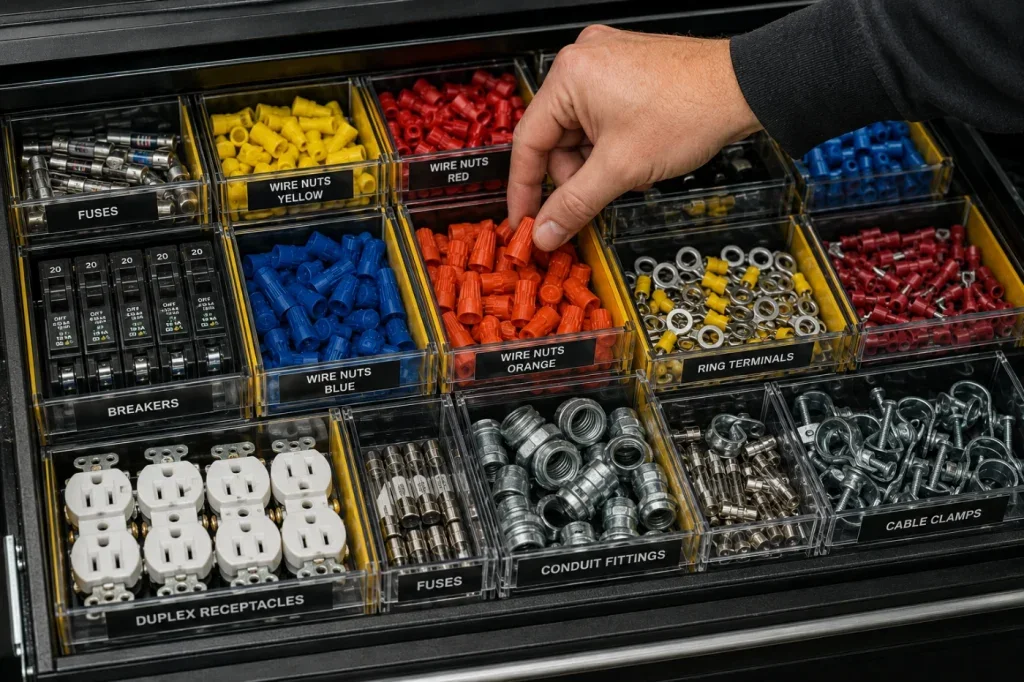
For electrical contractors, a service vehicle is not just transportation; it's their workshop. You carry thousands of small parts, including wire connectors, breakers, switches, and specialized testing equipment, which must remain organized and dry. Because you operate heavy power tools on sites that often lack active utility hookups, your vehicles must also act as reliable power sources. Optimizing an electrical fleet requires selecting the correct vehicle configuration and power systems to maximize your billable hours, turning a standard cargo area into a highly productive asset. High-Density Storage for Thousands of Small Parts The primary source of lost time for an electrician is searching for parts in a disorganized vehicle. If a technician spends five minutes searching for a specific breaker or wire nut on every service call, those lost minutes compound over a week into hours of unbilled labor. Standard bulk cargo areas do not fit this trade. You need customized upfitting that features high-density bin systems, small parts drawers, and secure conduit carriers. Vertical shelving units that use the full height of the van allow technicians to keep fast-moving inventory at eye level, which makes restocking simple and keeps parts organized during travel. Mobile Power Inverters vs. Portable Generators Electricians need reliable power on job sites to charge tool batteries, run hammer drills, and test circuits before utility power is turned on. Relying on portable gas generators is noisy, requires carrying extra fuel cans, and introduces constant maintenance hassles. Integrating a professional-grade power inverter system directly into your service van's electrical system is a highly efficient alternative. A pure sine wave inverter, running off an auxiliary battery system, provides clean power that safely charges sensitive diagnostic tools and runs heavy-duty power tools directly from the vehicle. This setup eliminates the need to haul generators, ensuring your technicians have power the moment they arrive at a site. Are you looking to integrate a custom power inverter or specialized wire rack system into your next service vehicle? Call our commercial team at (253) 336-4216 to discuss electrical-specific upfitting, battery systems, and current regional pool-stock availability. High-Roof Advantages for Complex Wire Runs Working out of a low-roof van forces technicians to crawl on their knees to reach wire spools and heavy cable reels. A mid-roof or high-roof cargo van allows you to mount wire reel racks directly to the interior wall at shoulder height. Technicians can pull wire directly from the back of the van without removing the spools from the vehicle, which saves physical effort and prevents wire from tangling or getting dirty on a muddy job site. The ability to stand upright also makes it easier to install a secure safety partition, protecting the cab from shifting tools during sudden braking. Why Puget Sound Electricians Trust Jet Chevrolet When you are expanding your electrical fleet, you need a dealer partner that understands the technical details of your trade. Jet Chevrolet provides extensive regional pool-stock availability, ensuring you can find high-roof vans ready for custom upfitting without the long lead times that halt your business growth. Located in Federal Way, directly along the I-5 corridor, Jet Chevrolet serves electrical contractors throughout Western Washington, including: South Sound & Local: Federal Way, Tacoma, Kent, Auburn, Puyallup, Olympia Greater Seattle & North Sound: Seattle, Bellevue, Renton, Everett, Lynnwood As part of the Dinsmore Auto Group, Jet Chevrolet is family-owned and operated, and the Dinsmore family remains actively involved in the business to deliver a consultative relationship that anonymous national dealer groups cannot match. Our commercial team works directly with local upfitters to deliver ready-to-work solutions based on your specific operational goals. Their philosophy remains: Do More. Save More. Experience MORE. For electricians, that means a vehicle configured to act as an organized, powered job-site asset that maximizes daily productivity. Connect with a commercial vehicle expert at Jet Chevrolet by calling (253) 336-4216 to plan your next mobile workshop upfit and secure your utility vehicle configurations. Final Thoughts An electrician’s service van must be engineered for organization and utility. High-density shelving and integrated power systems turn a standard cargo area into a highly productive asset that saves your technicians time on every call. By choosing a configuration that supports your daily workflow, you reduce physical strain on your crew, eliminate wasted hours, and protect your equipment. Invest in an organized mobile workshop, and your daily billable hours will show the results.

Choosing the Right Construction Work Truck: Towing Capacity, Bed Length, and Durability

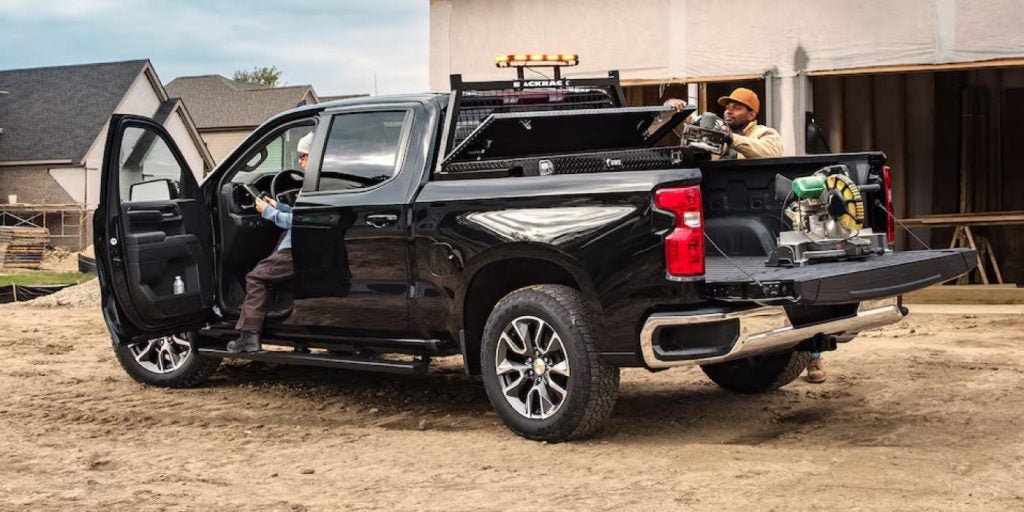
A construction work truck is a primary tool on any job site. Choosing the wrong truck can halt a project, whether because it cannot haul a full pallet of drywall or because it lacks the towing capacity to transport a mini-excavator to the site. If you buy based on luxury features rather than mechanical capability, you pay for options that do not contribute to your bottom line. Getting the right truck requires matching the vehicle’s mechanical specifications to your daily hauling and towing realities. Deciphering Bed Length and Cab Configurations One of the most common mistakes in construction fleet purchasing is selecting the wrong balance between cab space and bed length. A crew cab with a short bed is comfortable for transporting workers, but it cannot carry standard eight-foot sheets of plywood or drywall without them hanging over the tailgate. If your crews regularly haul building materials, an eight-foot long-bed configuration is highly efficient. When you need to transport both a four-man crew and full-sized materials, a double cab or crew cab paired with a standard bed provides the necessary balance, though it does increase the overall turning radius of the vehicle on tight job sites. Towing Capacity and Braking Math Towing trailer-mounted equipment like skid steers, dump trailers, or scaffolding requires more than just a high tow rating. You must also evaluate the truck’s Gross Combined Weight Rating, which is the total allowable weight of the truck, trailer, cargo, and passengers combined. Operating at the absolute limit of a truck’s towing capacity strains the engine, overheats the brakes, and increases stopping distances on wet highway descents. For regular towing of heavy equipment, upgrading to a three-quarter-ton or one-ton truck with an integrated trailer brake controller and exhaust braking provides the mechanical safety margin your drivers need to operate safely. Heavy-Duty Suspensions and Bed Protection Construction debris, gravel, and concrete blocks wear down standard light-duty truck beds quickly. To ensure long-term durability, your construction trucks should be equipped with: Factory-installed or heavy-duty spray-on bed liners to prevent rust and denting Reinforced suspension packages or helper springs to handle uneven bed loads Integrated tie-down points that secure heavy machinery and materials during transit These mechanical upgrades prevent cosmetic damage from turning into structural rust, which directly preserves the resale value of your fleet. Worksheet: Construction Truck Spec Matcher Use this worksheet to determine whether a truck's mechanical specifications match your job site requirements before making a purchase. Do you need to match your equipment weights to the right truck chassis? Connect with our commercial team at (253) 336-4216 to run your towing and payload calculations with a fleet specialist. Why Western Washington Construction Companies Trust Jet Chevrolet Securing durable work trucks quickly is essential for keeping construction projects on schedule. Jet Chevrolet provides extensive regional pool-stock availability, giving you access to heavy-duty trucks without the long factory wait times. Located in Federal Way directly along the I-5 corridor, Jet Chevrolet serves construction businesses throughout the Puget Sound region, including: South Sound & Local: Federal Way, Tacoma, Kent, Auburn, Puyallup, Olympia Greater Seattle & North Sound: Seattle, Bellevue, Renton, Everett, Lynnwood As part of Dinsmore Auto Group, Jet Chevrolet remains locally owned and family operated, with hands-on leadership committed to supporting local contractors. Their philosophy is simple: Do More. Save More. Experience MORE. For construction owners, that means finding work trucks built for the demands of the job site, backed by a service team that understands the cost of downtime. Call Jet Chevrolet today at (253) 336-4216 to match your towing needs to our available heavy-duty truck inventory. Final Thoughts A construction truck must be spec'ed for its heaviest day, not its lightest. Choosing a truck with a sufficient towing and payload margin protects your drivetrain and ensures your crew can move equipment safely. Take the time to calculate your total trailer and material weights before selecting a chassis. A truck that handles its load comfortably stays out of the shop and keeps your projects moving forward on time

The Plumbing Fleet Configuration Guide: Heavy Payloads and Wet-Weather Organization

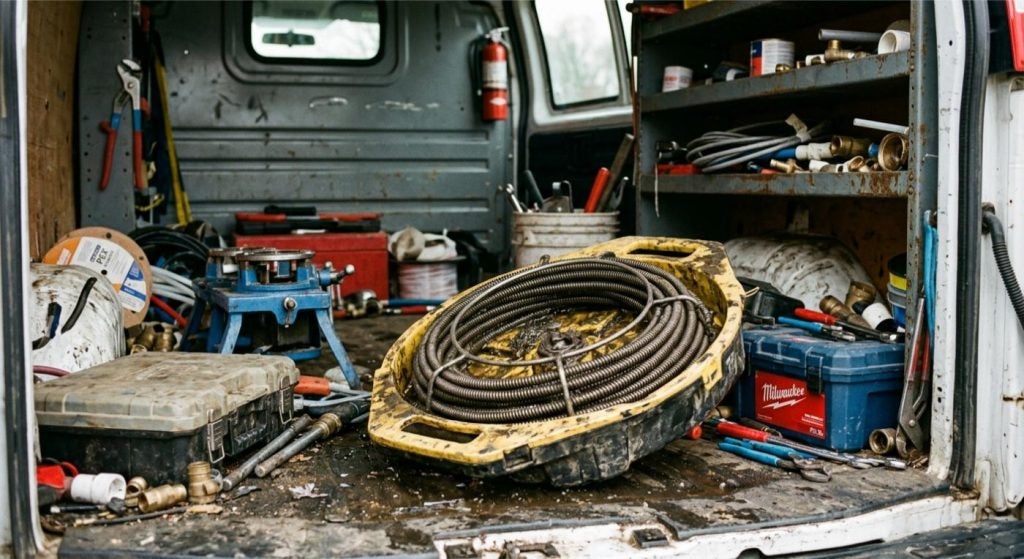
Plumbing contractors face unique fleet challenges that differ significantly from other trade businesses. Your service vehicles must carry exceptionally heavy tools, including drain-cleaning machines, pipe threaders, and copper press tools, alongside heavy cast iron or brass fittings. Furthermore, because you work constantly with water, your vehicles must handle moisture without rusting out, while maintaining traction on slippery Pacific Northwest roads. Configuring your plumbing vans requires planning for weight distribution and moisture control. Managing the Weight of Water and Heavy Equipment Plumbing vans carry some of the heaviest constant payloads of any service trade. A commercial drain snake can easily weigh 150 to 200 pounds, while a full inventory of brass valves, copper fittings, and cast iron pumps adds up to massive constant weight. Additionally, emergency calls often require hauling water heaters or carrying wet, heavy debris back from a job site. If your plumbing van is configured with lightweight residential shelving, the constant vibration of heavy fittings can cause the racks to sag or break. You need heavy-duty steel or reinforced aluminum upfitting that anchors securely to the vehicle chassis, ensuring your cargo remains stable during sudden stops or turns. Wet-Weather Organization and Moisture Prevention Western Washington is famous for its wet weather, and plumbing work is inherently wet. When technicians load wet drain cables, damp pipe cutters, and muddy tools back into an enclosed cargo van, the relative humidity inside the vehicle spikes. Standard wooden or basic steel upfits will trap this moisture, which leads to rust, mold, and ruined tools. To protect your investment, your plumbing vans should be configured with: Composite or rubberized flooring that prevents water from seeping into the metal floor pans Powder-coated or galvanized shelving systems that resist corrosion Heavy-duty partition bulkheads that keep damp air and chemical odors isolated to the cargo area Passive or active roof ventilation systems to draw humid air out of the van These simple configuration choices keep your tools dry and protect your vehicle's resale value over years of service. Traction and Stability on Slick Western Washington Slopes A fully loaded plumbing van behaves differently on wet asphalt. With most of the payload riding over the rear axle, proper weight distribution is essential for maintaining front-wheel traction and steering control. Selecting a vehicle with electronic stability control and advanced traction systems helps your technicians navigate slippery roads safely. For businesses operating in hilly residential areas, a dual-rear-wheel configuration or an all-wheel-drive platform provides the extra stability required to climb slick driveways and wet roads with confidence. Are you ready to design a plumbing van setup that keeps your tools organized and your crew safe? Connect with our commercial team at (253) 336-4216 to explore corrosion-resistant upfitting options and heavy-duty chassis configurations. Why Western Washington Plumbers Partner with Jet Chevrolet When you are looking for reliable work vehicles, you cannot afford to wait months for a factory order. Jet Chevrolet provides extensive regional pool-stock availability, ensuring you can secure high-capacity cargo vans quickly. Located in Federal Way directly along the I-5 corridor, Jet Chevrolet serves commercial clients across Western Washington, including: South Sound & Local: Federal Way, Tacoma, Kent, Auburn, Puyallup, Olympia Greater Seattle & North Sound: Seattle, Bellevue, Renton, Everett, Lynnwood As part of Dinsmore Auto Group, Jet Chevrolet remains family-owned and operated, with a commercial team that treats your fleet utility as their top priority. They follow the simple philosophy: Do More. Save More. Experience MORE. For plumbing fleets, this translates to spec’ing durable, high-payload vehicles that resist moisture damage and stay productive on every service call. Schedule a plumbing fleet consultation with our commercial experts at (253) 336-4216 today. Final Thoughts Plumbing vehicles demand more than basic cargo space; they require careful engineering to handle heavy, shifting payloads and wet working conditions. Protecting your tools and your vehicle from moisture damage is a direct way to preserve your operating margins. Take the time to spec a vehicle that offers the payload margin and traction stability your technicians need. A properly configured plumbing van keeps your jobs on schedule and your operating costs predictable.

Spec’ing the Perfect HVAC Service Van: Payload, Power, and Roof Height Math

Spec’ing a new commercial vehicle is a balance of physics and finance. For heating, ventilation, and air conditioning contractors, this decision is particularly critical because your service vans serve as heavy-duty mobile parts warehouses and workshops. If you buy a van with insufficient capacity, you risk premature suspension wear and safety violations, but if you buy more vehicle than your daily routes require, you waste capital on fuel and higher upfront costs. Getting the calculation right requires examining three physical metrics before looking at a single options sheet. Payload Calculations for Heavy HVAC Cargo Many contractors buy a van based on physical volume only to find the vehicle is overloaded once they load it with parts and equipment. Payload capacity is the maximum weight a vehicle can safely carry, including passengers, fuel, tools, upfitting, and cargo. For HVAC operations, the weight adds up faster than most owners realize. Consider the average weight of your daily setup: Standard steel shelving and partition upfitting: 400 to 600 pounds Recovered refrigerant tanks and charging stations: 150 to 200 pounds Heavy tools, vacuum pumps, and recovery machines: 200 to 300 pounds Copper tubing, fittings, motors, and replacement parts: 400 to 500 pounds A two-person crew with personal gear: 400 pounds When you total these categories, your service van is carrying nearly 2,000 pounds of constant weight before you even load a new furnace, condenser, or commercial rooftop unit for an installation. If you choose a half-ton van with a payload limit of 2,200 pounds, you operate with virtually zero margin, which accelerates tire wear, compromises braking distances, and strains the transmission. Choosing the Right Roof Height for Daily Efficiency Roof height isn’t just a comfort option; it is a major factor in daily technician productivity. Standard low-roof cargo vans require technicians to bend over constantly while retrieving parts, which causes physical fatigue and increases the risk of back injuries over a long career. Mid-roof and high-roof configurations allow technicians to stand fully upright inside the cargo area. This simple change speeds up parts retrieval and makes it easier to organize inventory, though it does carry trade-offs. A higher roof limits access to low-clearance parking garages and drive-thrus, and it increases wind resistance on highway routes. If your technicians primarily service residential clients with driveway access, the productivity and ergonomic benefits of a high-roof van almost always outweigh the minor height restrictions. Power and Torque on Western Washington Hills Operating a fully loaded cargo van around the Puget Sound means climbing steep grades daily. Whether your crews are navigating the hills of Tacoma or climbing toward Bellevue, engine torque matters more than peak horsepower. A turbocharged gas engine or a heavy-duty V8 provides the low-end torque required to pull heavy payloads up steep inclines without forcing the transmission to hunt constantly for gears. This power delivery reduces thermal stress on your drivetrain, which directly extends the operating life of your transmission and cooling systems. Do you want to see how different cargo van configurations fit your current payload requirements? Partner with our commercial vehicle specialists at (253) 336-4216 to compare payload ratings and find the ideal engine option for your routes. Why Western Washington Trade Businesses Choose Jet Chevrolet When you are expanding your commercial fleet, you need a partner with the inventory depth to match your timeline. Jet Chevrolet provides extensive regional pool-stock availability, ensuring you can secure the heavy commercial vehicles your business requires. Located in Federal Way directly along the I-5 corridor, Jet Chevrolet provides efficient solutions to businesses within an hour's drive of the Seattle-Tacoma metropolitan area. This location serves commercial clients across Western Washington, including: South Sound & Local: Federal Way, Tacoma, Kent, Auburn, Puyallup, Olympia Greater Seattle & North Sound: Seattle, Bellevue, Renton, Everett, Lynnwood As part of Dinsmore Auto Group, Jet Chevrolet is locally owned and family operated, and that ownership stays involved in the day-to-day relationship with commercial customers, not just the transaction. Their philosophy remains: Do More. Save More. Experience MORE. For HVAC business owners, that means getting real-world spec’ing advice that keeps your service vans running efficiently and safely on every hill. Talk to a commercial vehicle specialist at (253) 336-4216 to evaluate cargo van specs and secure the right vehicle for your team. Final Thoughts Spec’ing an HVAC service van depends on understanding your real-world payload requirements. By calculating the total weight of your tools, inventory, and crew, you can choose a vehicle platform that handles the work without straining. Investing in the correct roof height and engine power pays dividends in technician productivity and mechanical longevity. Run the numbers first, and your fleet will support your business growth instead of driving up your repair bills.

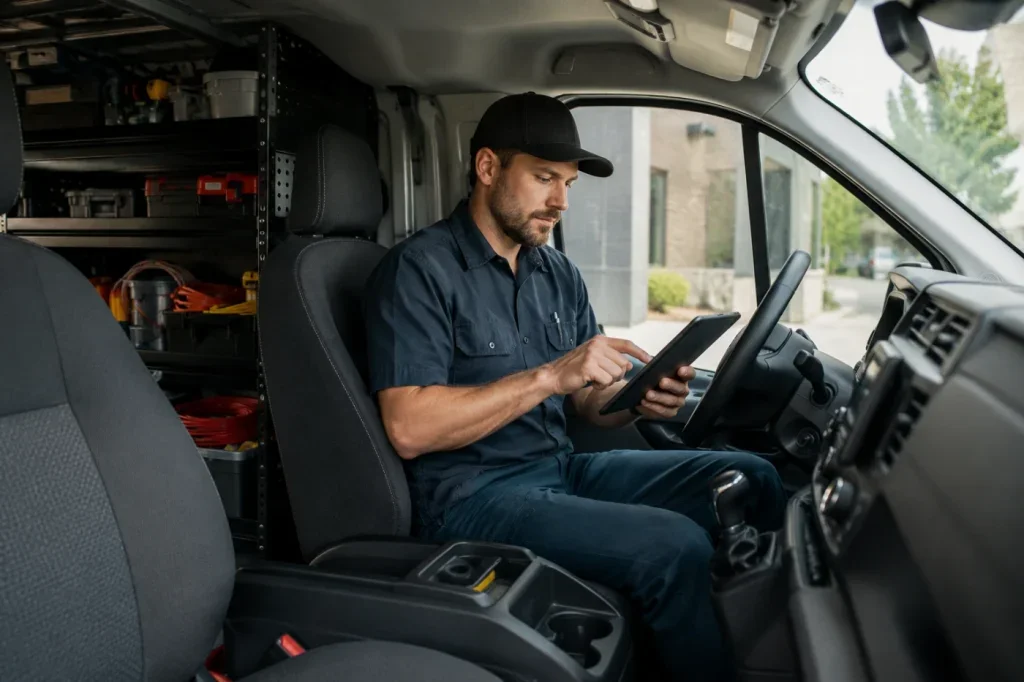
A Service center looking at a commercial fleet vehicle

Trade-In or Sell Private? Getting the Most for Your Retiring Fleet Vehicles

Once a fleet replacement plan identifies a commercial vehicle ready to retire, the next decision is clear: trade it in or sell it privately? Both can work. For Pacific Northwest business owners running HVAC, electrical, plumbing, construction, or delivery operations, the right choice depends on how much your time is worth and how much risk you are willing to carry. The Case for Trading In A trade-in is fast and simple, and it rolls directly into your next commercial vehicle purchase. The dealership handles the paperwork, the appraisal, and the transaction in one visit. The value can often be applied directly against your new work truck or cargo van, which also offers a significant tax advantage in Washington State by reducing the taxable purchase price. For a local contractor or logistics provider whose time is better spent managing crews and running operations than handling a private sale, the convenience of a trade-in often outweighs a marginally higher private sale price. The Case for Selling Private Selling privately typically nets a higher sale price than a trade-in, since you are not selling at wholesale value. The tradeoff is time and effort. You have to list the vehicle, field inquiries from other local tradespeople, schedule viewings, and handle the title transfer paperwork yourself. For a single service van and a patient seller, the price difference can be worth the effort. For a business retiring three or four trucks at once as part of a larger fleet refresh, the time cost of managing multiple private sales often outweighs the price advantage. What Affects the Value Either Way Regardless of which route you choose, a few factors consistently affect what a retiring vehicle is worth: Documented maintenance history Overall mileage relative to its age Condition of the interior cargo area and any upfit equipment Whether branding or wraps need to be removed before sale Vehicles with clean, documented maintenance records consistently sell for more, whether traded in or sold privately, because they reduce the uncertainty a buyer is otherwise pricing into their offer. This is especially true for heavy-use delivery vans and construction trucks. Making the Call If your time is limited, your fleet refresh involves multiple vehicles, or you're prioritizing simplicity, a trade-in is usually the better fit. If you have time, a well-maintained vehicle, and want to maximize sale price on a single unit, selling privately may be worth the extra effort. Getting ready to retire a vehicle from your fleet? Connect with our commercial team at (253) 336-4216 for a trade-in appraisal before you decide. Why Western Washington Fleet Owners Trade With Jet Chevrolet Located in Federal Way along the I-5 corridor, Jet Chevrolet supports fleet customers across Western Washington, including: South Sound & Local: Federal Way, Tacoma, Kent, Auburn, Puyallup, Olympia Greater Seattle & North Sound: Seattle, Bellevue, Renton, Everett, Lynnwood As part of Dinsmore Auto Group, Jet Chevrolet remains family-operated, with a commercial team that gives fair, transparent trade-in appraisals instead of lowball offers designed to be negotiated up. They follow the philosophy: Do More. Save More. Experience MORE. For fleet owners retiring a vehicle, that means a straightforward process that gets you into your next vehicle without the hassle of managing a private sale. Get a trade-in appraisal from a commercial vehicle specialist at (253) 336-4216 today. Final Thoughts Trading in and selling privately both have their place. The right choice comes down to how you value your own time against the price difference, and for many fleet owners managing multiple vehicles, the simplicity of a trade-in wins out.

Section 179 vs. Bonus Depreciation: Which Saves Your Fleet More in 2026?

If you read our breakdown of Section 179, you already know the basics. A growing number of business owners are asking an important question once tax season gets closer: should you use Section 179, bonus depreciation, or both? It's a fair question, and the honest answer is that it depends on your business's specific financial picture this year. Understanding the difference puts you in a much better position to make that call with your tax advisor instead of guessing. What Section 179 Actually Does Section 179 lets you deduct the full purchase price of qualifying vehicles and equipment in the year you put them into service, up to an annual limit set by the IRS. It was built for businesses like yours, ones that depend on real, tangible equipment to operate. The deduction applies dollar for dollar against your taxable income, which makes it especially valuable in a strong revenue year. There's a catch worth knowing. Section 179 has an annual spending cap, and once your total qualifying purchases exceed that cap, the deduction phases out. What Bonus Depreciation Adds Bonus depreciation works differently. Rather than capping the deduction at a set dollar amount, it allows you to deduct a percentage of an asset's cost beyond what Section 179 already covers, and it has no business income limitation. That last point matters more than most owners realize. Section 179 can only be used to reduce your taxable income to zero, it cannot create a net loss. Bonus depreciation can. For a business that had a leaner year financially but still needs to invest in assets, that distinction can be the difference between using the deduction now to offset other income or carrying it forward. It’s important to note though that if you are looking to deploy this strategy by acquiring vehicles, the rules depend heavily on what you buy. For standard passenger cars and light SUVs under 6,000 lbs gross vehicle weight rating (GVWR), the IRS imposes strict luxury auto depreciation caps. Even with bonus depreciation, you cannot write off the full price of a light vehicle upfront. To unlock a full, unlimited first-year deduction and create that strategic tax loss, your business must focus on heavy vehicles, such as commercial trucks, cargo vans, or full-size SUVs with a GVWR over 6,000 lbs. Which One Should You Use With Your Fleet? Most fleet purchases end up using both. A common approach is applying Section 179 first, up to the annual limit, and then applying bonus depreciation to whatever remains. The right mix depends on your income for the year, your growth plans, and whether you'd rather take the deduction now or spread it out. This is exactly the kind of decision worth bringing to your tax professional before you finalize a purchase, not after. The vehicles themselves rarely change. The timing and structure of the purchase can change everything about what you keep at the end of the year. Why Timing Matters for Fleet Buyers Both deductions require the vehicle to be purchased and placed into service before the end of the tax year. Waiting until December to start the conversation often means waiting until next year to get the vehicle. Have a target purchase in mind for this year? Call our commercial team at (253) 336-4216 to check current inventory and timelines so a tax decision doesn't get derailed by a vehicle that isn't on the lot yet. Why Western Washington Business Owners Work With Jet Chevrolet When you are expanding your fleet to optimize your fiscal planning, you need a partner with the inventory depth to match your timeline. Jet Chevrolet provides extensive regional pool-stock availability, ensuring you can secure the heavy commercial vehicles your business requires before the tax year closes. Located in Federal Way directly along the I-5 corridor, Jet Chevrolet provides efficient solutions to businesses within an hour's drive of the Seattle-Tacoma metropolitan area. This location serves commercial clients across Western Washington, including: South Sound & Local: Federal Way, Tacoma, Kent, Auburn, Puyallup, Olympia Greater Seattle & North Sound: Seattle, Bellevue, Renton, Everett, Lynnwood As part of Dinsmore Auto Group, Jet Chevrolet is locally owned and family operated, and that ownership stays involved in the day-to-day relationship with commercial customers, not just the transaction. Their philosophy remains: Do More. Save More. Experience MORE. For fleet buyers navigating tax timing, that means a team that helps you plan the purchase around the deduction, not the other way around. Talk through your specific situation with a commercial vehicle expert at (253) 336-4216 before your purchase window closes. Final Thoughts Section 179 and bonus depreciation are both powerful tools, and neither one is automatically the better choice. The right answer depends on your income, your growth plans, and how much of the deduction you want to use this year versus later. What doesn't change is the importance of having the vehicle in hand before the calendar runs out. A smart tax strategy and a smart fleet strategy are usually the same conversation. Disclaimer This article is intended for informational purposes only and should not be considered tax, accounting, or legal advice. Tax laws frequently change, and eligibility for Section 179 deductions or other tax benefits depends on individual circumstances. Business owners should always consult their CPA, tax advisor, or financial professional regarding current regulations and how they apply to their specific situation.

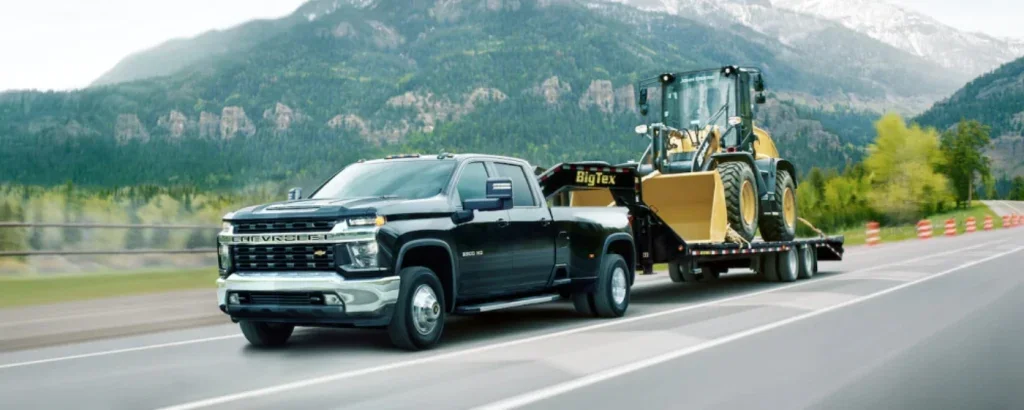
A Cargo Van, Pickup Truck, and Box Truck Commercial Fleet Vehicles

Cargo Van vs. Pickup Truck vs. Box Truck: Which Trade Needs Which Vehicle?

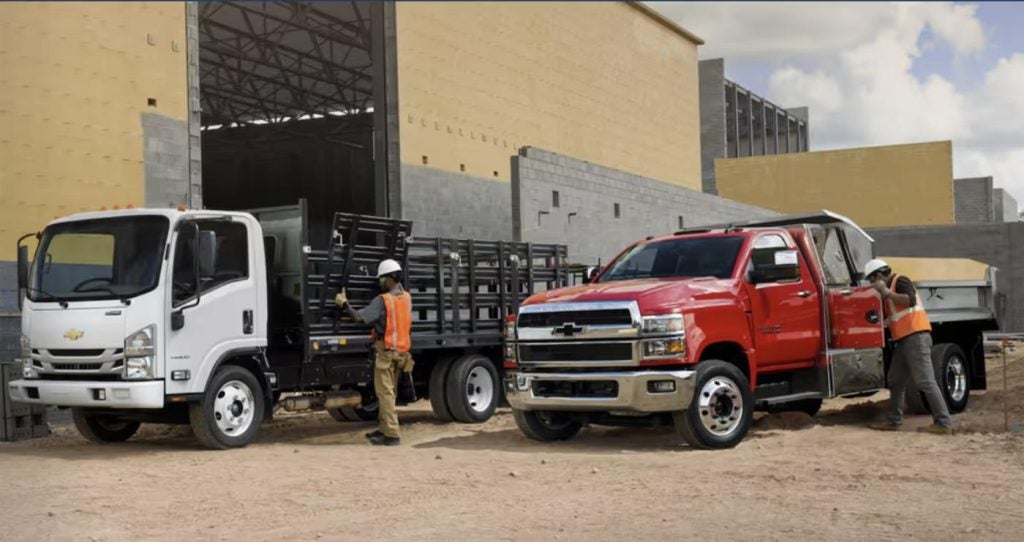
Every trade business eventually asks the same question: which vehicle actually fits the work? The answer isn't universal, and the wrong choice quietly costs efficiency every single day, even when the vehicle itself runs perfectly. Cargo Vans Cargo vans excel at secure, organized, weatherproof storage. Tools and inventory stay locked away from job sites and out of the rain, which matters constantly in Western Washington. Vans also offer a clean, branded exterior that doubles as moving advertising for your business. Electricians, plumbers, and HVAC technicians carrying a high volume of small parts, tools, and equipment tend to get the most value from a van. The enclosed, organized space reduces time spent searching for materials and protects expensive equipment from theft. Pickup Trucks Pickup trucks win when the job requires hauling bulky materials, towing equipment, or working in rough terrain that a van's lower ground clearance can't handle. Trucks also offer faster loading and unloading for jobs that don't require secured, weatherproof storage. Landscaping companies, general contractors, and businesses regularly towing trailers or hauling lumber, pipe, or equipment typically lean toward trucks. The visible cargo bed makes loading bulky items faster, even though it offers less protection from weather and theft than an enclosed van. Box Trucks Box trucks step in once cargo volume outgrows what a van or truck can reasonably carry. Larger jobs, equipment-heavy trades, and businesses transporting appliances, fixtures, or significant material volume often graduate to a box truck as the business scales. The tradeoff is size and maneuverability. Box trucks are harder to navigate in tight residential job sites and require a different driving comfort level than a van or pickup. Matching the Vehicle to the Work Ask yourself what the vehicle spends most of its time doing. Carrying small tools and parts points toward a van. Hauling bulky materials or towing points toward a truck. Moving large volumes of equipment or inventory points toward a box truck. Many growing fleets end up running a mix, matching each vehicle to the role it plays rather than standardizing on one type for every job. Not sure which configuration fits your operation? Call our commercial team at (253) 336-4216 to talk through your daily workload and find the right match. Why Western Washington Trade Businesses Choose Jet Chevrolet Located in Federal Way directly along the I-5 corridor, Jet Chevrolet provides efficient solutions to businesses within an hour's drive of the Seattle-Tacoma metropolitan area. This location serves commercial clients across Western Washington, including: South Sound & Local: Federal Way, Tacoma, Kent, Auburn, Puyallup, Olympia Greater Seattle & North Sound: Seattle, Bellevue, Renton, Everett, Lynnwood As part of Dinsmore Auto Group, Jet Chevrolet is locally owned and family operated, and that ownership stays involved in the day-to-day relationship with commercial customers, not just the transaction. Their philosophy remains: Do More. Save More. Experience MORE. For trade businesses choosing between vans, trucks, and box trucks, that means a partner who matches the vehicle to your work, not the other way around. Discuss your daily workload with a commercial vehicle specialist at (253) 336-4216 and find the right fit for your trade. Final Thoughts There's no single best vehicle for every trade business. There's only the vehicle that's best for the work you do most often. Get that match right, and your team spends less time fighting the vehicle and more time getting the job done.

An example of branding on a commercial fleet vehicle

Fleet Branding: Why Your Work Trucks Are Your Best (and Cheapest) Marketing

Every fleet vehicle on the road is already advertising your business, whether you intended it to or not. A clean, branded van builds trust before a technician ever knocks on the door. An unmarked, unkempt one quietly raises doubt. The Math Behind Fleet Branding A single branded vehicle generates thousands of visual impressions every day that it's on the road, parked at a job site, or sitting in a customer's driveway. Compared to traditional advertising costs, a one-time vinyl wrap investment delivers ongoing exposure for years at a fraction of the cost per impression. Unlike a digital ad that disappears the moment a customer scrolls past, a wrapped vehicle keeps working for your business every time it's parked, driven, or seen by a neighbor wondering who did the work next door. What Makes Fleet Branding Effective Effective fleet branding is simple, legible, and consistent. A logo, phone number, and core service offering visibility at a glance work better than a cluttered design crammed with every service you offer. Consistency across the fleet matters just as much. Customers should be able to recognize your brand whether they're looking at one truck or five. Branding Fleets Builds Trust Beyond Marketing A consistent, professional-looking fleet also affects how customers perceive the work itself before a single tool comes out of the van. A clean, branded vehicle signals an established, reliable business. A mismatched or unmarked fleet, even with excellent work behind it, can quietly undercut that first impression. The same consistency benefits your team internally. A standardized, branded fleet is easier to recognize, easier to dispatch, and reinforces a sense of professional identity across your crew. Getting Started Vehicle wraps, door magnets, and simple lettering all offer different levels of investment and permanence. Newer vehicles or leased fleets sometimes start with removable options, while owned, long-term fleet vehicles often justify a full wrap. Thinking about branding your fleet or refreshing an outdated look? Give us a call at (253) 336-4216 and we'll connect you with local resources to get your vehicles looking as professional as your work. Why Western Washington Businesses Build Their Brand With Jet Chevrolet Located in Federal Way along the I-5 corridor, Jet Chevrolet supports fleet customers across Western Washington, including: South Sound & Local: Federal Way, Tacoma, Kent, Auburn, Puyallup, Olympia Greater Seattle & North Sound: Seattle, Bellevue, Renton, Everett, Lynnwood Dinsmore Auto Group is locally owned and family operated. Ownership remains actively involved in the business, and supporting local businesses throughout the communities they serve remains a core part of their mission. They embrace the philosophy: Do More. Save More. Experience MORE. For businesses investing in their image, that means a partner who sees your fleet the way your customers do, as a direct reflection of your brand. Talk to a commercial vehicle specialist at (253) 336-4216 about building a fleet that markets your business every time it's on the road. Final Thoughts Your fleet is already advertising your business. The only question is whether it's doing that job well. A clean, consistent, branded fleet costs less than most marketing and works harder than almost any other investment you'll make.

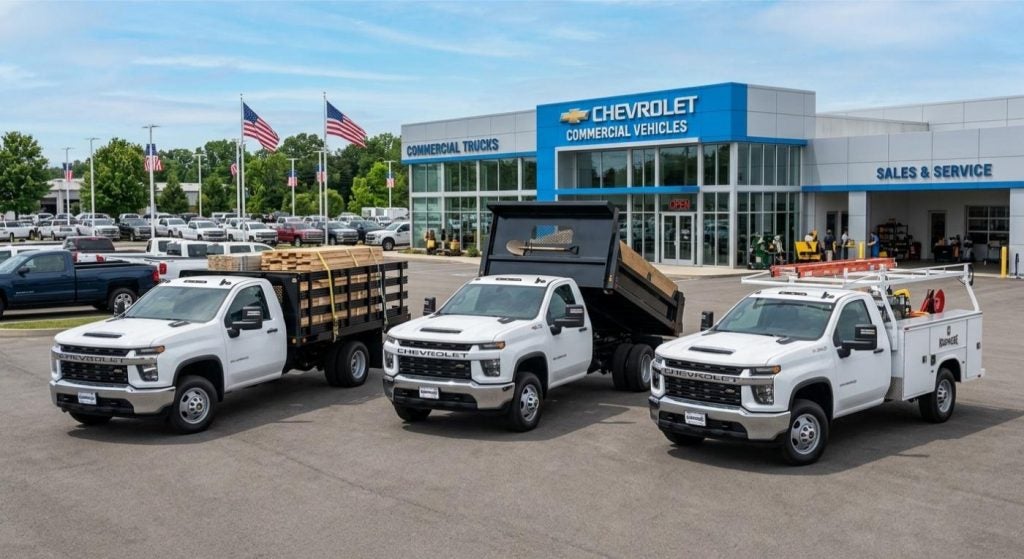
Shelving, Ladder Racks, and Toolboxes in a commercial fleet vehicle

Upfitting 101: Shelving, Ladder Racks, and Toolboxes That Pay for Themselves

A vehicle straight off the lot is a starting point, not a finished work truck. Upfitting- the shelving, racks, and storage systems added after purchase- is often the difference between a van that helps your technicians and one that just hauls them to the job site. Why Organization Is a Productivity Tool, Not a Luxury Every minute a technician spends searching for a part or tool is a minute not spent on the job. Properly upfitted vehicles with labeled, accessible storage cut that search time dramatically, and the savings compound across every technician, every day, for the life of the vehicle. The math is straightforward: a technician who saves fifteen minutes a day through better organization gains roughly an hour back across a standard work week. Multiply that across a full fleet, and the upfit pays for itself far faster than most owners expect. Interior Shelving and Bins Shelving systems keep small parts, fasteners, and frequently used tools organized and visible. Labeled bins reduce the guesswork of digging through a disorganized cargo area, and adjustable shelving lets you reconfigure the space as your inventory needs change. Ladder Racks and Exterior Storage For trades that haul ladders, pipe, conduit, or long materials, exterior racks free up interior cargo space while keeping bulky items secured and out of the way. A properly mounted rack also protects the vehicle's roof and paint from the wear that comes with loading long materials by hand. Toolboxes and Lockable Storage Lockable toolboxes, whether interior or truck bed mounted, protect higher value equipment from theft, a real concern for fleet vehicles parked on job sites or overnight. Secure storage also keeps tools organized in a fixed location, so technicians spend less time hunting for what they need. Does It Pay for Itself? In most cases, yes. Reduced search time, fewer lost or damaged tools, lower theft risk, and a more professional appearance on every job site combine to make upfitting one of the higher return investments a fleet owner can make. Looking to upfit a new vehicle or retrofit your current fleet? Reach out to our commercial team at (253) 336-4216 to discuss upfit options that fit your trade. Why Western Washington Trade Businesses Upfit Through Jet Chevrolet As part of Dinsmore Auto Group, Jet Chevrolet remains family-owned and operated, with a commercial team that understands which upfit choices actually improve daily efficiency for your specific trade. Their philosophy remains: Do More. Save More. Experience MORE. For fleet owners investing in upfits, that means a partner who helps you choose storage solutions that earn their keep, not ones that just look good on the lot. Located in Federal Way directly along the I-5 corridor, Jet Chevrolet supports trade businesses within an hour's drive of the Seattle-Tacoma metropolitan area. This location serves commercial clients across Western Washington, including: South Sound & Local: Federal Way, Tacoma, Kent, Auburn, Puyallup, Olympia Greater Seattle & North Sound: Seattle, Bellevue, Renton, Everett, Lynnwood Talk through upfit options with a commercial vehicle expert at (253) 336-4216 and start getting more out of every vehicle in your fleet. Final Thoughts The vehicle gets your team to the job. The upfit determines how efficiently they work once they're there. A well-organized van isn't a cosmetic upgrade. It's a daily productivity tool that pays for itself in time saved and tools protected.

An Employee packing tools into a fleet vehicle

The Hidden Cost of a Mismatched Fleet: How the Wrong Vehicle Quietly Drains Profit

A vehicle doesn't need to break down to cost your business money. A vehicle that's simply the wrong fit for the work - too small, too large, or poorly configured - drains profit every single day it's in service, quietly enough that most owners never notice. What a Mismatch Actually Looks Like A mismatch isn't always obvious. It might be a cargo van too small for the equipment a technician now carries after the business added a new service line. It might be a pickup truck used for jobs that really call for enclosed, secure storage. It might be a fleet of identical vehicles assigned to roles that actually need different configurations. In every case, the symptom looks the same. Technicians spend extra time working around the vehicle's limitations instead of getting the job done efficiently. Where the Profit Actually Disappears The cost shows up in small increments that are easy to miss individually. A technician making an extra trip back to the shop because the van couldn't carry everything needed for the job. A delayed start because equipment had to be repositioned to fit. A missed opportunity because the vehicle on hand wasn't suited for a larger job that came in. None of these show up as a single, identifiable expense, but together, across a fleet and a full year, they add up to real, recoverable profit. Applying the 80/20 Lens to Your Fleet The same principle that applies to customer profitability applies here. A small number of mismatched vehicles often account for a disproportionate share of lost efficiency across your entire fleet. Identifying which vehicles those are, rather than assuming the whole fleet needs an overhaul, is usually the faster and cheaper fix. Start by asking which vehicles get the most complaints, the most workaround requests, or the most unscheduled trips back to the shop for supplies. That short list is usually where the real cost is hiding. Auditing Your Fleet for Mismatches A simple internal audit, asking each technician what slows them down about their current vehicle, often surfaces mismatches owners had no idea existed. The fix is sometimes as straightforward as swapping configurations between two vehicles already in the fleet. To make this audit effective, you need to document what each technician tells you. We built a printable worksheet to track complaints, workarounds, and missed opportunities vehicle by vehicle, making patterns across your fleet easy to spot instead of easy to forget. If you suspect a mismatch is costing your business more than you realize, or if you want an expert eye to review your audit findings, call our commercial team at (253) 336-4216. We will help you evaluate whether your current fleet actually fits the work it is doing. Why Western Washington Businesses Trust Jet Chevrolet to Get the Fit Right Located in Federal Way along the I-5 corridor, Jet Chevrolet supports fleet customers across Western Washington, including: South Sound & Local: Federal Way, Tacoma, Kent, Auburn, Puyallup, Olympia Greater Seattle & North Sound: Seattle, Bellevue, Renton, Everett, Lynnwood Dinsmore Auto Group is a locally owned, family-operated business whose hands-on leadership prioritizes supporting communities and local businesses. They live by a simple philosophy: Do More. Save More. Experience MORE. As part of this group, Jet Chevrolet maintains that same family-operated commitment. Their commercial team focuses entirely on matching the right vehicle to your actual workload rather than just moving inventory. For business owners auditing a fleet, this means gaining a genuine partner dedicated to uncovering hidden inefficiencies, not just selling another truck. Schedule a fleet fit assessment with a commercial vehicle expert at (253) 336-4216. Final Thoughts The most expensive vehicle in your fleet isn't always the one that's broken down. Sometimes it's the one quietly working against your team every day. A fleet audit costs nothing but a conversation, and it often uncovers profit that's been sitting in plain sight.

Contact Us

Fill out this form below and we'll contact you shortly
*Required Fields