




Signs Your Business Is Ready to Grow
For many business owners, hiring another employee feels like a leap of faith.
Whether you operate a plumbing company in Tacoma, an HVAC business in Kent, an electrical contracting company in Bellevue, or a construction company serving the greater Seattle-Tacoma area, there comes a point when the workload starts to outgrow the team.
The question becomes:
Do we hire now, or wait?
Unfortunately, many businesses make the wrong decision. Some hire too early and create financial strain. Others wait too long and miss growth opportunities.
The goal isn’t simply adding employees, it’s adding employees at the right time.
Here are seven signs your business may be ready to grow.
Sign #1: You’re Turning Away Work
This is often the clearest indicator.
If your company regularly tells customers:
- “We’re booked out.”
- “We can’t get there until next week.”
- “We don’t have availability.”
you may have a capacity issue.
Occasional scheduling challenges are normal, consistently turning away profitable work may indicate that demand is exceeding your current resources.
Many business owners become accustomed to being busy.
The better question is:
How much business are we unable to accept?
Lost opportunities often represent future growth potential.
Sign #2: Overtime Has Become the Standard
Most companies occasionally use overtime.
However, when overtime becomes the normal operating model, problems often follow.
Extended overtime can lead to:
- Employee burnout
- Higher labor costs
- Increased mistakes
- Lower morale
- Higher turnover
If your technicians consistently work extended hours just to keep up, additional staffing may be worth evaluating.
Sometimes adding one employee reduces costs more than continuing excessive overtime.
Sign #3: Customer Response Times Are Slipping
Customers notice delays.
A company that once responded quickly may gradually become slower as demand increases.
Signs include:
- Longer scheduling windows
- Increased callback times
- Delayed estimates
- Missed opportunities
Customer expectations have changed significantly, in today’s market, responsiveness often influences buying decisions.
If growth is affecting customer experience, it may be time to evaluate capacity.
Sign #4: Your Best Employees Are Feeling the Pressure
Many business owners focus on workload, but successful owners pay attention to people.
Watch for signs such as:
- Increased frustration
- Fatigue
- Reduced engagement
- More mistakes
- Lower productivity
High-performing employees often carry additional responsibilities when companies become busy.
Unfortunately, that isn’t sustainable forever.
Protecting your best employees is often one of the smartest growth strategies available.
Sign #5: Revenue Is Growing Consistently
Hiring based on one busy month can be risky. Hiring based on a clear growth trend is different.
Look for patterns.
Questions to ask:
- Has revenue increased consistently?
- Has demand remained strong?
- Are we seeing growth across multiple service areas?
- Do we have repeatable lead sources?
Growth supported by reliable demand is often a stronger indicator than short-term spikes.
Sign #6: The Owner Has Become the Bottleneck
This is extremely common.
Many businesses reach a point where everything flows through the owner.
The owner is:
- Estimating jobs
- Managing employees
- Handling customer issues
- Scheduling work
- Purchasing materials
Eventually there simply aren’t enough hours in the day.
If growth depends entirely on the owner’s availability, additional team members may help create capacity.
Many successful businesses grow when owners transition from doing the work to leading the business.
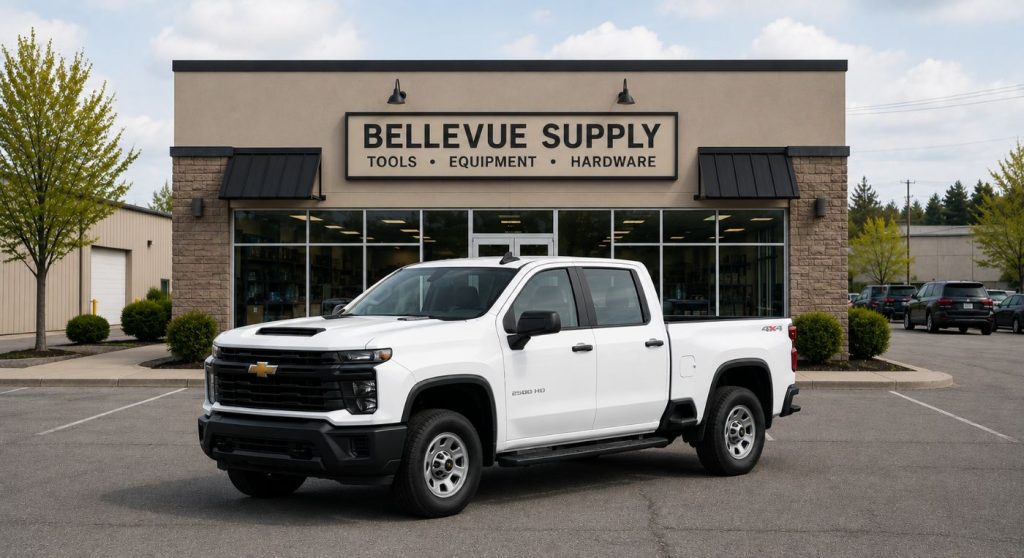
Scaling your team means giving your next high-performing technician the tools and transport they need to represent your brand flawlessly on day one.
Calculate your growth & upfit needs and call our commercial team at (253) 336-4500 to see how we can align your vehicle acquisition with your upcoming hiring timeline.
Sign #7: You Have a Plan for the New Employee
One of the biggest hiring mistakes occurs when businesses hire because they feel overwhelmed.
A better approach is asking:
What exactly will this person do?
Successful hiring plans typically include:
- Defined responsibilities
- Expected outcomes
- Training processes
- Equipment requirements
- Revenue expectations
The more clearly a role is defined, the greater the likelihood of success.
The Cost of Waiting Too Long
Many owners worry about hiring too early. Far fewer consider the cost of hiring too late.
Delaying growth can result in:
- Lost customers
- Missed opportunities
- Employee burnout
- Reduced service quality
- Slower revenue growth
Sometimes the biggest risk isn’t adding capacity but failing to add it when needed.
The Fleet Question Most Owners Forget
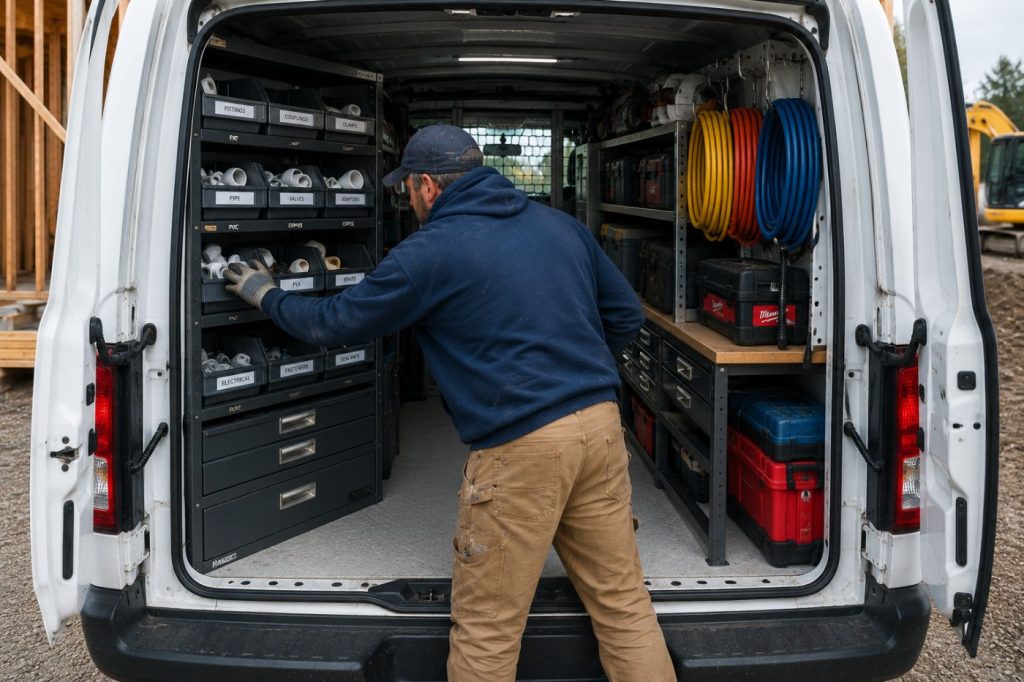
When evaluating growth, many companies think about payroll but forget about equipment.
A new technician often requires:
- Tools
- Safety equipment
- Technology
- Transportation
Businesses that plan growth effectively often evaluate all resource needs together,because the goal is ensuring new employees can be productive from day one.
Why Sustainable Growth Wins
Many business owners admire rapid growth.
The reality is that sustainable growth is often more valuable.
Sustainable growth allows businesses to:
- Maintain quality
- Protect cash flow
- Support employees
- Deliver excellent customer experiences
Growth supported by planning and systems creates long-term success.
Questions Every Business Owner Should Ask
Before hiring, consider:
- Do we have enough work?
- Can we support another employee financially?
- Do we have the tools and resources they need?
- Will this improve customer experience?
- Will this reduce pressure on the existing team?
- Can we keep this person busy six months from now?
The answers often reveal whether the timing is right.
Lessons From Successful Businesses
Many successful companies throughout Western Washington share common characteristics.
They don’t hire based on emotion.
They hire based on:
- Demand
- Capacity
- Planning
- Opportunity
They understand that growth is not simply about getting bigger.
It’s about becoming stronger.
Supporting Local Businesses Across Western Washington
At Jet Chevrolet in Federal Way, conversations with business owners frequently involve growth planning.
Contractors, service companies, and fleet managers often discuss:
- Hiring
- Expansion
- Capacity
- Operational efficiency
As a locally owned and family-operated member of the Dinsmore Auto Group, the team understands that growing a business requires balancing opportunity with discipline.
The Dinsmore philosophy is simple:
Do More. Save More. Experience MORE.
For business owners, that often means helping create systems that support sustainable growth rather than reactive decision-making.
Let’s work together to design a fleet strategy that perfectly supports your hiring goals and matches your cash flow.
Schedule Your Growth Strategy Consultation or connect directly with a Jet Chevrolet fleet specialist today at (253) 336-4216.
Final Thoughts
Hiring another technician is one of the most important decisions a business owner can make.
The right hire can increase revenue, improve customer service, reduce employee burnout, and create new opportunities. The wrong timing can create unnecessary stress.
The key is looking beyond today’s workload and evaluating long-term capacity, demand, and business goals.
Because successful growth isn’t about adding employees as fast as possible.
It’s about adding the right people at the right time for the right reasons.
Section 179 Explained: What Seattle-Tacoma Business Owners Should Know Before Purchasing Fleet Vehicles

For many business owners throughout the Puget Sound from Seattle to Tacoma to the surrounding Puget Sound region, purchasing a new fleet vehicle is often viewed as an expense.
In reality, it may also represent a valuable tax-planning opportunity.
One of the most commonly discussed tax provisions among business owners purchasing commercial vehicles is Section 179.
While every company’s situation is unique and business owners should always consult their CPA or tax advisor, understanding the basics of Section 179 can help you make more informed decisions when evaluating fleet vehicles.
Regardless of whether you own a plumbing company, landscaping company, delivery service, or another type of business, this guide will help explain why so many business owners discuss Section 179 when planning fleet purchases.
What Is Section 179?
Section 179 is a provision within the U.S. tax code that may allow businesses to deduct the cost of qualifying equipment and vehicles placed into service during the tax year.
Rather than depreciating certain business assets over multiple years, qualifying businesses may be able to deduct some or all of the purchase price in the year the asset is placed into service.
For many businesses, this can create a significant tax advantage.
However, tax laws change regularly, and eligibility depends on many factors, which is why working with a qualified tax professional is essential.
Why Business Owners Pay Attention to Section 179
Many businesses depend on vehicles to generate revenue.
When a plumbing company purchases a service van, that van helps technicians complete service calls.
When an HVAC contractor adds trucks to the fleet, those vehicles help crews reach customers.
When an electrical contractor expands operations, fleet vehicles often support business growth.
Section 179 may allow qualifying businesses to invest in equipment needed to grow while potentially reducing taxable income.
Again, your CPA or tax advisor is the best source for determining whether your business qualifies and how current tax laws apply to your situation.
Businesses That Often Discuss Section 179
Many industries commonly evaluate Section 179 opportunities, including, but not limited to:
- Plumbing companies
- HVAC contractors
- Electrical contractors
- Construction companies
- Roofing contractors
- Landscaping businesses
- Restoration companies
- Delivery services
- Municipal contractors
- Manufacturing companies
- Service-based businesses
For many of these companies, fleet vehicles represent one of their largest operational investments.
What Types of Vehicles May Qualify?
Many commercial vehicles may qualify under current tax regulations. Examples often include:
Cargo Vans
Cargo vans are popular among:
- Plumbers
- Electricians
- HVAC companies
- Delivery businesses
- Service contractors
The Chevrolet Express Cargo Van remains a common fleet choice because of its versatility, durability, and upfit potential.
Heavy-Duty Pickup Trucks
Businesses frequently utilize:
- Chevrolet Silverado 2500 HD
- Chevrolet Silverado 3500 HD
These trucks often support:
- Construction projects
- Towing equipment
- Commercial contracting operations
- Utility work
Chassis Cab Trucks
Many companies rely on chassis cab vehicles equipped with:
- Service bodies
- Utility bodies
- Flatbeds
- Specialized equipment
Medium-Duty Commercial Trucks
Larger businesses may operate:
- Silverado 4500
- Silverado 5500
- Low Cab Forward trucks
These vehicles often serve specialized commercial applications.
Every vehicle category has unique requirements and potential tax implications, making professional tax guidance critical.
Timing Can Matter
One of the most common conversations business owners have with their CPA involves timing.
For example:
- Should a vehicle be purchased this year?
- Would replacing an aging truck now provide benefits?
- Does it make sense to expand the fleet before year-end?
These decisions are highly individualized.
However, many business owners should begin evaluating fleet needs well before the end of the year to allow sufficient time for planning and reduce vehicle availability.
Ready to maximize your tax advantages? Contact our commercial vehicle specialists at (253) 336-4216 today to analyze your operational needs and build a strategic acquisition plan for your business.
The Hidden Cost of Delaying Fleet Upgrades
Tax planning is important, but it’s only one part of the equation.
Many business owners focus exclusively on deductions while overlooking the costs associated with aging vehicles. Those costs may include:
Higher Maintenance Expenses
As vehicles age, repair costs often increase. Major repairs can quickly erase any perceived savings gained from postponing replacement.
Increased Downtime
Older vehicles typically require more repairs, and unexpected breakdowns can lead to:
- Missed appointments
- Delayed projects
- Frustrated customers
- Lost revenue
Lower Productivity
Newer vehicles frequently offer:
- Improved reliability
- Better technology
- Enhanced safety features
- Greater efficiency
For businesses operating throughout the busy Seattle-Tacoma corridor, these advantages can improve daily operations.
Looking Beyond the Monthly Payment
Many business owners evaluate vehicles based primarily on monthly payment, and while this payment matters, successful fleet managers often focus on total cost of ownership.
This includes:
- Maintenance costs
- Repair expenses
- Fuel consumption
- Downtime
- Resale value
- Productivity gains
Sometimes a newer vehicle with a higher payment actually costs less to operate over time.
Why Commercial Vehicle Inventory Matters
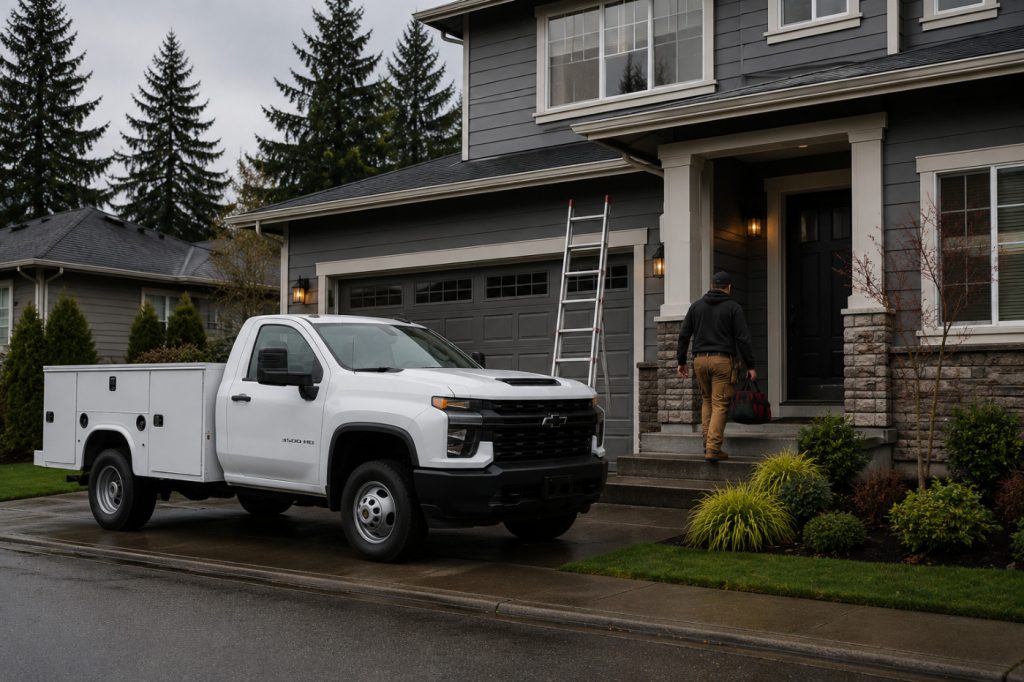
One challenge many businesses face is finding the right vehicle when they need it.
Fleet vehicles often require:
- Specific configurations
- Cargo capacity
- Towing capability
- Upfit compatibility
- Commercial applications
Having access to a large commercial inventory can simplify the purchasing process. Instead of waiting months for a vehicle, business owners may have immediate access to options that fit their needs.
Supporting Local Businesses Across Western Washington
Located in Federal Way directly along the I-5 corridor, Jet Chevrolet provides efficient solutions to businesses within an hour’s drive of the Seattle-Tacoma metropolitan area.
This location serves commercial clients across Western Washington, including:
- South Sound & Local: Federal Way, Tacoma, Kent, Auburn, Puyallup, Olympia
- Greater Seattle & North Sound: Seattle, Bellevue, Renton, Everett, Lynnwood
As part of Dinsmore Auto Group, Jet Chevrolet operates under a simple philosophy:
Do More. Save More. Experience MORE.
The Dinsmore family remains actively involved in the business and committed to supporting local businesses that help strengthen our communities.
From plumbing contractors and HVAC companies to construction firms and delivery services, helping local businesses succeed is an important part of that commitment.
Align your vehicle acquisitions with your fiscal goals. Reach out to the commercial team at Jet Chevrolet at (253) 336-4216 to explore tailored fleet strategies and experience the competitive advantages of the Dinsmore Auto Group philosophy.
Important Tax Disclaimer
This article is intended for informational purposes only and should not be considered tax, accounting, or legal advice. Tax laws frequently change, and eligibility for Section 179 deductions or other tax benefits depends on individual circumstances.
Business owners should always consult their CPA, tax advisor, or financial professional regarding current regulations and how they apply to their specific situation.
Final Thoughts
For many business owners, fleet vehicles are far more than transportation.
They are revenue-generating assets that help companies serve customers, grow operations, and support long-term success.
When evaluating new cargo vans, heavy-duty trucks, chassis cabs, or commercial vehicles, understanding potential tax implications may be an important part of the conversation.
The most successful business owners often approach fleet purchases strategically, considering not only the vehicle itself but also productivity, operating costs, growth plans, and guidance from trusted advisors.
Because when your fleet is working harder for your business, your business is better positioned to do more, save more, and experience more.
Take a strategic approach to your next commercial acquisition. Contact Jet Chevrolet today at (253) 336-4216 to discuss your business’s vehicle utility needs and secure the assets necessary to drive your operations forward.

Many business owners don’t like hearing that statement.
But for many growing companies throughout Seattle, Tacoma, Federal Way, Kent, Auburn, Renton, Bellevue, Everett, and Western Washington, it’s true.
The owner is:
- Taking customer calls
- Handling scheduling
- Solving employee issues
- Managing vendors
- Approving purchases
- Quoting jobs
- Putting out fires
The business may be generating revenue.
It may even be growing.
But if everything depends on one person, growth eventually hits a ceiling.
One of the biggest transitions a business owner must make is moving from being the person who does the work to the person who builds the system.
The Trap Most Business Owners Fall Into
Most companies start with a skilled technician.
A great plumber starts a plumbing company. A talented electrician launches an electrical business. An experienced HVAC technician opens their own shop.
At first, this works well.
The owner is the best employee, the most experienced technician, the smoothest salesperson, the primary problem solver.
Then the company grows, and the same strengths that created success begin limiting growth.
Why Growth Becomes Harder
Many owners believe growth will make things easier. Often the opposite happens.
The business gets:
- More customers
- More employees
- More vehicles
- More paperwork
- More complexity
Without systems, every new customer and every new employee increases pressure on the owner until eventually the owner becomes the bottleneck.
Signs You May Be the Bottleneck
Ask yourself:
- Can employees make decisions without me?
- Can jobs be scheduled without me?
- Can customers get answers without me?
- Can purchasing happen without me?
- Could I take two weeks off tomorrow?
Most owners know the answer immediately.
If the answer is no, the business is probably too dependent on one person.
The Real Cost of Being Involved in Everything

Many owners take pride in being involved, and it’s understandable, the business is personal, however, involvement often becomes expensive.
Every time an employee must wait for approval: Work slows down.
Every time the owner solves a problem someone else could solve: Capacity shrinks.
Every time a decision must flow through one person: Growth becomes harder.
The goal is not to become uninvolved, it’s to become strategically involved.
Systems Create Freedom
The word “systems” sounds boring, however, systems create consistency which brings scalability.
Examples include:
Hiring Systems
- How do you recruit?
- How do you interview?
- How do you onboard?
Customer Service Systems
- How are calls handled?
- How are complaints resolved?
- How are follow-ups managed?
Fleet Systems
- How are vehicles assigned?
- How is maintenance tracked?
- How are replacement decisions made?
The businesses that scale successfully often have clear answers to these questions.
Why Employees Need Systems
Many owners become frustrated when employees don’t perform tasks exactly as expected. The question is: Have those expectations been documented?
Employees cannot consistently follow processes that only exist in the owner’s head.
When systems are documented:
- Training improves
- Accountability improves
- Performance improves
The business becomes less dependent on memory and more dependent on process.
The Power of Standard Operating Procedures

Many successful businesses create simple Standard Operating Procedures (SOPs).
These are not complex manuals, they’re often simple checklists.
Examples include:
New Customer Procedure
- Step 1
- Step 2
- Step 3
Vehicle Maintenance Procedure
- Step 1
- Step 2
- Step 3
Job Completion Procedure
- Step 1
- Step 2
- Step 3
Simple systems often outperform complicated ones.
Why This Matters for Growth
Imagine two companies.
Company A relies entirely on the owner. Company B operates using documented systems.
- Which company can add employees more easily?
- Which company can expand into new markets?
- Which company can maintain consistency?
Systems don’t eliminate challenges, they reduce dependency. When you do that, you create growth opportunities.
The Vacation Test
One of the simplest business assessments is what many consultants call the Vacation Test.
Ask yourself:
Could I leave for two weeks without creating major problems?
Not because you want to. Because it’s a useful measurement.
If the business cannot function without daily intervention from the owner, that often reveals opportunities for improvement.
What Successful Owners Focus On
As businesses grow, many successful owners shift their focus.
They spend less time: Working in the business.
And more time: Working on the business.
That includes:
- Strategy
- Hiring
- Culture
- Financial planning
- Growth initiatives
- Process improvement
These activities often create far more value than solving day-to-day operational issues.
The Difference Between Busy and Productive
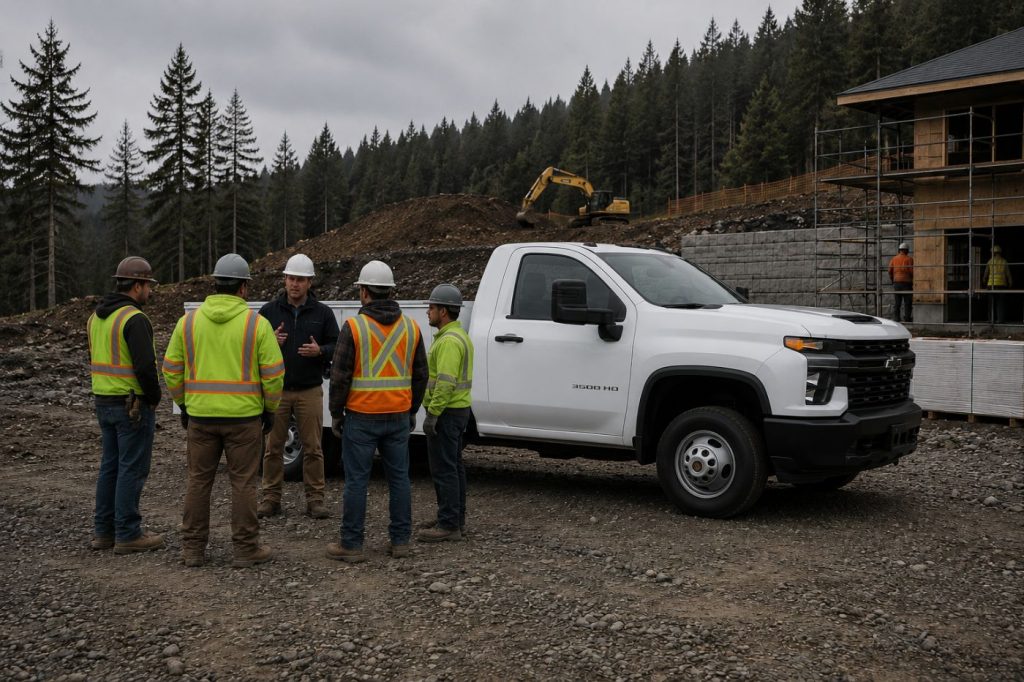
Many owners are incredibly busy, but that doesn’t always mean they’re productive.
A packed schedule often feels successful, however, constantly solving problems can prevent owners from addressing larger opportunities.
The goal isn’t to be busy.
The goal is to create value.
Sometimes that means stepping back long enough to improve the systems that drive the business forward.
Lessons From Growing Businesses Across Western Washington
Many successful contractors throughout Seattle, Tacoma, Federal Way, Bellevue, Kent, Auburn, Everett, and the surrounding region share a common trait.
They gradually reduce dependence on the owner.
Not because the owner becomes less important, but because the business becomes stronger.
Employees become empowered. Processes become repeatable. Growth becomes sustainable.
Supporting Businesses That Want to Grow
At Jet Chevrolet in Federal Way, conversations with business owners often extend beyond vehicles.
Owners frequently discuss:
- Growth
- Hiring
- Operational challenges
- Efficiency
- Scaling
These are the realities local businesses face every day.
As a locally owned and family-operated member of the Dinsmore Auto Group, the team understands the importance of building businesses that can grow, adapt, and thrive over time.
Their philosophy is simple:
Do More. Save More. Experience MORE.
For many business owners, doing more begins with creating systems that allow the business to operate effectively, whether the owner is present or not.
Take a strategic approach and contact Jet Chevrolet today at (253) 336-4500 to discuss your business’s vehicle utility needs and secure the assets necessary to drive your operations forward.
Final Thoughts
Most businesses begin with a talented individual.
The businesses that achieve long-term success evolve beyond that.
They create systems, develop leaders, document processes, and reduce dependency.
Eventually, they build organizations capable of growing beyond the capacity of any one person.
That’s when a business truly begins to scale.
Because owning a business should create freedom.
Not another job.
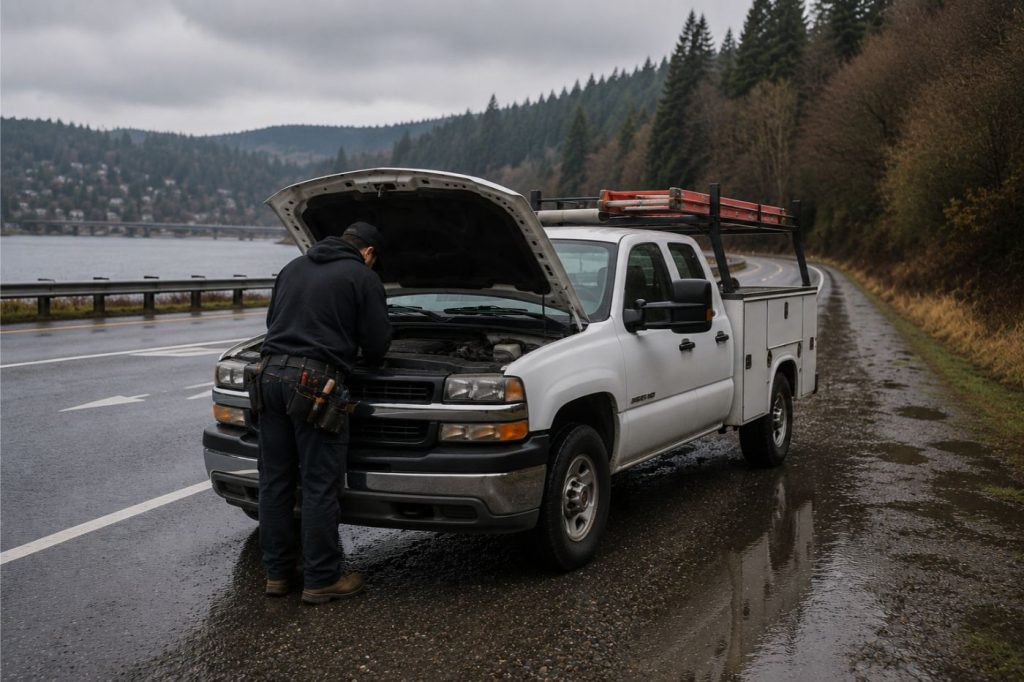
One of the biggest mistakes businesses make is waiting until a vehicle breaks down before replacing it.
It happens every day across the Puget Sound and throughout Western Washington. A work truck starts spending more time in the repair shop. A service van racks up expensive maintenance bills. A vehicle that once helped generate revenue becomes a source of frustration, downtime, and unexpected expenses.
Then the business owner is forced into making a quick decision.
Unfortunately, emergency vehicle purchases rarely lead to the best outcomes.
The most successful companies take a different approach. They build a fleet replacement plan.
Whether you operate a plumbing company, HVAC business, electrical contracting firm, landscaping company, construction company, restoration business, delivery service, or another service-based operation, a fleet replacement strategy can help reduce costs, improve productivity, and support long-term growth.
What Is a Fleet Replacement Plan?
A fleet replacement plan is a proactive strategy that helps business owners determine when vehicles should be replaced before they become a liability.
Rather than waiting for major failures, businesses establish guidelines that help identify the right time to upgrade, retire, or reassign vehicles within the fleet.
The goal is simple: Keep vehicles working for your business, not against it.
Why Fleet Planning Matters
Most business owners focus on vehicle payments.
However, the true cost of a vehicle extends far beyond the monthly payment.
Fleet vehicles impact:
- Employee productivity
- Customer satisfaction
- Service capacity
- Operating expenses
- Downtime
- Maintenance costs
- Business growth
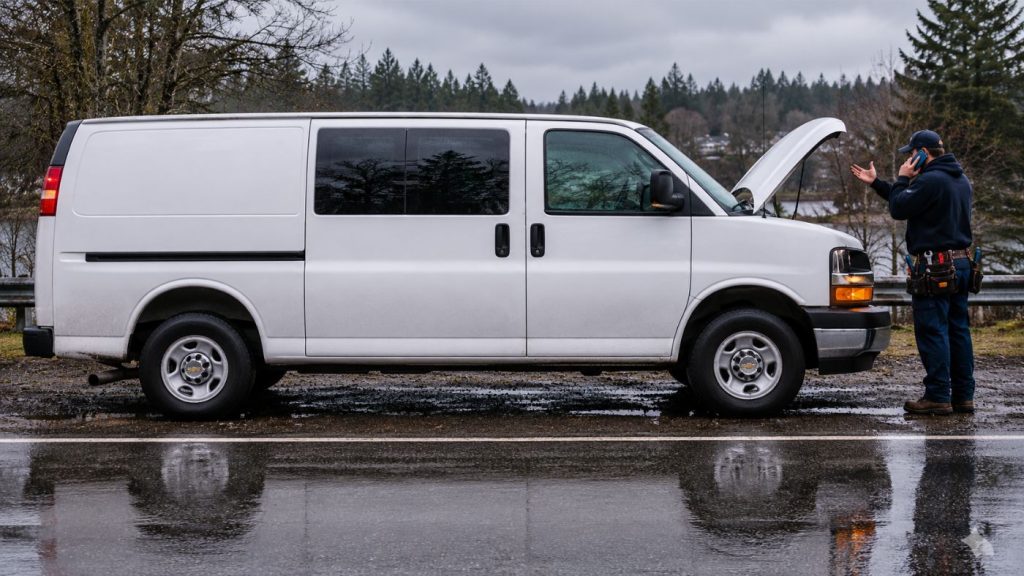
When a service vehicle breaks down unexpectedly, the costs can add up quickly.
You may lose appointments, delay projects, pay for rental vehicles, incur overtime costs, and create scheduling disruptions that affect multiple employees.
A replacement plan helps reduce those risks.
The Hidden Costs of Keeping Vehicles Too Long
Many business owners proudly say:
“We’ve had that truck for 15 years.”
Longevity can be impressive, but age alone isn’t always a good reason to keep a vehicle in service.
Downtime Costs More Than Most Businesses Realize
When a vehicle is unavailable, the business may lose:
- Service calls
- Sales opportunities
- Customer referrals
- Employee productivity
For example:
If a plumbing company generates several hundred dollars per service call and a technician misses multiple appointments due to vehicle issues, the revenue loss can quickly exceed the cost of repairs.
Repair Costs Tend to Accelerate
Vehicle expenses often increase as mileage accumulates.
Common issues include:
- Transmission repairs
- Suspension repairs
- Electrical issues
- Brake system replacements
- Engine repairs
A vehicle that seemed inexpensive to operate can suddenly become very costly.
Employee Frustration
Reliable employees want reliable equipment.
Repeated vehicle issues can impact morale, productivity, and retention.
The best technicians often prefer working for companies that provide dependable tools and vehicles.
Step 1: Establish Vehicle Performance Standards
Every fleet should have measurable standards.
Track information such as:
- Vehicle age
- Mileage
- Repair history
- Downtime incidents
- Maintenance costs
Once you have accurate data, replacement decisions become much easier.
Questions to Ask
- How often is the vehicle being repaired?
- How many days has it been out of service this year?
- Is maintenance becoming increasingly expensive?
- Does the vehicle still meet operational needs?
These answers often reveal whether replacement should be considered.
Step 2: Determine Lifecycle Expectations
Different vehicles serve different purposes.
A residential service van may have a different replacement cycle than a heavy-duty construction truck.
Factors include:
- Annual mileage
- Vehicle type
- Operating conditions
- Towing requirements
- Service territory
Businesses operating throughout the Seattle-Tacoma corridor often experience unique wear due to:
- Heavy traffic
- Frequent stops
- Long drive times
- Diverse weather conditions
Understanding how your vehicles are used helps establish realistic replacement schedules.
Step 3: Evaluate Total Cost of Ownership
One of the biggest fleet management mistakes is focusing only on repair bills. A smarter approach is evaluating total cost of ownership.
This includes:
Direct Costs
- Vehicle payments
- Fuel
- Maintenance
- Repairs
- Insurance
Indirect Costs
- Downtime
- Lost productivity
- Missed appointments
- Administrative disruptions
- Employee frustration
Sometimes replacing a vehicle actually lowers overall operating costs—even when the replacement has a monthly payment.
Step 4: Plan for Growth
Fleet planning isn’t only about replacing vehicles.
It’s also about preparing for future growth.
Ask yourself:
- Will we hire additional technicians next year?
- Will we expand into new markets?
- Will we add service territories?
- Will we take on larger projects?
Business growth often requires additional fleet capacity and planning ahead helps avoid shortages when opportunities arise.
Don’t wait until your new technicians are on payroll to realize your work trucks are weeks away.
Connect with a Jet Chevrolet Specialist or call our commercial experts directly at (253) 336-4500 to map out an inventory pipeline that matches your growth forecasts.
Step 5: Standardize Where Possible
Many successful companies simplify operations by standardizing their fleet.
For example:
A plumbing company may utilize:
- Chevrolet Express Cargo Vans for service technicians
- Silverado 2500 HD trucks for construction crews
- Silverado 3500 HD trucks for towing and larger projects
Benefits include:
- Easier maintenance
- Simpler driver training
- Better inventory management
- Improved company branding
Standardization often reduces long-term operating costs while improving efficiency.
Step 6: Budget for Future Replacements
One reason businesses delay replacements is because they haven’t planned financially.
A fleet replacement strategy allows owners to:
- Forecast expenses
- Allocate capital
- Avoid unexpected purchases
- Improve cash flow management
The result is greater control and fewer surprises.
Warning Signs a Vehicle May Be Ready for Replacement
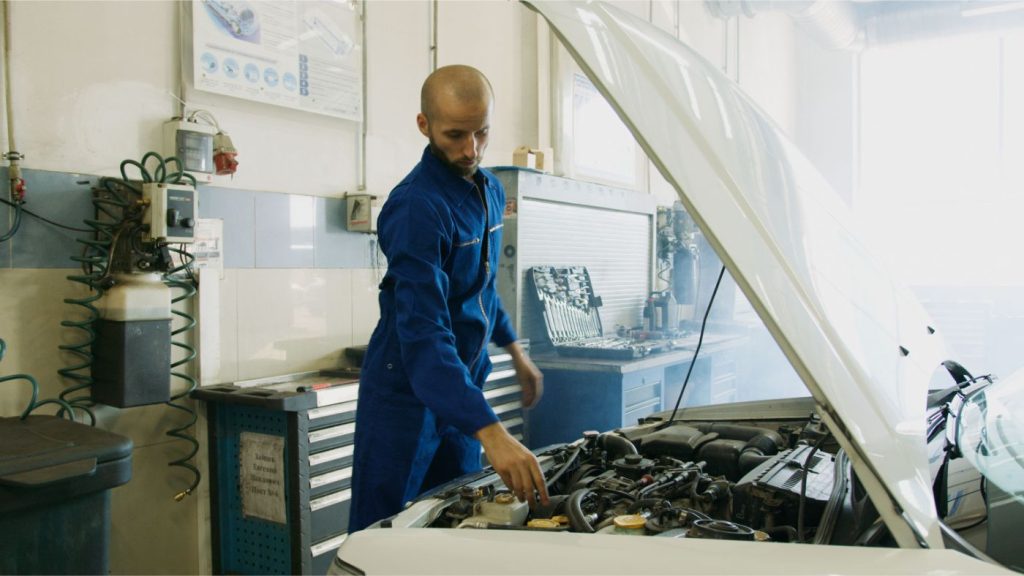
While every situation is different, common warning signs include:
- Increasing Repair Frequency: The vehicle seems to require constant attention.
- Significant Downtime: Repairs are disrupting operations.
- Rising Maintenance Costs: Annual maintenance expenses continue increasing.
- Safety Concerns: Older vehicles may lack modern safety technology.
- Operational Limitations: The vehicle no longer meets business requirements.
When multiple warning signs appear simultaneously, replacement may be worth evaluating.
Why Fleet Planning Matters for Seattle-Tacoma Businesses
Businesses throughout Western Washington operate in a highly competitive environment.
If you’re serving customers in:
- Seattle
- Tacoma
- Federal Way
- Kent
- Auburn
- Renton
- Bellevue
- Everett
- Lynnwood
- Puyallup
- Olympia
your vehicles play a critical role in customer service and operational success.
Reliable fleet vehicles help companies:
- Complete more jobs
- Improve response times
- Increase customer satisfaction
- Support long-term growth
A strategic fleet plan helps ensure your business remains competitive.
Working With a Fleet Partner Instead of Just Buying Vehicles
Many business owners discover that successful fleet management requires more than purchasing vehicles.
It requires planning.
Located in Federal Way along the I-5 corridor, Jet Chevrolet works with businesses throughout the Puget Sound region.
Its location makes it convenient for companies traveling from Seattle, Tacoma, Everett, Bellevue, Kent, Auburn, Renton, Puyallup, and surrounding communities.
As part of Dinsmore Auto Group, Jet Chevrolet is locally owned and family operated.
The Dinsmore family remains actively involved in the business and understands the importance of supporting local businesses that create jobs and strengthen communities throughout Western Washington.
Their philosophy is simple:
Do More. Save More. Experience MORE.
For fleet customers, that means helping businesses think strategically about vehicle acquisition, replacement planning, and long-term fleet success.
Schedule your free fleet replacement assessment and call Jet Chevrolet at (253) 336-4216 to build a predictable, cost-effective vehicle lifecycle plan with our commercial experts today.
Final Thoughts
A fleet replacement plan is one of the most valuable tools a business owner can implement.
Rather than reacting to breakdowns and emergencies, proactive planning allows businesses to:
- Reduce downtime
- Control costs
- Improve productivity
- Support growth
- Better serve customers
The goal isn’t simply replacing vehicles.
The goal is building a fleet that helps your business operate more efficiently today while preparing for tomorrow’s opportunities.
Because when your fleet is working at its best, your business can do more, save more, and experience more success.
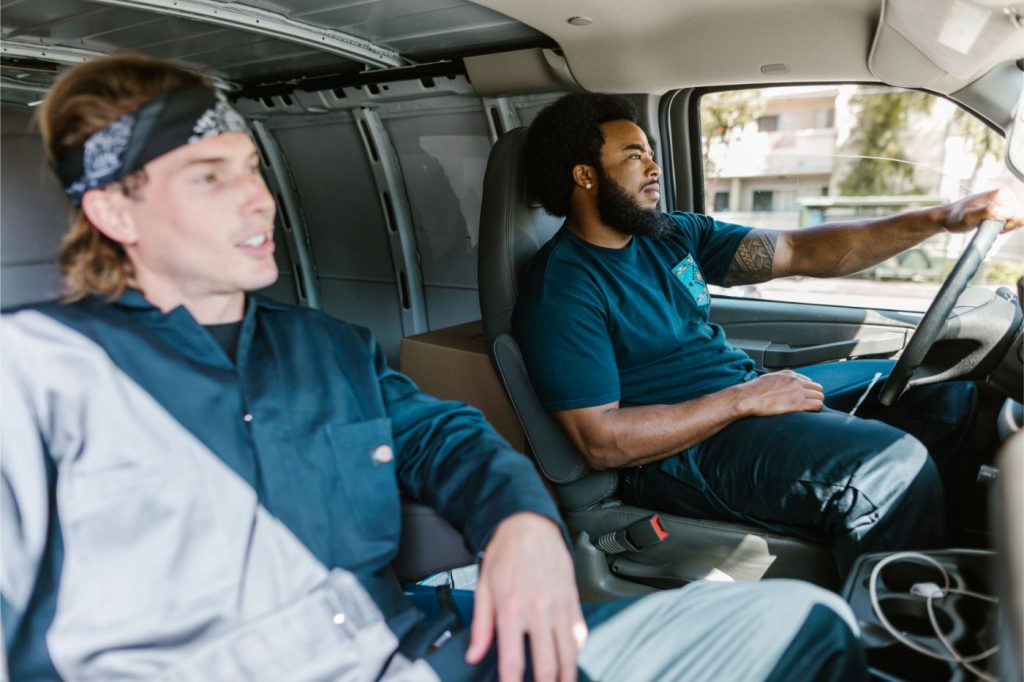
Most business owners understand the cost of replacing a vehicle, far fewer understand the cost of replacing a great employee.
Across the Puget Sound region from Lynnwood to Tacoma and throughout Western Washington, skilled trades companies are facing one of the most competitive labor markets in decades.
Plumbers, HVAC technicians, electricians, construction workers, restoration specialists, and service technicians all have options.
Good employees know their value, and they know what other companies are offering.
While compensation, benefits, and company culture remain important, many business owners overlook one critical factor:
The vehicle their employees spend eight to ten hours a day driving.
Your Fleet Is Part of Your Workplace
When most business owners think about workplace improvements, they think about:
- Office renovations
- Break rooms
- Training programs
- Technology upgrades
But for many field employees, their vehicle is their workplace. A technician may spend more time inside their vehicle than they spend inside your office.
That vehicle affects:
- Comfort
- Safety
- Productivity
- Stress levels
- Job satisfaction
The condition of a fleet sends a powerful message about how a company views its employees.
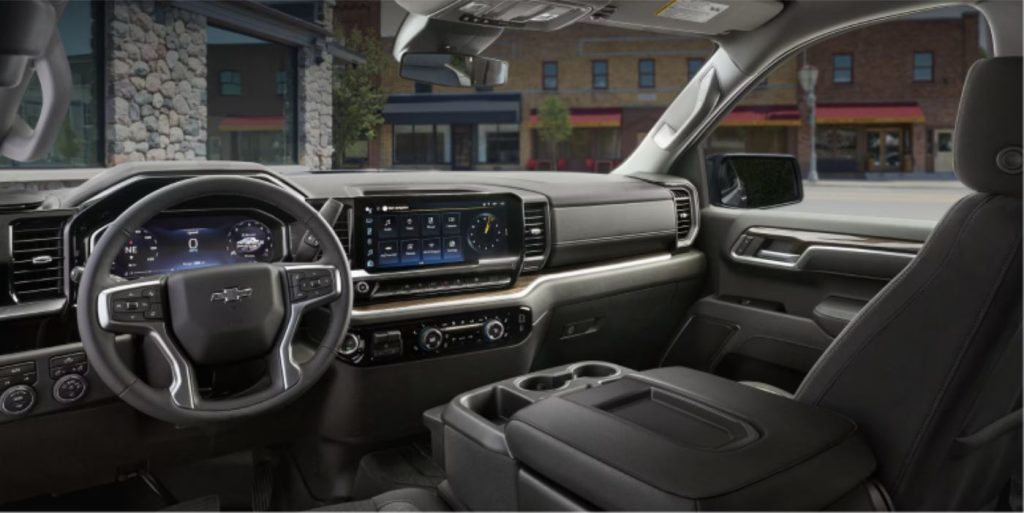
What Your Fleet Says About Your Business
Employees pay attention to details.
A fleet that is:
- Clean
- Reliable
- Well-maintained
- Organized
- Professionally branded
often communicates professionalism and pride.
On the other hand, vehicles that are constantly breaking down, poorly maintained, or disorganized can create a very different impression.
Employees often ask themselves:
“If the company won’t invest in the equipment I use every day, what else are they unwilling to invest in?”
Fair or not, that perception matters.
Reliability Reduces Stress
One of the biggest frustrations employees experience is uncertainty.
No technician wants to begin their day wondering:
- Will the vehicle start?
- Will the air conditioning work?
- Will the check engine light come on again?
- Will I make it to my appointments?
Vehicle reliability impacts confidence.
Reliable transportation allows employees to focus on serving customers rather than worrying about equipment.
For businesses operating throughout the Seattle-Tacoma corridor, dependable transportation becomes even more important due to traffic congestion and demanding schedules.
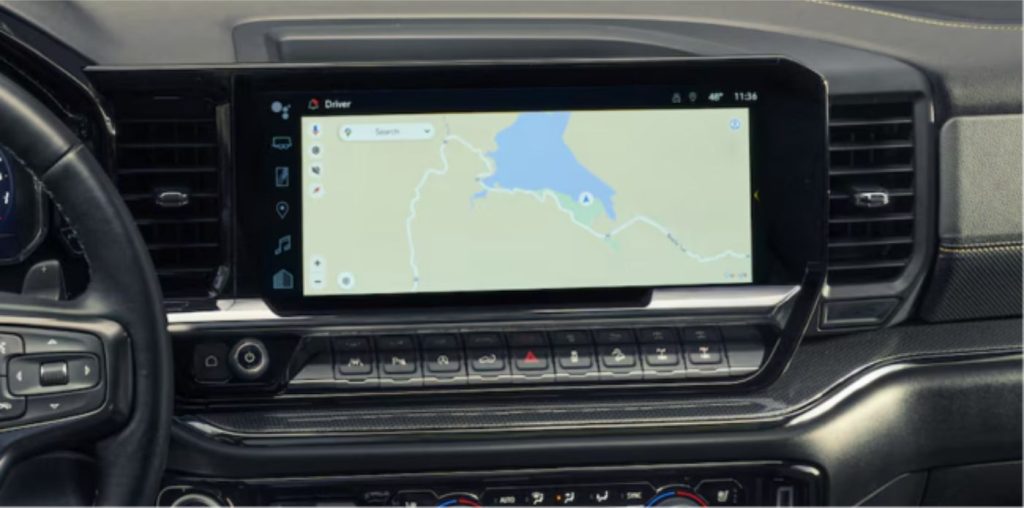
Safety Matters More Than Ever
Today’s workforce places a higher value on safety than previous generations.
Modern vehicles often include advanced safety technologies that may help reduce risk.
Features can include:
- Forward collision alerts
- Lane departure warnings
- Blind spot monitoring
- Rear vision cameras
- Enhanced braking systems
While technology cannot replace good driving habits, many employees appreciate working for companies that prioritize safety.
Your team deserves vehicles that keep them safe, comfortable, and on schedule through the toughest Seattle-Tacoma traffic. Don’t let an outdated fleet drive your best technicians to the competition.
Contact Jet Chevrolet’s Fleet Experts Today or call us at 253-336-4216 to discover how modern upfits and advanced safety tech can boost your team’s morale and your bottom line.
Organization Improves Job Satisfaction
Imagine two technicians.
The first technician spends ten minutes searching for tools and inventory at every job site.
The second technician knows exactly where everything is located.
Which employee is likely to have a more productive day?
Organization impacts more than efficiency, it impacts morale.
Properly equipped service vehicles often help employees:
- Work faster
- Reduce frustration
- Stay organized
- Serve customers more effectively
When people have the tools they need to succeed, they typically enjoy their work more.
Professional Appearance Creates Pride
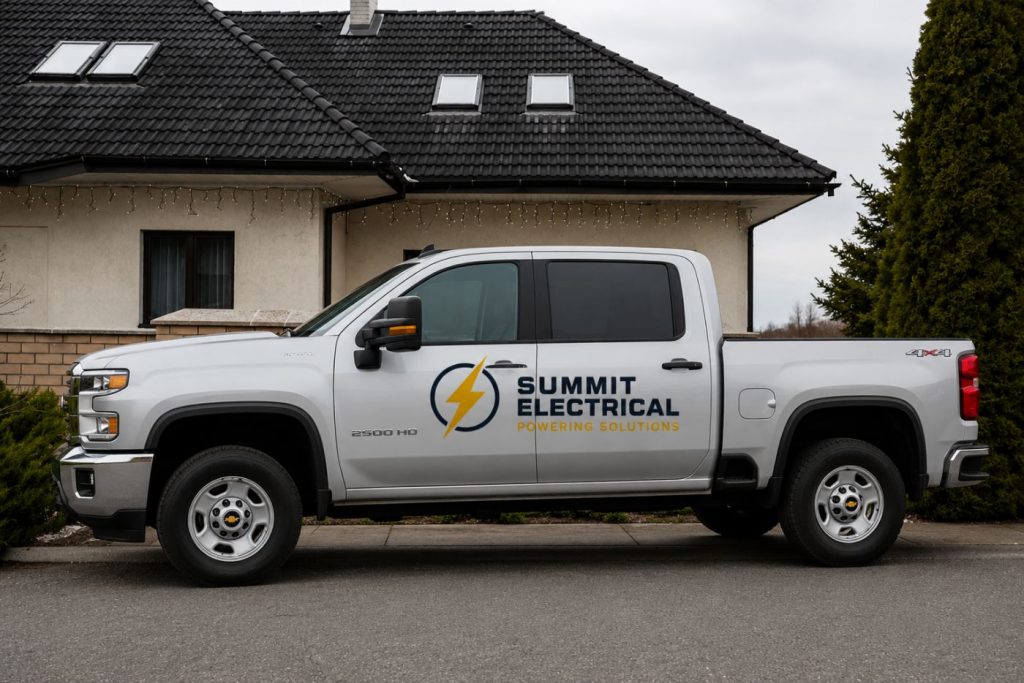
Many employees take pride in representing their company, and a professional fleet helps reinforce that pride.
Branded vehicles can create a sense of ownership and identity.
Employees often feel more confident arriving at a customer’s home or business in a vehicle that reflects professionalism.
That confidence can positively influence customer interactions.
Recruiting Is Becoming More Competitive
The labor shortage affecting many skilled trades is unlikely to disappear overnight, resulting in competition for talented workers across industries.
Potential employees increasingly evaluate:
- Compensation
- Benefits
- Work-life balance
- Culture
- Equipment
- Technology
- Fleet quality
When candidates compare opportunities, the condition of a company’s fleet may become a differentiator.
A modern, well-maintained fleet can help create a stronger first impression during the hiring process.
The Hidden Cost of Turnover
Employee turnover is expensive and takes away from the bottom line while disrupting momentum.
Replacing experienced employees often involves:
- Recruiting expenses
- Training costs
- Lost productivity
- Administrative time
- Customer relationship disruption
Industry studies consistently show that replacing skilled workers can cost far more than many employers expect.
While fleet quality alone won’t solve retention challenges, it can contribute to a positive employee experience.
Why Younger Workers Notice Fleet Quality
Many younger workers entering the trades have grown up with modern technology.
They expect:
- Reliable equipment
- Updated technology
- Professional tools
- Efficient work environments
An outdated fleet can sometimes create the perception that a company is behind the times, conversely, companies that invest strategically in their fleet often appear more progressive and growth-oriented.
Creating a Fleet Employees Want to Drive
Building an employee-friendly fleet doesn’t necessarily mean purchasing the most expensive vehicles. It means making thoughtful decisions.
Ask yourself:
- Are our vehicles reliable?
- Are they safe?
- Are they organized?
- Are they comfortable?
- Do they support productivity?
- Would I want to spend ten hours a day in them?
The answers often reveal opportunities for improvement.
Fleet Quality and Customer Experience
Employees aren’t the only people who notice your fleet, customers do too.
A clean, professional vehicle can help reinforce trust and credibility.
That matters because employee satisfaction and customer satisfaction are often connected. Happy employees frequently deliver better customer experiences which often leads to more referrals and repeat business.
Looking Beyond the Purchase Price
Many business owners focus on acquisition costs when evaluating fleet decisions, however, the long-term impact of fleet quality often extends beyond vehicle expenses.
The right fleet can help support:
- Employee retention
- Recruiting efforts
- Productivity
- Customer satisfaction
- Business growth
Viewed through that lens, fleet investments become much more strategic.
Supporting Local Businesses Throughout Western Washington
At Jet Chevrolet in Federal Way, many conversations with business owners go beyond vehicles.
They often focus on broader business challenges such as:
- Employee retention
- Growth planning
- Productivity
- Fleet strategy
Located along the I-5 corridor between Seattle and Tacoma, Jet Chevrolet works with businesses throughout the Puget Sound region to create efficient solutions to their needs.
As part of the locally owned and family-operated Dinsmore Auto Group, Jet Chevrolet understands the challenges local businesses face because the Dinsmore family lives and works in the same communities they serve.
Their philosophy is simple:
Do More. Save More. Experience MORE.
For many businesses, that means helping create solutions that support employees, improve operations, and contribute to long-term success. Let’s customize a fleet solution that makes your company the one everyone wants to work for.
Schedule your consultation with Jet Chevrolet at (253) 336-4500 and give your team a workplace they can be proud of.
Final Thoughts
Employee retention is one of the biggest challenges facing businesses today.
While compensation and benefits remain important, the tools employees use every day also play a significant role in their overall experience.
For many field-based businesses, fleet vehicles are a critical part of that equation: Reliable, safe, organized vehicles help employees perform at their best.
And when employees feel supported, businesses are often better positioned to retain talent, serve customers, and continue growing.
Because sometimes the value of a fleet isn’t measured by what it costs.
It’s measured by the people it helps you keep.
Cargo Van vs. Pickup Truck: Which Is Better for Plumbing Companies in the Seattle-Tacoma Area?
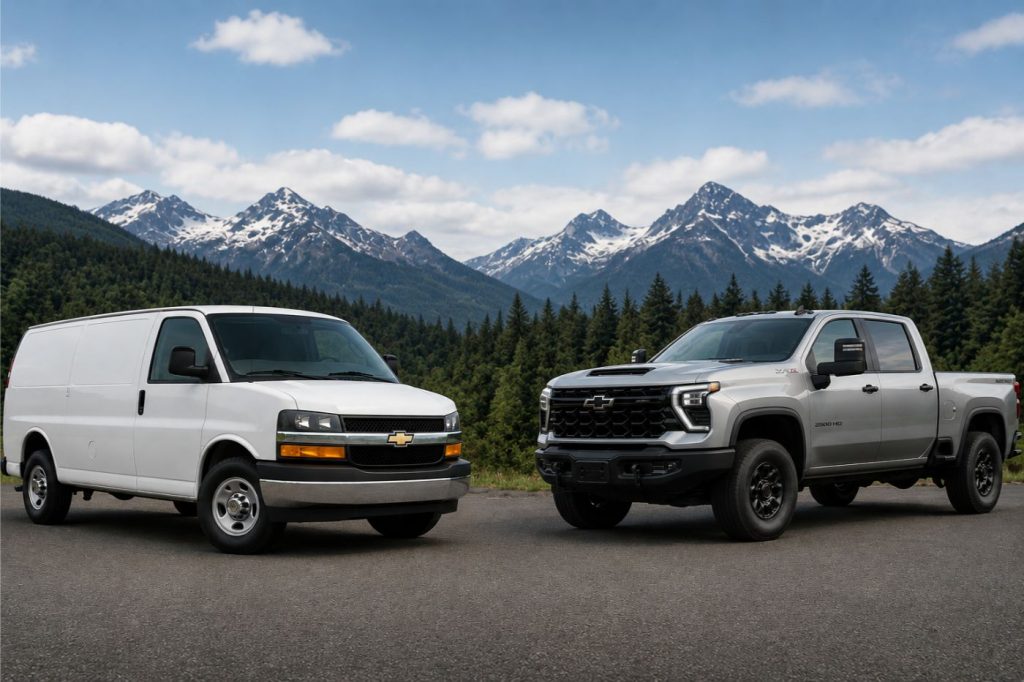
If you own or manage a plumbing company in the Seattle-Tacoma region, chances are you’ve faced the question:
Should my technicians be driving cargo vans or pickup trucks?
It’s a simple question, but the answer can have a significant impact on productivity, profitability, employee satisfaction, and even your company’s reputation.
At Jet Chevrolet in Federal Way, we work with plumbing companies throughout Seattle, Tacoma, Kent, Auburn, Puyallup, Renton, Everett, Bellevue, and communities across Western Washington. One thing we’ve learned is that the “best” vehicle depends on the type of work your team performs every day.
Let’s explore the advantages of both options and help you determine which solution may be right for your business.
The Real Cost of Choosing the Wrong Vehicle
Many plumbing companies focus primarily on vehicle purchase price.
While purchase price is important, it is often one of the smallest expenses over the life of a commercial vehicle.
The bigger costs include:
- Employee productivity
- Fuel expenses
- Vehicle downtime
- Equipment security
- Maintenance costs
- Lost service opportunities
- Customer perception
Choosing the right vehicle can help your technicians complete more calls per day, reduce wasted time, and improve overall efficiency.
Why Many Plumbing Companies Choose Cargo Vans
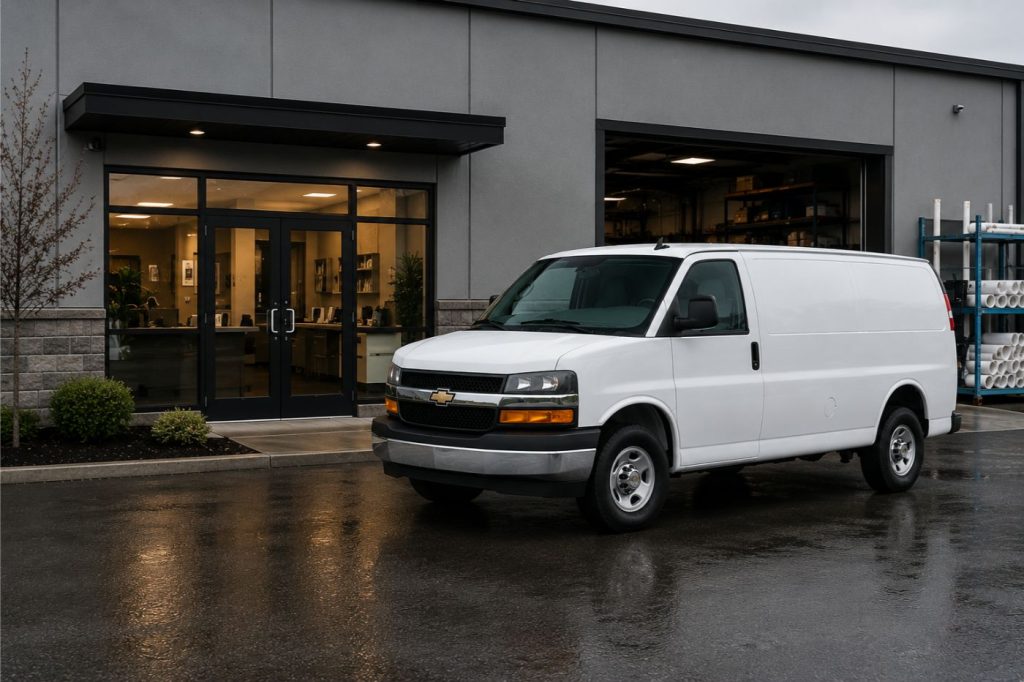
For residential service plumbers, cargo vans have become increasingly popular.
Vehicles like the Chevrolet Express Cargo Van provide secure, organized storage while offering excellent maneuverability throughout the Seattle-Tacoma metro area.
Advantages of Cargo Vans
1. Better Organization
Cargo vans allow for:
- Shelving systems
- Drawer storage
- Organized inventory
- Easier access to tools
Most plumbing companies carry hundreds of parts, fittings, and tools, and when technicians can quickly find what they need, they spend less time searching and more time serving customers.
2. Improved Security
Cargo vans provide:
- Enclosed storage
- Locked cargo areas
- Better protection from weather
- Reduced visibility of expensive equipment
Tool theft remains a major concern throughout Western Washington. For many companies, preventing a single theft incident can justify the investment in a van.
3. Professional Appearance
Customers often associate organized service vans with professional service. A clean, branded cargo van can create a strong first impression before a technician ever knocks on the door.
4. Weather Protection
Let’s be honest, we live in the Pacific Northwest. Rain is part of the job.
Cargo vans allow technicians to access equipment while remaining protected from the weather, making them especially attractive for Seattle-area businesses.
When Pickup Trucks Make Sense
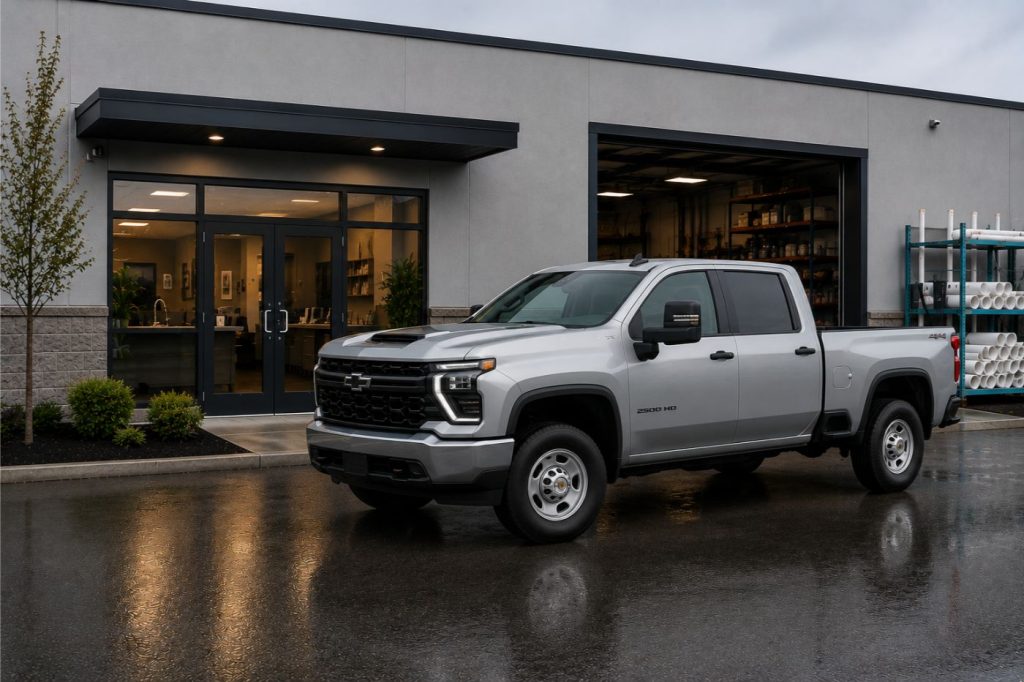
Cargo vans aren’t always the best solution.
For many plumbing contractors, pickup trucks remain an essential part of the fleet.
Vehicles like the Chevrolet Silverado 2500 HD and Silverado 3500 HD are often ideal for companies handling construction, remodeling, and commercial projects.
Advantages of Pickup Trucks
1. Greater Towing Capability
Many plumbing contractors need to tow:
- Equipment trailers
- Mini excavators
- Generators
- Pipe trailers
- Jobsite equipment
Heavy-duty pickup trucks are built for these tasks.
2. Jobsite Flexibility
Pickup trucks typically offer:
- Better ground clearance
- Easier access to rough terrain
- Greater flexibility for transporting large materials
Construction sites often present unique challenges; these features help you overcome them.
3. Scalability
As companies grow into commercial work, many find themselves adding heavy-duty trucks to support larger projects.
The Silverado HD lineup is particularly popular among contractors throughout Western Washington because of its durability and capability.
What Most Growing Plumbing Companies Actually Do
Interestingly, most successful plumbing companies don’t choose one or the other.
They use both.
A typical fleet might include:
Service Division
- Chevrolet Express Cargo Vans
- Organized for residential service calls
- Stocked with frequently used parts
Construction Division
- Silverado 2500 HD Trucks
- Silverado 3500 HD Trucks
- Utility body trucks
- Chassis cab trucks
This allows each vehicle to serve a specific purpose and the result is greater efficiency and lower operating costs.
Deciding on the right mix for your specific workload doesn’t have to be a guessing game. Every business has unique demands, and we can help you analyze your current operations to find the perfect vehicle balance.
Call Jet Chevrolet today to speak with an expert at 253-336-4216 and let’s map out your fleet strategy together.
Fleet Planning for Seattle-Tacoma Plumbing Companies
Business owners throughout the Puget Sound region face unique challenges such as traffic congestion, weather, population growth, and increasing service demand, all which influence fleet decisions.
Companies serving areas in the Puget Sound, such as:
- Seattle
- Tacoma
- Federal Way
- Kent
- Auburn
- Puyallup
- Renton
- Bellevue
- Everett
- Lynnwood
often benefit from vehicles specifically selected for their service territory.
A vehicle that works perfectly in downtown Seattle may not be ideal for larger construction projects in rapidly growing suburban markets.
Why Local Businesses Work With Jet Chevrolet
Fleet purchases are rarely just about buying a vehicle, business owners need a partner who understands commercial operations.
Located conveniently in Federal Way along the I-5 corridor, Jet Chevrolet serves businesses throughout Western Washington and is easily accessible from Seattle, Tacoma, Everett, Bellevue, Renton, Kent, Auburn, Puyallup, and surrounding communities.
As part of the Dinsmore Auto Group family of dealerships, Jet Chevrolet embraces the philosophy
Do More. Save More. Experience MORE.
Dinsmore Auto Group is locally owned and family operated. Ownership remains actively involved in the business, and supporting local businesses throughout the communities they serve remains a core part of their mission.
Whether you’re adding your first service vehicle or managing a growing fleet, having access to a large selection of commercial inventory can help simplify the process.
Jet Chevrolet can help you discover and fulfill your fleet needs. Let’s figure out the right solution for your business together. Call today to speak with an expert at 253-336-4216.
Final Thoughts
There is no one-size-fits-all answer when it comes to cargo vans versus pickup trucks.
The best vehicle depends on:
- The type of plumbing work you perform
- The equipment you carry
- Your service area
- Your growth plans
- Your budget
For many plumbing companies throughout the Seattle-Tacoma area, the most effective solution is a combination of cargo vans for service work and heavy-duty trucks for construction and commercial projects.
The key is choosing vehicles that help your team become more productive, more efficient, and better equipped to serve your customers.
Because when your fleet works harder, your business can too.
For business owners across the Puget Sound, fleet vehicles are easily among the most important assets they own.
Whether you’re running a plumbing company in Kent, an HVAC crew in Bellevue, or a landscaping company covering the Tacoma-Puyallup corridor, your vehicles are often the lifeblood of your company. They carry your crew, your tools and your reputation to every single job site.
Yet many businesses unknowingly make fleet decisions that quietly cost them thousands of dollars each year.
The reality is that most of these mistakes can be avoided with proper planning.
Let’s look at five of the most common fleet mistakes we see across Western Washington, and how successful businesses avoid them.
Mistake #1: Keeping Vehicles Too Long
This is by far the most common fleet mistake. Many business owners view a paid-off vehicle as “free money.”
Unfortunately, older vehicles are rarely free. In fact, they quickly become more expensive than newer vehicles.
The Hidden Costs of Aging Fleet Vehicles
As vehicles age, businesses frequently experience:
- Frequent and unpredictable breakdowns
- Higher repair bills
- Increased downtime
- Lower fuel efficiency
- More missed appointments
- Reduced employee productivity
A service truck that spends two days in a repair shop isn’t generating revenue.
For a plumbing company, HVAC contractor, or electrical business, a single vehicle outage can impact multiple customer appointments and create scheduling headaches for the entire team.
Smart Fleet Owners Think Differently
Rather than focusing solely on whether a vehicle is paid off, successful fleet managers evaluate:
- Repair costs
- Reliability
- Downtime history
- Productivity losses
- Overall operating expenses
Sometimes replacing a vehicle before major problems begin is the more cost-effective decision.
Mistake #2: Buying the Wrong Vehicle for the Job
Many businesses purchase vehicles based on price alone, but the cheapest vehicle isn’t always the most economical vehicle over several years.
Example: Plumbing Companies
A residential service plumber will always be more productive in a properly organized cargo van than a standard pickup truck.
Why?
Because a van allows them to:
- Access inventory faster
- Store more tools
- Stay organized
- Protect equipment from weather
Similarly, a construction-focused plumbing contractor may benefit more from a Silverado 2500 HD or Silverado 3500 HD because of towing and payload requirements.
Matching the Vehicle to the Work
Before purchasing any fleet vehicle, ask:
- What type of work does this employee perform?
- What equipment do they carry?
- How many service calls do they make daily?
- Do they tow equipment?
- Do they operate in urban or construction environments?
The answers often determine the best fleet solution.
Mistake #3: Ignoring Total Cost of Ownership
If you are only looking at the monthly payment when acquiring a vehicle, you are missing the bigger picture.
While payment is important, it rarely tells the full story.
Total Cost of Ownership Includes:
- Purchase price
- Fuel costs
- Maintenance expenses
- Repair costs
- Downtime
- Insurance
- Productivity impact
A vehicle with a lower purchase price may save money at first, but it actually costs more over time. For example, an older used vehicle may require significantly more maintenance and repairs than a newer commercial vehicle.
Over several years, those expenses can add up quickly.
Successful Businesses Look Long-Term
The best fleet decisions prioritize long-term operating costs over short-term savings. Evaluating the true lifecycle cost of a vehicle is how successful companies protect their margins for the long haul.
Mistake #4: Failing to Standardize the Fleet
As companies grow, vehicle purchases often happen one at a time.
One employee gets a van. Another gets a truck. Someone else drives a completely different vehicle.
Over time, businesses end up with a fleet that lacks consistency.
Why This Creates Problems
A mixed fleet can lead to:
- More parts inventory requirements
- Increased maintenance complexity
- Driver training challenges
- Reduced purchasing efficiency
Benefits of Fleet Standardization
Many successful businesses standardize around a few vehicle types.
This can provide:
- Easier maintenance
- Faster repairs
- Simplified driver training
- Better purchasing leverage
- Stronger company branding
Standardizing around a few specific vehicle types simplifies everything, and is one reason why many growing companies choose a fleet strategy rather than purchasing vehicles individually.
Mistake #5: Waiting Until a Vehicle Fails Before Replacing It
Many business owners operate vehicles until they can no longer be repaired economically.While this may seem financially responsible, it often creates unnecessary risk for businesses.
Emergency Replacements Are Expensive
When a vehicle suddenly fails:
- Inventory may be limited
- Decisions become rushed
- Productivity suffers
- Projects may be delayed
Businesses often end up purchasing whatever is available instead of selecting the vehicle that best fits their needs.
Create a Fleet Replacement Plan
The most successful companies build replacement schedules before vehicles become a problem.
This allows business owners to:
- Budget appropriately
- Evaluate options carefully
- Maintain operational continuity
- Reduce downtime risks
Fleet planning often creates far better outcomes than fleet emergencies.
Why Fleet Planning Matters More in Western Washington
Businesses throughout the Seattle-Tacoma region face unique operating challenges. Between heavy traffic, long commute times, diverse service territories, and demanding customer expectations, there is an additional pressure on fleet vehicles in this region.
Companies serving:
- Seattle
- Tacoma
- Federal Way
- Kent
- Auburn
- Renton
- Bellevue
- Everett
- Puyallup
- Lynnwood
- Olympia
need reliable vehicles capable of supporting daily operations across a wide geographic area.
For many businesses, especially those in these cities, fleet reliability directly impacts customer satisfaction and profitability.
How Local Businesses Are Taking a More Strategic Approach
Today’s successful fleet owners don’t simply buy vehicles, they build fleet strategies.
That strategy often includes:
- Vehicle lifecycle planning
- Replacement schedules
- Driver requirements
- Equipment needs
- Growth projections
- Total cost analysis
The goal is simple:
Keep employees productive and vehicles generating revenue.
Why Businesses Throughout Western Washington Turn to Jet Chevrolet
Fleet purchases aren’t just about selecting a vehicle.
They’re about finding a long-term partner who understands commercial operations.
Located in Federal Way along the I-5 corridor, Jet Chevrolet serves businesses throughout Western Washington, including Seattle, Tacoma, Kent, Auburn, Renton, Bellevue, Everett, Puyallup, Lynnwood, Olympia, and surrounding communities.
Its central location makes it convenient for businesses throughout the Puget Sound region to access commercial vehicle inventory and fleet resources.
As part of Dinsmore Auto Group, Jet Chevrolet operates with a philosophy that reflects its commitment to local businesses:
Do More. Save More. Experience MORE.
The Dinsmore family remains actively involved in the business and understands the important role local companies play in building strong communities.
Whether supporting plumbers, electricians, HVAC contractors, landscapers, construction firms, municipalities, or delivery businesses, helping local companies succeed remains a core priority.
Ready to upgrade your service fleet? Email or call our commercial team to discuss vehicle availability and upfitting options for your trade.
Final Thoughts
Fleet vehicles are often one of the largest investments a business makes.
Unfortunately, many companies unknowingly lose thousands of dollars each year due to preventable fleet mistakes.
Avoiding these common issues can help businesses:
- Improve productivity
- Reduce downtime
- Lower operating costs
- Support future growth
- Better serve customers
The most successful companies view fleet management as a strategic business decision, not simply a vehicle purchase.
Because when your fleet is operating efficiently, your employees can accomplish more, your customers receive better service, and your business is positioned for long-term success.
And that’s what it truly means to do more, save more, and experience more.
Ready to stop reacting to vehicle headaches and start optimizing your bottom line?
Give our commercial team a call at (253) 336-4216. Let’s sit down, review your current lineup, and build a high-efficiency strategy for your business
Whether it’s a furnace repair in Federal Way, an air conditioning replacement in Bellevue, a rooftop commercial unit in Seattle, or preventative maintenance in Tacoma, HVAC companies depend on their fleet every single day.
For most HVAC businesses, vehicles are much more than transportation. They are mobile warehouses, service centers, inventory rooms, and one of the most important tools a technician uses.
The right fleet can help an HVAC company complete more calls, improve customer satisfaction, reduce downtime, and increase profitability.
The wrong fleet can create frustration, inefficiency, and unnecessary expenses.
At Jet Chevrolet in Federal Way, we work with contractors throughout Seattle, Tacoma, Kent, Auburn, Bellevue, Renton, Everett, Lynnwood, Puyallup, Olympia, and communities across Western Washington. One thing we’ve learned is that the most successful HVAC companies treat fleet planning as a business strategy, not just a vehicle purchase.
Let’s explore the best fleet vehicles for HVAC companies and why selecting the right vehicle can have a major impact on your business.
What HVAC Companies Need From Their Fleet
HVAC businesses have unique requirements compared to many other service industries.
Technicians often transport:
- Furnaces
- Air conditioning components
- Compressors
- Refrigerant recovery equipment
- Testing tools
- Ductwork materials
- Safety equipment
- Specialty inventory
In addition to carrying equipment, vehicles must support technicians who often spend the majority of their workday on the road.
An ideal HVAC fleet vehicle should provide:
- Reliability
- Cargo capacity
- Tool organization
- Towing capability
- Driver comfort
- Upfit flexibility
- Long-term durability
Why Fleet Efficiency Matters
Every minute a technician spends looking for parts is a minute they aren’t serving customers.
Every breakdown creates scheduling problems.
Every missed appointment affects customer satisfaction.
For HVAC companies operating throughout the Seattle-Tacoma region, efficiency directly impacts profitability. The most productive HVAC companies focus on creating fleets that help technicians work smarter.
Best Vehicle for Residential HVAC Service Technicians
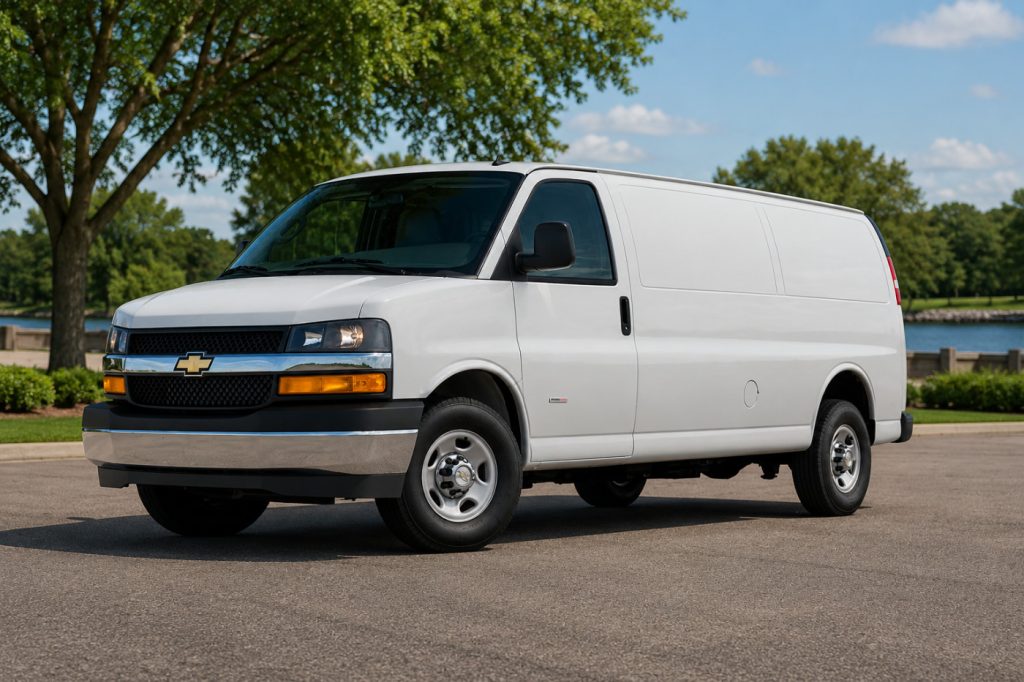
Chevrolet Express Cargo Van
For many HVAC service departments, the Chevrolet Express Cargo Van remains one of the most practical and productive fleet solutions available.
Why HVAC Companies Choose Cargo Vans
HVAC technicians often carry hundreds of parts and tools. Cargo vans provide:
- Secure enclosed storage
- Organized shelving systems
- Protection from weather
- Professional company branding opportunities
Improved Technician Productivity
A properly organized cargo van allows technicians to:
- Locate parts quickly
- Access equipment efficiently
- Reduce wasted time
- Improve service call completion rates
Even small productivity improvements can significantly impact annual revenue.
Better Protection for Equipment
Western Washington weather can be unpredictable. Cargo vans help protect valuable equipment from rain, moisture, theft, and environmental damage.
This protection helps reduce replacement costs and equipment downtime. Check current Chevrolet Express availability and upfit options by contacting Jet Chevrolet at 253-336-4216.
Best Vehicle for HVAC Installation Crews
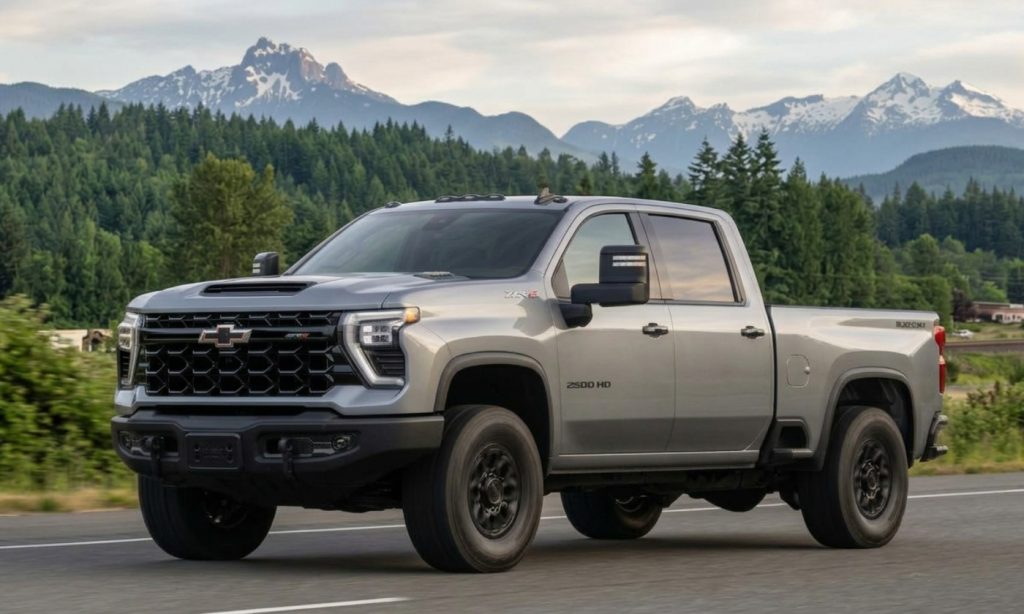
Chevrolet Silverado 2500 HD
Installation teams often have different requirements than service technicians.
Large equipment, trailers, and installation materials frequently require a more capable vehicle.
The Silverado 2500 HD offers:
- Strong towing capability
- Excellent payload capacity
- Durability for demanding job sites
- Flexibility for hauling equipment
Many HVAC companies utilize Silverado HD trucks to support installation crews working on residential and light commercial projects.
Best Vehicle for Larger Commercial HVAC Operations
Chevrolet Silverado 3500 HD
As projects become larger and more complex, many contractors require additional capability.
The Silverado 3500 HD is often used for:
- Larger equipment transportation
- Heavy-duty towing
- Commercial installation work
- Generator and trailer hauling
Growing HVAC companies often find that heavy-duty trucks provide the flexibility needed to support expanding operations.
Best Fleet Solution for Specialized HVAC Applications
Chassis Cab and Utility Body Trucks
Some HVAC businesses require highly customized fleet solutions. Chassis cab trucks can be equipped with:
- Service bodies
- Utility bodies
- Ladder storage systems
- Specialized equipment storage
- Refrigeration support equipment
These vehicles create efficient mobile workspaces designed specifically for contractor operations.
Fleet Challenges Unique to Western Washington
HVAC companies serving the Puget Sound region face challenges that businesses in other areas may not encounter.
These include:
Traffic Congestion
Technicians often travel throughout:
- Seattle
- Tacoma
- Bellevue
- Renton
- Kent
- Federal Way
Reducing unnecessary trips and maximizing vehicle organization becomes increasingly important.
Diverse Service Territories
Many HVAC companies operate across large geographic areas. A technician may work in Seattle in the morning and Tacoma later in the day.
To cover these vast service areas without unexpected delays, having dependable fleet vehicles is critical.
Seasonal Demand Surges
Summer cooling emergencies and winter heating failures often create significant spikes in service demand.
Reliable fleet vehicles help companies respond quickly during their busiest periods.
How Fleet Standardization Benefits HVAC Companies
As HVAC businesses grow, fleet standardization often becomes a key strategy. Many successful companies choose to standardize around a few vehicle platforms.
Benefits include:
- Easier Maintenance: Service departments become familiar with vehicle systems.
- Improved Driver Training: Employees can transition between vehicles more easily.
- Simplified Inventory Management: Fleet parts and maintenance become more predictable.
- Consistent Company Branding: A uniform fleet creates a stronger professional image throughout the marketplace.
Fleet Vehicles and Employee Retention

Finding qualified HVAC technicians remains a challenge throughout the industry. Many business owners overlook the impact fleet vehicles have on recruiting and retention.
Technicians appreciate:
- Reliable vehicles
- Comfortable work environments
- Organized storage systems
- Modern safety features
Providing quality fleet vehicles can improve employee satisfaction and help attract skilled technicians.
Planning for Future Growth
Many HVAC companies start small and gradually expand, as your business grows, fleet planning becomes increasingly important.
Questions to consider include:
- Will we add additional service technicians?
- Are we expanding our service area?
- Will we pursue more commercial projects?
- Do we need specialized fleet vehicles?
Partnering with Jet Chevrolet to plan ahead helps ensure your fleet actively supports regional growth rather than limiting it. Call our commercial division today at 253-336-4216 to discuss your expansion plans with an expert.
Why HVAC Companies Throughout Western Washington Choose Jet Chevrolet
Fleet vehicles are a major investment. Many business owners prefer working with a partner who understands commercial operations.
Located in Federal Way directly along the I-5 corridor, Jet Chevrolet provides efficient fleet solutions to businesses within an hour’s drive of the Seattle-Tacoma metropolitan area.
This location serves commercial clients across Western Washington, including:
- South Sound & Local: Federal Way, Tacoma, Kent, Auburn, Puyallup, Olympia
- Greater Seattle & North Sound: Seattle, Bellevue, Renton, Everett, Lynnwood
As part of Dinsmore Auto Group, Jet Chevrolet is locally owned and family operated.
The Dinsmore family remains actively involved in the business and understands the importance of supporting local businesses throughout the communities they serve.
Their philosophy is simple:
Do More. Save More. Experience MORE.
That philosophy extends to helping contractors find fleet solutions that improve efficiency, reduce downtime, and support long-term success.
Final Thoughts
The best fleet vehicle for an HVAC company depends on the work being performed.
For many contractors, the ideal fleet includes a combination of:
- Chevrolet Express Cargo Vans for service technicians
- Silverado 2500 HD trucks for installation crews
- Silverado 3500 HD trucks for heavier applications
- Chassis cab trucks for specialized operations
The goal is to equip your team with vehicles that help them serve customers more effectively and operate more efficiently.
When your technicians have the right tools, the right equipment, and the right vehicles, they can focus on what matters most, delivering exceptional service.
And when your fleet is helping your business work smarter, your company can do more, save more, and experience more success.
Lock in your competitive commercial pricing and schedule a fleet assessment today by calling Jet Chevrolet at (253) 336-4216 .
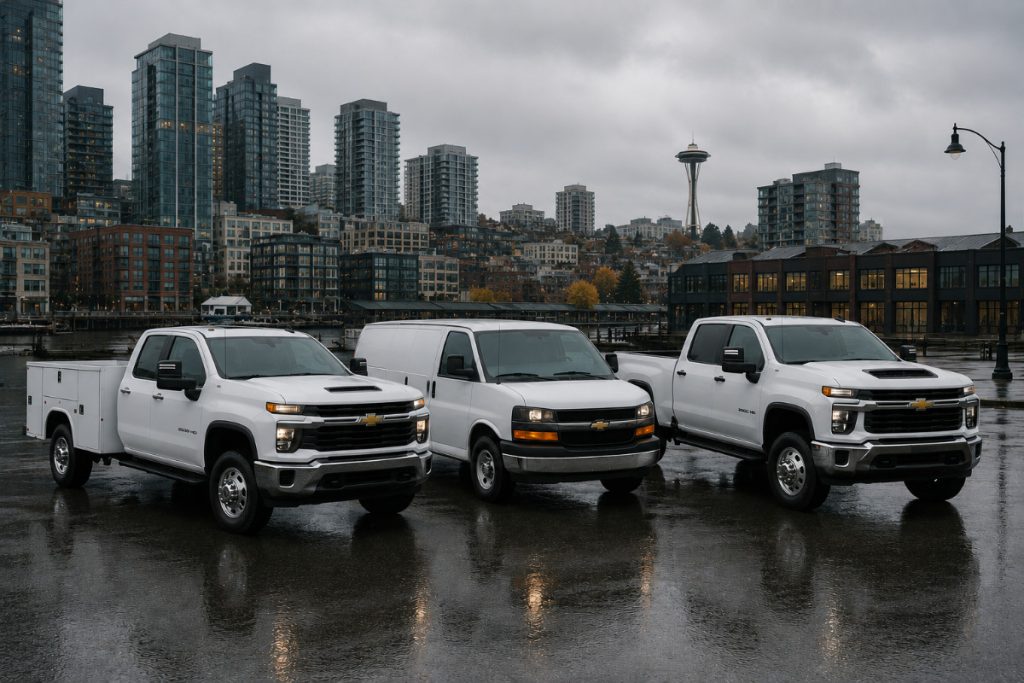
When it comes to running a successful electrical contracting business, the right fleet vehicles can make the difference between a productive day and a frustrating one.
Every day, electricians throughout Seattle and Tacoma, and surrounding communities across Western Washington like Everett, Bellevue, Kent, and Auburn, depend on their vehicles to transport tools, equipment, materials, ladders, lifts, and inventory to job sites.
Their vehicle isn’t just transportation, it’s a mobile warehouse, office, workshop, and billboard for their company.
Choosing the right fleet vehicles can help improve productivity, reduce downtime, enhance safety, and support business growth.
Let’s explore some of the best fleet vehicle options for electricians and how they can help your company operate more efficiently.
Why Fleet Selection Matters for Electrical Contractors
Electrical contractors have unique fleet requirements.
Unlike many service industries, electricians often carry:
- Specialized tools
- Electrical components
- Testing equipment
- Ladders
- Safety equipment
These materials must be organized, secure, and easily accessible throughout the day.
A poorly equipped vehicle can lead to:
- Lost productivity
- Disorganization
- Increased labor costs
- Employee frustration
- Missed opportunities
The right vehicle helps technicians spend less time searching for tools and more time serving customers.
The Challenges Electricians Face in Western Washington
The Seattle-Tacoma region presents especially unique challenges for contractors.
Electrical companies frequently operate across large service territories that may include:
- Dense urban environments
- Residential neighborhoods
- Commercial districts
- Industrial facilities
- New construction developments
Add Pacific Northwest weather, traffic congestion, and demanding schedules, and fleet reliability becomes even more important.
That’s why selecting the right vehicle is critical.
Best Vehicle for Residential Service Electricians
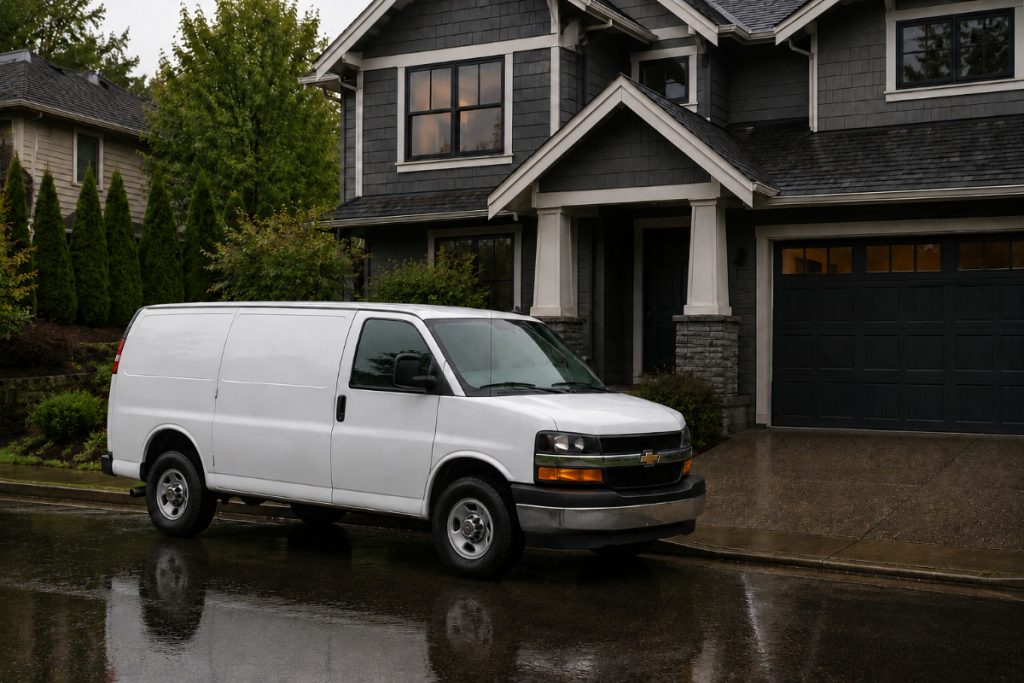
Chevrolet Express Cargo Van
For many electricians, the Chevrolet Express Cargo Van remains one of the most practical fleet solutions available.
Why Cargo Vans Work So Well
Electricians often carry a wide variety of parts and tools, and properly outfitted cargo vans can dramatically improve technician efficiency.
Cargo vans provide key advantages, including:
- Secure storage
- Organized shelving
- Weather protection
- Professional appearance
Of these advantages, security and efficiency are perhaps the most critical for local contractors.
Tool Security
Tool theft remains a concern throughout Western Washington.
An enclosed cargo van helps protect:
- Power tools
- Testing equipment
- Specialty tools
- Inventory
Reducing theft risk helps control costs and minimize disruptions.
Organization Equals Productivity
Every minute spent searching for tools is a minute not spent serving customers.
Many electricians install:
- Shelving systems
- Drawer systems
- Small parts organizers
- Ladder racks
The result is a more efficient workday.
Best Vehicle for Commercial Electrical Contractors
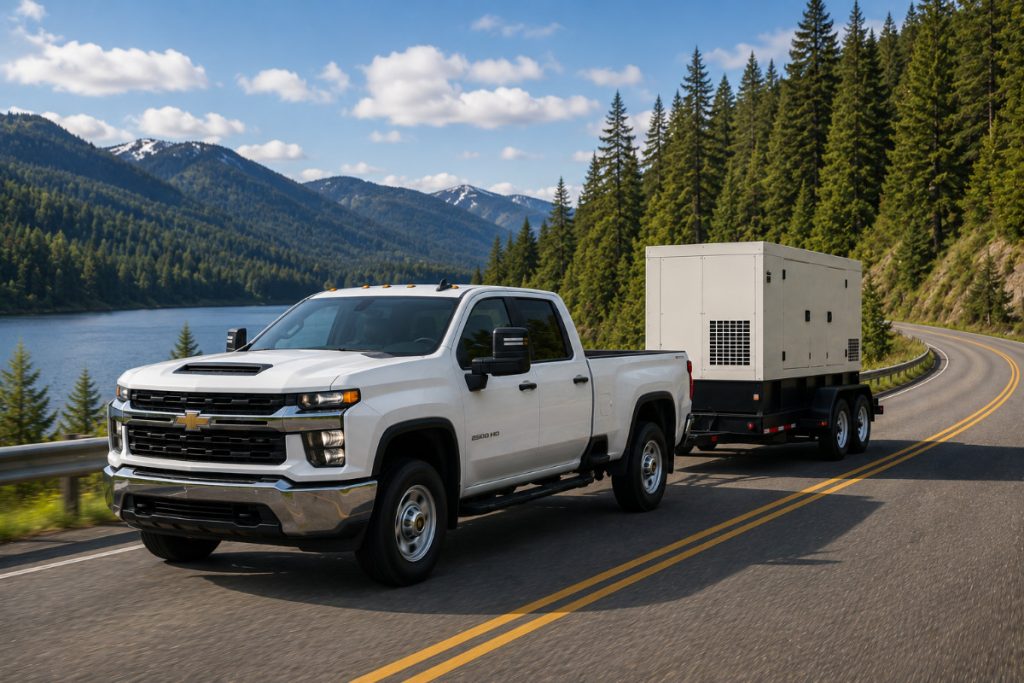
Chevrolet Silverado 2500 HD
Electrical contractors involved in commercial construction often require greater hauling and towing capability.
The Silverado 2500 HD is a popular choice because it offers:
- Strong towing capability
- Excellent payload capacity
- Job site durability
- Versatility
Whether transporting materials, generators, trenching equipment, or jobsite trailers, the Silverado HD lineup is built to handle demanding work environments.
Best Vehicle for Growing Electrical Companies
Chevrolet Silverado 3500 HD
As businesses expand, equipment requirements often increase.
The Silverado 3500 HD provides:
- Increased towing capability
- Higher payload ratings
- Greater versatility
- Support for larger projects
Many growing contractors throughout the Puget Sound region rely on heavy-duty trucks to support expanding operations.
Best Fleet Solution for Specialized Electrical Work
Chassis Cab and Utility Body Trucks
Some electrical contractors require more than a traditional van or pickup truck.
Utility body trucks provide:
- Lockable tool compartments
- External storage
- Specialized equipment access
- Jobsite efficiency
These vehicles are especially popular among:
- Utility contractors
- Traffic signal contractors
- Municipal contractors
- Commercial electrical firms
Customized upfits can help create a highly productive mobile workspace.
Fleet Considerations for Different Types of Electrical Contractors
Not every electrical company operates the same way, matching the vehicle to the specific demands of the job ensures maximum daily productivity and reduces total cost of ownership.
Residential Service Electricians
Often benefit from:
- Cargo vans
- Organized storage
- Easy neighborhood access
Commercial Electricians
Often prefer:
- Silverado HD trucks
- Utility body trucks
- Larger storage capacity
Industrial Contractors
May require:
- Chassis cab trucks
- Specialized upfits
- Equipment transportation solutions
Matching vehicles to your operational profile cuts equipment downtime and keeps projects on schedule.
See a configuration that fits your seasonal payload needs? Talk to us now at (253) 336-4216 to check current regional pool-stock availability.
Why Fleet Standardization Helps Electrical Contractors
As electrical companies grow, fleet standardization often becomes an important strategy.
Rather than operating many different vehicle types, successful contractors frequently standardize around a few key models.
Benefits include:
- Easier Maintenance: Technicians and service departments become familiar with the vehicles.
- Improved Training: Employees can move between vehicles more easily.
- Stronger Branding: A consistent fleet creates a more professional image throughout your service area.
- Lower Operating Costs: Standardization can simplify maintenance and reduce overall expenses.
How Fleet Vehicles Affect Recruiting and Retention
In the competitive Western Washington trade market, top electricians have options.
Providing modern, reliable fleet vehicles can help attract and retain talented employees.
Technicians appreciate:
- Reliable transportation
- Comfortable interiors
- Safe vehicles
- Organized workspaces
Investing in your fleet often means investing in your team.
Planning for Growth
Many electrical contractors begin with a single truck and gradually expand.
As your company grows, it’s important to evaluate:
- Service area expansion
- Employee hiring plans
- Equipment requirements
- Vehicle replacement schedules
A strategic fleet plan can support growth while minimizing operational disruptions.
Why Businesses Throughout Western Washington Choose Jet Chevrolet
Fleet purchases are about more than buying vehicles, they are about finding a partner who understands business operations.
Located in Federal Way directly along the I-5 corridor, Jet Chevrolet provides efficient fleet solutions to businesses within an hour’s drive of the Seattle-Tacoma metropolitan area.
This location serves commercial clients across Western Washington, including:
- South Sound & Local: Federal Way, Tacoma, Kent, Auburn, Puyallup, Olympia
- Greater Seattle & North Sound: Seattle, Bellevue, Renton, Everett, Lynnwood
As part of Dinsmore Auto Group, Jet Chevrolet operates under a philosophy focused on helping customers succeed:
Do More. Save More. Experience MORE.
The Dinsmore family remains actively involved in the business and is committed to supporting local businesses and the communities they serve.
For contractors, that means access to commercial vehicle expertise, fleet inventory, and a team that understands the importance of keeping businesses moving.
Final Thoughts
Choosing the right fleet vehicles is one of the most important decisions an electrical contractor can make.
The best solution depends on:
- The type of work you perform
- Your service territory
- Equipment requirements
- Growth plans
- Budget
For many electricians throughout the Seattle-Tacoma region, a combination of cargo vans, Silverado HD trucks, and specialized utility vehicles creates the ideal fleet.
The goal is simple:
Provide your team with reliable, productive vehicles that help them work more efficiently, serve customers better, and support long-term business growth.
Because when your fleet is working harder for your business, your business can do more, save more, and experience more success.
Lock in your commercial vehicle strategy and secure priority fleet inventory availability. Contact Jet Chevrolet directly at (253) 336-4216 to speak with a commercial vehicle expert today.
If you’re running a plumbing company in Seattle, Tacoma, Federal Way, Puyallup, Renton, Everett, or anywhere within an hour of the Puget Sound region, your fleet is one of the most important investments you will make.
The right fleet vehicles can help your technicians complete more calls, improve customer satisfaction, reduce downtime, and support long-term business growth while the wrong ones can create inefficiencies, increase operating costs, and limit your company’s ability to serve customers effectively.
At Jet Chevrolet in Federal Way, we work with plumbing companies of all sizes throughout Western Washington. From owner-operators with a single service vehicle to large contractors managing dozens of trucks and vans, one thing is clear: the most successful companies match the vehicle to the job.
Let’s look at some of the best fleet vehicle options available for plumbing companies and how each one can help your business do more.
What Makes a Great Plumbing Fleet Vehicle?
Before discussing specific vehicles, it’s important to understand what plumbing companies should prioritize when evaluating fleet options.
The best plumbing vehicles typically offer:
- Reliability
- Cargo capacity
- Tool and equipment security
- Towing capability
- Low operating costs
- Easy upfitting options
- Driver comfort
- Long-term durability
A vehicle isn’t just transportation. It’s a mobile office, warehouse, and workshop all in one.
Best for Residential Service Plumbers
Chevrolet Express Cargo Van
For many plumbing companies, the Chevrolet Express Cargo Van remains one of the most versatile fleet vehicles available.
Why Service Plumbers Love Cargo Vans
Most residential service technicians spend their day traveling between homes performing repairs, maintenance, and emergency service calls.
The Express Cargo Van offers several advantages:
Secure Storage
Service technicians often carry thousands of dollars worth of tools and equipment.
An enclosed cargo area provides:
- Better security
- Protection from theft
- Protection from weather
- Cleaner organization
Improved Efficiency
Proper shelving systems allow technicians to quickly access:
- Fittings
- Valves
- Pipe
- Repair parts
- Specialty tools
Every minute saved looking for inventory can be spent serving customers.
Professional Appearance
Customers often view organized service vans as a reflection of the company itself. A clean, professionally branded cargo van can help build trust before the technician even enters the home.
Excellent for Urban Service Areas
Companies serving Seattle, Bellevue, Renton, Tacoma, and Federal Way often appreciate the maneuverability and practicality of cargo vans in residential neighborhoods.
Best for Construction and Remodel Work
Silverado 2500 HD
When the work becomes larger and more demanding, many plumbing companies turn to heavy-duty pickup trucks.
The Chevrolet Silverado 2500 HD is a popular choice among contractors throughout Western Washington.
Ideal For:
- Remodel projects
- New construction
- Commercial installations
- Heavy equipment transportation
Benefits Include:
- Exceptional towing capability
- Strong payload capacity
- Durability on job sites
- Flexible bed configurations
For companies frequently transporting materials and equipment, the Silverado 2500 HD offers a level of versatility that many contractors rely on every day.
Best for Growing Commercial Plumbing Contractors: Silverado 3500 HD
As plumbing companies expand, their fleet needs often become more specialized.
The Silverado 3500 HD offers additional capability for businesses handling larger commercial projects.
Common Uses Include:
- Pulling larger trailers
- Transporting heavier equipment
- Supporting commercial installation crews
- Utility body upfits
Many growing contractors find that moving from a 2500 HD to a 3500 HD provides the additional capability needed to support larger projects and increased revenue opportunities.
Best for Specialized Plumbing Operations: Chassis Cab Trucks
Some plumbing companies require more than a traditional pickup or cargo van, that’s where chassis cab vehicles become valuable.
Popular Configurations Include:
- Utility bodies
- Service bodies
- Pipe racks
- Specialized equipment storage
- Custom fleet upfits
These vehicles allow businesses to create highly customized solutions tailored to their specific operations.
For larger plumbing contractors, this often translates into increased productivity and reduced trips back to the shop.
Best for Large Commercial Projects: Silverado 4500 and 5500
Commercial plumbing contractors handling major projects often require serious capability.
The Silverado 4500 and 5500 chassis trucks are designed for demanding commercial applications.
Advantages Include:
- Higher payload capacities
- Specialized body options
- Increased durability
- Greater upfit flexibility
These vehicles are often found supporting larger commercial construction projects throughout the Seattle-Tacoma region.
Why Fleet Standardization Matters
One of the biggest mistakes growing companies make is purchasing vehicles based solely on availability; the most successful plumbing companies often standardize their fleet.
Benefits include:
- Simplified Maintenance: Technicians become familiar with the vehicles, service departments become more efficient, parts inventory becomes easier to manage.
- Easier Driver Training: Employees can transition between vehicles with minimal adjustment.
- Stronger Company Branding: A consistent fleet creates a more professional image and improves brand recognition throughout your service area.
Planning for Growth
Many plumbing businesses start with a single truck, and over time, they grow to multiple service vehicles, construction trucks, and specialty units.
When planning future fleet purchases, consider:
- Current service volume
- Growth projections
- Employee hiring plans
- Service territory expansion
- Equipment needs
- Replacement schedules
Making strategic fleet decisions today can prevent costly challenges tomorrow.
Why Local Businesses Throughout Western Washington Choose Jet Chevrolet
Fleet purchases are about more than finding a vehicle, they’re about finding a partner who understands the needs of local businesses.
Located in Federal Way directly along the I-5 corridor, Jet Chevrolet provides efficient fleet solutions to businesses within an hour’s drive of the Seattle-Tacoma metropolitan area.
This location serves commercial clients across Western Washington, including:
- South Sound & Local: Federal Way, Tacoma, Kent, Auburn, Puyallup, Olympia
- Greater Seattle & North Sound: Seattle, Bellevue, Renton, Everett, Lynnwood
Because of its central location, Jet Chevrolet is easily accessible whether you’re coming from Pierce County, South King County, Snohomish County, or surrounding communities.
As part of Dinsmore Auto Group, Jet Chevrolet operates under a philosophy focused on helping customers succeed:
Do More. Save More. Experience MORE.
Locally owned and family-operated, the Dinsmore family remains actively involved in the business and committed to supporting local companies that help drive our regional economy.
That philosophy extends to helping contractors, plumbers, electricians, HVAC companies, municipalities, and business owners find fleet solutions that help them operate more efficiently and grow successfully.
Final Thoughts
There is no single “best” plumbing fleet vehicle.
The right solution depends on your company’s size, service area, equipment requirements, and future growth plans.
For many plumbing companies throughout Western Washington, the ideal fleet often includes a combination of:
- Chevrolet Express Cargo Vans for service work
- Silverado 2500 HD trucks for construction projects
- Silverado 3500 HD trucks for heavier applications
- Chassis cab trucks for specialized operations
The goal is simple: equip your team with vehicles that help them complete more work, serve customers better, and support the long-term success of your business.
When your fleet works smarter, your company can do more, save more, and ultimately experience more growth.
Lock in your commercial vehicle strategy and secure priority fleet inventory availability. Contact Jet Chevrolet directly at (253) 336-4216 to speak with a commercial vehicle expert today.
Connect with us


- August 2026
- July 2026
- June 2026
- May 2026
- April 2026
- March 2026
- February 2026
- January 2026
- December 2025
- November 2025
- October 2025
- September 2025
- August 2025
- July 2025
- June 2025
- May 2025
- April 2025
- March 2025
- February 2025
- January 2025
- November 2024
- October 2024
- September 2024
- August 2024
- July 2024
- June 2024
- May 2024
- April 2024
- March 2024
- February 2024
Archives
- Chevrolet near me
- Chevrolet Safety
- Chevrolet Silverado
- Chevrolet Trailblazer
- Chevrolet Trax
- Chevy Blazer EV
- Chevy Bolt
- Chevy Colorado
- Chevy Equinox EV
- Chevy Finance
- Chevy Silverado EV
- Chevy SUV
- Chevy Tahoe
- Commercial Fleet
- Federal Way Chevrolet Dealer
- Federal Way Chevrolet Service
- Federal Way Used Cars
- Jet Chevrolet
- Jet Chevrolet Service
- Uncategorized