





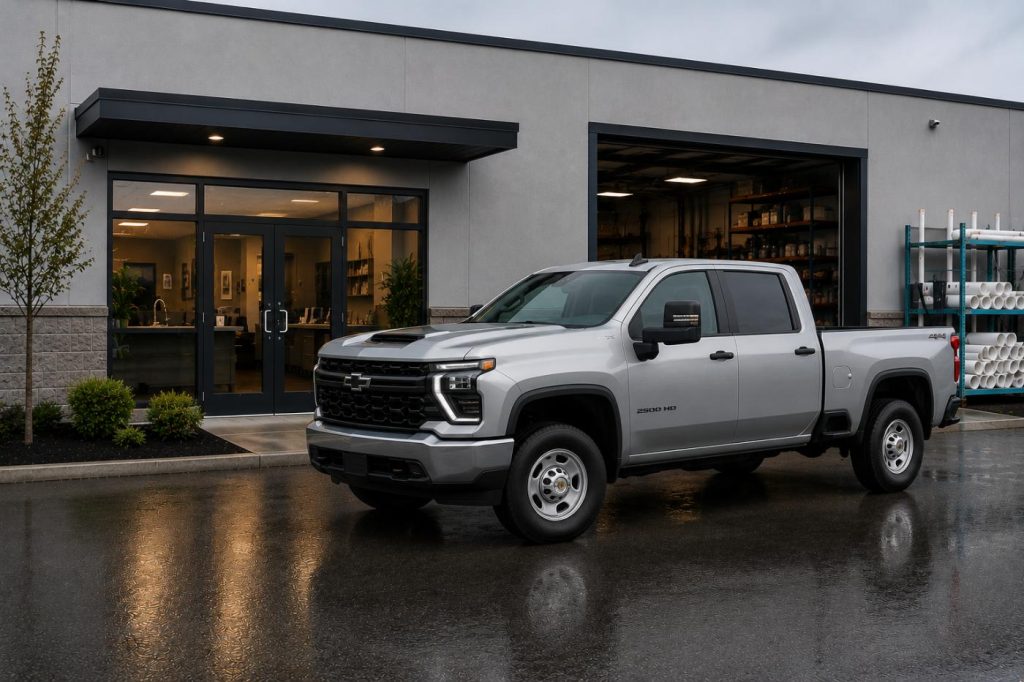
Have you ever looked at another business and wondered:
“What are they doing that we’re not?”
Maybe they started around the same time you did. Maybe they have similar services. Maybe they operate in the same market.
Yet somehow they keep growing while other businesses seem to work harder every year just to stay in the same place.
Most business owners assume the answer is marketing.
Sometimes it is. More often, it isn’t.
After working with thousands of businesses across industries, one pattern consistently emerges:
The companies that grow sustainably tend to focus on systems and measurements.
The companies that struggle often rely on effort alone.
Effort matters.
Systems scale.
Hard Work Is Required, But It Has Limits
Most successful business owners are incredibly hardworking people; it’s usually how the company got started.
The owner worked longer hours, took more calls, handled more customers, solved more problems.
For a while, that works.
Then growth reaches a point where personal effort alone is no longer enough.
There are only so many hours in a day and eventually, every owner encounters the same challenge:
The business becomes too large to run entirely through individual effort.
That’s when systems become essential.
The Difference Between Guessing and Measuring
Many businesses operate based on assumptions.
Examples include:
“We seem busy.”
“I think sales are up.”
“Customers seem happy.”
“Our advertising appears to be working.”
The problem is that assumptions are difficult to improve. Measurements are not.
Growing businesses typically track key metrics consistently.
They know:
- How many leads are generated
- How many leads convert
- Average revenue per customer
- Customer retention rates
- Profit margins
- Employee productivity
This information helps them make better decisions.
The Businesses That Win Usually Know Their Numbers
Ask ten business owners:
“What is your customer acquisition cost?”
Many won’t know.
Ask:
“What is your average lifetime customer value?”
Even fewer can answer.
Yet these numbers often determine whether growth is sustainable.
Understanding business metrics helps answer important questions:
- Should we hire?
- Should we expand?
- Should we increase marketing?
- Should we invest in equipment?
Without data, many decisions become educated guesses.
Why Busy Doesn’t Always Mean Productive
One of the biggest traps business owners fall into is confusing activity with progress.
A packed schedule and constant emails feels productive, but sometimes those activities create very little actual growth.
Productive activities generally produce one of three outcomes:
- More revenue
- Better efficiency
- Stronger customer relationships
Everything else deserves scrutiny.
Successful businesses regularly ask:
“Does this activity move the business forward?”
If the answer is no, it may not deserve significant attention.
The Businesses That Scale Build Repeatable Processes

Think about the last great customer experience you had.
Whether it was a restaurant, retailer, contractor, or service provider, chances are the experience felt consistent.
Consistency rarely happens by accident, it usually results from processes.
Growing businesses document:
- How customers are handled
- How employees are trained
- How projects are completed
- How problems are resolved
Consistency creates trust.
Trust creates referrals.
Referrals create growth.
A repeatable customer experience requires a predictable operational system. If your field technicians are battling unreliability or driving mismatched, unorganized setups, your brand’s consistency suffers. Standardizing your commercial vehicles is one of the fastest ways to build a process that scales.
Consult with a Jet Chevrolet Fleet Specialist and call our commercial desk at (253) 336-4216 to learn about fleet standardization and regional pool-stock availability.
Growth Often Comes From Eliminating Problems
Many owners focus exclusively on finding new opportunities.
Sometimes the biggest opportunity is solving an existing problem.
Examples include:
- Reducing missed appointments.
- Improving scheduling.
- Improving communication.
- Reducing employee turnover.
- Increasing customer retention.
Small operational improvements often create significant results over time.
Why Customer Retention Matters More Than Many Owners Realize
Every business and industry is different. However, successful companies often share common characteristics:
- They measure performance.
- They improve systems.
- They develop people.
- They solve problems.
- They make decisions using data rather than assumptions.
- They focus on long-term success rather than short-term activity.
Lessons From Businesses Across Western Washington
Throughout the Puget Sound and its surrounding communities, some businesses consistently outperform others.
It’s rarely because they work harder.
Most owners work hard.
More often, it’s because they have created systems that allow hard work to produce greater results.
Those systems help them:
- Serve customers better
- Retain employees longer
- Operate more efficiently
- Scale more effectively
Supporting Local Businesses
At Jet Chevrolet in Federal Way, conversations with business owners often revolve around growth, efficiency, and long-term planning.
As a locally owned and family-operated member of the Dinsmore Auto Group, the team understands that sustainable success is built through thoughtful decisions made consistently over time.
The philosophy remains simple:
Do More. Save More. Experience MORE.
For many business owners, doing more begins with understanding what drives growth and focusing energy on the activities that create the greatest impact.
Partner with Jet Chevrolet’s Fleet Team or connect directly with a dedicated commercial asset manager today at (253) 336-4216 to plan ahead for success.
Final Thoughts
Businesses rarely get stuck because owners don’t work hard enough, more often, businesses get stuck because growth eventually requires something beyond effort.
It requires systems, measurements, leadership, and consistency.
The businesses that continue growing aren’t necessarily smarter, they simply become more intentional about how they operate. Over time, those small improvements compound into something significant.
That’s how sustainable growth happens.
Most business owners know what their vehicle payment is.
Many know roughly what they spend on fuel.
Some know their maintenance costs.
But very few know the true cost of vehicle downtime.
Whether you own a plumbing company in Tacoma, an HVAC business in Kent, an electrical contracting company in Renton, or a construction firm serving the greater Seattle area, downtime is often one of the largest hidden expenses in your operation.
The surprising part?
The repair bill is usually the smallest part of the problem.
What Is Fleet Downtime?
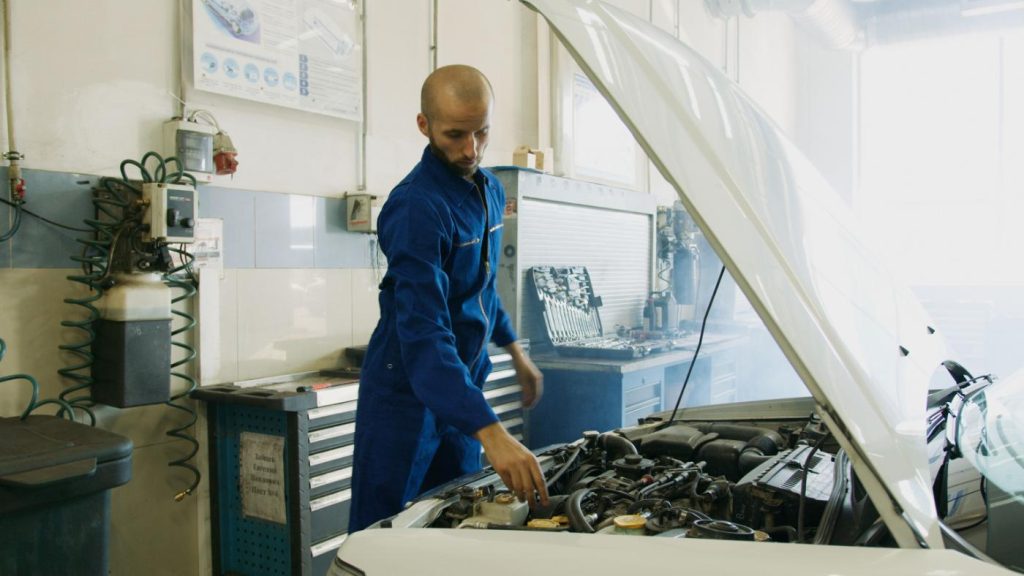
Fleet downtime occurs anytime a vehicle is unavailable to perform its intended function.
Examples include:
- Waiting for repairs
- Scheduled maintenance
- Parts delays
- Accidents
- Tire failures
- Mechanical breakdowns
- Electrical issues
Most businesses focus on the direct repair expense.
However, the indirect costs often have a much larger impact on profitability.
The Domino Effect of a Broken Vehicle
Imagine a service van breaks down Monday morning.
At first glance, the problem appears simple: The repair estimate is $1,500.
Most business owners stop there,
Unfortunately, that isn’t the actual cost.
Let’s look deeper.
Lost Revenue
If a technician normally completes:
- 5 service calls per day
- $400 average revenue per call
That vehicle may generate approximately $2,000 in revenue per day. If repairs take three days, the lost opportunity could be significant.
Even if some work is rescheduled, many businesses still experience disruptions to revenue production.
Employee Productivity Doesn’t Stop Costing You
When vehicles go down, payroll often continues.
Employees may be:
- Waiting for transportation
- Sharing vehicles
- Rescheduling appointments
- Making additional trips
- Working inefficiently
The company continues paying wages while productivity decreases.
For growing companies, these hidden labor costs can quickly exceed repair expenses.
Customer Experience Suffers
Most businesses work hard to earn customer trust.
Vehicle downtime can create:
- Delayed appointments
- Rescheduled installations
- Longer response times
- Reduced service availability
Customers may not remember why their appointment was delayed. They simply remember that it happened.
For service-based businesses, customer experience often drives referrals and repeat business.
Emergency Vehicle Purchases Are Rarely Good Business Decisions
One of the most common patterns we see among growing companies is reactive purchasing.
A vehicle fails.
The business suddenly needs transportation.
The owner buys whatever is available.
Unfortunately, emergency purchases often lead to:
- Higher costs
- Limited inventory options
- Poor vehicle fit
- Financing pressure
Buying a vehicle under pressure can limit your inventory choices and lead to higher long-term operating costs.
Establishing a proactive fleet plan ensures you secure the exact configurations your crew requires, without compromising your budget or financing terms.
Consult with a commercial vehicle expert and call our fleet team at (253) 336-4216 to discuss strategic replacement planning and check current regional vehicle availability.
How Downtime Impacts Recruiting
Many owners don’t realize that vehicles affect employee retention.
Imagine two technicians.
One works for a company with:
- Reliable vehicles
- Consistent maintenance
- Professional equipment
The other regularly deals with:
- Breakdowns
- Check engine lights
- Unreliable transportation
Which company is more likely to retain talent?
Reliable equipment communicates that leadership values employee success.
That matters in today’s competitive labor market.
The Seattle-Tacoma Traffic Factor
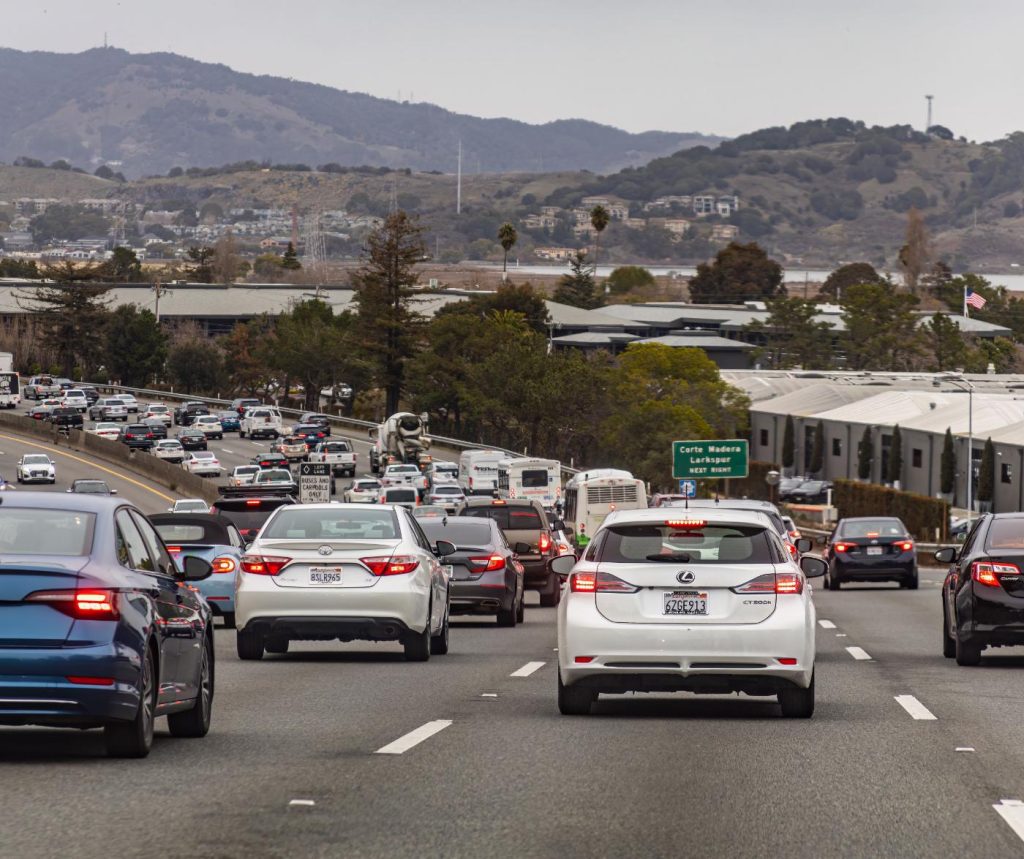
Businesses operating throughout Western Washington face unique challenges.
A breakdown doesn’t just create downtime, it often creates extended downtime.
A service vehicle disabled on I-5, SR-167, SR-18, Highway 16, or I-405 can disrupt an entire day.
Companies serving:
- Seattle
- Tacoma
- Federal Way
- Kent
- Auburn
- Bellevue
- Renton
- Everett
- Lynnwood
depend heavily on transportation efficiency.
When schedules are already tight, downtime becomes even more expensive.
Why the Lowest-Cost Vehicle Isn’t Always the Cheapest Vehicle
Many business owners focus on acquisition cost.
The better question is:
“What does this vehicle cost me over its lifetime?”
A vehicle that costs less upfront may produce:
- More downtime
- More repairs
- Lower productivity
- Shorter lifespan
Meanwhile, a vehicle with a higher initial investment may deliver:
- Better reliability
- Longer service life
- Higher resale value
- Lower operating costs
The difference is often substantial.
What Successful Fleet Managers Measure
Companies with highly effective fleets often track:
Cost Per Mile:
Understanding operating costs helps identify underperforming vehicles.
- Downtime Hours: Tracking unavailable vehicle hours reveals hidden inefficiencies.
- Maintenance Cost Trends: Repair costs often indicate when replacement should be evaluated.
- Revenue Per Vehicle: Understanding how much revenue each vehicle supports creates smarter business decisions.
- Vehicle Utilization: Some businesses discover certain vehicles are underutilized while others are overworked.
This data can dramatically improve fleet planning.
Questions Every Business Owner Should Ask
When evaluating fleet performance, consider:
- Which vehicle has the highest repair costs?
- Which vehicle creates the most downtime?
- Which vehicle is least productive?
- Which vehicle is closest to replacement?
- Which vehicle generates the most revenue?
The answers often reveal opportunities for improvement.
Why Growing Companies Think About Fleet Strategy Differently
The most successful businesses don’t think of fleet vehicles as expenses, they view them as revenue-producing assets.
Just like:
- Employees
- Equipment
- Technology
- Facilities
Vehicles should help generate growth.
The objective isn’t simply reducing costs, it’s maximizing productivity.
Supporting Businesses Across Western Washington
At Jet Chevrolet in Federal Way, many of the conversations we have with local businesses aren’t about horsepower or towing capacity.
They’re about operations.
Business owners want to know:
- How can we improve efficiency?
- How can we reduce downtime?
- How can we support growth?
- How can we make better fleet decisions?
As a locally owned and family-operated member of the Dinsmore Auto Group, Jet Chevrolet understands that local businesses are the backbone of our communities.
The Dinsmore philosophy is simple:
Do More. Save More. Experience MORE.
For business owners, that often means helping them think strategically about their fleet and how it supports long-term success. Let’s shift your fleet from a reactive headache to a strategic advantage before your next major breakdown.
Schedule a consultation or call Jet Chevrolet’s team directly at (253) 336-4216 to audit your current vehicle lifecycles and secure reliable pool-stock replacements.
Final Thoughts
The most expensive vehicle in your fleet is often not the one with the largest payment, it’s the one that isn’t working.
Vehicle downtime affects:
- Revenue
- Productivity
- Customer satisfaction
- Employee morale
- Business growth
When business owners begin measuring the true cost of downtime, fleet decisions become much clearer.
Because in the end, the goal isn’t simply owning vehicles.
The goal is keeping your business moving.

Ask most business owners what they need more of and you’ll hear similar answers:
More customers.
More employees.
More revenue.
More profit.
But if you dig deeper, you’ll usually discover the real answer is much simpler: They need more time.
Every business owner in the Puget Sound from Seattle to Tacoma, Renton to Everett, and throughout Western Washington operates under the same limitation.
There are only 24 hours in a day. No amount of hard work changes that.
The businesses that grow most successfully often aren’t the ones with the most resources.
They’re the ones that use their time most effectively.
The Hidden Cost of Wasted Time
Most business owners can quickly identify wasted money, yet few can accurately identify wasted time.
The problem is that wasted time hides inside everyday operations.
Examples include:
- Employees searching for tools
- Multiple trips to suppliers
- Unorganized inventory
- Unnecessary meetings
- Repeated mistakes
- Inefficient scheduling
- Equipment breakdowns
Each individual event seems minor, but collectively, they can consume hundreds of hours every year.
Small Delays Become Large Expenses
Imagine a technician loses just 15 minutes per day.
That doesn’t sound significant. However, 15 minutes per day, 5 days per week, 50 weeks per year equals more than 62 hours annually.
That’s more than a week and a half of productivity.
Now multiply that across multiple employees, the impact becomes substantial.
Why Productivity Isn’t About Working Harder
Many owners attempt to solve efficiency problems by pushing harder.
Longer hours. More overtime. More pressure.
The problem is that productivity and effort are not the same thing. The most productive businesses often focus on eliminating friction. They ask:
- What’s slowing us down?
- Where are we wasting time?
- What process could be improved?
The answers usually reveal opportunities.
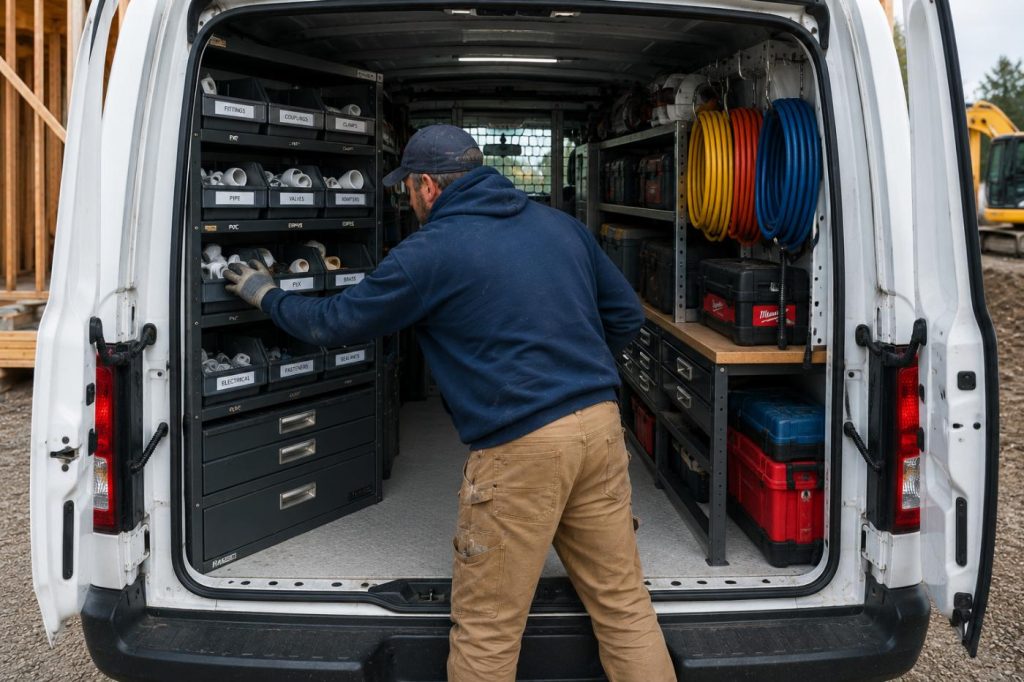
The Service Vehicle Example
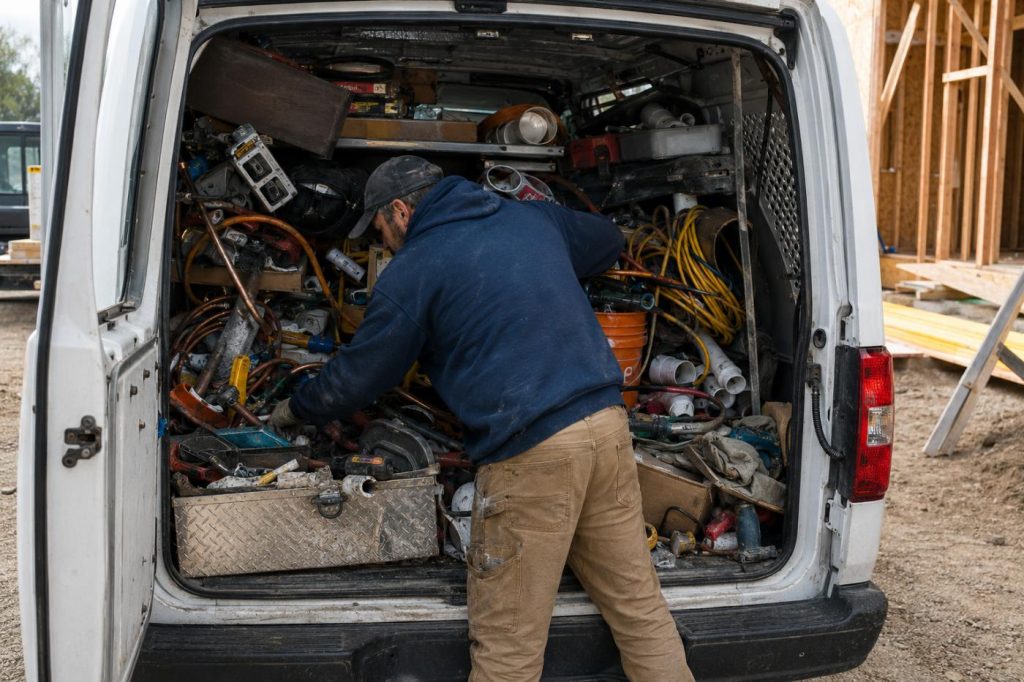
Consider a typical service technician.
How many times per day do they access:
- Tools
- Inventory
- Equipment
- Supplies
If a vehicle is disorganized, employees may spend valuable time searching.
If inventory isn’t properly stocked, additional trips may be required.
If equipment isn’t secured properly, tools may become damaged or misplaced.
These issues may seem small, but over hundreds of service calls, they become expensive.
Why Organization Creates Capacity
One of the biggest misconceptions in business is that growth requires more employees. Sometimes growth simply requires better organization.
A technician who completes 5 service calls per day might complete 6 service calls per day if inefficiencies are removed.
That improvement doesn’t require hiring, it requires optimization.
Across an entire workforce, small gains often create significant capacity.
Fleet Vehicles Are More Than Transportation
Many companies view vehicles primarily as a transportation expense.
Successful businesses often view them differently.
They view them as productivity tools.
A properly configured service vehicle can help:
- Reduce wasted motion
- Improve inventory management
- Increase technician efficiency
- Reduce trips back to the shop
- Improve customer response times
The vehicle becomes part of the operating system, not just a way to get from Point A to Point B.
The Cost of “We’ll Figure It Out”
Many businesses grow faster than their systems, and as a result, employees create workarounds.
Inventory gets stored wherever there is space. Tools end up scattered. Processes become inconsistent.
Eventually, inefficiency becomes normal. The phrase “We’ll figure it out” works temporarily.
But successful growth usually requires more intentional systems.
You don’t have to figure it out alone, and you shouldn’t wait. Give Jet Chevrolet a call today at (253) 336-4216, and let’s figure out the right strategy for your business’s future.
Why High-Performing Companies Obsess Over Minutes

Professional sports teams analyze fractions of seconds.
Successful businesses often analyze minutes.
Because minutes compound. Saving 5 minutes here, 10 minutes there, and 20 minutes somewhere else can create hours of productive capacity every week.
The best operators understand this and they’re constantly looking for ways to simplify work.
Questions Every Owner Should Ask
- How much time do employees spend looking for tools?
- How often do technicians return to the shop?
- How much downtime is caused by disorganization?
- What tasks consume time without creating value?
- What would our employees change if they owned the company?
The answers are often revealing.
Technology Helps. Systems Matter More.
Many businesses look for software solutions, and technology can help. But technology rarely fixes broken processes.
Successful businesses typically:
- Build systems first
- Use technology to support those systems
- Continuously improve operations
The focus remains on efficiency rather than complexity.
Why This Matters in the Seattle-Tacoma Market
Western Washington is a unique place to operate a business.
Companies often contend with:
- Traffic congestion
- Large service territories
- Labor shortages
- Increasing operating costs
These challenges make efficiency even more important. Businesses that maximize productivity often gain a competitive advantage.
Not because they work harder.
Because they waste less time.
What the Most Efficient Companies Have in Common
Regardless of industry, highly efficient businesses often share similar traits.
They:
- Measure performance
- Organize resources
- Standardize processes
- Eliminate unnecessary steps
- Invest in tools that improve productivity
This includes vehicles, technology, equipment, and training. Every investment is evaluated through a simple lens:
Will this save time?
If the answer is yes, it may create significant value.
Supporting Local Businesses Throughout Western Washington
At Jet Chevrolet in Federal Way, conversations with business owners frequently center around efficiency.
Owners often ask:
- How do we get more done?
- How do we reduce downtime?
- How do we support growth without adding unnecessary costs?
In many cases, fleet strategy becomes part of that conversation. Not because vehicles are the goal, but because they support the goal.
As a locally owned and family-operated member of the Dinsmore Auto Group, the team understands that every hour matters when you’re running a business.
Their philosophy remains simple:
Do More. Save More. Experience MORE.
And often, doing more starts by finding ways to get more value from the time you already have.
At Jet Chevrolet, we believe every hour saved is an opportunity gained. Partner with a locally owned team that understands your dedication to doing more and saving more, call at (253) 336-4216.
Final Thoughts
Money can be borrowed. Equipment can be purchased. Employees can be hired.
Time is different. Once it’s gone, it’s gone.
That’s why the most successful businesses focus relentlessly on efficiency.
They eliminate waste. They improve systems. They invest in tools that help people perform at a higher level.
Because the most valuable resource in your business isn’t cash.
It’s time.
And how you use it often determines how far your business can grow.
Chevy EVs for Every Drive
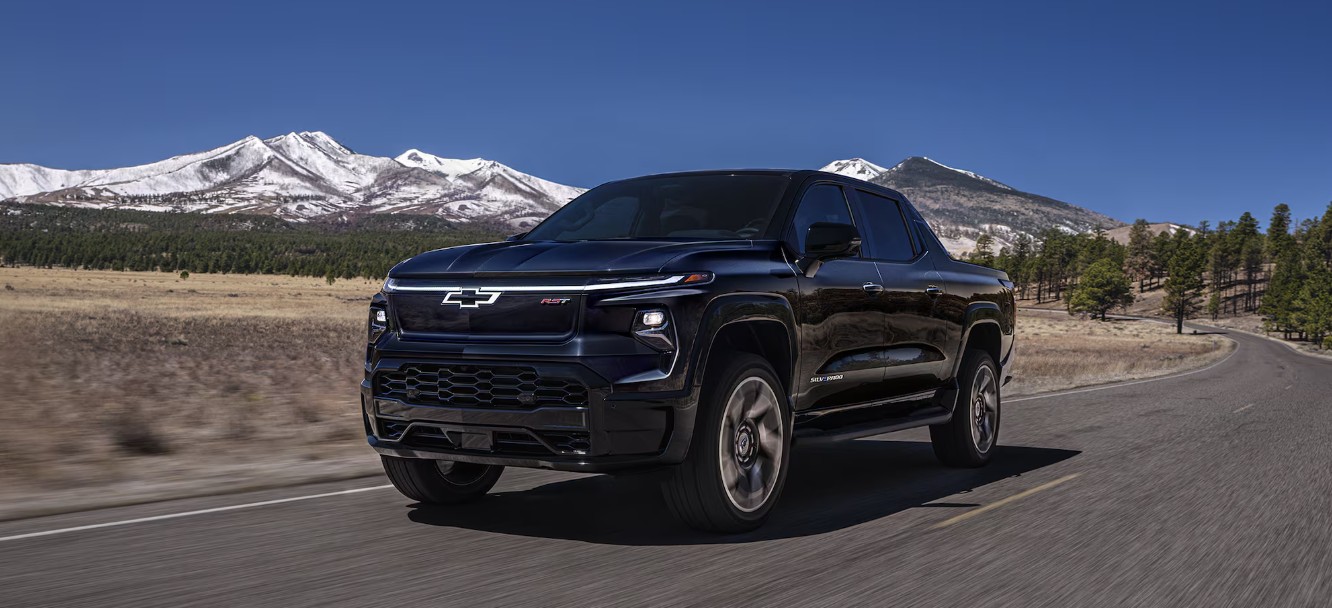
At Jet Chevrolet, part of the trusted Dinsmore Auto Group, we see firsthand how electric vehicles are transforming daily driving across Federal Way and the South Sound. Whether you are commuting along I-5, heading toward Tacoma, or exploring the Pacific Northwest, Chevy EVs offer a practical and forward-thinking way to travel. With multiple models now available, there truly is an electric option for nearly every lifestyle.
Key Takeaways
- Chevy EVs offer a range of models, including SUVs and trucks, designed for different driving needs.
- Models like the Equinox EV, Blazer EV, and Silverado EV provide versatility for Pacific Northwest drivers.
- Benefits of Chevy EVs include reduced fuel costs, fewer maintenance needs, and smooth performance.
- Chevy technology and EV features support connectivity, safety, and convenient charging.
- Local drivers can explore available models and schedule test drives at Jet Chevrolet in Federal Way.

What Chevy EV Models Are Available Today?
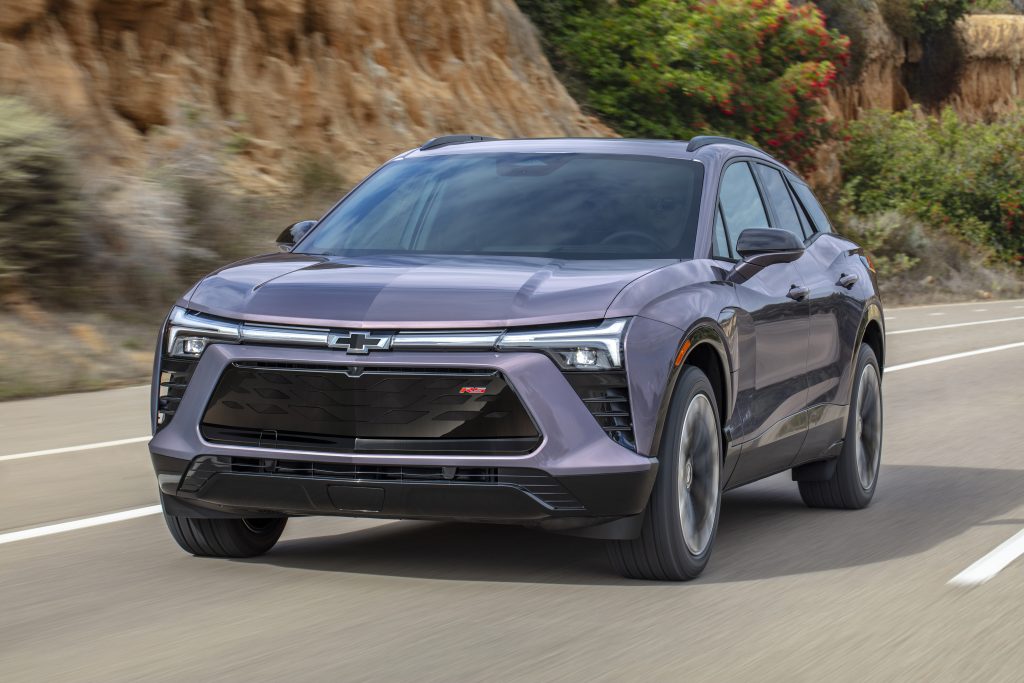
Chevrolet has expanded its electric lineup in a meaningful way, giving drivers more options than ever. Whether you are looking for a compact SUV or a capable truck, there is a model designed to fit your needs. The Chevy Equinox EV stands out as an approachable, affordable SUV with impressive range and modern styling. It is a strong choice for commuters and families alike, especially those searching for affordable SUVs in Federal Way WA that can handle daily driving with ease.
For drivers who want a sportier feel, the Chevy Blazer EV delivers bold design and performance-focused trims. It blends SUV practicality with dynamic handling, making it a great fit for drivers navigating both city streets and open highways in the South Sound.If capability is your priority, the Chevy Silverado EV brings electric power to the truck segment. With strong towing capability, innovative storage solutions, and a durable design, it is well-suited for work and recreation across the Pacific Northwest. Chevrolet also set the stage for its EV growth with earlier models like the Bolt EV and Bolt EUV, which helped introduce many drivers to all-electric driving. While newer models now lead the lineup, that legacy continues in today’s advanced Chevy EV technology.
Why Are Chevy EVs a Smart Choice for Pacific Northwest Drivers?
Driving conditions in the Pacific Northwest can vary from wet highways to hilly terrain, and Chevy EVs are built with that in mind. Instant torque provides responsive acceleration, which is helpful when merging onto busy roads or climbing inclines. Electric driving also means fewer stops at the gas station. For many Federal Way drivers, this translates into real savings over time. Charging at home or at public stations throughout the region makes ownership more convenient than many people expect.
Another advantage is reduced maintenance. Without a traditional engine, EVs eliminate oil changes and many routine service items. That simplicity can make a big difference for drivers who want a low-maintenance vehicle. Chevy EV features also enhance everyday usability. From regenerative braking that helps extend range to intuitive infotainment systems, these vehicles are designed to feel seamless and modern.
How Does Chevy Technology Improve the EV Experience?
Chevy technology plays a major role in making electric driving accessible and enjoyable. Inside models like the Equinox EV and Blazer EV, you will find large digital displays, smartphone integration, and user-friendly controls that keep everything within reach. Advanced driver assistance features add confidence behind the wheel. Systems such as lane keep assist, forward collision alert, and available hands-free driving technology on select models help support safer travel on busy Pacific Northwest roads.
Charging technology is another key benefit. Many Chevy EVs offer fast charging capability, allowing you to regain significant range in a relatively short time. Combined with a growing network of public charging stations, it is easier than ever to plan longer trips. If you are comparing vehicles or exploring cars for sale in Federal Way WA, taking a closer look at Chevy EV features can help you see how these models fit into your daily routine.
Which Chevy EV Fits Your Lifestyle in Federal Way WA?
Choosing the right EV comes down to how you drive and what you need from your vehicle. If your priority is efficiency and value, the Equinox EV is a practical choice for commuting and family use. It offers the space of an SUV with the efficiency of an electric powertrain, making it one of the best cars for commuting in the Pacific Northwest.
For drivers who want a blend of style and performance, the Blazer EV adds a more athletic edge while still delivering everyday versatility. It is ideal for those who want their vehicle to stand out while handling daily errands and weekend trips. Truck buyers will appreciate the Silverado EV for its strength and innovation. Whether you are hauling gear or heading out for outdoor adventures, it provides the capability expected from a Chevy truck with the added benefits of electric power. If you are unsure which model fits best, we always recommend exploring your options in person. You can browse our current selection, compare trims, and schedule a test drive at Jet Chevrolet to experience the differences firsthand.
What Are the Benefits of Chevy EV Ownership?
The benefits of Chevy EVs extend beyond just fuel savings. Many drivers find that electric vehicles offer a quieter, smoother ride compared to traditional gas-powered models. That can make daily commutes more comfortable and less stressful. There are also environmental benefits to consider. Driving an EV produces zero tailpipe emissions, which can help reduce your overall environmental impact while driving through the South Sound and surrounding areas.
Ownership incentives may also be available depending on current programs and eligibility, adding another layer of value for those considering the switch to electric. Finally, Chevrolet continues to invest in EV innovation, meaning today’s models are built with future advancements in mind. From software updates to expanding charging infrastructure, the EV experience continues to improve.
Where Can You Find Chevy EVs in the South Sound?
Finding the right EV starts with working with a dealership that understands both the vehicles and the local driving environment. At Jet Chevrolet, we take pride in helping drivers throughout Federal Way and the greater South Sound explore their options with confidence. Our team is familiar with the needs of Pacific Northwest drivers, from commuting patterns to weather conditions. As part of Dinsmore Auto Group, we are committed to providing a reliable and transparent experience, whether you are just starting your EV research or ready to make a decision.
If you are searching for AWD vehicles in the Pacific Northwest or exploring the latest in electric innovation, visiting a dealership with a strong local reputation can make all the difference. At Jet Chevrolet, we invite you to explore our available models, compare Chevy EV features, and find the right fit for your lifestyle. Browse our current inventory online or stop by our Federal Way location to see these vehicles in person. When you are ready, schedule a test drive and experience how Chevy EVs are changing the way we drive in the South Sound.
*Penned by AI, polished by humans
Blazer EV Makes Driving Effortless
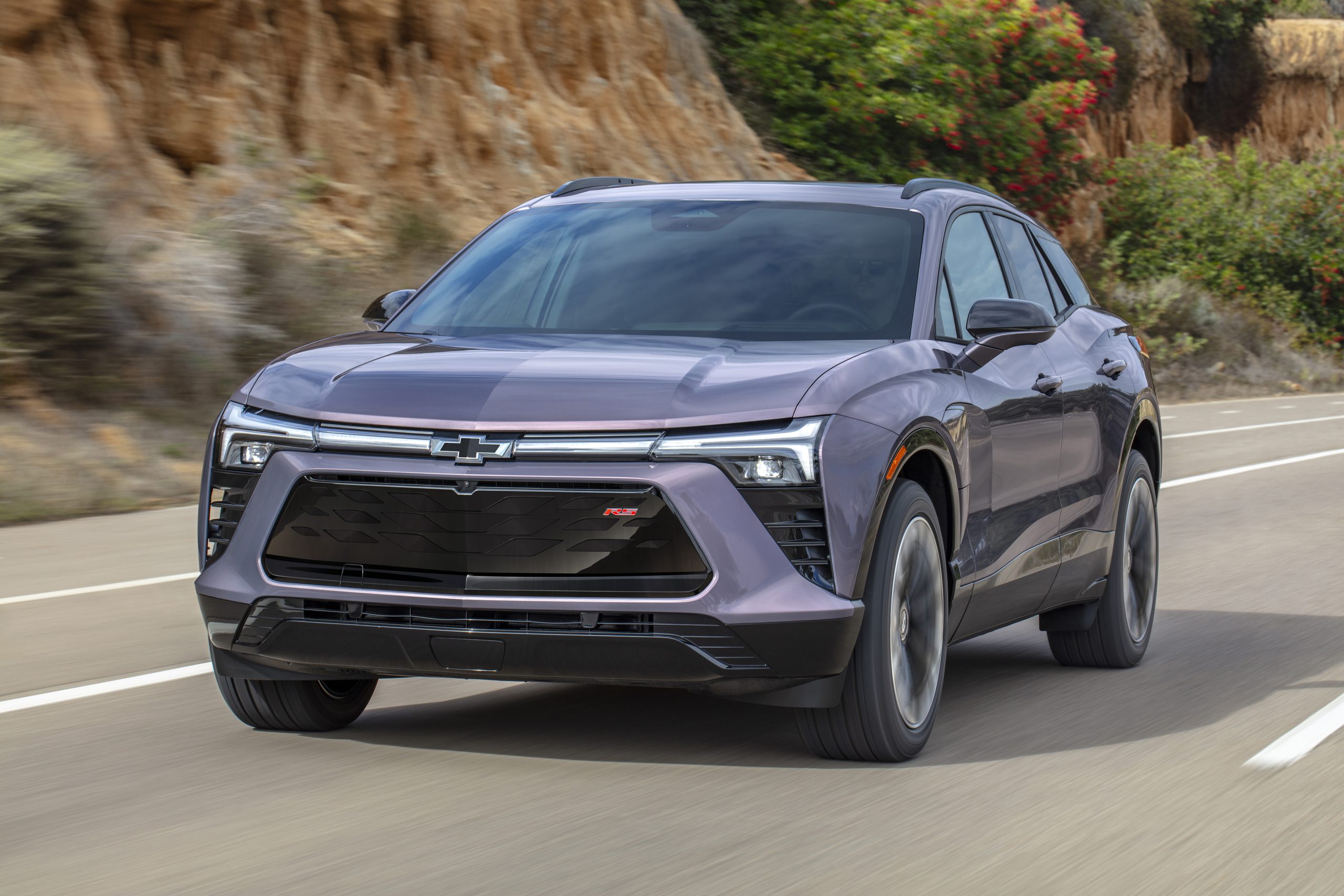
For drivers in Federal Way and across the South Sound, making the switch to electric can feel like a big step. At Jet Chevrolet, part of the Dinsmore Auto Group, we talk with customers every day who are curious about EVs but unsure how they’ll fit into their routine. The good news is that the Chevrolet Blazer EV is designed to make that transition feel natural, comfortable, and surprisingly simple.
Key Takeaways
- The Chevy Blazer EV offers intuitive technology that reduces the learning curve for new EV drivers.
- Smooth acceleration and one-pedal driving make daily commuting easier in Pacific Northwest traffic.
- Charging is flexible, with home and public options that fit busy schedules.
- Chevy Safety Assist provides added confidence for first-time EV owners.
- The Blazer EV combines SUV practicality with electric efficiency for South Sound drivers.
What makes the Blazer EV easy for first time EV drivers?
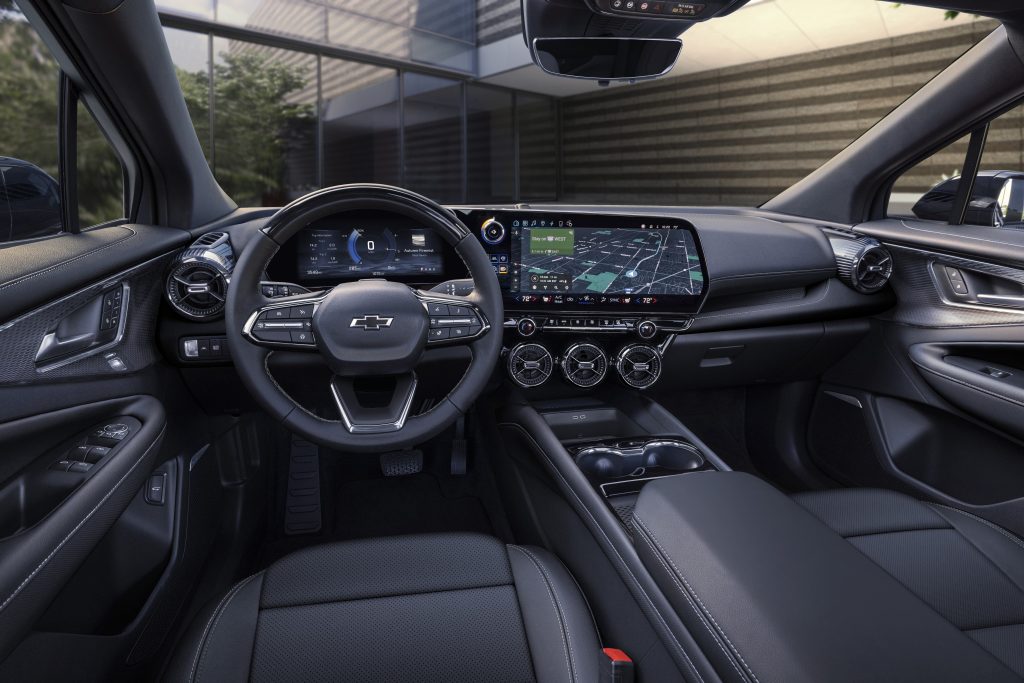
One of the biggest concerns we hear from customers shopping for cars for sale in Federal Way is how different an EV will feel compared to a gas-powered vehicle. The Blazer EV answers that question right away by keeping things familiar where it matters. The cabin layout is clean and driver-focused, with a large, easy to read infotainment screen that integrates navigation, charging info, and media controls in one place. Chevy EV technology is designed to be intuitive, so you are not digging through menus just to find basic features. The transition from gas to electric feels seamless. Push-button start, smooth acceleration, and quiet operation quickly become second nature. For many drivers, it feels like upgrading their current SUV rather than learning something entirely new.
How does the Blazer EV simplify daily commuting in the Pacific Northwest?
If you commute through Federal Way, Tacoma, or the greater South Sound, you already know that traffic and changing weather conditions are part of everyday driving. The Blazer EV is well-suited for both. Electric power delivers instant torque, which means merging onto I-5 or navigating stop and go traffic feels smooth and responsive. There is no lag, no gear shifting, just steady acceleration when you need it.
Another standout feature is one-pedal driving. This allows you to slow down and even stop the vehicle by easing off the accelerator. In heavy traffic, that can significantly reduce driver fatigue. It is one of those features that new EV drivers quickly come to appreciate. For those looking at AWD vehicles in the Pacific Northwest, the Blazer EV also offers available all-wheel drive. That added traction is especially helpful during rainy seasons or on slick roads common in our region.
Is charging a Blazer EV convenient for busy schedules?
Charging is often the biggest question for EV newcomers, but in reality, it is much simpler than many expect. Most drivers handle the majority of their charging at home. Plugging in overnight means waking up to a full charge, similar to charging your phone. For drivers who need flexibility, the growing network of public charging stations throughout Federal Way and the surrounding area makes it easy to top off while running errands or commuting. Fast charging options can add significant range in a short amount of time.
We often recommend that customers explore their daily driving habits. Many find that the Blazer EV fits seamlessly into their routine without requiring major adjustments. If you are considering making the switch, you can always browse our current selection or schedule a test drive at Jet Chevrolet to see how charging fits into your lifestyle.
How does Chevy Safety Assist build driver confidence?
For first-time EV drivers, confidence behind the wheel is just as important as efficiency. That is where Chevy Safety Assist plays a key role.This suite of advanced safety features includes technologies like automatic emergency braking, lane keep assist, forward collision alert, and more. These systems work quietly in the background, helping you stay aware of your surroundings and avoid potential hazards.
In busy South Sound traffic or during long commutes, these features provide peace of mind. Whether you are navigating city streets or heading out for a weekend drive, the Blazer EV supports you with smart, responsive safety technology.
Why is the Blazer EV a practical SUV for Federal Way drivers?
Beyond its electric capabilities, the Blazer EV still delivers everything drivers expect from a modern SUV. It offers a spacious interior, flexible cargo space, and a comfortable ride for both daily errands and longer trips. For families and commuters alike, this balance is important. You are not sacrificing practicality to go electric. Instead, you are gaining efficiency while keeping the versatility you need.
In a region where outdoor activities are part of the lifestyle, having a vehicle that can handle gear, groceries, and passengers comfortably makes a real difference. The Blazer EV fits right into that lifestyle, making it one of the best cars for commuting in the Pacific Northwest while still being ready for weekend adventures.
What sets the Blazer EV apart from other affordable SUVs in Washington?
As more electric vehicles enter the market, the Blazer EV stands out by combining advanced technology with everyday usability. It does not feel like a niche product or a futuristic experiment. It feels like a well-rounded SUV that happens to be electric. Chevrolet has focused on making EV ownership approachable. From user-friendly interfaces to practical driving features, everything is designed with real drivers in mind. That is something we value at Jet Chevrolet, where we prioritize helping customers find vehicles that genuinely fit their needs.
As part of the Dinsmore Auto Group, we also bring a strong reputation for customer service and a commitment to helping drivers throughout Federal Way and the South Sound make informed decisions. Our team is here to answer questions, walk you through features, and ensure you feel confident every step of the way.

Ready to experience the Blazer EV in Federal Way?
Making the switch to electric does not have to be complicated. The Chevrolet Blazer EV is built to make daily driving easier, more efficient, and more enjoyable from the very first mile.
At Jet Chevrolet, we invite you to explore our available models on the lot and see how the Blazer EV fits into your routine. Whether you are just starting your EV journey or ready to take the next step, our team in Federal Way is here to help. Visit us today, browse our current inventory, or schedule a test drive to experience the difference for yourself.
*Penned by AI, polished by humans
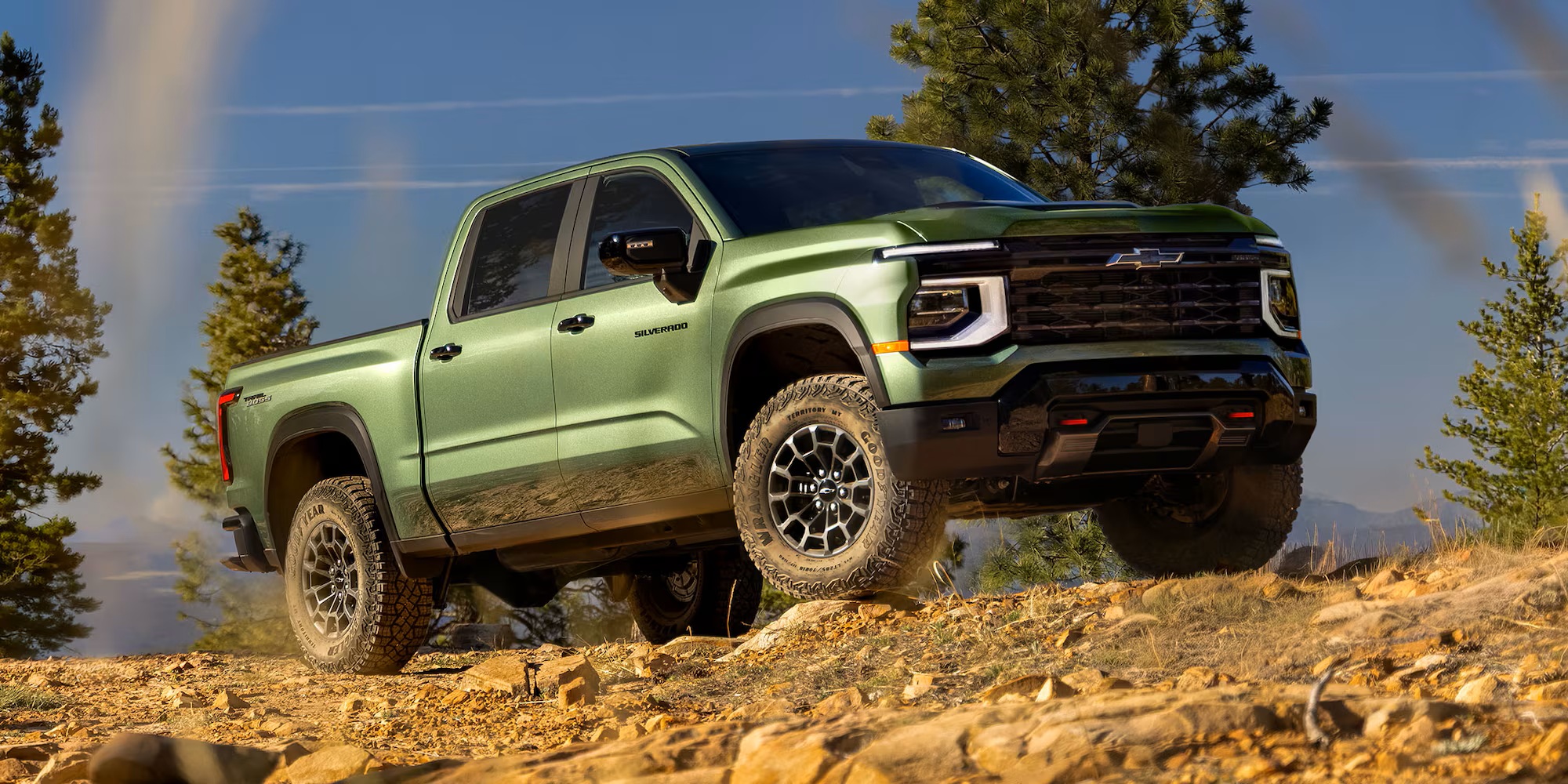
At Jet Chevrolet, part of the Dinsmore Auto Group here in Federal Way, we are already looking ahead to the 2027 Silverado and what it means for Chevy drivers across the South Sound and the Pacific Northwest. From new powertrains to advanced technology, this next‑generation truck represents a major shift in how Chevy builds, equips, and supports hardworking pickups.
Key Takeaways
- The 2027 Silverado introduces a next‑generation seven‑trim lineup with three factory‑lifted off‑road models.
- Chevy is adding new 5.7L and 6.6L V8 engines while keeping turbo four‑cylinder and diesel options.
- Every 2027 Silverado gets a 16.3‑inch center display and 12.2‑inch digital driver display, plus available Super Cruise.
- The truck is expected to go on sale near the end of 2026, with more specs to be released closer to launch.
- Jet Chevrolet and Dinsmore Auto Group plan to help South Sound drivers compare trims and find the right 2027 Silverado for local driving needs.
Why Is The 2027 Silverado Such A Big Deal For Chevy?
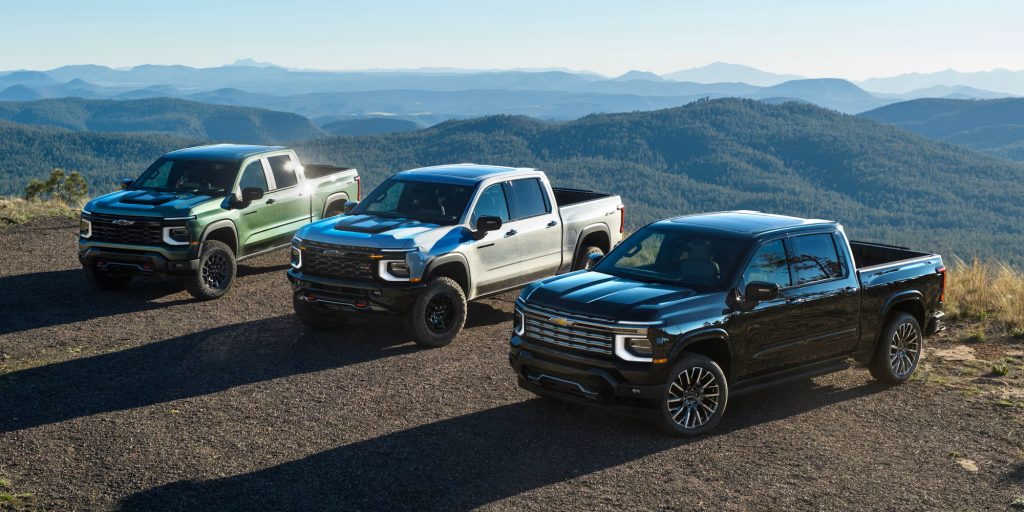
Chevrolet is calling the next‑generation 2027 Silverado 1500 the most powerful Silverado ever, and that alone signals how important this truck is to the brand’s future. The upcoming model introduces a fresh seven‑trim lineup, including Work Truck, Custom, Silverado, Trail Boss, Custom Trail Boss, ZR2, and High Country, designed to cover everything from value‑focused work rigs to premium daily drivers. For drivers around Federal Way and the greater Pacific Northwest, this means more distinct personalities and clearer choices when you build or shop for your next truck.
Chevy is also reorganizing the trims to better match how customers actually use their trucks, with three factory‑lifted options for buyers who want serious off‑road capability or rugged styling straight from the showroom. That focus on real‑world use is part of why we see the 2027 Silverado as a turning point, because it gives everyday drivers and businesses more targeted options instead of one‑size‑fits‑all packages.
What Do We Know So Far About The 2027 Silverado Powertrains?
Under the hood, Chevy is introducing two all‑new small‑block V8 engines, a 5.7‑liter and a 6.6‑liter, to replace the current 5.3‑liter and 6.2‑liter V8s. Chevrolet has stated that the 6.6‑liter V8 is expected to deliver the highest output in the full‑size pickup segment, setting a new performance benchmark for truck shoppers who tow, haul, and drive long distances. At the same time, the proven turbocharged 2.7‑liter four‑cylinder and the 3.0‑liter Duramax turbo‑diesel inline‑six will remain in the lineup, giving buyers four distinct engine choices.
All of these engines will be paired with a 10‑speed automatic transmission, and Chevy has confirmed that every 2027 Silverado variant will use this updated gearbox. Detailed towing, payload, and fuel economy ratings are still to come, but the combination of next‑generation V8s, strong turbo and diesel options, and a refined 10‑speed transmission is a clear signal that Chevy wants this truck to feel both more powerful and more composed on the road. If you commute from Federal Way into Tacoma or Seattle, or split your time between city streets and mountain roads, that mix of power and refinement should make the 2027 Silverado a standout among trucks and AWD vehicles in the Pacific Northwest.
How Is Chevy Technology Changing Inside The 2027 Silverado?
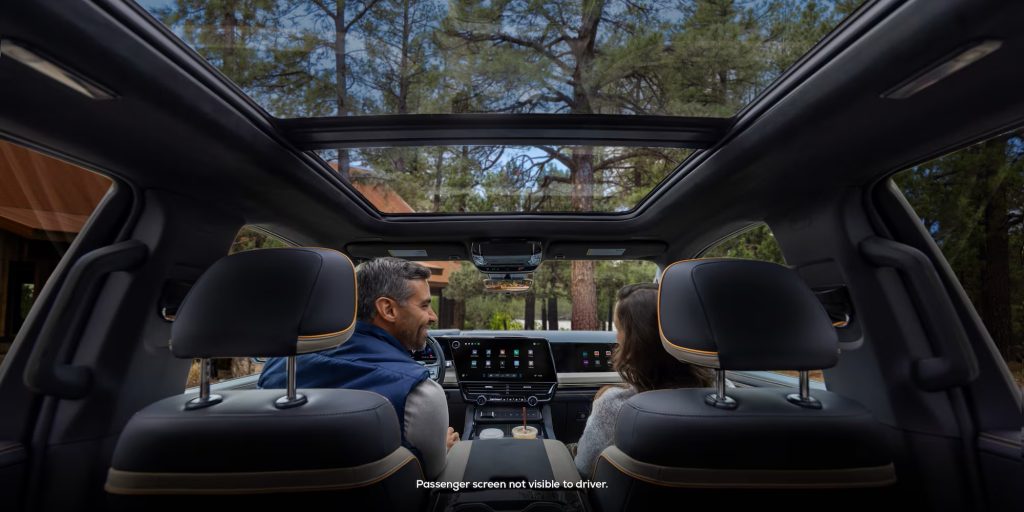
Inside the cab, Chevrolet is making digital technology a core part of the 2027 Silverado experience. Every trim, including the Work Truck, is set to receive a 16.3‑inch central touchscreen paired with a 12.2‑inch digital driver display. Upper trims like ZR2 and High Country add an available head‑up display and even an 11.5‑inch passenger‑side screen, giving co‑drivers their own space for entertainment or navigation.
Chevy has also confirmed that Super Cruise, the brand’s hands‑free highway driving technology, will continue to be available on the 2027 Silverado, likely on higher‑end trims. For South Sound drivers who spend long stretches on I‑5 or head out on weekend road trips, this kind of advanced driver assistance can make a big difference in comfort and confidence. When you start comparing the 2027 Silverado to other trucks for commuting in the region, these upgraded displays and driver‑assist features will be key reasons many shoppers lean toward Chevy.
If you are already thinking about how these tech upgrades fit your daily routine, we recommend keeping an eye on our current selection and upcoming inventory, so you can line up a test drive once the 2027 Silverado arrives. Our team at Jet Chevrolet will be ready to walk you through Chevy technology updates and help you see how they work on the roads you drive every day.
What Kind Of Trim Options Will Pacific Northwest Drivers See?
The new seven‑trim structure is one of the clearest signs that the 2027 Silverado is built with specific driver needs in mind. Work Truck, Custom, and the core Silverado trim focus on value and everyday usability, giving business owners and daily commuters straightforward choices with strong capability. High Country continues as the premium option with more comfort, upscale materials, and access to the latest technology and driver assistance features.
Custom Trail Boss, Trail Boss, and ZR2 form a family of three lifted trims that cater to off‑road and adventure‑oriented drivers, with the ZR2 positioned as the most off‑road capable Silverado ever. These trims are expected to offer upgraded suspension, all‑terrain tires, and additional off‑road hardware, making them appealing for drivers who head into the mountains, explore forest service roads, or simply want a confident truck for wet and uneven surfaces common around Federal Way and across the Pacific Northwest. When the 2027 Silverado lineup arrives at Jet Chevrolet, it will be much easier for local shoppers to match a truck’s personality to their lifestyle, whether they are looking for work‑focused reliability or weekend‑ready capability.
When Is The 2027 Silverado Expected To Arrive At Dealerships?
Chevrolet has stated that the 2027 Silverado 1500 is expected to go on sale near the end of 2026, with some sources noting that the truck should reach dealers late this year or in early 2027. Final specs for horsepower, torque, towing, payload, and some pricing details have not yet been announced and will be released closer to the official on‑sale date. Current estimates suggest that starting prices will land in the high thirty‑thousand to roughly forty‑thousand dollar range, with well‑equipped High Country and off‑road ZR2 models reaching into the low eighty‑thousand range.
For truck shoppers searching for cars for sale in Federal Way or planning ahead for their next pickup purchase, this timeline means now is a good moment to start researching trims, engines, and technology features. As a member of the Dinsmore Auto Group with a long‑standing reputation in the South Sound, Jet Chevrolet will be preparing available models on our lot and incoming inventory so we can help you compare the 2027 Silverado to other Chevy trucks and SUVs as soon as order banks open.
At Jet Chevrolet in Federal Way, we are excited to help Pacific Northwest drivers experience why the 2027 Silverado represents such an important turning point for Chevy’s truck lineup. Whether you are interested in the new V8 engines, advanced digital displays, or factory‑lifted off‑road trims, we invite you to follow Jet Chevrolet online, keep an eye on our latest announcements, and reach out to our team so you can be among the first to know when 2027 Silverado models begin arriving at our South Sound dealership.
*Penned by AI, polished by humans
2027 Chevy Bolt: Tech Titan With Real World Range
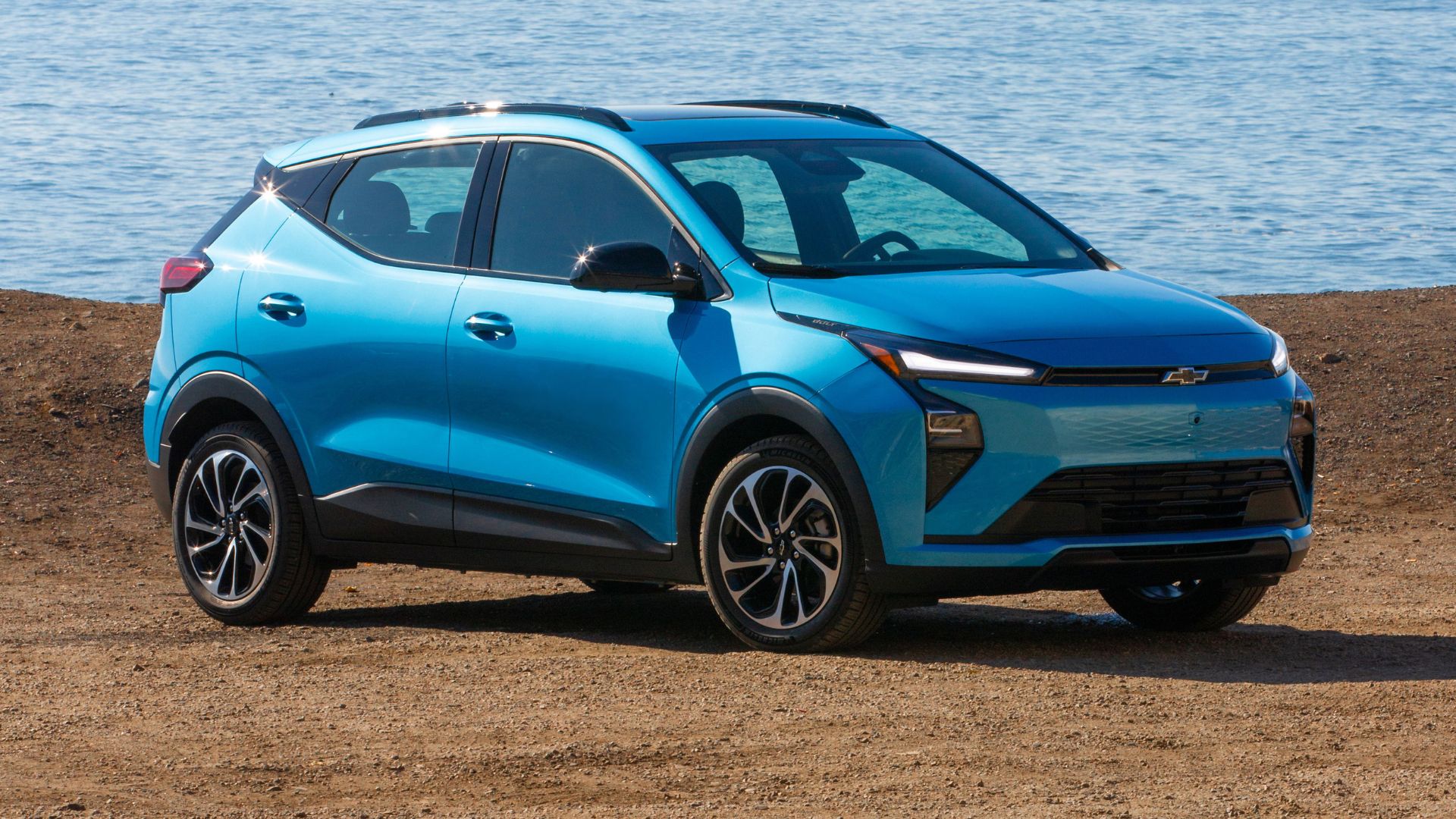
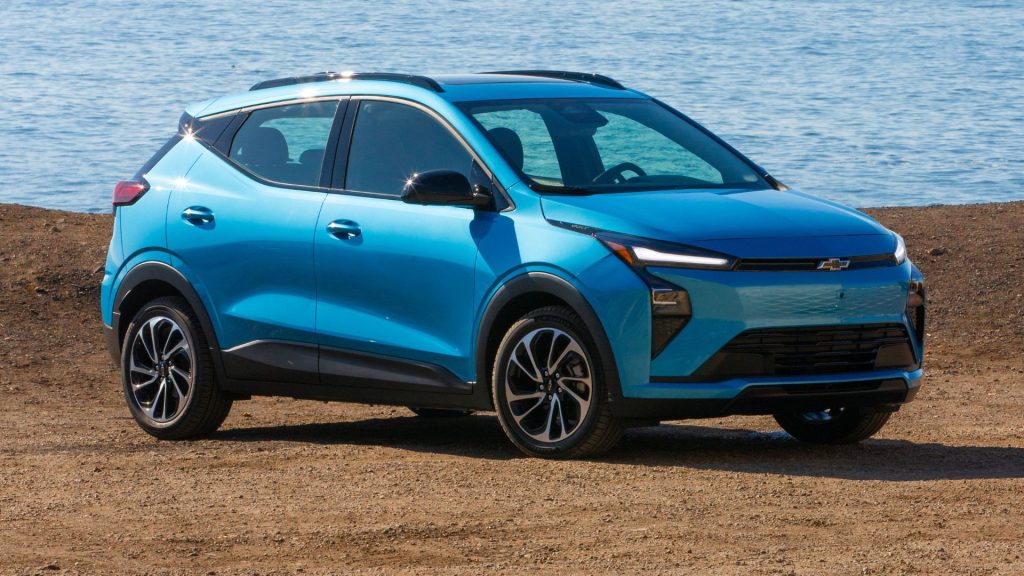
Jet Chevrolet, part of the Dinsmore Auto Group, has seen a lot of excitement around the 2027 Chevy Bolt, and for good reason. This smart, all‑electric hatchback is back on the lot with more range, quicker charging, and updated Chevy technology that actually works in real Pacific Northwest driving, from Federal Way WA to the wider south sound.

Key Takeaways
- The 2027 Chevy Bolt delivers improved real‑world range for commuting around Federal Way and the south sound.
- Updated Chevy technology enhances connectivity, safety features, and driver information.
- Compact size and versatile hatchback design make the Bolt easy to park and live with in Pacific Northwest cities.
- Faster charging and growing public infrastructure help support longer EV trips across Washington.
- The Bolt remains one of the more accessible, cost‑conscious EV choices on today’s market.
Why is the 2027 Chevy Bolt a smart EV choice for Federal Way drivers?
From our perspective at Jet Chevrolet, the 2027 Chevy Bolt hits that sweet spot between advanced technology and everyday practicality. When customers come in looking at cars for sale in Federal Way, they often want something efficient, affordable, and easy to drive. The Bolt checks all of those boxes, especially for shoppers making their first move into an electric vehicle.
Chevrolet brings the latest Bolt back on an updated EV platform, tuned for better efficiency and stronger real‑world range compared with previous generations. That gives you more confidence for day‑to‑day driving, whether you are commuting through Federal Way, heading down to Tacoma, or taking a weekend drive around the south sound.
We often recommend the 2027 Bolt to drivers who are ready to go electric but do not want a large, complicated SUV. It is approachable, simple to operate, and familiar enough that the transition from a gas car feels surprisingly easy.
How does the Bolt handle Pacific Northwest roads and weather?
Driving in the Pacific Northwest means dealing with wet pavement, occasional standing water, and rolling terrain. The Chevy Bolt’s low center of gravity and instant electric torque make it a confident companion on these roads.
The electric motor delivers power smoothly and right when you need it, which is especially helpful when you are merging onto I‑5 or climbing hills around the south sound. The compact footprint makes it easy to maneuver in tighter city areas and crowded parking lots in Federal Way WA.
For drivers who start their search with questions like “What are the best cars for commuting in the Pacific Northwest,” we often point to the Bolt because it offers:
- A quiet, comfortable ride that reduces fatigue on daily drives
- Stable handling with traction and stability controls tuned for slippery conditions
- Regenerative braking that helps you preserve range in stop‑and‑go traffic
The 2027 Bolt is not an AWD vehicle, but many customers find its balanced chassis and smart traction features more than adequate for year‑round commuting in this region.
What kind of real‑world range and charging can you expect?
Range is still the number one question we hear when customers look at the 2027 Bolt. In practice, the Bolt’s EPA‑estimated range and improved efficiency translate into enough miles for most daily routines in Federal Way and beyond, without constant charging anxiety.
For many drivers, a full charge comfortably covers:
- The daily commute and after‑work errands
- School drop‑offs and weekend activities
- Regular trips around the broader south sound
Because the Bolt’s battery and software are engineered with real‑world conditions in mind, you are not relying on perfect‑scenario numbers. You get confident range in mixed city and highway driving, even in the cooler and wetter weather Washington is known for.
Charging has also become more convenient. You can plug in at home overnight, and more public fast‑charging stations are available throughout the Pacific Northwest. That makes it easier to plan longer drives and short road trips, especially as charging networks expand along major corridors. If you want to see how Bolt charging might fit your routine, we can walk you through typical charging times and options right here at Jet Chevrolet.
What Chevy technology features stand out on the 2027 Bolt?
The 2027 Bolt brings a tech package that feels modern without being overwhelming. Many of our customers appreciate that Chevy technology is designed to simplify driving, not distract from it.
Inside the cabin, you will find:
- A clear, responsive infotainment system with smartphone integration for maps, music, and calls
- Digital driver displays that show range, energy use, and key driving information at a glance
- A suite of driver assistance features such as lane keeping support and forward collision alerts
- Convenient controls and menus that are easy to learn
We see a lot of shoppers comparing the Bolt to other EVs, and technology is often a deciding factor. If you are in that comparison stage, you can browse our current selection of EVs on our lot, look at available models in stock, and schedule a test drive to experience the Bolt’s tech firsthand. That kind of side‑by‑side evaluation can make choosing the right EV much simpler.
Is the 2027 Chevy Bolt practical for everyday life in Federal Way WA?
Beyond the numbers and features, the Bolt works well as an everyday hatchback. Drivers in Federal Way appreciate that it feels familiar, yet brings the benefits of an EV ownership experience.
The hatchback layout offers flexible space for groceries, sports gear, luggage, or small home projects. The compact size makes parking less stressful in busier areas and tight lots. Inside, seating is comfortable for daily commuting, and the simple control layout helps new EV drivers feel at ease quickly.
If you are shopping for affordable electric cars in Washington, the Chevy Bolt stands out for its balance of price, features, and practicality. It gives you the benefits of electric driving without insisting you change your entire lifestyle to accommodate it.
Why choose Jet Chevrolet and Dinsmore Auto Group for your Bolt?
The EV market has grown quickly, and there are more choices than ever. What sets the Chevy Bolt apart is its focus on accessible pricing, proven Chevy engineering, and real‑world usability. Those same values guide how we help customers at Jet Chevrolet.
As part of the Dinsmore Auto Group, we bring years of experience working with Pacific Northwest drivers and a strong reputation for straightforward, transparent service. We take EV questions seriously, from range and charging to long‑term ownership costs, and we inspect vehicles carefully so you can shop our current selection with confidence.
If you are considering an EV, we invite you to stop by, compare the Chevy Bolt to other options, and talk with our team about how it would fit into your daily routine around Federal Way and the south sound.
Ready to experience the 2027 Chevy Bolt in Federal Way WA?
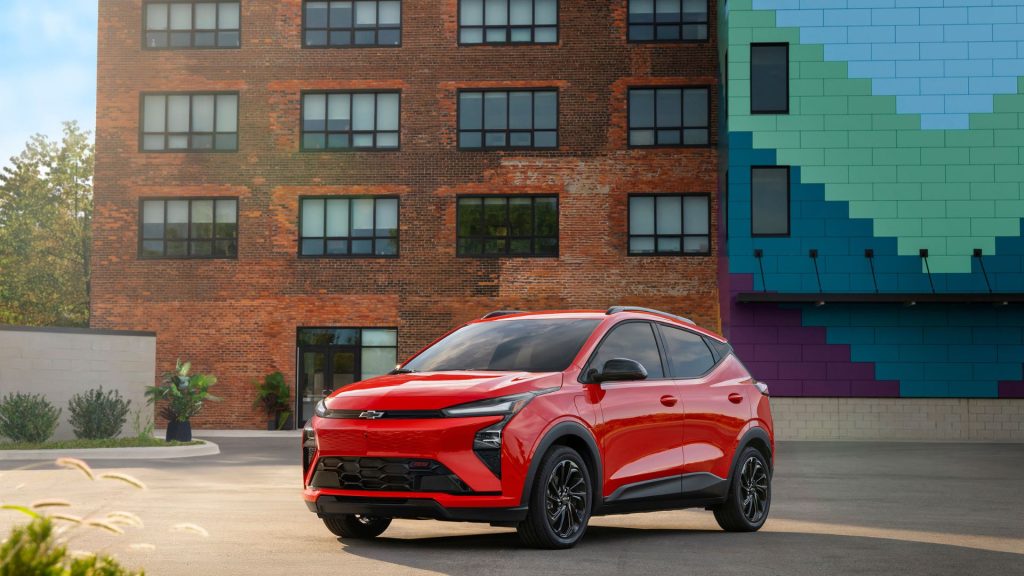
The 2027 Chevy Bolt is on the ground now, and interest is strong among drivers who want an electric car that combines Chevy technology, usable range, and everyday practicality. At Jet Chevrolet, part of the Dinsmore Auto Group, we have available models on our lot and vehicles in stock that you can see, drive, and compare today.
If you are ready to explore electric ownership, we encourage you to browse our current selection online, then visit our Federal Way location to take a Chevy Bolt out for a test drive. Our team is here to answer questions, walk you through features, and help you find the right Bolt configuration for your lifestyle in the Pacific Northwest.
*Penned by AI, polished by humans

One of the biggest misconceptions in business is that growth automatically solves financial problems.
In reality, growth often creates them.
Across Seattle, Tacoma, Federal Way, Kent, Auburn, Renton, Bellevue, Everett, Puyallup, and throughout Western Washington, many contractors and service businesses discover that the faster they grow, the tighter cash flow becomes.
It’s a frustrating reality.
Your sales are up, your schedule is full, your team is busy.
Yet somehow there never seems to be enough cash in the bank.
Why?
Because growth consumes cash.
Revenue Is Not Cash
This is one of the most important concepts a business owner can understand.
Revenue and cash are not the same thing.
Let’s say a contractor lands:
- A $50,000 project
- A $100,000 project
- Another $75,000 project
On paper, business looks fantastic.
But before that money arrives, the company often must pay for:
- Payroll
- Fuel
- Materials
- Insurance
- Equipment
- Fleet expenses
- Marketing
The work gets completed long before many invoices are paid.
The result is what accountants often call a cash flow gap.
Why Growing Companies Feel Broke
Many owners experience the same cycle.
Year one:
- One truck
- Small customer base
- Simple operations
Year five:
- Ten trucks
- Multiple crews
- More customers
- Larger projects
The company is generating significantly more revenue, but expenses have grown as well.
Payroll Expands
Adding employees creates:
- Wages
- Payroll taxes
- Benefits
- Training costs
Fleet Costs Increase
More employees typically require:
- More vehicles
- More fuel
- More maintenance
- More insurance
Working Capital Requirements Increase
Growth creates opportunity, but it also creates financial pressure.
Larger companies often need more cash available to fund operations.
Scaling a business means managing a lot of moving parts, and navigating the financial realities of growth shouldn’t be something you have to solve alone.
Whether you are trying to optimize your current setup or planning for the next phase of your business, we are here to help you map out a sustainable strategy.
Give the Jet Chevrolet team a call at (253) 336-4216 and let’s talk through your operational goals and find the best path forward for your business.
The Hidden Cost of Success
Many business owners budget for obvious expenses but they often fail to budget for success.
Examples include:
Landing a Large Contract
A major contract may require:
- Additional technicians
- Additional vehicles
- Additional inventory
The project is profitable.
But it may require significant upfront investment.
Expanding Service Areas
Growing from Tacoma into Seattle or Everett sounds exciting.
However, expansion may require:
- Additional fleet capacity
- More employees
- Increased operating costs
Again, growth requires cash.
Why Fleet Decisions Affect Cash Flow
Many owners view fleet purchases as isolated decisions when in reality, fleet strategy is often a cash flow strategy.
Consider two approaches.
Reactive Fleet Management
- A truck breaks down.
- The owner scrambles to replace it.
- Inventory is limited.
- Decisions are rushed.
- Financing options are reduced.
Planned Fleet Management
- Replacement needs are anticipated.
- Purchases are planned.
- Budgets are established.
- Options are evaluated.
- Stress is reduced.
The second approach generally provides greater flexibility and financial control.

The Cost of Unplanned Breakdowns
A major breakdown rarely costs only the repair bill.
Additional costs may include:
- Missed appointments
- Lost productivity
- Rental vehicles
- Overtime
- Delayed projects
These indirect expenses often exceed the repair itself.
Businesses that plan ahead frequently experience fewer disruptions.
The Importance of Predictability
Successful companies often prioritize predictability.
Predictable expenses are easier to manage than surprises.
Predictable expenses include:
- Scheduled maintenance
- Planned vehicle replacements
- Budgeted equipment purchases
Unpredictable expenses create stress whereas predictability creates stability.
Questions Every Business Owner Should Ask
When evaluating growth, ask yourself:
- Do we have enough cash to support expansion?
- Can we absorb unexpected repairs?
- Do we have a replacement plan for aging vehicles?
- How would we handle losing two vehicles next month?
- Would a major opportunity strain our resources?
These questions may not be exciting.
But they are important.
Why Some Businesses Grow Smarter
The most successful companies often grow intentionally.
They don’t chase every opportunity.
Instead, they evaluate:
- Capacity
- Resources
- Cash flow
- Workforce availability
- Equipment needs
Growth without planning can create financial pressure.
Growth with planning often creates long-term success.
Fleet Planning Is Business Planning
One mistake many owners make is separating fleet decisions from business decisions.
In reality, they are closely connected.
Vehicles affect:
- Productivity
- Revenue generation
- Customer satisfaction
- Employee efficiency
- Cash flow
When evaluating fleet investments, smart owners often ask:
“How will this help us operate more effectively?”
rather than:
“What is the monthly payment?”
The answer is usually more valuable.
Supporting Businesses Across Western Washington
At Jet Chevrolet in Federal Way, conversations with business owners often extend beyond vehicles.
Many discussions focus on:
- Growth
- Expansion
- Fleet planning
- Operational efficiency
Located along the I-5 corridor between Seattle and Tacoma, Jet Chevrolet works with businesses throughout the Puget Sound region.
As part of the locally owned and family-operated Dinsmore Auto Group, the team understands the realities local businesses face because they are part of the same communities.
The Dinsmore philosophy is simple:
Do More. Save More. Experience MORE.
For many businesses, that means helping them think strategically about the resources needed to support sustainable growth.
Let’s Build a Stronger Fleet, Together. From the I-5 corridor to every corner of the Puget Sound, your business keeps our communities moving. You don’t need a salesperson; you need a strategic partner who understands the unique demands of Western Washington businesses.
Let’s look at the big picture and think strategically about the resources needed for your sustainable growth together. Connect with the Jet Chevrolet team directly by calling (253) 336-4216 today.
Final Thoughts
Growth is exciting, but it can also be expensive.
The companies that thrive long term aren’t necessarily the ones growing the fastest, they’re the ones managing cash flow most effectively.
They plan ahead, prepare for opportunities, and think strategically about equipment, vehicles, employees, and expansion.
Most importantly, they understand that revenue alone doesn’t guarantee success.
Cash flow does.
Because at the end of the day, healthy businesses aren’t built simply by generating more work.
They’re built by creating systems that can support growth for years to come.
Every business owner eventually faces the same question.
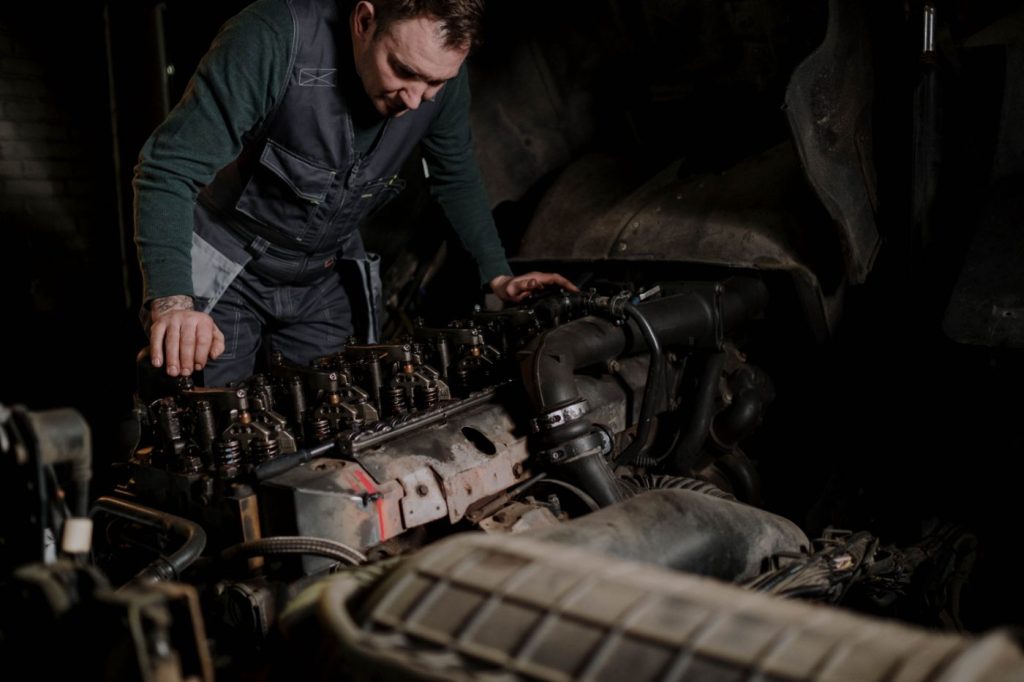
The truck starts having problems, the service van spends more time in the shop, repair bills begin arriving more frequently, and someone on the team asks:
“Should we fix it, or should we replace it?”
At first glance, it seems like a vehicle question.
In reality, it’s a business question.
And for many companies throughout the Puget Sound region, including Seattle, Tacoma, Federal Way, Kent, Auburn, Bellevue, Renton, Everett, Lynnwood, and Western Washington, it’s a decision that can quietly cost tens of thousands of dollars if handled incorrectly.
Why Most Owners Make This Decision Emotionally
Many business owners develop relationships with their equipment.
When the truck has been around for years and the van is paid off, the vehicle has become part of the company.
You often hear statements like:
- “We’ve always had that truck.”
- “It’s paid for.”
- “It still runs.”
- “We’ll get one more year out of it.”
Sometimes those statements are true. Sometimes they’re expensive.
The problem is that emotional decisions rarely produce the best business outcomes.
The Wrong Question
Most owners ask:
“What will it cost to replace this vehicle?”
The better question is:
“What is this vehicle costing us right now?”
Those are very different conversations.
The Three Costs Owners Often Ignore
Most people see repair invoices.
They miss the other costs.
Downtime
When a vehicle is unavailable:
- Jobs get rescheduled
- Employees become less productive
- Customers wait longer
- Revenue opportunities disappear
The repair bill may be $2,500, but the actual business impact may be much larger.
Management Time
Someone has to:
- Schedule repairs
- Coordinate transportation
- Reshuffle schedules
- Handle customer communication
Most owners never calculate the cost of management distraction, yet it is real.
Employee Frustration
Good employees want reliable equipment.
When technicians constantly deal with breakdowns, frustration grows.
Over time, it affects morale, and morale affects performance.

The “Repair Frequency” Rule
One useful exercise is reviewing the last 12 months.
Ask:
- How many times has this vehicle been in the shop?
- How many days was it unavailable?
- How much was spent on repairs?
- What major repairs are likely coming next?
Many owners are surprised by what they discover.
The vehicle they thought was inexpensive to keep suddenly looks much more costly.
Why “Paid Off” Doesn’t Mean “Cheap”
This is one of the biggest misconceptions in business: A paid-off vehicle has no payment.
But that doesn’t mean it has no cost.
Many aging vehicles create expenses through:
- Repairs
- Fuel inefficiency
- Downtime
- Lost productivity
The absence of a payment doesn’t eliminate operating costs, sometimes it hides them.
What Growing Companies Track
Many successful fleet managers track:
- Cost Per Mile: What does the vehicle actually cost to operate?
- Annual Maintenance Cost: Is the trend increasing?
- Downtime Hours: How often is the vehicle unavailable?
- Revenue Supported: How much business does this vehicle help generate?
These measurements often make replacement decisions much easier.
The Fleet Capacity Problem
Many businesses underestimate how much they depend on vehicles.
Think about it.
Without vehicles:
- Technicians don’t reach customers.
- Crews don’t reach job sites.
- Equipment doesn’t move.
- Materials don’t arrive.
Fleet capacity directly impacts revenue capacity, because a vehicle isn’t just transportation, it’s part of the revenue-producing infrastructure.

Why Replacement Timing Matters
Many owners wait until a vehicle fails.
Unfortunately, that’s often the most expensive time to make a decision.
Emergency replacements usually involve:
- Limited inventory choices
- Time pressure
- Operational disruption
- Stress
Businesses that plan ahead often have more flexibility.
Planning creates options. Waiting creates urgency.
The “What If” Test
Here’s a simple exercise.
Ask:
“What happens if this vehicle is unavailable for the next 30 days?”
If the answer is:
“We’ll be fine.”
Replacement may not be urgent.
If the answer is:
“We’ll struggle.”
The conversation becomes different.
The goal is understanding business risk.
Why Fleet Planning Is Really Capacity Planning
Many owners think fleet management is about trucks and vans.
The best operators view it differently.
They view fleet management as capacity management.
Vehicles determine:
- How many customers can be served
- How quickly crews can respond
- How efficiently employees can work
When viewed through that lens, replacement decisions become strategic rather than reactive.
Questions Every Business Owner Should Ask
Before repairing or replacing a vehicle, ask:
- How much downtime has this vehicle caused?
- How much downtime is likely next year?
- How does this affect employees?
- How does this affect customers?
- What is the total cost of ownership?
- What is the business risk of waiting?
These questions often reveal the right answer.
What Successful Businesses Do Differently
The most effective companies rarely make fleet decisions during emergencies.
Instead, they:
- Track performance
- Monitor costs
- Plan replacements
- Evaluate risk
They understand that vehicles are business assets, and that they should be managed strategically.
Supporting Businesses Throughout Western Washington
At Jet Chevrolet in Federal Way, many conversations with business owners focus on planning rather than purchasing.
Owners frequently discuss:
- Fleet lifecycle management
- Vehicle utilization
- Growth planning
- Downtime reduction
As part of the locally owned and family-operated Dinsmore Auto Group, the team understands that every business decision affects employees, customers, and long-term growth.
The philosophy remains simple:
Do More. Save More. Experience MORE.
For many businesses, that starts by making informed decisions before problems become emergencies.
The best way to map that out is with a team that treats your business like their own. Call Jet Chevrolet today at (253) 336-4216 to talk through your operational goals, evaluate your replacement schedule, and figure out the best approach for your fleet together.
Final Thoughts
Every vehicle eventually reaches a point where replacement deserves consideration, the challenge is recognizing that point before costs begin compounding.
The smartest fleet decisions are rarely based on age alone.
They’re based on:
- Productivity
- Reliability
- Risk
- Capacity
- Business impact
Because the real question isn’t whether a vehicle can keep running.
The real question is whether it’s still helping your business move forward.

Most business owners spend a lot of time trying to get more customers but few spend enough time evaluating which customers they should keep.
That may sound strange at first, after all, isn’t more business always better?
Not necessarily.
One of the most valuable lessons a business owner can learn is that not all revenue is created equally.
In fact, some customers help your business grow, while others quietly drain time, resources, profits, and employee morale.
This concept is often referred to as the 80/20 Rule, and understanding it can dramatically improve profitability for businesses across Western Washington, including Seattle, Tacoma, Federal Way, Kent, Auburn, Bellevue, Renton, Everett, and Lynnwood.
What Is the 80/20 Rule?
The concept is simple.
In many businesses:
- 20% of customers generate 80% of profits.
- 20% of customers create 80% of problems.
- 20% of services generate 80% of revenue.
The exact percentages vary but the principle remains surprisingly consistent.
A relatively small portion of customers, services, employees, and activities often drive the majority of business results.
The challenge is identifying which ones.
Revenue and Profit Are Not the Same Thing
Many business owners focus heavily on revenue.
Revenue is important, it’s what keeps the lights on.
Consider two customers:
Customer A
- Generates $25,000 annually
- Pays on time.
- Schedules efficiently.
- Rarely complains.
- Provides referrals.
Customer B
- Generates $40,000 annually.
- Constantly negotiates pricing.
- Calls after hours.
- Delays payments.
- Requires multiple return visits.
- Consumes excessive administrative time.
Which customer is more valuable?
The answer may surprise many business owners.
Hint: the larger account isn’t always the better account.
Why Some Customers Cost More Than They Appear

Many hidden costs rarely show up on invoices.
Examples include:
Excessive Communication
- Repeated calls.
- Repeated emails.
- Repeated meetings.
- Repeated revisions.
Scheduling Disruptions
- Last-minute changes.
- Emergency requests.
- Missed appointments.
- Unrealistic expectations.
Administrative Burden
- Collection efforts.
- Additional paperwork.
- Special accommodations.
- Extended approval processes.
These activities consume valuable resources.
The Clients Your Team Loves Are Often Your Best Clients
One exercise many business owners never perform is asking employees:
“Which customers are easiest to work with?”
Employees often know immediately.
The customers they mention frequently:
- Respect schedules
- Communicate clearly
- Pay promptly
- Treat employees professionally
These relationships tend to benefit everyone involved.
Why Businesses Grow Faster When They Understand Their Best Customer
Many companies spend significant resources pursuing new customers.
A better strategy may be understanding existing successful customers.
Ask:
- What industries do they represent?
- How did they find us?
- What services do they buy?
- Why do they stay?
The answers often reveal growth opportunities.
The goal isn’t simply attracting more customers, it’s attracting more of the right customers.
Not Every Job Is a Good Job
This is one of the hardest lessons for growing businesses, especially during slow periods.
Many owners feel obligated to accept every opportunity.
However, some jobs:
- Generate little profit
- Create excessive headaches
- Distract from higher-value opportunities
The most successful companies learn to evaluate opportunities strategically.
The question becomes:
Does this work align with our goals?
Not simply:
Can we do it?
The Cost of Opportunity
Every hour spent serving one customer is an hour unavailable for another.
This concept is known as opportunity cost.
For example:
If a technician spends four hours on a low-profit project, they cannot spend those same four hours serving a higher-value customer.
Time is finite.
Capacity is finite.
Successful businesses allocate resources carefully.
The Importance of Knowing Your Numbers
Many business owners operate based on instinct.
Experience is valuable: Data is better.
Metrics worth tracking include:
- Customer Profitability: Which customers generate the most profit?
- Revenue Per Employee: How productive is each team member?
- Revenue Per Vehicle: How effectively are assets being utilized?
- Customer Acquisition Cost: How much does it cost to acquire new business?
- Lifetime Customer Value: How much revenue does a customer generate over time?
These numbers often reveal surprising insights.
Why Growth Without Analysis Can Be Dangerous
Many businesses pursue growth aggressively.
Growth is important.
But growth without understanding profitability can create problems.
Imagine adding:
- More employees
- More vehicles
- More customers
while profit margins decline.
The company becomes larger but not necessarily healthier.
The healthiest businesses often focus on profitable growth rather than growth alone.
Questions Every Business Owner Should Ask
- When evaluating customers, consider:
- Which customers generate the most profit?
- Which customers create the most problems?
- Which services are most profitable?
- Which services consume the most resources?
- If we could duplicate one customer 100 times, who would it be?
The answers often provide valuable direction.
Why This Matters More During Economic Uncertainty
When economic conditions change, efficiency becomes even more important.
Businesses that understand:
- Profitability
- Customer quality
- Resource allocation
often make stronger decisions.
Instead of reacting emotionally, they can respond strategically.
That flexibility can become a competitive advantage.
Lessons From Successful Businesses
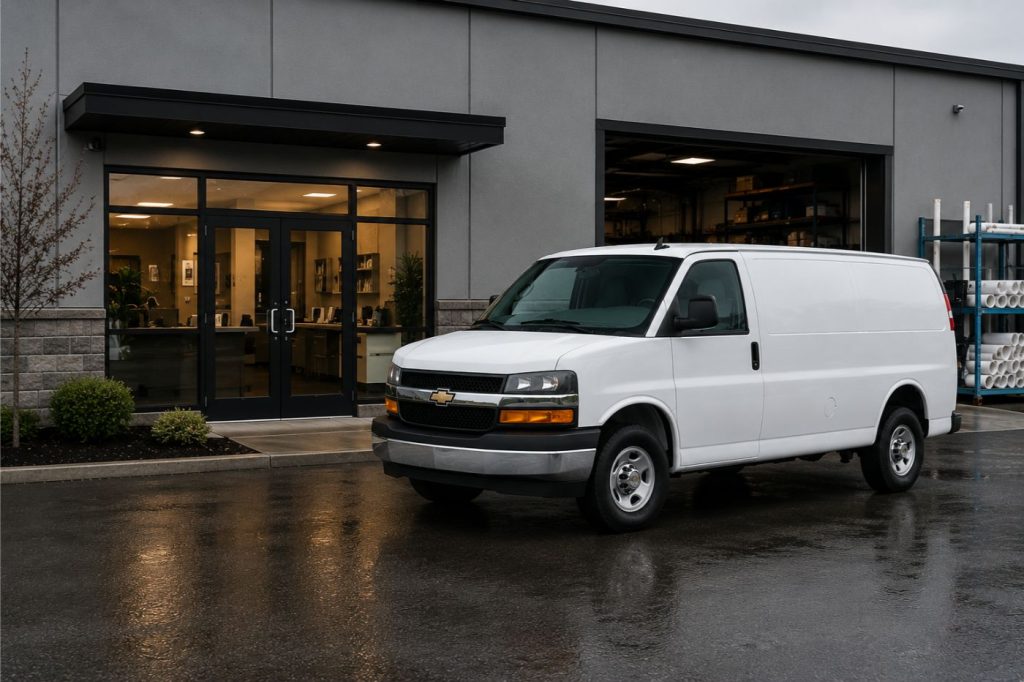
Many successful companies throughout Western Washington eventually reach the same realization.
They don’t need every customer, they need the right customers.
They focus on:
- Delivering exceptional service
- Building strong relationships
- Creating repeat business
- Serving customers who value their expertise
The result is often greater profitability and a healthier work environment.
Supporting Businesses Throughout Western Washington
At Jet Chevrolet in Federal Way, conversations with business owners often involve much more than vehicles.
Owners frequently discuss:
- Growth
- Hiring
- Operations
- Profitability
- Long-term planning
As a locally owned and family-operated member of the Dinsmore Auto Group, the team understands the challenges facing local businesses because they work alongside many of the same companies every day.
The philosophy is simple:
Do More. Save More. Experience MORE.
Scaling your business means making strategic decisions about your resources, not just adding more to your plate. At Jet Chevrolet, we want to help you figure out the right vehicle and management strategy for your specific operational goals.
Give our team a call today at (253) 336-4216. Let’s look at your unique business challenges and map out a sustainable growth plan together.
Final Thoughts
More customers do not automatically create more profit. More revenue does not automatically create more success.
The businesses that thrive long-term often understand exactly which customers, services, and activities create the greatest value.
They focus their resources accordingly.
They say yes strategically.
And sometimes, they learn that the most profitable decision isn’t adding more work.
It’s focusing on the work that matters most.
Because growth isn’t measured by how busy you are, it’s measured by the value you create and the profit you keep.
Connect with us


- August 2026
- July 2026
- June 2026
- May 2026
- April 2026
- March 2026
- February 2026
- January 2026
- December 2025
- November 2025
- October 2025
- September 2025
- August 2025
- July 2025
- June 2025
- May 2025
- April 2025
- March 2025
- February 2025
- January 2025
- November 2024
- October 2024
- September 2024
- August 2024
- July 2024
- June 2024
- May 2024
- April 2024
- March 2024
- February 2024
Archives
- Chevrolet near me
- Chevrolet Safety
- Chevrolet Silverado
- Chevrolet Trailblazer
- Chevrolet Trax
- Chevy Blazer EV
- Chevy Bolt
- Chevy Colorado
- Chevy Equinox EV
- Chevy Finance
- Chevy Silverado EV
- Chevy SUV
- Chevy Tahoe
- Commercial Fleet
- Federal Way Chevrolet Dealer
- Federal Way Chevrolet Service
- Federal Way Used Cars
- Jet Chevrolet
- Jet Chevrolet Service
- Uncategorized