





Which 2025 Chevy SUV Should You Buy – Blazer, Trailblazer or Tahoe?
Choosing the right SUV isn’t just about size—it’s about lifestyle. For 2025, Chevrolet continues to refine its SUV lineup with three standout models: the compact Trailblazer, the stylish Blazer, and the spacious, full-size Tahoe. But which one fits you best?
At Jet Chevrolet, part of the Dinsmore Auto Group, we’re helping drivers find the perfect match by breaking down the pros, cons, and unique characteristics of each SUV. Whether you’re commuting solo, hauling gear for a weekend away, or managing a busy family schedule, there’s a Chevy SUV ready to make it easier.
Should I Buy the 2025 Blazer, Trailblazer, or Tahoe?
Let’s begin with the basics:
- The 2025 Trailblazer is Chevy’s small SUV, ideal for urban driving and fuel efficiency
- The 2025 Blazer is a midsize SUV with sporty styling, more room, and upgraded tech
- The 2025 Tahoe is a full-size SUV, built for maximum space, towing power, and versatility
Your decision depends on how much room you need, where you drive most often, and what features matter most to your daily life.
2025 Trailblazer Overview: Compact and City-Smart
Redesigned with subtle styling updates and a new 11-inch infotainment system, the 2025 Trailblazer is Chevy’s most nimble SUV. It’s powered by a 1.2L or 1.3L turbocharged engine and offers either front- or all-wheel drive.
Key highlights:
- Up to 33 MPG highway
- Easy to park and maneuver
- Fold-flat front passenger seat for longer items
- Available wireless Apple CarPlay/Android Auto
If you do most of your driving in city traffic, tight parking garages, or suburban errands, the Trailblazer might be your ideal match. It’s also one of the most affordable SUVs in the Chevy lineup.
Blazer vs. Trailblazer: Which One is Better for City Driving?
The Blazer offers more space and engine options but is slightly wider and longer, which may make it less maneuverable in dense city environments. However, it feels more stable at highway speeds and has a premium interior design.
Choose the Trailblazer for:
- Budget-conscious pricing
- Compact agility
- Higher fuel efficiency
Choose the Blazer for:
- Sportier styling
- Stronger performance
- More tech and interior space
2025 Blazer: Midsize Style Meets Daily Utility
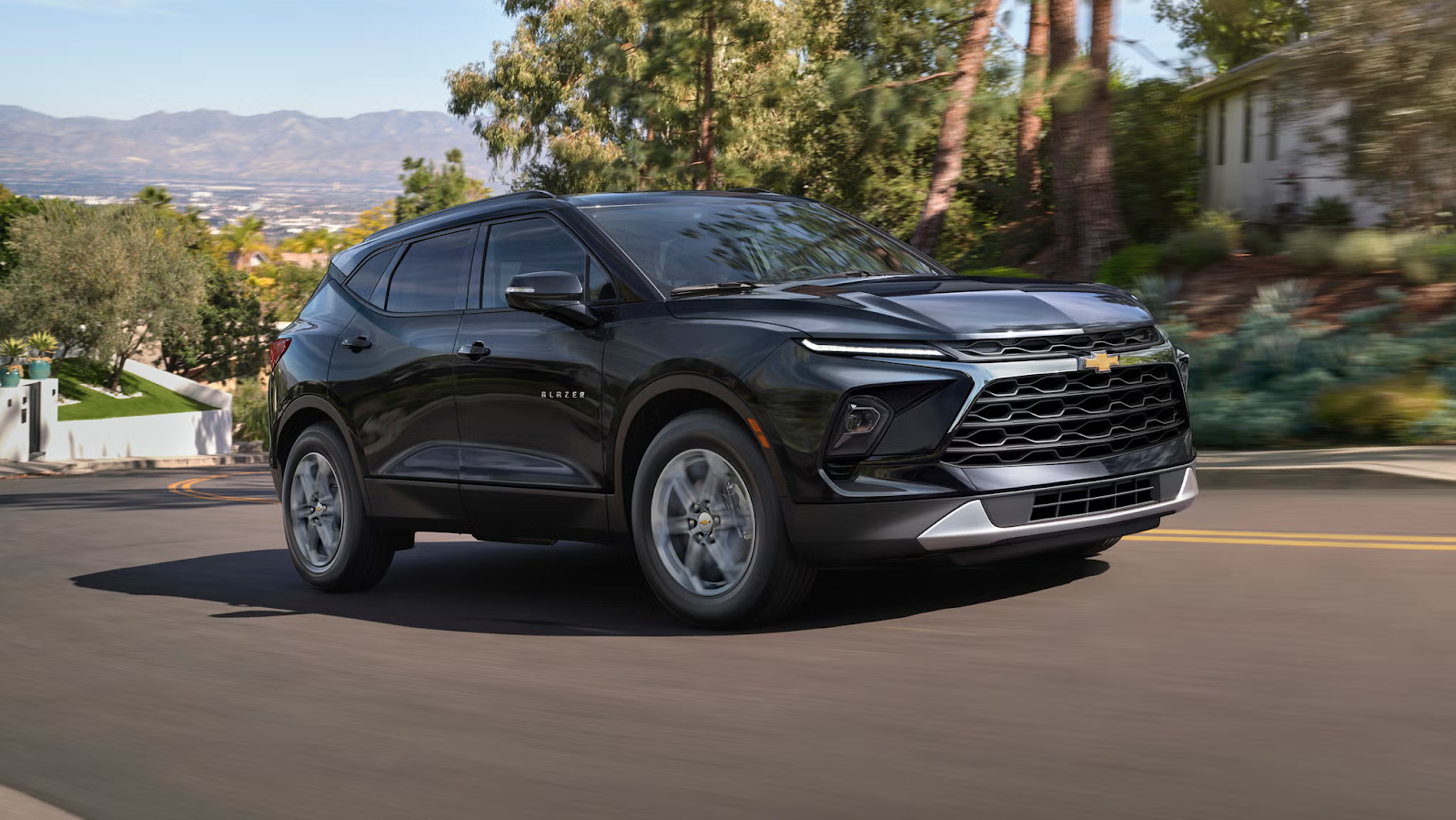
The 2025 Blazer continues its reputation as one of the most design-forward SUVs in its class. It offers two engine options—a 2.0L turbo and a 3.6L V6—and trims ranging from affordable 2LT to upscale Premier.
Key features:
- Up to 64.2 cubic feet of cargo space
- Available AWD
- Chevy Safety Assist standard on all trims
- 11-inch center touchscreen and digital driver display
If you need more room than the Trailblazer but don’t want the bulk of a Tahoe, the Blazer is the perfect middle ground. It’s one of the hottest SUVs for small families and couples.
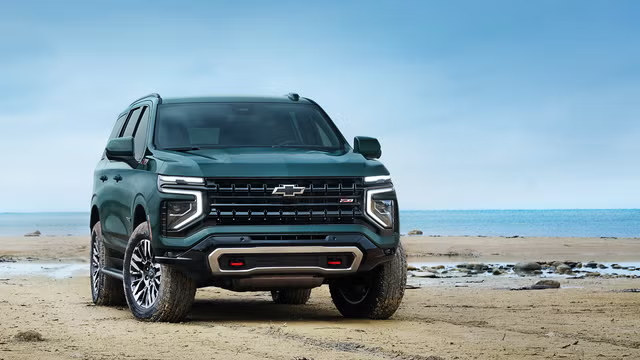
2025 Tahoe: Full-Size Powerhouse with Family-Friendly Space
Looking for maximum seating, cargo room, and capability? The 2025 Tahoe is unmatched in those areas. With seating for up to nine passengers, available V8 and diesel engines, and over 122 cubic feet of cargo volume, it’s built for those who need space and strength.
Highlights include:
- Up to 8,400 lbs towing capacity
- Available Super Cruise hands-free driving
- Tri-zone climate control and power-sliding center console
- Rear-seat media system (optional)
If you’re wondering which 2025 Chevy SUV is best for families, the Tahoe leads the way thanks to its interior space and long-haul comfort. It’s ideal for carpooling, road trips and large households.
What Are the Key Differences Between the 2025 Chevy SUVs?
Here’s a side-by-side comparison:
| Feature | Trailblazer | Blazer | Tahoe |
| Starting MSRP | ~$24,000 | ~$36,000 | ~$56,000 |
| Seating Capacity | 5 | 5 | 7–9 |
| Max Cargo Volume | 54.4 cu. ft. | 64.2 cu. ft. | 122.9 cu. ft. |
| Max Towing | 1,000 lbs | 4,500 lbs | 8,400 lbs |
| AWD Available | Yes | Yes | Yes |
| Best For | City drivers | Daily commuters | Large families |
Which Chevy SUV Has the Most Cargo Space in 2025?
That title goes to the 2025 Tahoe, with nearly double the cargo space of the Blazer and Trailblazer. It also has a hands-free liftgate and fold-flat third row to simplify loading.
The Blazer offers ample space for most users, especially when the rear seats are folded. The Trailblazer is best for light packing and weekend errands.
Interior Features and Comfort Across the Lineup
All three SUVs now feature Chevy’s latest infotainment system and wireless smartphone integration. Key differences:
- Trailblazer: Cloth seats, 6-speaker audio, simple controls
- Blazer: Leatherette or leather, available Bose system, dual-zone climate
- Tahoe: Leather options, ventilated seats, optional rear-seat entertainment
Across the board, Chevy has improved materials and cabin sound insulation in 2025 models, resulting in a quieter and more premium feel at every trim level.
Chevy Tahoe SUV Specs and Capability
Besides space, the Tahoe shines when it comes to performance. With three engine choices (5.3L V8, 6.2L V8, and 3.0L diesel), it’s built for towing, long-distance driving, and even light off-road excursions.
Optional tech like Air Ride Adaptive Suspension and Super Cruise (available on select trims) makes the Tahoe more adaptable and driver-friendly than ever.
Which SUV Offers the Best Value?
Each SUV provides value in its own category:
- The Trailblazer is ideal for entry-level buyers and urban dwellers
- The Blazer is perfect for small families or drivers wanting more style
- The Tahoe is best for buyers needing room, power, and long-haul comfort
Factor in incentives and dealership offers at Jet Chevrolet, and you can make any of these models work within your budget.
Why Shop with Dinsmore Auto Group
As part of the Dinsmore Auto Group, Jet Chevrolet offers all three of these SUVs and can help you compare them side by side. Our team is knowledgeable about Chevy trims, technology, and family-specific needs.
We also offer financing plans, trade-in support, and EV/hybrid options if you’re planning ahead for future models.
Final Thoughts
Choosing between the 2025 Chevy Trailblazer, Blazer, and Tahoe comes down to priorities: do you need compact agility, midsize flexibility, or full-size power? Regardless of your answer, Chevy has a solution that fits.
Visit Jet Chevrolet today to test drive each model and discover which SUV aligns with your daily life. From space to tech to performance, there’s a perfect Chevy SUV waiting for you.
*Penned by AI, polished by humans
What’s New in the 2025 Chevy Blazer EV
What’s New in the 2025 Chevy Blazer EV
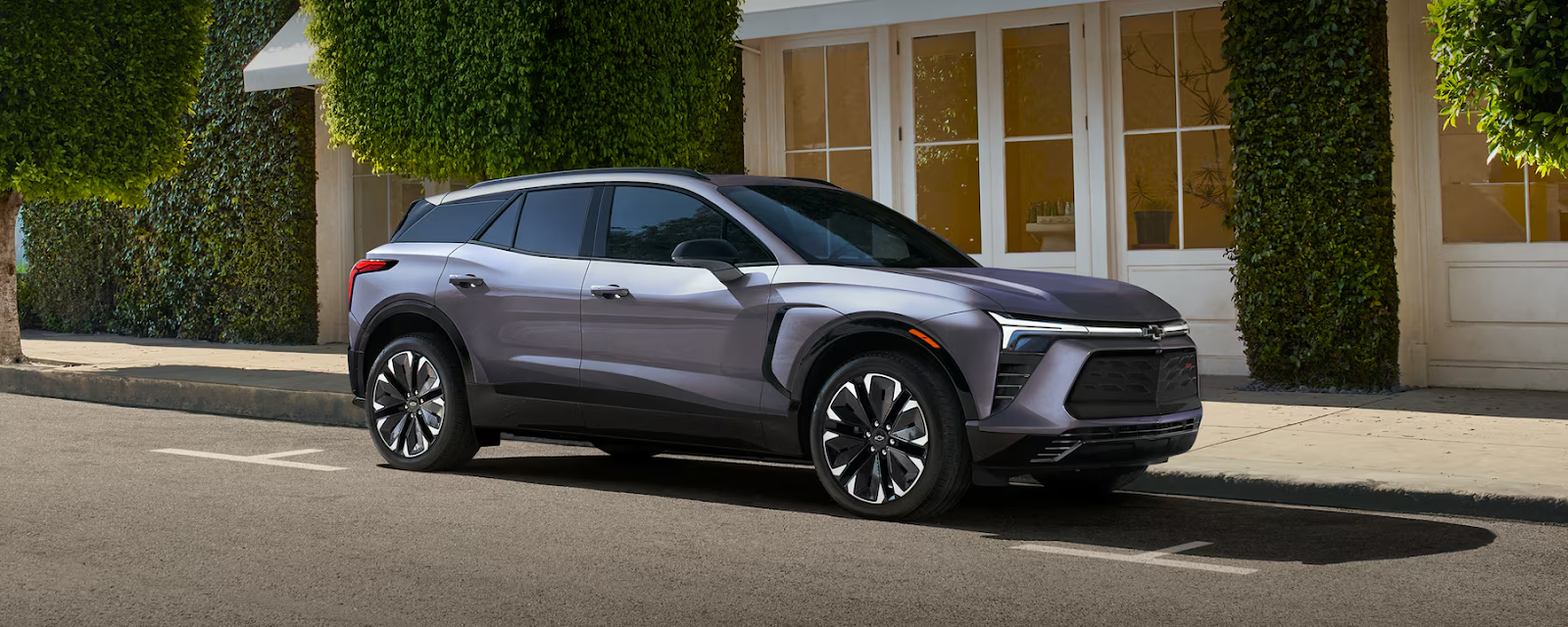
The 2025 Chevy Blazer EV builds on the excitement of its debut model year with meaningful updates, refined features, and more family-focused options. As Chevrolet continues to expand its electric lineup, the Blazer EV is proving to be a standout in the midsize electric SUV space. At Jet Chevrolet, part of the Dinsmore Auto Group, we’ve taken a close look at what makes the 2025 edition even more compelling.
Here’s a breakdown of what’s new in the 2025 Chevy Blazer EV—and why it could be the right electric SUV for your lifestyle.
What Features Are New in the 2025 Chevy Blazer EV?
The 2025 model receives several upgrades designed to enhance usability, comfort, and charging flexibility. Highlights include:
- Revised charging software for faster at-home charging compatibility
- Expanded availability of Super Cruise hands-free driving on additional trims
- New interior materials with eco-conscious design on 2LT and RS trims
- Enhanced voice recognition with updated Google Built-In features
- More intuitive infotainment layout based on user feedback
Chevy also improved rear-seat legroom and slightly adjusted cargo space layout to better accommodate strollers and family gear, a nod to drivers seeking practicality alongside performance.
How Does the 2025 Blazer EV Compare to the 2024 Model?
The 2024 Blazer EV impressed at launch, but the 2025 model tightens up the experience in key areas:
- Charging: Faster compatibility with Level 2 home chargers
- Navigation: Smarter charging-route planning
- Software: Improved over-the-air updates and system stability
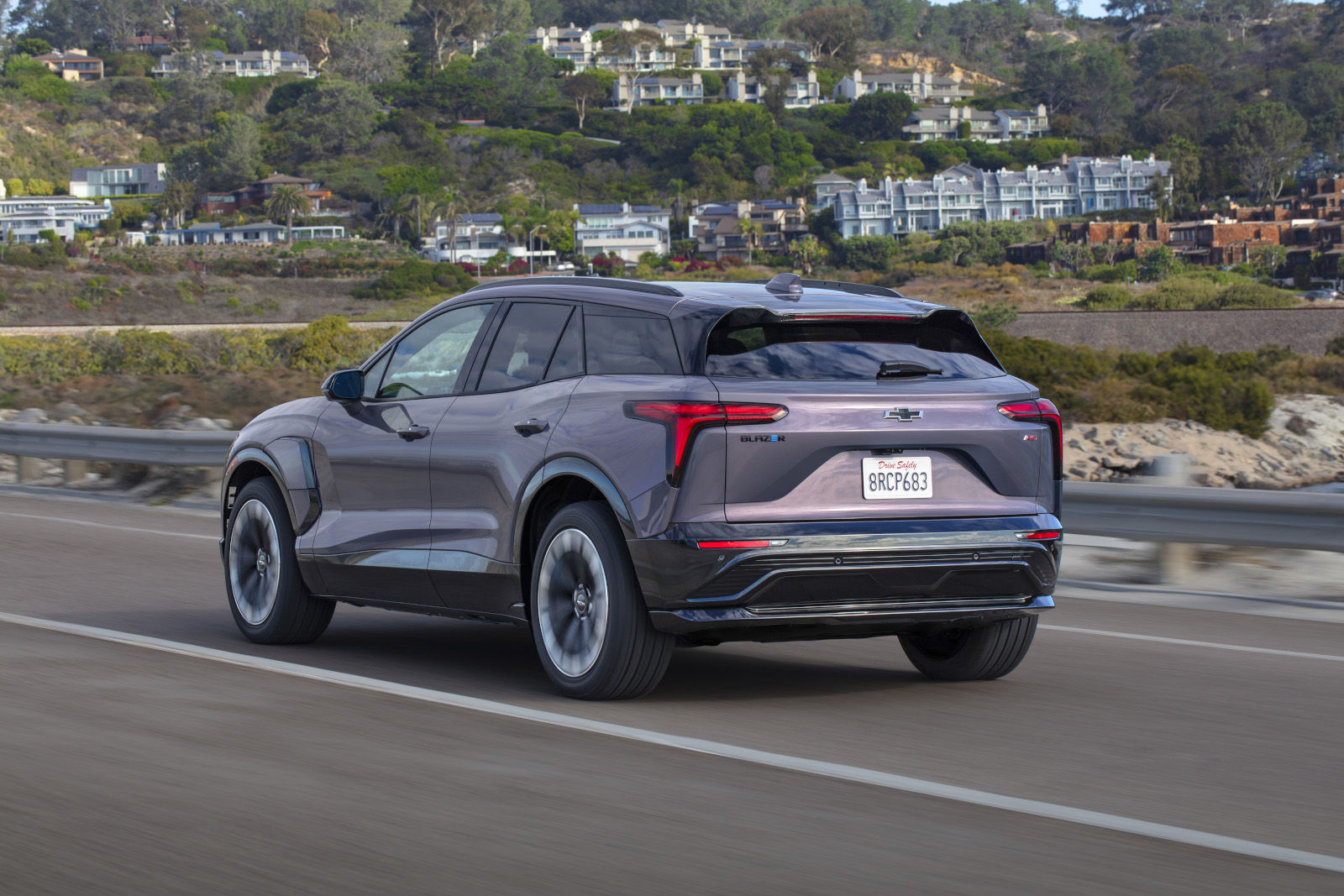
Visually, the design remains largely unchanged, maintaining its bold Camaro-inspired look. However, the RS and Premier trims get slight grille tweaks and new color options like Midnight Copper Metallic and Glacier Gray.
In short, the 2025 Blazer EV offers a more polished and flexible version of its predecessor, without losing any of the performance or personality that made the original appealing.
Is the 2025 Chevy Blazer EV Worth Buying for Families?
Yes, and here’s why. The Blazer EV is surprisingly family-friendly:
- Up to 59.1 cubic feet of cargo space
- Rear climate vents and USB-C charging ports in both rows
- Available panoramic roof for an airy cabin feel
- Digital key access and remote app features for easy coordination between parents
With quiet electric operation, no exhaust, and low maintenance needs, it’s also a practical choice for families juggling daily commutes and weekend trips. If you’re wondering whether the 2025 Chevy Blazer EV is worth buying for families, the answer depends on whether you value space, safety, and long-term savings.
How Far Can the 2025 Chevy Blazer EV Go on a Single Charge?
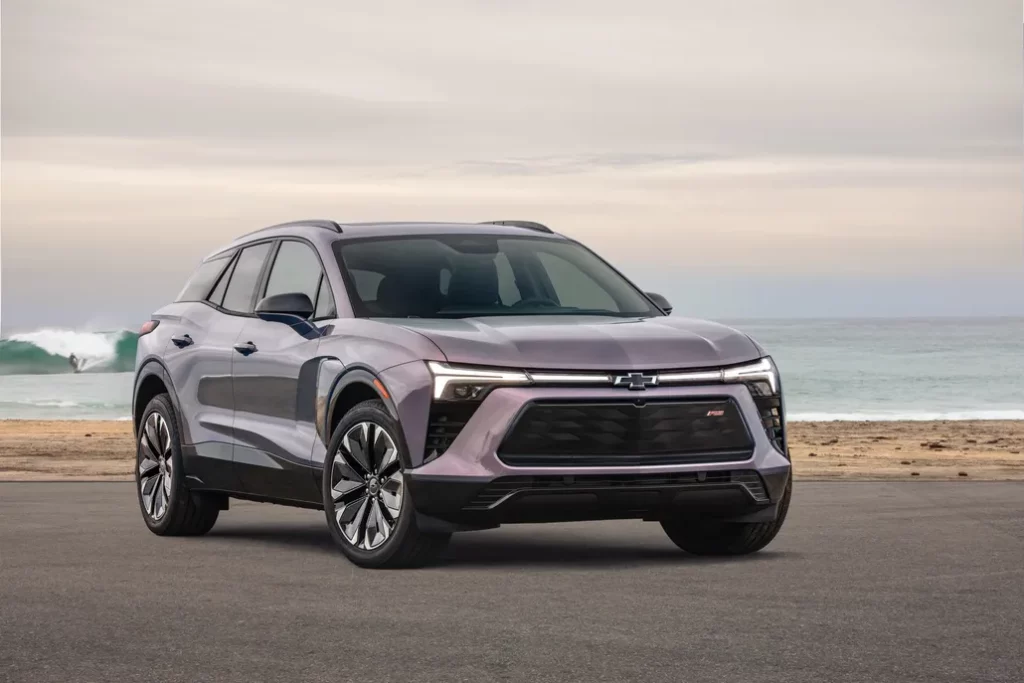
The Chevy Blazer EV range varies by trim and drivetrain:
- 2LT FWD: Up to 324 miles
- RS AWD: Up to 279 miles
- SS AWD (Performance Trim): Up to 290 miles
These numbers are more than enough for most drivers’ daily needs and even long-haul road trips. Chevy has also expanded access to fast-charging networks nationwide, making recharging more convenient than ever.
What Trims Are Available for the 2025 Blazer EV?
The 2025 model comes in multiple trims to suit different lifestyles:
- 1LT (later availability): Entry-level, affordable electric performance
- 2LT: Ideal for commuters with solid range and tech
- RS: Sporty styling, larger wheels, and AWD capability
- SS: High-performance variant with sport-tuned suspension
- Premier: Luxury-focused, with upgraded materials and Super Cruise availability
Each trim is available in front-wheel or all-wheel drive, giving drivers a lot of flexibility. Trim-specific design elements (e.g., lighting signatures, wheel designs) help buyers stand out while choosing the configuration that works best for them.
Blazer EV Pricing: What to Expect
MSRP for the 2025 Blazer EV starts around $44,995 for the 2LT and goes up to about $60,000 for the performance-oriented SS trim. Pricing varies depending on battery size, drive type, and additional packages.
With federal tax credits and potential state rebates, effective pricing for eligible buyers may drop significantly. For many drivers, the Blazer EV pricing ends up competitive with gas-powered midsize SUVs, especially when fuel and maintenance savings are considered.
New Blazer EV Interior Highlights
Chevy gave the 2025 model subtle yet important upgrades inside:
- Softer dash and door materials for added comfort
- Redesigned center console for better phone and cupholder storage
- Ambient lighting enhancements in RS and Premier
- Smarter wireless phone charging dock
The digital cockpit remains a standout, with a 17.7-inch touchscreen and an 11-inch driver display. Google Built-In continues to provide real-time navigation, voice commands, and smart home integrations.
2025 Chevy EV Release: When and Where?
The 2025 Blazer EV is available to order now, with deliveries starting mid-2025 across the U.S. Jet Chevrolet is receiving regular allocations and taking reservations for all trims, especially the popular RS and Premier models.
Customers can begin orders online or in-store and select from financing or lease options tailored to EV buyers. If you’ve been waiting for a family-sized electric SUV that doesn’t compromise, the 2025 Chevy EV release is your signal to act.
Why Shop with Dinsmore Auto Group
As part of the Dinsmore Auto Group, Jet Chevrolet is proud to offer deep knowledge and hands-on EV experience. Our team can help you:
- Understand charging options and install Level 2 home chargers
- Navigate EV tax credit eligibility
- Compare lease vs. finance for electric vehicles
- Schedule test drives and pre-orders with ease
We also offer trade-in programs and extended EV-specific warranties to make ownership as worry-free as possible.
Final Thoughts
If you’re considering the shift to electric, the 2025 Chevy Blazer EV offers an exciting, flexible, and stylish option in the midsize SUV segment. With increased range, family-focused features, and enhanced charging compatibility, it’s more than ready for modern driving needs.
Visit Jet Chevrolet today to learn more, place a reservation, or take a test drive. Let our team help you discover how the updated Blazer EV can power your next adventure.
*Penned by AI, polished by humans
Reasons Why the 2025 Chevy Blazer Is a Good Family SUV
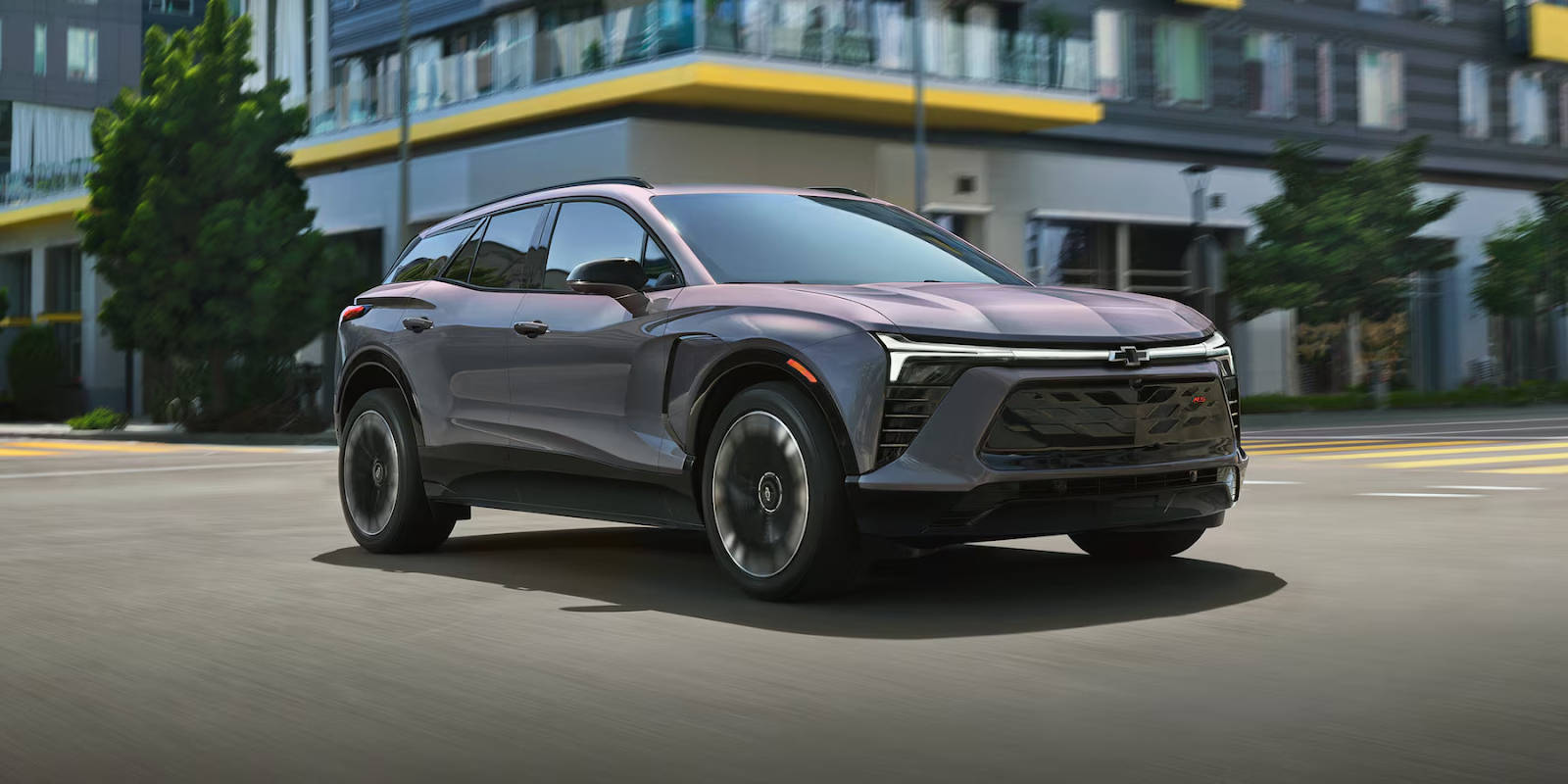
When searching for a family SUV that blends comfort, technology, and peace of mind, the 2025 Chevy Blazer stands out. At Jet Chevrolet, part of the Dinsmore Auto Group, we see more and more families choosing the Blazer for its combination of everyday usability and standout styling.
This blog will break down the key reasons why the Blazer fits family life in 2025, from spacious design to advanced safety and modern tech that keeps parents and kids happy alike.
Is the 2025 Chevy Blazer a Good SUV for Families?
Absolutely. The Blazer balances sporty appeal with practical functionality. Unlike bulkier full-size SUVs, it offers nimble handling while still delivering the space and features that families value most. Whether you’re commuting to school, hitting the grocery store, or road-tripping over the weekend, the Blazer keeps pace with modern family life.
It also delivers value across its trim lineup—from budget-friendly 2LT models to upscale RS and Premier trims. No matter your needs or budget, there’s a version of the Blazer that fits your family.
Does the 2025 Blazer Have Enough Space for Kids and Gear?
The interior room is one of the top concerns for parents. The Blazer delivers with:
- Seating for five with ample rear legroom
- 30.5 cubic feet of cargo space behind the second row
- Up to 64.2 cubic feet with rear seats folded
This flexible interior makes it easy to load up backpacks, sports equipment, strollers, and weekend gear. The rear seats split 60/40 and fold nearly flat, which helps when hauling both kids and larger items at once.
For day-to-day needs, parents love how easy it is to install car seats in the back, thanks to wide rear doors and marked LATCH points. If you’re moving a growing family, the Chevy Blazer’s cargo capacity handles it with ease.
What Safety Features Come with the 2025 Blazer?
Safety is non-negotiable for families, and the 2025 Blazer safety features are designed to provide confidence behind the wheel. Chevy Safety Assist is standard and includes:
- Forward Collision Alert with Automatic Emergency Braking
- Front Pedestrian Braking
- Lane Keep Assist with Lane Departure Warning
- Following Distance Indicator
- IntelliBeam Automatic High Beams
Higher trims or packages add features like:
- Adaptive Cruise Control
- Rear Cross Traffic Alert
- HD Surround Vision
- Lane Change Alert with Side Blind Zone Alert
These driver aids help reduce the likelihood of accidents, especially in school zones, busy intersections, and tight parking lots.
How Does the 2025 Blazer Compare to Other Family SUVs?
When comparing the Blazer to competitors like the Ford Edge, Hyundai Santa Fe, or Nissan Murano, it holds its own in key categories:
- More cargo space than the Edge
- A sportier drive than the Santa Fe
- More intuitive infotainment than the Murano
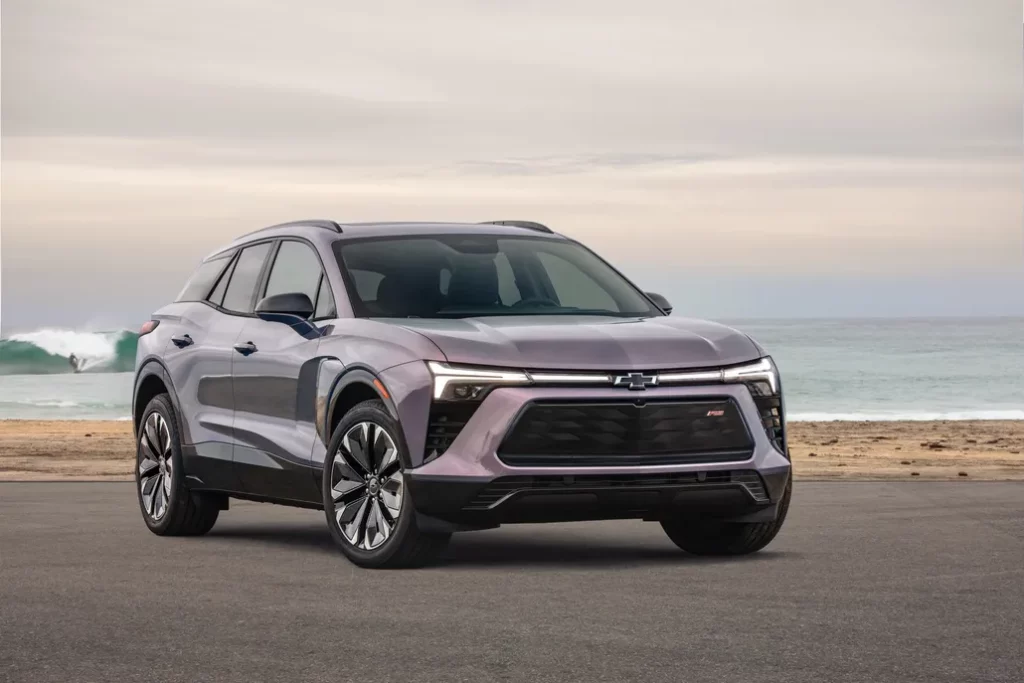
What sets it apart is its bold design. While many mid-size SUVs look interchangeable, the Family SUV Blazer turns heads with Camaro-inspired styling and unique color options that appeal to style-conscious parents.
Why Do Families Choose the 2025 Chevy Blazer?
Besides space and safety, families love the Blazer’s features and ease of use. Highlights include:
- Dual-zone climate control to keep everyone comfortable
- Rear seat air vents for faster cooling or heating
- Multiple USB ports to charge phones and tablets
- Optional hands-free power liftgate for easy loading
- Remote start and keyless entry for busy mornings
It’s these kinds of family-focused touches that make the Blazer family features stand out. Whether you’re managing a soccer carpool or heading out of town for the weekend, the Blazer makes life easier.
Technology and Connectivity
The Blazer is fully equipped with smart tech that keeps everyone entertained and informed. Standard or available features include:
- 11-inch touchscreen with Chevy Infotainment 3 Plus
- Wireless Apple CarPlay and Android Auto
- Wi-Fi hotspot capability
- Available Bose premium audio system
- Wireless phone charging
Parents can use voice commands to make calls, start navigation, or adjust audio without taking their eyes off the road, while kids stay entertained with media streaming on the go.
Fuel Efficiency and Performance
The 2025 Blazer offers two engine options:
- 2.0L turbocharged 4-cylinder (228 hp, 258 lb-ft of torque)
- 3.6L V6 (308 hp, 270 lb-ft of torque)
Both engines have a 9-speed automatic transmission. The base engine delivers up to 29 MPG highway, while the V6 offers stronger towing (up to 4,500 lbs) and more robust passing power.
For families that split time between errands and road trips, this balance of power and efficiency makes the Blazer an appealing all-around performer.
Ride Comfort and Interior Quality
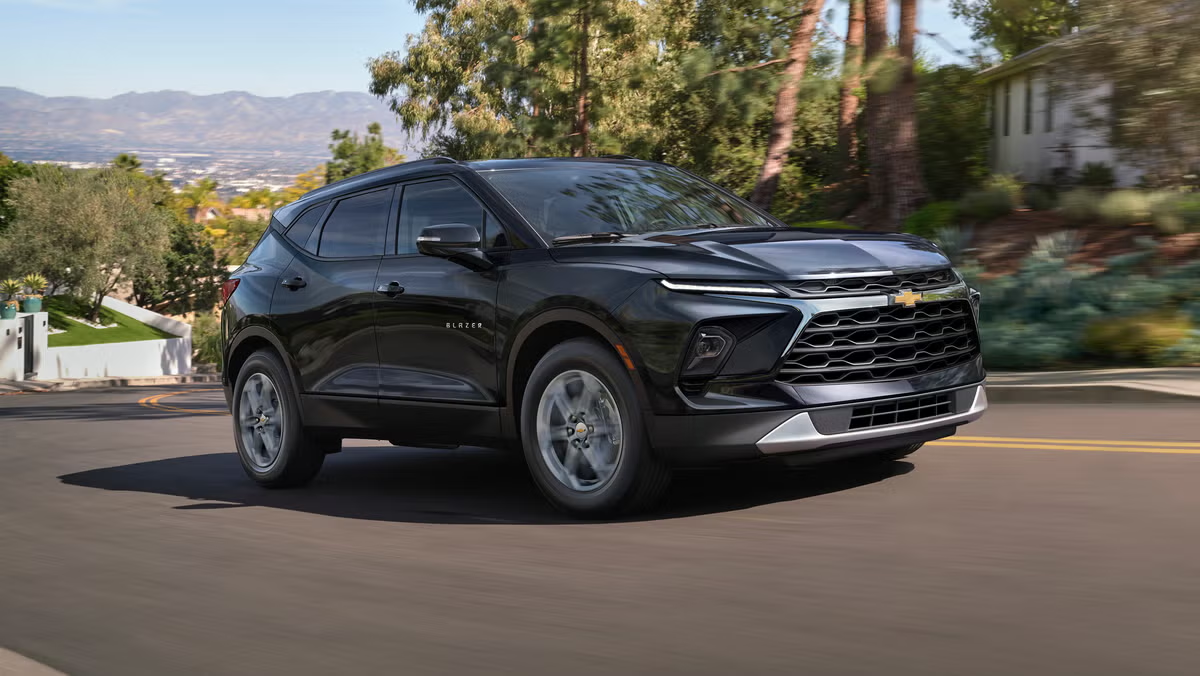
Chevy’s attention to ride comfort and quietness means the Blazer feels refined even on longer drives. Acoustic windshield glass, upgraded sound insulation, and optional leather seating contribute to a smooth and upscale ride.
The cabin layout is intuitive, with easy-to-reach controls and high-quality materials throughout. Premium trims offer perforated leather, contrast stitching, and ambient lighting—features that add a touch of luxury to your daily drive.
Chevy Blazer Trim Options for Families
Families can choose from several trims, each offering different levels of comfort and tech:
- 2LT: Well-equipped and budget-friendly with safety tech and smartphone connectivity
- 3LT: Adds leatherette seating, power liftgate, and advanced driver assists
- RS: Sporty touches, larger wheels, and optional V6 performance
- Premier: The most luxurious, with chrome accents, ventilated seats, and a full tech suite
Each trim can be equipped with all-wheel drive for added security in rainy or snowy conditions.
Why Shop with Dinsmore Auto Group
As part of the Dinsmore Auto Group, Jet Chevrolet offers one of the best selections of 2025 Chevy Blazer models in the Pacific Northwest. Our knowledgeable staff understands what families are looking for—whether it’s cargo space, tech, or peace of mind—and will guide you to the right fit.
We also provide flexible financing, trade-in evaluations, and extended warranty plans to help you shop with confidence.
Final Thoughts
The 2025 Chevy Blazer checks all the right boxes for a modern family SUV. With safety features, space for kids and cargo, tech that makes life easier, and styling that stands out, it’s a smart choice for households on the go.
Visit Jet Chevrolet today to test drive the Blazer and see why families are making the switch to Chevy’s most versatile mid-size SUV.
*Penned by AI, polished by humans
Common Questions Answered: Equinox EV
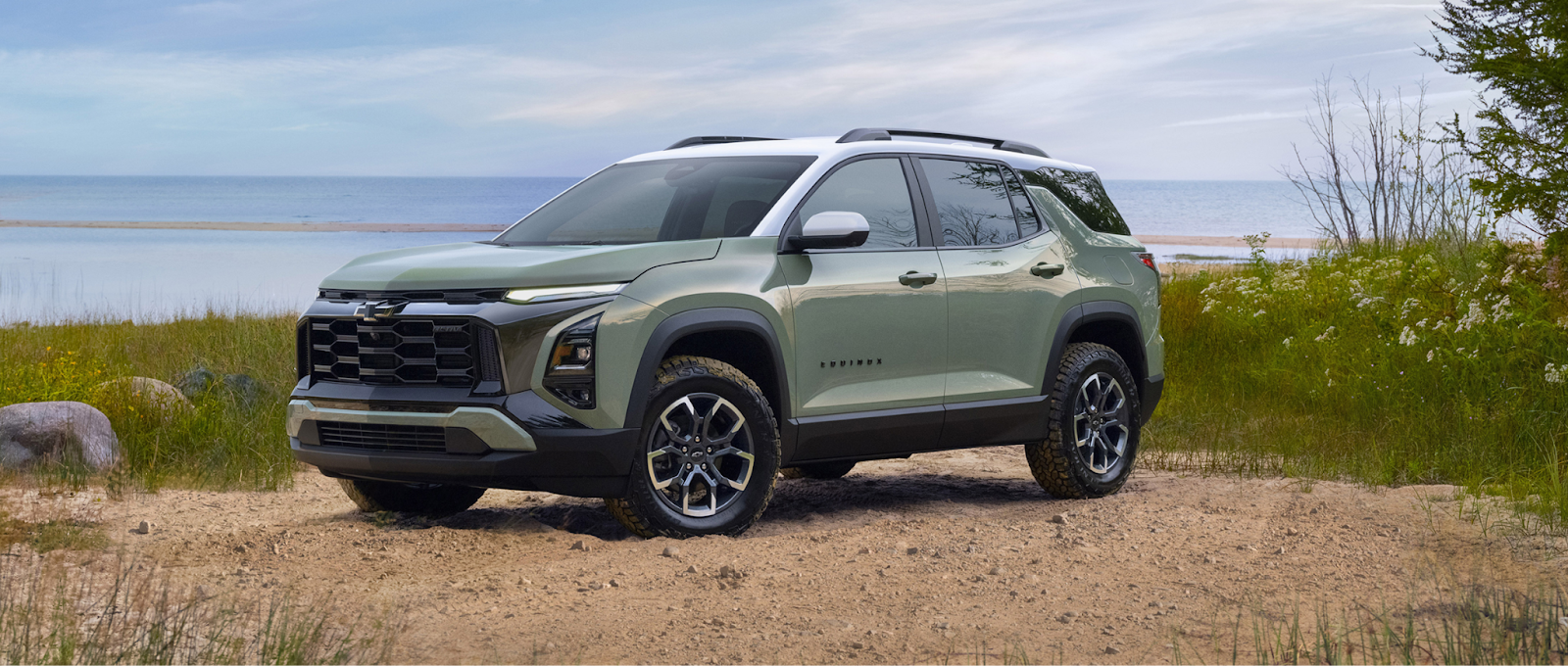
Common Questions Answered: Equinox EV
The 2025 Chevy Equinox EV has arrived, ushering in a new era of accessible, all-electric driving. As one of the most anticipated additions to Chevrolet’s EV lineup, the Equinox EV is packed with innovation, efficiency, and flexibility. At Jet Chevrolet, part of the Dinsmore Auto Group, we’ve gathered the most common questions our customers ask about this exciting new model—and we’re answering them all in one place.
What Is the Range of the Chevy Equinox EV?
Range is one of the most important factors for EV buyers, and the 2025 Equinox EV doesn’t disappoint. With up to 300 miles of estimated range (on select trims with front-wheel drive), the Equinox EV is well-suited for both city commutes and weekend road trips.
All-wheel-drive versions offer slightly less range but gain extra traction for all-weather driving. Actual mileage will vary depending on terrain, driving style, and load, but the Chevy Equinox EV range puts it at the top of the class among compact electric SUVs.
How Long Does It Take to Charge the Equinox EV?
Charging time depends on the method used:
- Level 1 (120V home outlet): Adds about 4 miles of range per hour
- Level 2 (240V home charger): Adds up to 34 miles of range per hour
- DC Fast Charging: Adds approximately 70 miles of range in just 10 minutes
For most drivers, installing a Level 2 charger at home will make daily charging simple and convenient. Chevy also offers support and incentives for at-home charger installation.
Does the Equinox EV Qualify for Tax Credits?
Yes, many versions of the 2025 Equinox EV qualify for up to $7,500 in federal tax credits, depending on final assembly location, battery sourcing, and your personal tax situation.
For Washington state drivers, additional EV tax credit info and potential utility rebates may apply. Always check with your tax professional to verify eligibility.
How Much Does the 2025 Equinox EV Cost?
Pricing starts at an estimated $34,995 MSRP for the base LT trim, with higher trims like RS and Premier reaching into the $40,000–$48,000 range, depending on configuration.
This competitive pricing, combined with the available incentives, makes the 2025 Equinox price one of the most compelling in the electric SUV space. Optional packages, AWD capability, and premium tech can affect final pricing, so we recommend speaking with a specialist at Jet Chevrolet for a full breakdown.
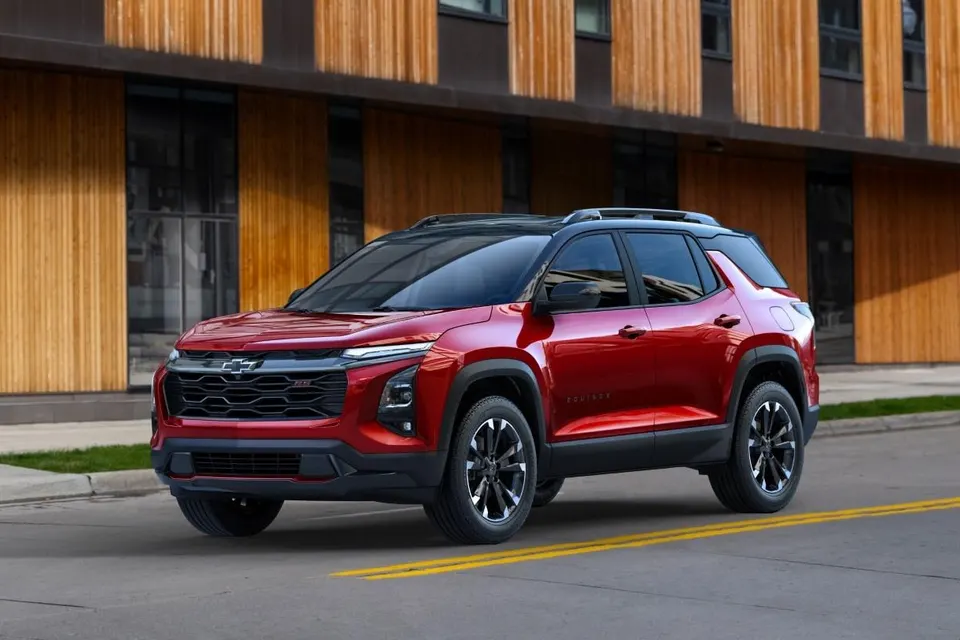
Is the Equinox EV Good for Long-Distance Travel?
Absolutely. With a range of up to 300 miles and access to nationwide DC Fast Charging stations, the Equinox EV is built for more than just short trips. Features like Google Built-In, real-time route planning with charging stops, and heated/ventilated seats make long drives comfortable and stress-free.
Its quiet cabin, ample cargo space, and available Super Cruise hands-free driving (on select trims) make it one of the best electric crossovers for long-distance commuters and weekend adventurers alike.
What Trims Are Available on the 2025 Equinox EV?
The 2025 Equinox trims include:
- LT (1LT, 2LT, 3LT): Includes front or all-wheel drive options, cloth or leatherette seats, and varying tech levels
- RS (2RS, 3RS): Sportier exterior accents, larger wheels, available performance AWD
- Premier: Premium finishes, advanced safety tech, panoramic sunroof, and Super Cruise availability
These trims allow for a wide range of pricing and equipment combinations, making it easier to find a version of the Equinox EV that suits your lifestyle.
Equinox EV Specs: What to Expect
- Platform: GM’s Ultium electric vehicle architecture
- Battery Options: 85 kWh (FWD) and dual-motor variants for AWD
- Horsepower: Up to 290 hp (AWD)
- Torque: Up to 346 lb-ft
- Cargo Space: Over 57 cubic feet with rear seats folded
- Towing Capacity: Up to 1,500 lbs (properly equipped)
These specs make the Equinox EV a versatile choice for families, commuters, and those stepping into their first electric vehicle.
How Does the Equinox EV Compare to Other Electric SUVs?
The 2025 Equinox EV competes with electric crossovers like the Ford Mustang Mach-E, Hyundai Ioniq 5, and Volkswagen ID.4. Here’s how it compares:
- Range: Better than most base trims of rivals
- Price: Significantly lower than competitors with similar range and features
- Tech: Built-in Google ecosystem is easier to use than many proprietary systems
- Interior: Roomier than most in its class
While some competitors offer slightly more performance or unique styling, few balance affordability, usability, and range as effectively as the Equinox EV.
Interior Design and Comfort
Inside, the Equinox EV focuses on space, tech, and sustainability. A flat floor allows more legroom, while materials in higher trims lean toward eco-conscious textiles and soft-touch finishes. Available options include:
- Heated and ventilated front seats
- Heated steering wheel
- 17.7-inch touchscreen display
- Ambient lighting
- Wireless phone charging
Storage solutions, including an adjustable cargo floor and underfloor storage compartment, make the interior just as functional as it is attractive.
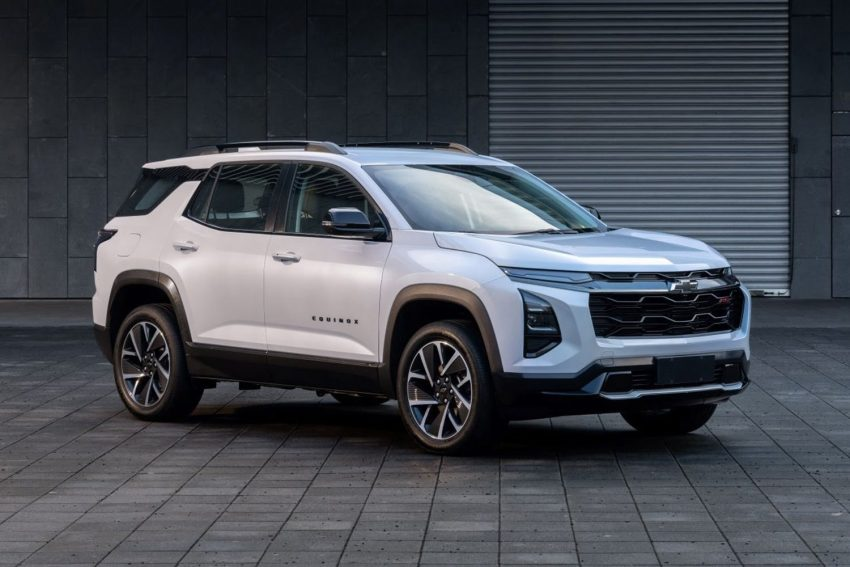
Chevy EV FAQ: Charging, Maintenance, and Warranty
Still have questions? Here are a few quick answers:
- Does it require special maintenance? Less than a gas car—no oil changes or exhaust systems
- Battery warranty? 8 years / 100,000 miles limited warranty
- Where can I charge in public? Compatible with major networks like Electrify America and EVgo
- What if I need roadside assistance? Covered by Chevy’s standard assistance for EVs
Chevrolet also offers MyChevy app integration, helping you monitor charging, plan routes, and manage ownership directly from your smartphone.
Why Shop the Equinox EV at Jet Chevrolet?
As part of the Dinsmore Auto Group, Jet Chevrolet offers exclusive access to factory order slots, knowledgeable EV consultants, and on-site Level 2 chargers. We also assist with EV rebates, trade-ins, and financing for every type of buyer.
If you’re comparing electric SUVs or simply exploring your first EV, our team is here to make it a smooth, transparent process—from first click to first drive.
Final Thoughts
The 2025 Chevy Equinox EV answers the call for a practical, affordable, and fully electric SUV. With standout range, strong tech, versatile trims, and compelling pricing, it checks every box for today’s EV shopper.
Visit Jet Chevrolet to schedule your test drive and learn more about how the Equinox EV fits your lifestyle. We’re here to help you leap into electric with confidence.
*Penned by AI, polished by humans
2025 Chevy Tahoe vs. Full-Size SUV Rivals
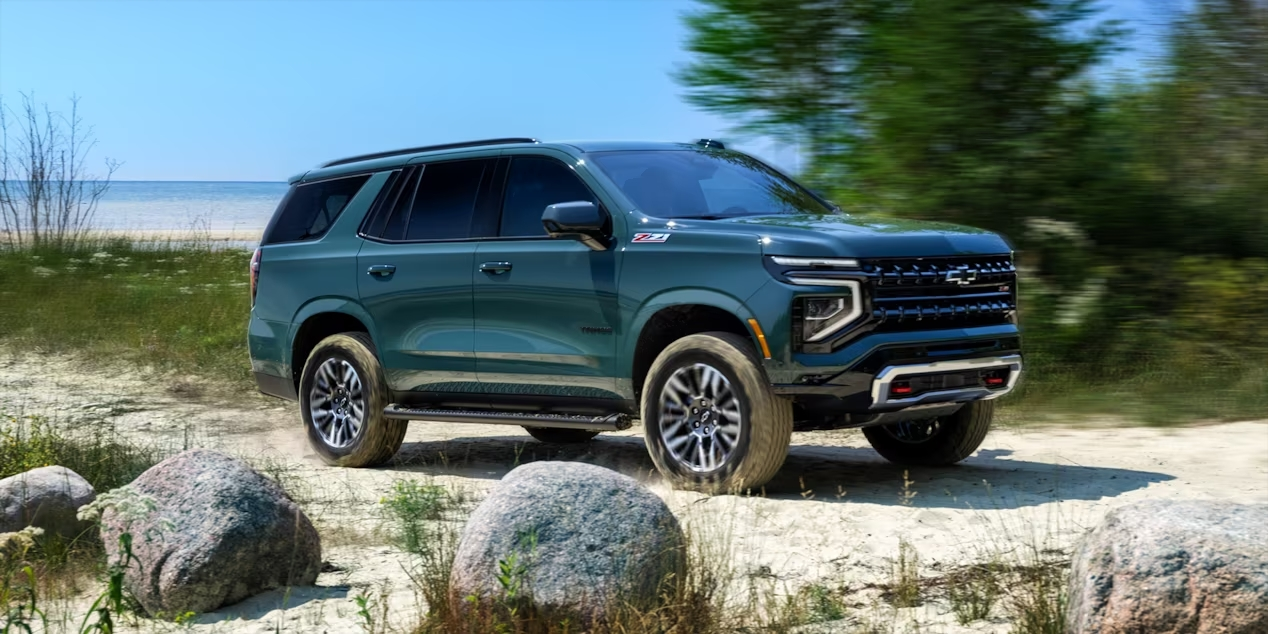
2025 Chevy Tahoe vs. Full-Size SUV Rivals
Drivers searching for a commanding and capable full-size SUV in 2025 are likely to cross paths with the Chevy Tahoe—and for good reason. At Jet Chevrolet, part of the Dinsmore Auto Group, we’ve seen the 2025 Tahoe continue to lead its class in power, comfort, and configurability. But how does it stack up against rivals like the Ford Expedition, GMC Yukon, and Toyota Sequoia?
This full-size SUV comparison looks at where the 2025 Tahoe excels and where competitors are trying to catch up.
How Does the 2025 Tahoe Compare to the Ford Expedition?
The Ford Expedition has long been the Tahoe’s top rival, and both remain strong contenders in the full-size segment. The 2025 Chevy Tahoe offers multiple engine options—including a 5.3L V8, 6.2L V8, and the available Duramax 3.0L Turbo-Diesel—while the 2025 Expedition sticks with a 3.5L twin-turbo V6 across its lineup.
Horsepower numbers are close (up to 440 hp in high-trim Expeditions), but the Tahoe provides more diversity in powertrains, giving drivers a choice between traditional V8 power and diesel efficiency. When it comes to ride quality, the Tahoe’s independent rear suspension and optional air ride adaptive suspension system deliver a refined drive, whether you’re on pavement or gravel.
Is the 2025 Chevy Tahoe Better Than the Toyota Sequoia?
Toyota gave the Sequoia a full redesign recently, and the 2025 model continues to build on that hybrid-based platform. It comes standard with a twin-turbo V6 hybrid that’s powerful and fuel-efficient, but some reviewers note its transmission tuning can feel awkward under acceleration.
The Tahoe’s big advantage lies in its third-row space and cargo capacity. The Sequoia’s fixed battery placement limits third-row adjustability, while the Tahoe provides class-leading legroom and more usable space behind the third row, perfect for families or gear-heavy travelers.
In terms of towing, both offer around 9,000 lbs of capability, depending on configuration. But with better space management, powertrain variety, and a traditional layout, the Tahoe edges out the Sequoia in day-to-day practicality.
What’s the Difference Between the 2025 Tahoe and Yukon?
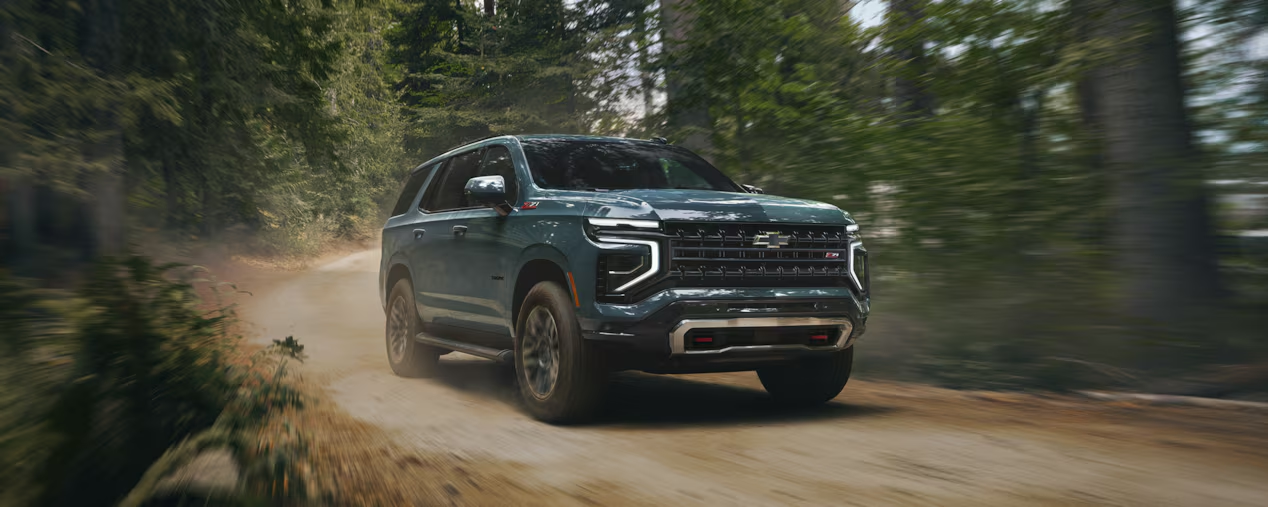
The 2025 GMC Yukon and 2025 Chevy Tahoe are mechanical twins, both built on the GM T1 platform and sharing engine options. However, the differences lie in Styling and interior finishes are noteworthy. The Yukon leans more towards a premium feel, especially in Denali and Denali Ultimate trims, while the Tahoe offers rugged elegance and value-focused packaging.
If you’re comparing a mid-trim Yukon to a similarly priced Tahoe, the Tahoe often includes more family-friendly features, whereas the Yukon focuses on luxury presentation. For buyers looking at capability, towing, and drivability, both deliver equally strong performance.
Which Full-Size SUV Has the Best Towing Capacity in 2025?
If towing is your priority, all four vehicles offer impressive figures:
- 2025 Chevy Tahoe: Up to 8,400 lbs (with Max Trailering Package)
- 2025 Ford Expedition: Up to 9,300 lbs
- 2025 Toyota Sequoia: Up to 9,520 lbs
- 2025 GMC Yukon: Similar to Tahoe (up to 8,400 lbs)
While the Tahoe doesn’t win outright in max towing capacity, it offers a smooth towing experience, diesel efficiency, and great handling with a trailer in tow. The towing-focused Max Trailering Package includes an integrated trailer brake controller, enhanced cooling, and hitch guidance tools that simplify the process for new tow drivers.
Which Full-Size SUV Is the Most Fuel-Efficient in 2025?
Fuel economy may not be the first thing on your mind when shopping for full-size SUVs, but it matters over time. The standout here is the 2025 Chevy Tahoe Diesel, which offers up to 28 MPG highway. That’s considerably higher than most gas-powered rivals.
By comparison:
- Ford Expedition (gas): Around 23 MPG highway
- Toyota Sequoia (hybrid): Around 24 MPG highway
- Chevy Tahoe (5.3L V8): 20 MPG highway
- GMC Yukon Diesel: Comparable to Tahoe Diesel (up to 27-28 MPG highway)
So, if long-haul driving is in your future, or you just don’t like refueling often, the diesel-powered Tahoe is one of the most efficient full-size SUVs available.
Interior and Tech Features
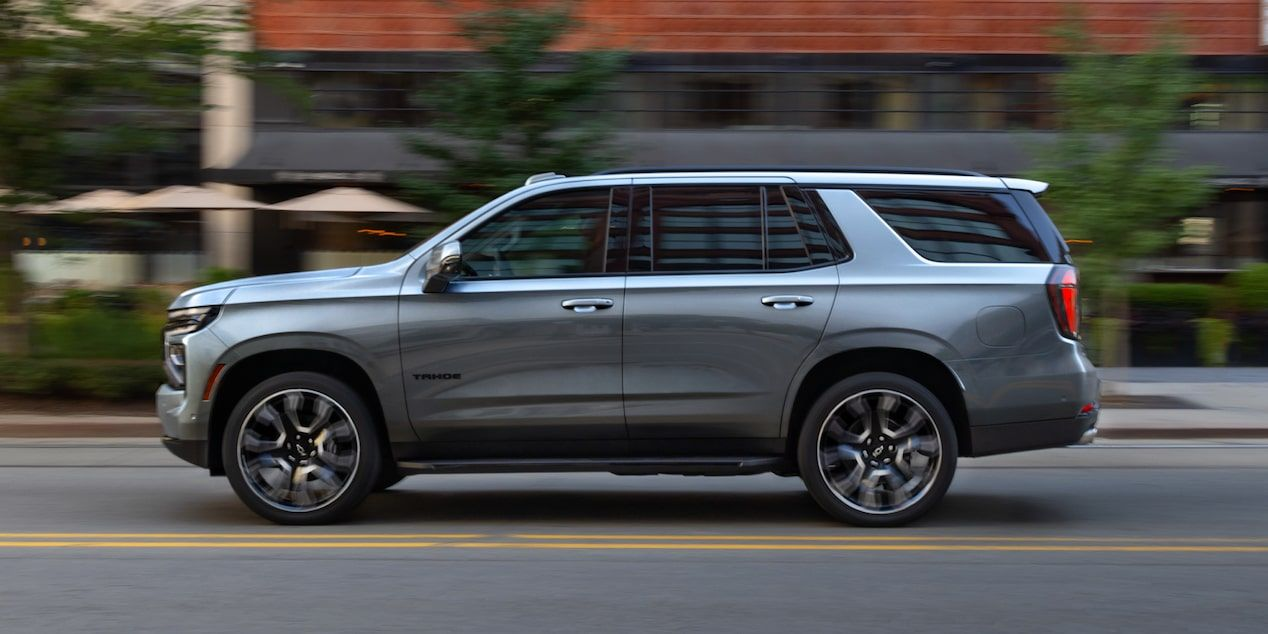
The 2025 Tahoe doesn’t skimp on comfort or technology. With available features like:
- 10.2-inch infotainment system
- Wireless Apple CarPlay and Android Auto
- Google Built-In voice control and navigation
- 12.6-inch rear-seat media screens
- Power sliding center console
- Available Super Cruise (hands-free driving on compatible highways). The Tahoe blends practicality with high-end tech. It also offers multiple interior themes depending on trim level, from rugged RST to the near-luxury High Country.
The Sequoia and Expedition are also tech-forward, but some users prefer GM’s infotainment for its user interface and Google integration. The Yukon has similar offerings but leans more into premium leather, wood, and upscale materials.
Ride Quality and Space
Thanks to its independent rear suspension and available air ride system, the Tahoe feels smooth and composed even with a full passenger load. Third-row passengers get ample legroom, unlike in some rivals where the third row feels cramped.
Cargo volume is another Tahoe strength. Behind the third row, you’ll get up to 25.5 cubic feet. Fold everything down, and there’s over 122 cubic feet—well above the Sequoia’s limited max cargo space.
2025 Tahoe Features That Stand Out
- Optional Super Cruise driver-assistance technology
- First-in-class power sliding center console
- Multiple seating configurations (up to 9 passengers)
- Best-in-class third-row comfort
- Diesel engine option, rare in this segment
These unique touches separate the Tahoe from others who follow a more traditional route. For families or businesses needing a reliable, configurable utility, the Tahoe adapts effortlessly.
Why Shop with Dinsmore Auto Group
As part of the Dinsmore Auto Group, Jet Chevrolet offers an unmatched inventory of Tahoe models—from LS to High Country trims. Our team is knowledgeable in both performance and tech packages, and we offer trade-in evaluations, flexible financing, and extended warranty options for total peace of mind.
We also carry full-size SUV rivals like the Expedition, Yukon, and Sequoia, giving you a chance to test each in one place before you decide.
Final Thoughts
In a crowded full-size SUV market, the 2025 Chevy Tahoe continues to set itself apart. With powerful engine choices, modern tech, outstanding passenger and cargo space, and a diesel option that wins on efficiency, it’s a compelling pick no matter your priorities.
Come test drive the new Tahoe at Jet Chevrolet and see how it stacks up against the rest. Whether you’re choosing for your family, fleet, or weekend adventures, we’ll help you find the right model, right here in Puyallup. Visit us!
*Penned by AI, polished by humans
A Closer Look at the 2025 Chevrolet Tahoe SUV
A Closer Look at the 2025 Chevrolet Tahoe SUV
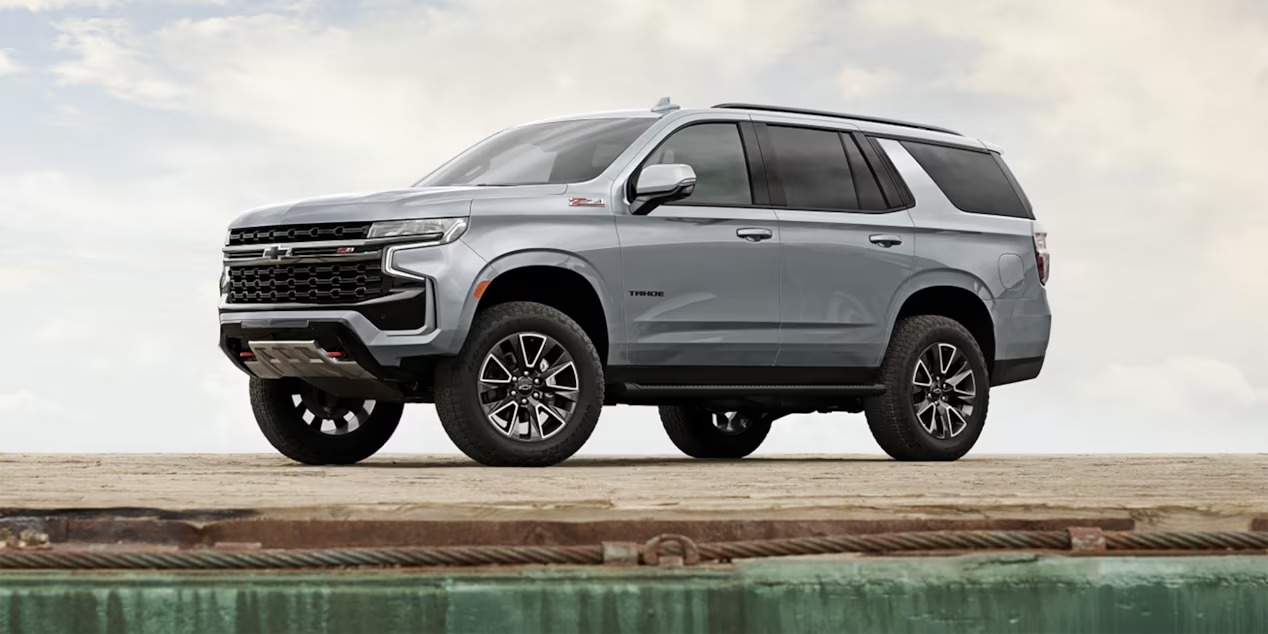
The Chevrolet Tahoe has long been a leader in the full-size SUV segment, and the 2025 model year takes this icon to a whole new level. With updated tech, refined design elements, and new performance options, the Tahoe continues to blend rugged capability with premium comfort. At Jet Chevrolet, part of the Dinsmore Auto Group, we’re excited to walk you through everything you need to know about the latest generation of this legendary SUV.
What Are the New Features in the 2025 Chevrolet Tahoe?
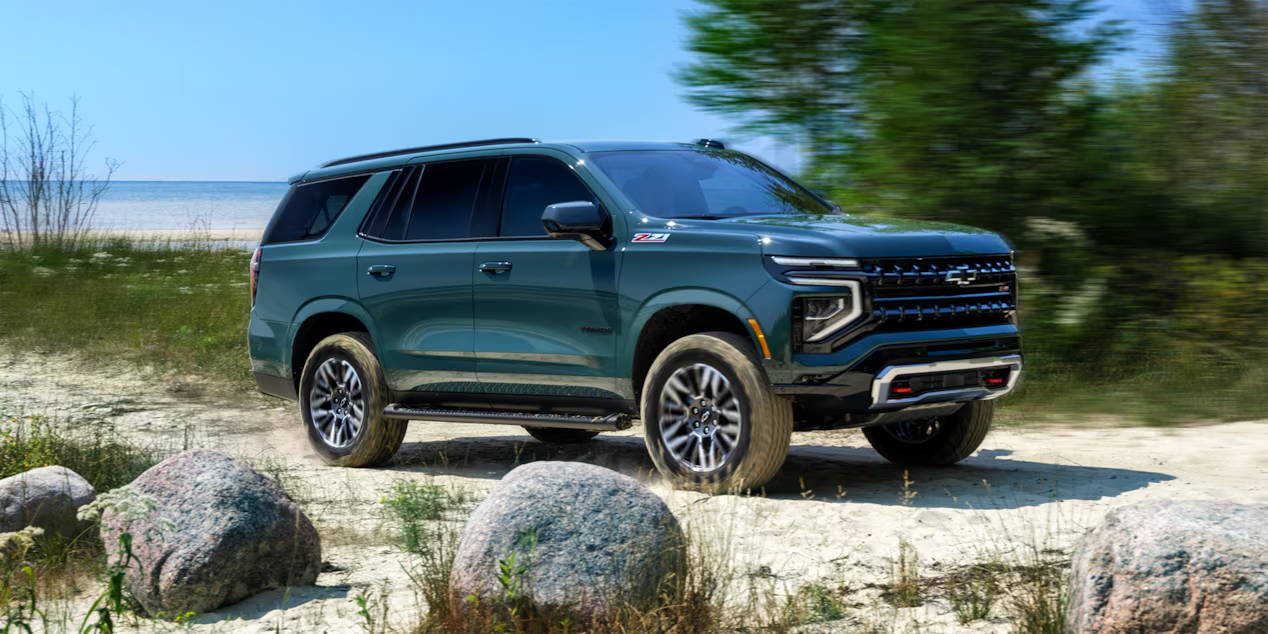
The 2025 Tahoe brings a freshened exterior with a redesigned front fascia, updated LED lighting, and bolder grille options across trim levels. Inside, the infotainment experience gets a major upgrade with a new 17.7-inch touchscreen standard on all trims, alongside Google built-in functionality and wireless smartphone integration.
Chevy has also improved sound insulation for a quieter cabin and added more USB-C ports for all three rows. Advanced driver assistance features have been enhanced too, with Super Cruise hands-free driving now available on select trims.
How Much Does a 2025 Chevy Tahoe Cost Near Puyallup?
Pricing for the 2025 Tahoe starts at around $58,000 for the base LS model and can exceed $80,000 for high-end trims like the High Country or RST Performance Edition. Pricing varies based on drivetrain configuration, optional packages, and features. At Jet Chevrolet, we offer competitive lease and finance options to fit your budget and lifestyle.
Is the 2025 Chevrolet Tahoe a Good SUV for Families?
Absolutely. If you’re wondering Is the 2025 Chevrolet Tahoe a good SUV for families?, the answer is yes—for multiple reasons. The Tahoe offers generous space for up to eight passengers, flexible cargo configurations, top-tier infotainment features, and excellent safety scores. Optional second-row captain’s chairs, rear entertainment systems, and a smooth ride make it ideal for long road trips and daily carpools alike.
What Trims Are Available for the 2025 Chevrolet Tahoe?
The 2025 Tahoe lineup includes six distinctive trims:
- LS: Well-equipped with essential features
- LT: Adds comfort and convenience upgrades
- Z71: Off-road-focused with unique styling and 4WD standard
- RST: Sporty design with optional performance package
- Premier: Luxuriously appointed with advanced driver tech
- High Country: The top-tier trim with exclusive interior materials and powertrains
Each trim is customizable with packages that enhance technology, trailering, and passenger comfort.
How Does the 2025 Chevy Tahoe Compare to the Ford Expedition?
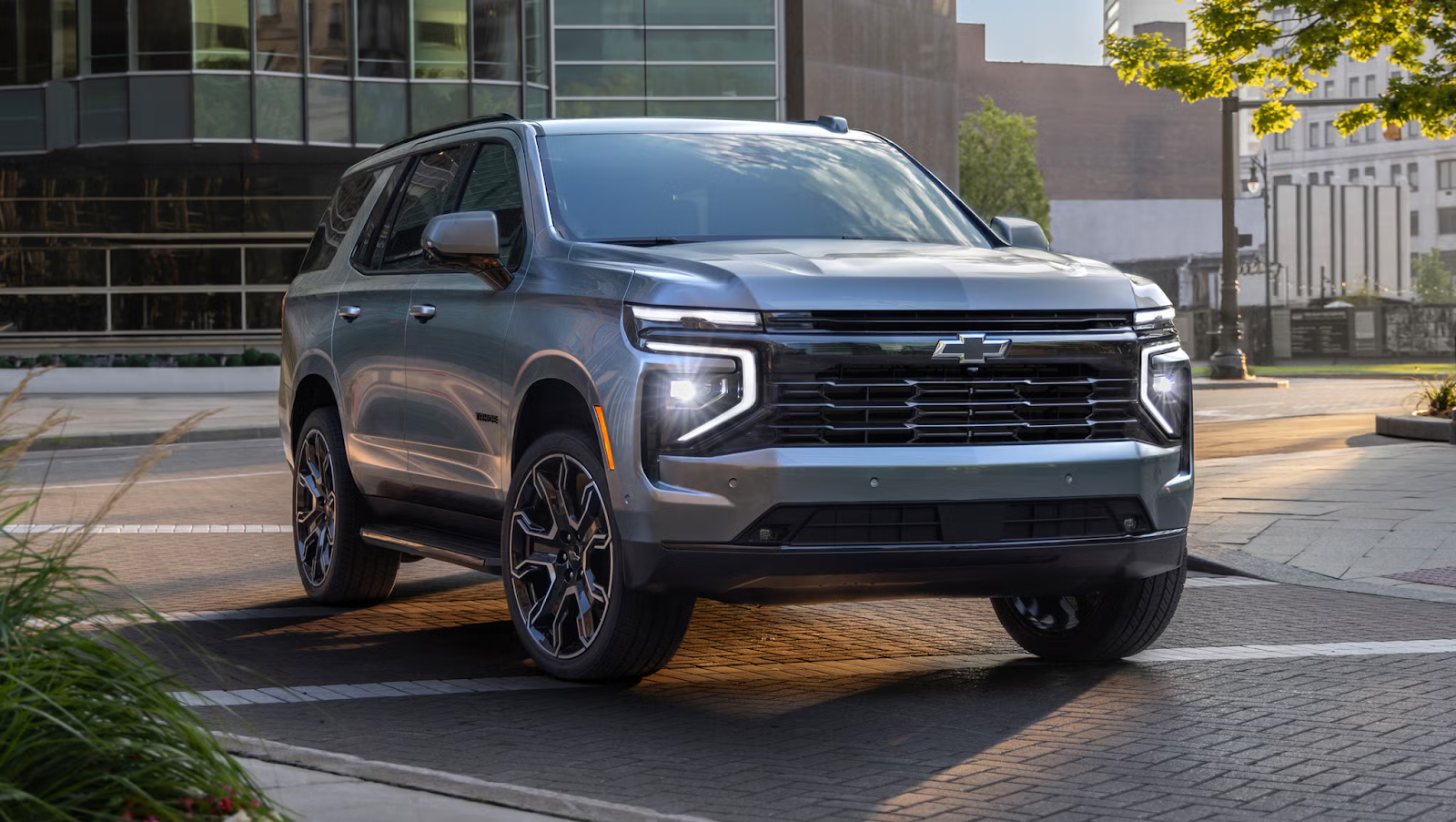
Compared to the Ford Expedition, the Tahoe offers a more intuitive tech interface, a smoother ride on long drives, and more rear cargo space when all seats are in use. While the Expedition holds its own in towing capacity, the Tahoe’s latest updates, including Super Cruise and enhanced trailering tech, make it a better value for drivers who want modern convenience without compromising capability.
Where Can I Test Drive a 2025 Chevy Tahoe Near Me?
You can test drive the 2025 Tahoe right here at Jet Chevrolet in Federal Way, just minutes from Puyallup. Our team will walk you through all available trims, explain current incentives, and help you compare the Tahoe to other vehicles in your consideration set. As part of the Dinsmore Auto Group, we offer a transparent, stress-free buying experience.
What’s the Fuel Economy of the 2025 Chevrolet Tahoe?
Fuel economy varies based on engine and drivetrain. The standard 5.3L V8 delivers around 16 MPG city / 20 MPG highway, while the available 3.0L Duramax Turbo-Diesel improves those numbers to approximately 21 MPG city / 28 MPG highway—a great option for those prioritizing efficiency in a full-size SUV.
Does the 2025 Tahoe Have Third-Row Seating?
Yes, and it’s one of the most spacious third rows in the class. The Tahoe’s independent rear suspension allows for a lower floor and more comfortable seating position in the third row. Folding both rear rows down gives you up to 123 cubic feet of cargo space—perfect for hauling gear, luggage, or weekend projects.
What Safety Features Come With the 2025 Chevy Tahoe?
Every 2025 Tahoe includes Chevy Safety Assist, which features:
- Forward Collision Alert
- Automatic Emergency Braking
- Front Pedestrian Braking
- Lane Keep Assist with Lane Departure Warning
- Following Distance Indicator
- IntelliBeam Auto High Beams
Higher trims add features like HD Surround Vision, Rear Pedestrian Alert, Adaptive Cruise Control, and Enhanced Automatic Parking Assist. Safety was a top priority in the new Tahoe.
Is There a Hybrid Version of the 2025 Chevrolet Tahoe?
At this time, Chevrolet does not offer a hybrid version of the Tahoe. However, the available Duramax diesel engine provides excellent fuel efficiency without sacrificing towing power or performance. As GM continues its EV transition, we’ll likely see hybrid or electric large SUVs shortly, but for now, Tahoe remains a gas or diesel-only model.
Final Thoughts
The 2025 Chevrolet Tahoe is bold, refined, and smarter than ever. Whether you need a reliable family hauler, an off-road-ready adventure vehicle, or a spacious and stylish daily driver, the new Tahoe delivers on all fronts. Visit Jet Chevrolet, proudly part of the Dinsmore Auto Group, to experience the Tahoe up close and see why it’s one of America’s favorite full-size SUVs.
*Penned by AI, polished by humans

Chevrolet Maintenance Guide: Keep Your Chevy Running Strong
A well-maintained Chevrolet doesn’t just perform better—it lasts longer, retains more value, and saves you money on unexpected repairs. At Jet Chevrolet, part of the Dinsmore Auto Group, we help drivers across Federal Way and the Puget Sound area stay on track with their service schedules. Whether you drive a Silverado, Traverse, or Tahoe, this guide will walk you through everything you need to know about caring for your Chevy.
What Is the Recommended Maintenance Schedule for a Chevrolet Silverado 1500?
Your Silverado 1500 is built to handle tough jobs, but it still needs regular maintenance to stay in peak condition. Here’s a general schedule to follow:
- Every 7,500 miles: Oil change, tire rotation, brake inspection
- Every 22,500 miles: Cabin air filter replacement
- Every 45,000 miles: Transmission fluid check, fuel system inspection
- Every 60,000 miles: Spark plug replacement, coolant flush
Check your owner’s manual or consult our service advisors at Jet Chevrolet for details specific to your trim and engine configuration.
How Often Should I Change the Oil in My Chevy?
For most newer Chevrolet models using synthetic oil, oil changes are recommended every 7,500 to 10,000 miles. However, if you do frequent towing, drive in dusty conditions, or idle for long periods, consider changing it more frequently—around every 5,000 miles. Regular oil changes are the most cost-effective way to keep your engine healthy and extend its lifespan.
Where Can I Get a Chevrolet Maintenance Check Near Me?
If you’re in Federal Way or the surrounding areas, Jet Chevrolet is your one-stop shop for certified Chevy service. Our factory-trained technicians use GM-approved tools and parts, and we keep detailed digital records of all your maintenance, so you’re always covered. Whether it’s a routine checkup or a diagnostics issue, we’ll get you back on the road quickly and confidently.
How Much Does Routine Maintenance Cost for a Chevy Traverse?
Routine maintenance for a Chevy Traverse typically ranges from $100 to $300 per visit, depending on the service. Here’s a rough breakdown:
- Oil change and inspection
- Tire rotation and balance
- Cabin air filter and engine filter replacement
- Full inspection with diagnostics
Following your maintenance schedule helps avoid costly repairs and keeps your Traverse driving like new.
What Services Are Included in a 60,000-Mile Maintenance for a Chevrolet Tahoe?
Reaching 60,000 miles is a major milestone, and your Tahoe deserves comprehensive service at this stage. A typical 60,000-mile maintenance includes:
- Oil and filter change
- Spark plug replacement
- Brake system inspection
- Coolant flush and fill
- Transmission fluid service
- Tire inspection and alignment check
This service ensures your Tahoe remains powerful, smooth, and road-trip ready for the long haul.
When Should I Replace the Spark Plugs in My Chevy?
Spark plugs typically last 60,000 to 100,000 miles, depending on your vehicle model and engine type. Signs they may need replacing sooner include:
- Reduced fuel efficiency
- Rough idling or misfiring
- Trouble starting
- Check engine light
Replacing worn spark plugs restores performance and prevents more serious engine issues down the line.
How Do I Know If My Chevy Needs a Transmission Flush?
Transmission service is essential but often overlooked. Watch for these signs:
- Delayed shifting or gear slipping
- Dirty or burnt-smelling transmission fluid
- Warning lights on your dashboard
As a general rule, Chevrolet recommends checking transmission fluid every 45,000 miles, with a flush around 60,000 to 100,000 miles depending on usage. Our technicians at Jet Chevrolet will inspect your fluid and recommend service based on actual condition—not just mileage.
Where Is the Best Place to Service a Chevrolet in Federal Way?
For drivers in Federal Way, there’s no better place than Jet Chevrolet. As part of the Dinsmore Auto Group, we offer:
- GM-certified service technicians
- Genuine OEM parts
- Transparent pricing and service recommendations
- Comfortable waiting lounge with Wi-Fi and shuttle service
- Online scheduling and maintenance reminders
Your Chevy deserves expert care, and that’s exactly what we deliver every time you visit.
Why Regular Maintenance at Jet Chevrolet Matters
We don’t just change oil—we protect your investment. Every maintenance visit at Jet Chevrolet includes a multi-point inspection, giving you a snapshot of your vehicle’s health. We track wear-and-tear items like brake pads, belts, filters, and fluids, so nothing gets missed. Plus, staying on schedule keeps your factory warranty valid and resale value higher.
Final Thoughts
Routine maintenance is the key to long-term performance and peace of mind. Whether you drive a daily commuter or a full-size family hauler, Jet Chevrolet is here to keep your vehicle in its best shape. Stop by today or schedule your next service online—and experience the difference expert care makes. As part of the Dinsmore Auto Group, we’re proud to serve Federal Way and the surrounding communities with integrity and professionalism.
*Penned by AI, polished by humans
FAQ – Chevy EVs Demystified: Your Questions Answered
FAQ – Chevy EVs Demystified: Your Questions Answered
Electric vehicles are no longer a futuristic concept—they’re a fast-growing reality. Whether you’re intrigued by the cost savings, environmental impact, or cutting-edge features, EVs are quickly becoming the go-to option for modern drivers. At Jet Chevrolet, part of the trusted Dinsmore Auto Group, we know the transition to electric can be overwhelming. That’s why we’re answering the most common questions about Chevrolet EVs in 2025—so you can plug in with confidence.
What Chevy Electric Vehicles Are Available in 2025?
Chevy’s electric lineup now includes multiple options tailored to different needs:
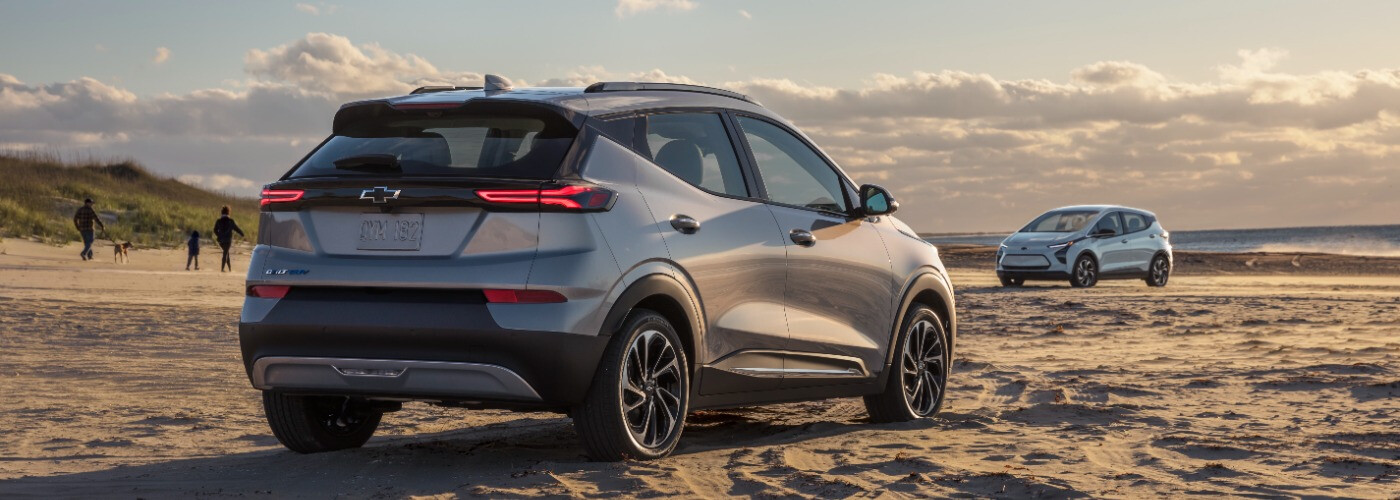
- Chevy Bolt EUV – An affordable, compact electric crossover with an EPA-estimated 247 miles of range, great for city drivers or small families.
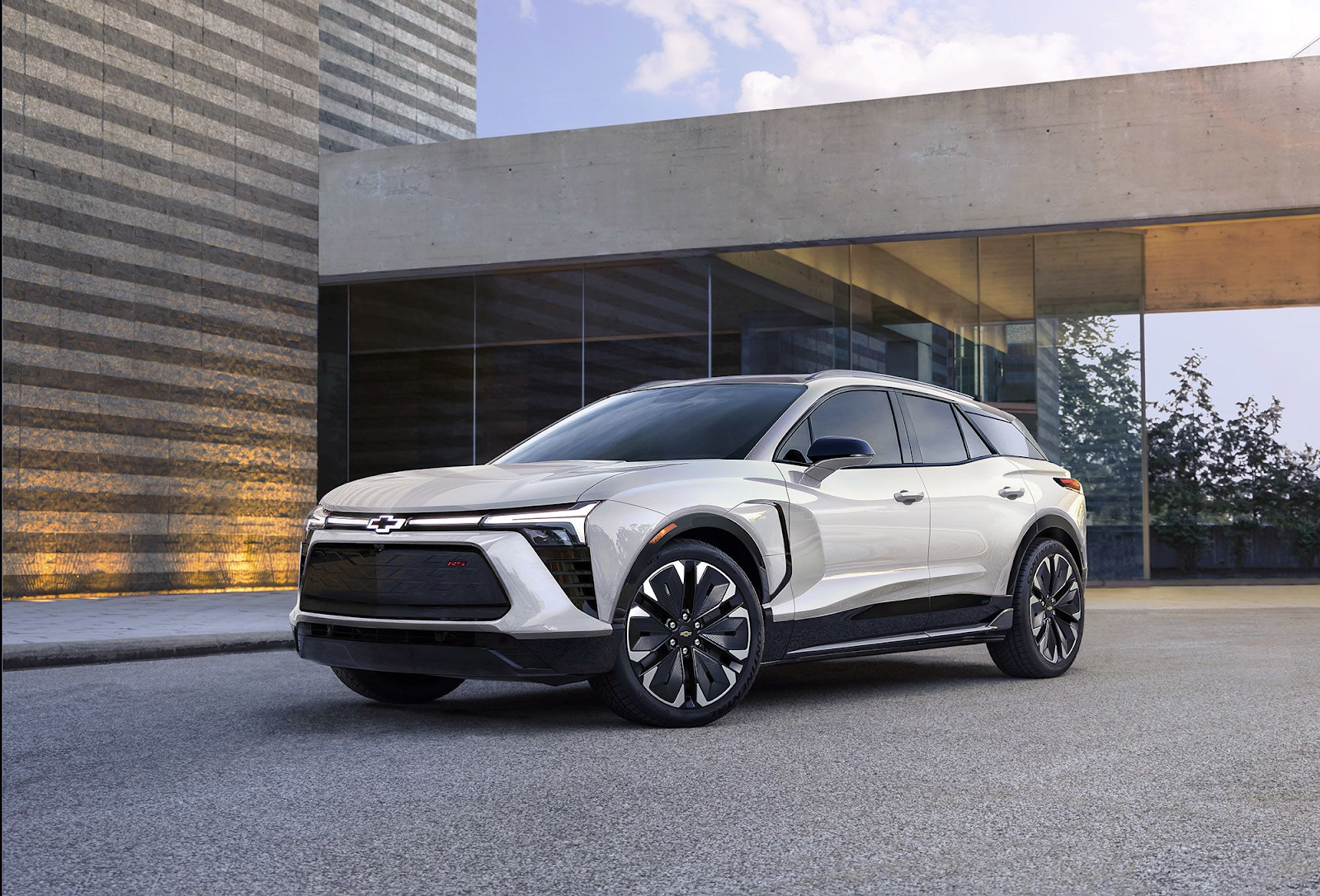
- Chevy Blazer EV – A bold, midsize SUV with up to 320 miles of range and available performance trims like the SS AWD.
- Chevy Equinox EV – The newest addition, offering up to 300 miles of range in a family-size, budget-friendly package.
Each model is designed to deliver a mix of efficiency, style, space, and technology to meet your daily driving needs.
How Long Does It Take to Charge a Chevrolet EV?
Charging times vary based on charger type:
- Level 1 (120V): Adds about 4 miles per hour of charging.
- Level 2 (240V): Fully charges most Chevy EVs overnight.
- DC Fast Charger: Can replenish up to 100 miles in about 10 minutes, depending on model.
The myChevrolet app helps monitor charge status, locate chargers, and schedule off-peak charging for energy savings.
What’s the Driving Range of the Chevy Blazer EV?
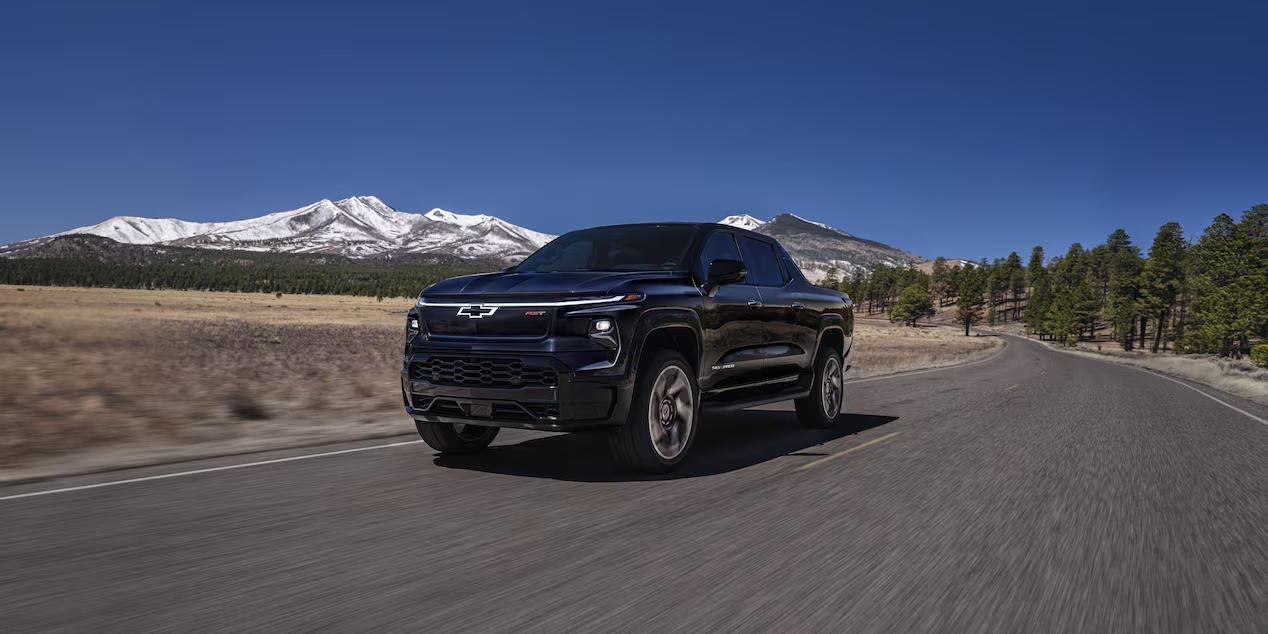
The Blazer EV offers an estimated range of up to 320 miles, depending on trim and battery configuration. That range supports long-distance travel without frequent recharging and competes directly with other top electric SUVs on the market.
How Does the Chevy Bolt Compare to the Tesla Model 3?
While the Tesla Model 3 offers slightly longer range and exclusive access to the Supercharger network, the Chevy Bolt EUV stands out for its affordability, practicality, and traditional design. The Bolt’s infotainment system, responsive acceleration, and GM-backed warranty make it an attractive option, especially for those who prefer servicing through a trusted dealership like Jet Chevrolet.
Can I Install a Home Charger for My Chevy EV?
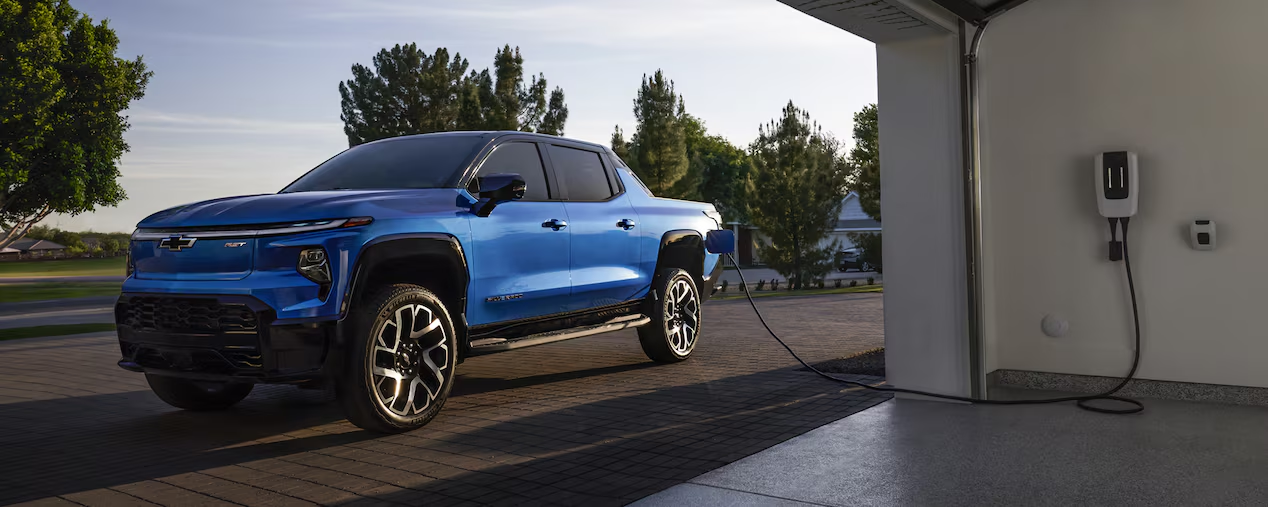
Yes, and it’s highly recommended. Chevy offers assistance through Qmerit to help install a Level 2 charger in your garage. Home charging not only saves time but also enables you to start each day with a full battery. Washington residents may also qualify for utility rebates and clean-energy incentives—ask our EV team for details.
Are Chevrolet EVs Good for Long-Distance Travel?
Absolutely. With models like the Blazer EV offering over 300 miles of range and a growing network of public DC fast chargers across the state, road trips in a Chevy EV are easier than ever. New software features also allow you to plan trips that include recommended charging stops along the way.
What’s the Cost to Maintain a Chevy Electric Vehicle?
Chevy EVs have fewer moving parts, which means lower routine maintenance costs:
- No oil changes
- Fewer fluid replacements
- Less brake wear due to regenerative braking
- Simplified drivetrain systems
Routine care includes tire rotations, battery system checks, and software updates. Over the lifetime of ownership, most EV drivers experience up to 40–50% less maintenance cost compared to gas vehicles.
What Warranty Comes with a Chevrolet EV Battery?
Every new Chevy EV comes with an 8-year/100,000-mile battery warranty that covers defects and significant degradation. This ensures peace of mind, and most drivers find that their EV battery retains more than 70% capacity well beyond the warranty term. GM’s battery technology has a strong track record for longevity and performance.
Do Chevrolet EVs Qualify for HOV Lane Access in Washington?
Yes. Many Chevy EVs are eligible for clean alternative fuel vehicle decals in Washington, which grant access to HOV lanes even with a single occupant. You’ll need to apply through the Washington State Department of Licensing. Our team can walk you through the process during delivery.
Are Chevrolet EVs Eligible for Federal or State Incentives?
Depending on the model and your tax situation, you may qualify for a federal EV tax credit of up to $7,500. Washington also offers sales tax exemptions on qualifying electric vehicles. Incentive availability is subject to change based on federal policy and income caps, so it’s best to consult with both our finance department and your tax advisor.
Where Can I Test Drive a Chevrolet EV Near Puyallup?
You can test drive any available Chevy EV at Jet Chevrolet. As part of the Dinsmore Auto Group, we carry a wide selection of electric models, from the Bolt EUV to the new Blazer and Equinox EVs. Our EV consultants will explain how each model fits your needs, demonstrate key features, and even help you set up your home charging plan.
What Support Does Jet Chevrolet Provide After You Buy an EV?
When you purchase an EV from Jet Chevrolet, the support doesn’t stop when you drive off the lot. We offer:
- EV maintenance scheduling
- Charging station consultations
- Software update notifications
- Trade-in evaluations for older gas vehicles
- Dedicated EV advisors for ongoing questions
We’re here to help you transition smoothly into electric driving and enjoy the benefits every step of the way.
Final Thoughts
Electric vehicles represent more than just a trend—they’re a smarter, cleaner, and more cost-effective way to drive. With extended range, fast charging, and low maintenance costs, Chevrolet’s EV lineup is built for the future. If you’re ready to drive electric in Puyallup, visit Jet Chevrolet, proudly part of the Dinsmore Auto Group, and let us help you take the next step into EV ownership with confidence.
*Penned by AI, polished by humans
Top SUVs for Families from Chevrolet’s Lineup
Top SUVs for Families from Chevrolet’s Lineup
Choosing the right SUV for your family goes beyond seat count and MPG—it’s about space, safety, versatility, and the ability to handle everything from carpool chaos to weekend road trips. At Jet Chevrolet, part of the trusted Dinsmore Auto Group, we understand the demands of family life. That’s why we’ve highlighted the top Chevrolet SUVs that combine comfort, tech, and functionality in one family-friendly package.
Chevy Traverse – The Best All-Around Family SUV
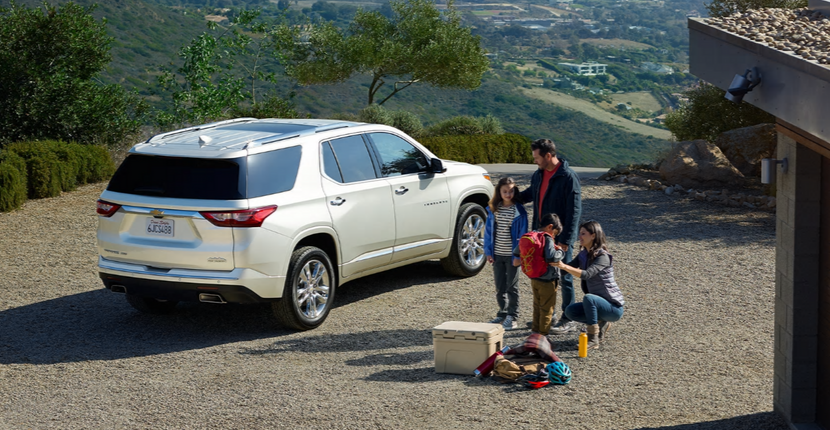
If you’re asking What are the best Chevrolet SUVs for families?, the Traverse is almost always at the top of the list. With seating for up to eight passengers and over 98 cubic feet of cargo space, the Traverse balances spaciousness with drivability. It features three rows of adult-friendly seating, available second-row captain’s chairs, and excellent safety ratings, making it ideal for growing households.
Chevy Tahoe – Power and Room for Big Families
How does the Chevy Traverse compare to the Tahoe for families? The Tahoe offers more towing capability and larger overall dimensions, making it better suited for families who haul gear or need extra room for older children. With available 4WD, a smooth ride, and a maximum of 122.9 cubic feet of cargo space, the Tahoe is the SUV for road trips, sports tournaments, and everything in between.
Chevrolet Suburban – The Ultimate Full-Size Family SUV
If you need the absolute most space, the Suburban is unmatched. Which Chevrolet SUV offers the most cargo space? The Suburban delivers with up to 144.7 cubic feet behind the first row. It also boasts the most third-row legroom in the lineup, making it perfect for tall teens and adult passengers alike. With a luxury-like interior and powerful towing capabilities, it’s a favorite among large families.
Chevrolet Equinox – Compact and Comfortable for New Parents
For smaller families or first-time parents, is the Chevrolet Equinox a good SUV for new parents? Definitely. This compact crossover offers a smooth, quiet ride and seats five comfortably. It includes features like Teen Driver technology, standard Chevy Safety Assist, and available all-wheel drive—all in a budget-friendly package that’s easy to maneuver and park.
Chevy Blazer – Stylish Yet Practical for Families with Older Kids
With bold styling and ample rear-seat room, the Blazer is a great fit for families who want utility without sacrificing flair. It offers plenty of car seat installation support in the back row and available leather-appointed seating, wireless phone charging, and a hands-free liftgate. For parents with teens or high schoolers, it’s a solid blend of sporty and sensible.
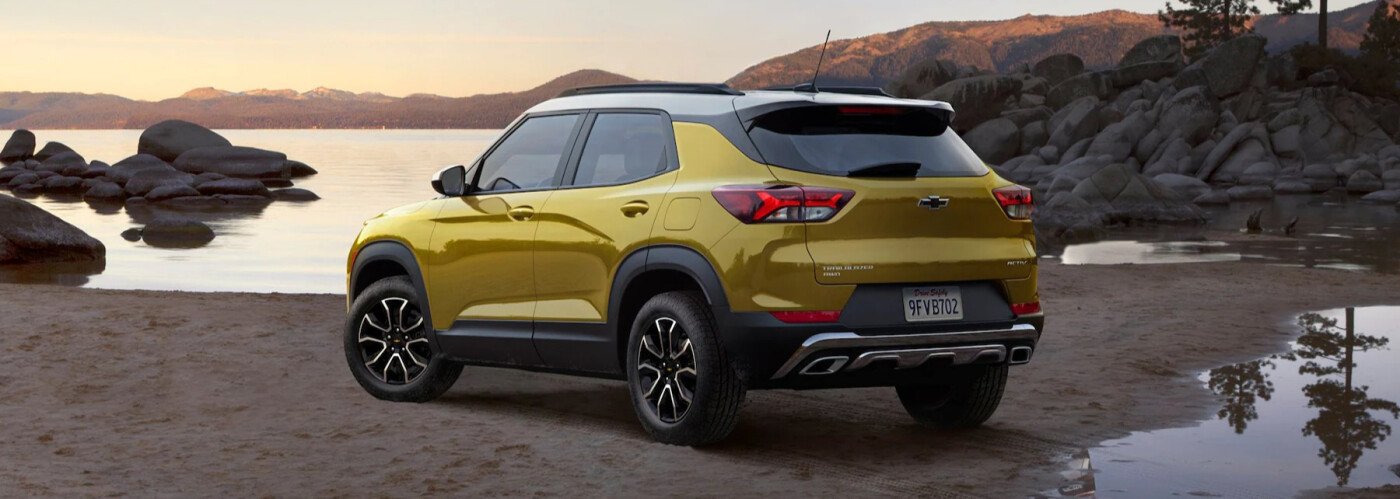
Chevy Trailblazer – Small SUV, Big Personality
The Trailblazer is a smart choice for families in tighter urban areas or those needing a second vehicle. It’s also among the most affordable family SUVs from Chevrolet. Despite its compact size, it provides flexible rear seats, good fuel economy, and plenty of USB ports to keep devices charged on the go.
Safety Across the Lineup – Peace of Mind Comes Standard
What Chevy SUVs have the best safety ratings for kids? The Traverse, Equinox, and Tahoe have all earned strong scores from the IIHS and NHTSA. Standard features like Automatic Emergency Braking, Front Pedestrian Braking, Lane Keep Assist, and Following Distance Indicator ensure you’re well-protected at every turn.
Entertainment and Connectivity for All Ages
Long drives are no problem when everyone’s connected. Are there Chevrolet SUVs with built-in Wi-Fi and rear-seat entertainment? Yes—models like the Tahoe and Suburban offer rear-seat media systems with dual screens, wireless headphones, and HDMI inputs. And nearly all models offer built-in 4G LTE Wi-Fi and wireless Apple CarPlay and Android Auto.
Smart Space and Seat Flexibility
How do Chevy SUVs rank for car seat installation? The Traverse and Equinox stand out for their easy-access LATCH anchors and wide-opening rear doors. Third-row SUVs like the Suburban make it easier to accommodate multiple car seats without sacrificing passenger comfort. Chevy’s Smart Slide® seating also allows quick access to the third row even when a seat is installed.
Which Chevrolet SUV Is Best for a Growing Family in Puyallup?
That depends on what your priorities are—space, price, technology, or fuel economy. The Equinox is great for city-based households, while the Traverse hits a sweet spot for midsize families. The Tahoe and Suburban are ideal for those who need space, strength, and seating versatility. At Jet Chevrolet, we’ll help you find the right fit for your unique needs and driving style.
Final Thoughts
Family life is full of surprises, but your SUV shouldn’t be one of them. With options ranging from compact to full-size, Chevrolet’s SUV lineup offers something for every stage of family growth. At Jet Chevrolet, part of the Dinsmore Auto Group, we’re here to help you choose the model that makes your daily life smoother, safer, and more enjoyable. Come test drive a family-friendly Chevy today and discover why so many Puyallup families choose Jet. Visit us!
*Penned by AI, polished by humans
What’s the Difference Between Leasing and Financing a New Car?
Choosing between leasing and financing a new vehicle is one of the first—and most important—decisions drivers face when shopping for a Chevrolet. At Jet Chevrolet, part of the Dinsmore Auto Group, we work with customers across Puyallup every day to help them understand their options and make the smartest choice for their lifestyle and budget. Whether you’re new to leasing or comparing it to traditional financing, this guide will walk you through everything you need to know.
How Does Leasing a Car Work Compared to Financing?
When you finance a car, you’re taking out a loan to eventually own the vehicle outright. Monthly payments go toward paying off the full purchase price, plus interest. Once the loan is paid off, the car is yours to keep, trade in, or sell.
Leasing, on the other hand, is more like a long-term rental. You make monthly payments to use the car for a set period—usually 24 to 36 months—based on the vehicle’s expected depreciation. At the end of the lease, you return the vehicle or choose to purchase it for a pre-agreed amount.
What Are the Pros and Cons of Leasing vs. Financing?
Leasing offers lower monthly payments, newer vehicles with fewer repairs, and more flexibility for those who like to upgrade every few years. However, leases come with mileage limits, wear-and-tear fees, and no ownership at the end—unless you choose to buy it out.
Financing gives you long-term equity and the freedom to drive as much as you want or customize the vehicle. However, monthly payments are higher, especially in the first few years, and long-term maintenance becomes your responsibility after the warranty expires.
Is Leasing Cheaper Than Financing a New Car?
In terms of monthly cash flow, leasing is usually cheaper. You’re only paying for the portion of the car’s life that you use, not the entire value. Financing a vehicle costs more each month but may be cheaper over time if you keep the vehicle for several years after it’s paid off. So, the question becomes not just “is it cheaper now?”—but “is it cheaper long-term?”
What’s the Difference in Monthly Payments When Leasing or Financing?
Let’s use a Chevrolet Equinox as an example. A lease might run around $299 per month for 36 months, while financing the same vehicle with $0 down could cost $480 or more per month over a five-year loan. That’s a significant difference for drivers prioritizing a lower monthly payment today.
Do You Need a Down Payment to Lease a New Car?
It depends on the lease deal. While some leases require a down payment (often called a capitalized cost reduction), Jet Chevrolet frequently offers sign-and-drive specials for qualified buyers with little or no money due at signing. That said, putting money down can help reduce your monthly payment if desired.
What Credit Score Do I Need to Lease vs. Finance?
Generally, leasing requires good to excellent credit (typically 650 and above), as lease companies want to reduce risk. Financing is slightly more flexible, with more options available for drivers with average or rebuilding credit. At Jet Chevrolet, we offer both lease and finance options with programs for a wide range of credit situations.
Can I Buy a Leased Chevy After the Contract Ends?
Yes, and many customers do. At the end of your lease, you can purchase the vehicle for the residual value listed in your contract. This is a great option if you’ve taken care of the vehicle and want to keep driving it, or if the current market value is higher than the residual cost.
Which Option Is Better for Low-Mileage Drivers: Lease or Finance?
Leasing is often the better deal for low-mileage drivers. If you drive under 12,000 miles per year, you may qualify for lower-cost lease terms. Since leases have mileage limits, staying within those boundaries can help you avoid fees and make the most of your lower payments.
What’s Better: Leasing or Buying a Car Long-Term?
If you prefer to drive a car until it’s paid off—and then enjoy a few years with no car payment—financing is usually the better path. Over the long term, it builds equity and provides flexibility. But if you like staying in a new vehicle every few years and prefer to avoid the hassle of selling or trading in, leasing offers unmatched simplicity.
Should I Lease or Finance My Next Chevrolet in Puyallup?
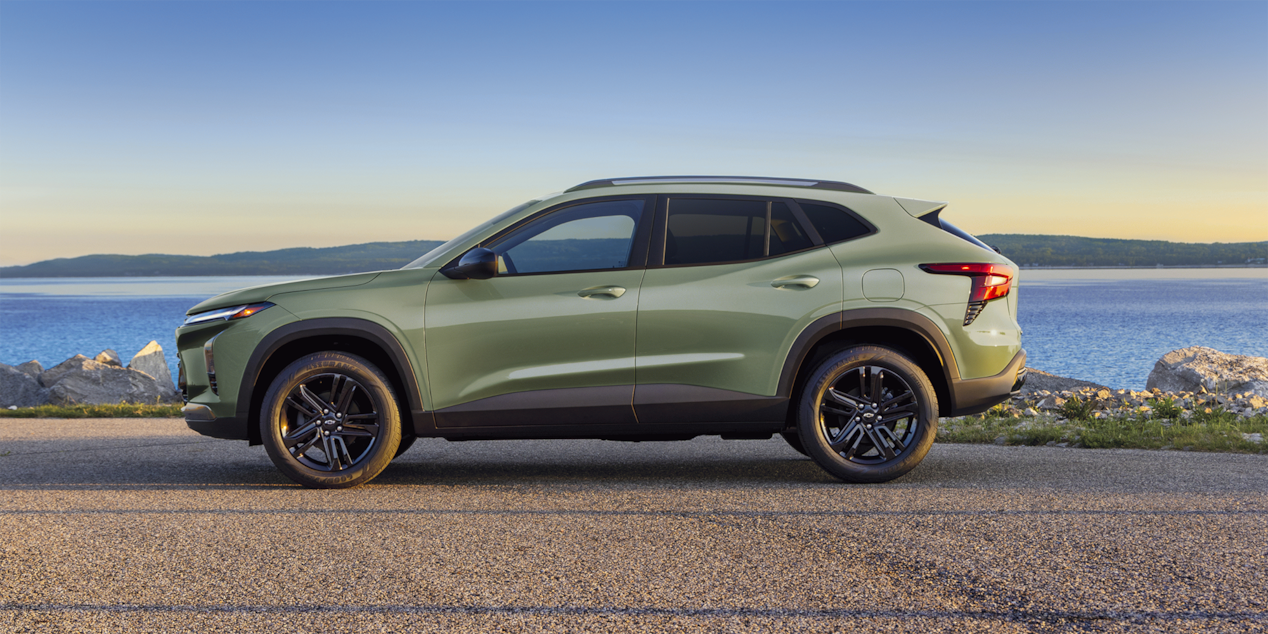
There’s no one-size-fits-all answer, but Jet Chevrolet can help you decide based on your driving habits, financial goals, and vehicle preferences. Our finance experts can compare real-time lease and finance offers on models like the Trax, Equinox, Traverse, or Silverado and help you weigh the pros and cons for your situation.
Where Can I Find the Best Chevy Lease Deals Near Puyallup?
You’ll find them at Jet Chevrolet, proudly part of the Dinsmore Auto Group. Our dealership offers a full lineup of new Chevy models with competitive lease offers, low-interest financing, and flexible trade-in options. We’ll work with you to build a payment plan that fits your budget, no matter which route you choose.
Final Thoughts
Deciding between leasing and financing is one of the biggest factors in your car-buying journey. At Jet Chevrolet, we’re committed to helping you explore both paths so you can make the right decision with confidence. Visit us today, and let’s talk through your options with transparency and clarity—so you can drive away with the perfect Chevy for your lifestyle.
*Penned by AI, polished by humans
Connect with us


- March 2026
- February 2026
- January 2026
- December 2025
- November 2025
- October 2025
- September 2025
- August 2025
- July 2025
- June 2025
- May 2025
- April 2025
- March 2025
- February 2025
- January 2025
- November 2024
- October 2024
- September 2024
- August 2024
- July 2024
- June 2024
- May 2024
- April 2024
- March 2024
- February 2024