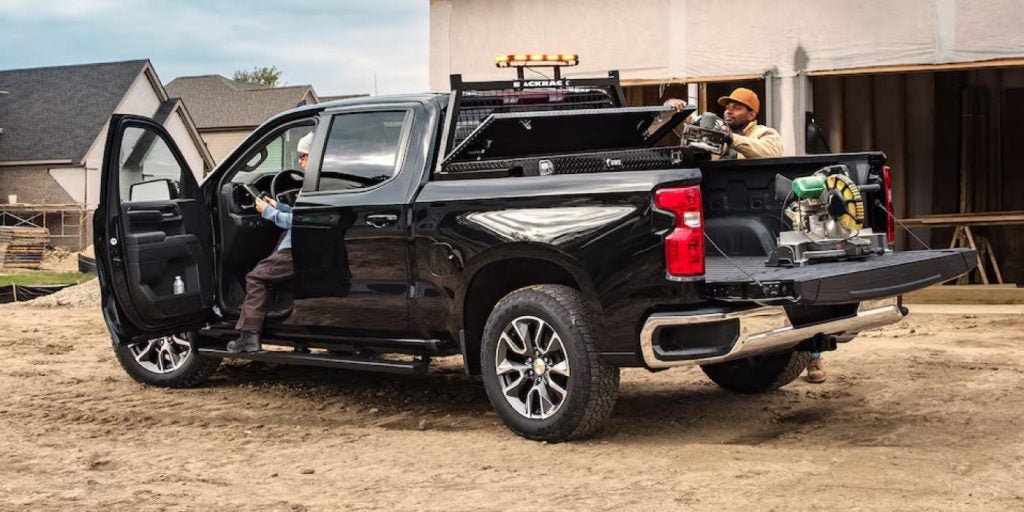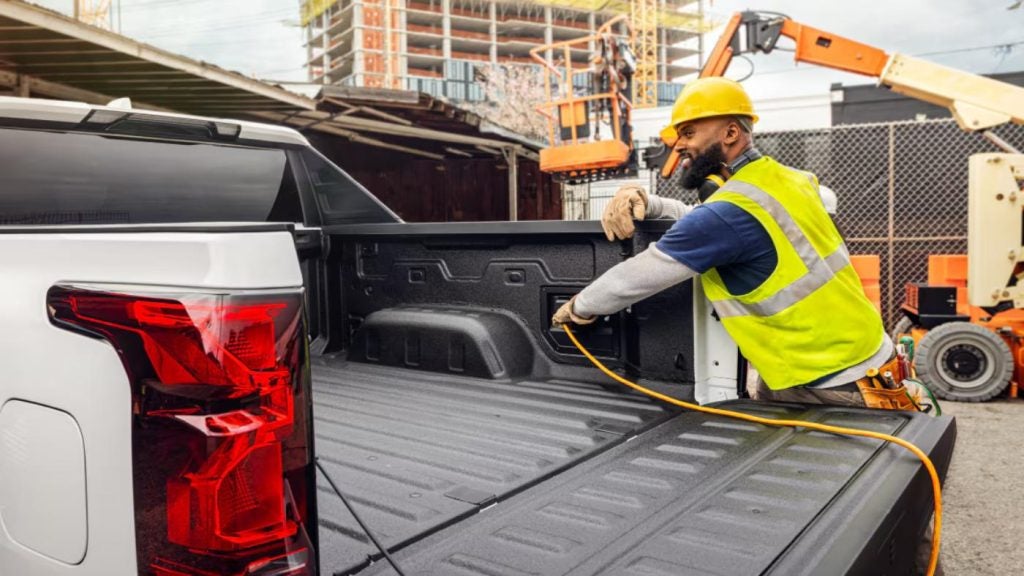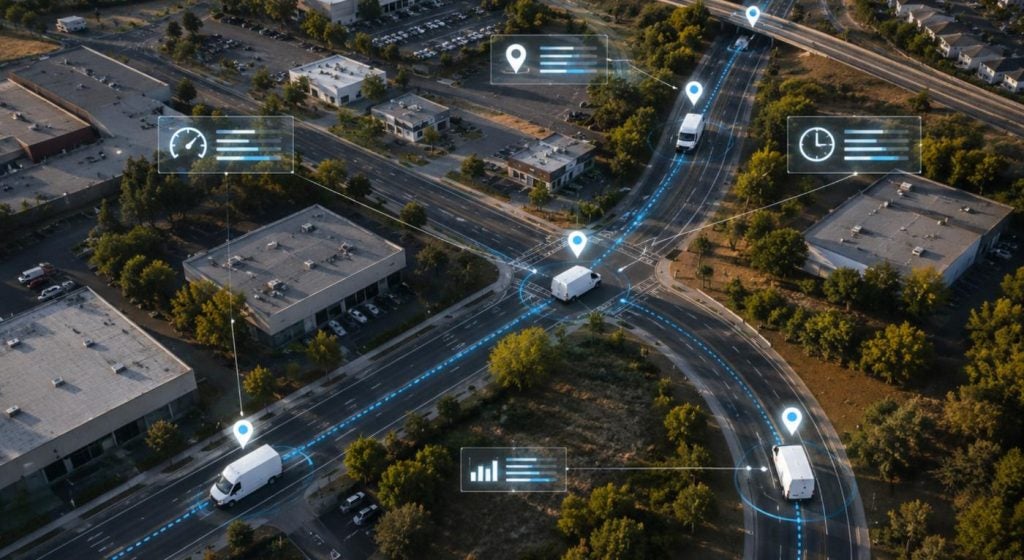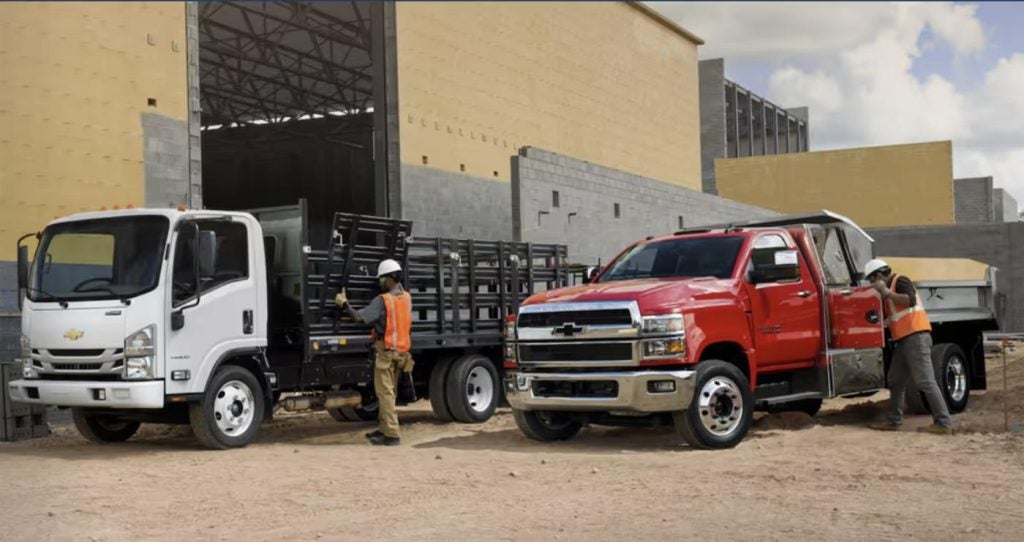



Once a fleet replacement plan identifies a commercial vehicle ready to retire, the next decision is clear: trade it in or sell it privately? Both can work. For Pacific Northwest business owners running HVAC, electrical, plumbing, construction, or delivery operations, the right choice depends on how much your time is worth and how much risk you are willing to carry.
The Case for Trading In
A trade-in is fast and simple, and it rolls directly into your next commercial vehicle purchase. The dealership handles the paperwork, the appraisal, and the transaction in one visit. The value can often be applied directly against your new work truck or cargo van, which also offers a significant tax advantage in Washington State by reducing the taxable purchase price.
For a local contractor or logistics provider whose time is better spent managing crews and running operations than handling a private sale, the convenience of a trade-in often outweighs a marginally higher private sale price.
The Case for Selling Private
Selling privately typically nets a higher sale price than a trade-in, since you are not selling at wholesale value. The tradeoff is time and effort. You have to list the vehicle, field inquiries from other local tradespeople, schedule viewings, and handle the title transfer paperwork yourself.
For a single service van and a patient seller, the price difference can be worth the effort. For a business retiring three or four trucks at once as part of a larger fleet refresh, the time cost of managing multiple private sales often outweighs the price advantage.
What Affects the Value Either Way
Regardless of which route you choose, a few factors consistently affect what a retiring vehicle is worth:
- Documented maintenance history
- Overall mileage relative to its age
- Condition of the interior cargo area and any upfit equipment
- Whether branding or wraps need to be removed before sale
Vehicles with clean, documented maintenance records consistently sell for more, whether traded in or sold privately, because they reduce the uncertainty a buyer is otherwise pricing into their offer. This is especially true for heavy-use delivery vans and construction trucks.
Making the Call

If your time is limited, your fleet refresh involves multiple vehicles, or you’re prioritizing simplicity, a trade-in is usually the better fit. If you have time, a well-maintained vehicle, and want to maximize sale price on a single unit, selling privately may be worth the extra effort.
Getting ready to retire a vehicle from your fleet? Connect with our commercial team at (253) 336-4216 for a trade-in appraisal before you decide.
Why Western Washington Fleet Owners Trade With Jet Chevrolet
Located in Federal Way along the I-5 corridor, Jet Chevrolet supports fleet customers across Western Washington, including:
- South Sound & Local: Federal Way, Tacoma, Kent, Auburn, Puyallup, Olympia
- Greater Seattle & North Sound: Seattle, Bellevue, Renton, Everett, Lynnwood
As part of Dinsmore Auto Group, Jet Chevrolet remains family-operated, with a commercial team that gives fair, transparent trade-in appraisals instead of lowball offers designed to be negotiated up. They follow the philosophy:
Do More. Save More. Experience MORE.
For fleet owners retiring a vehicle, that means a straightforward process that gets you into your next vehicle without the hassle of managing a private sale.
Get a trade-in appraisal from a commercial vehicle specialist at (253) 336-4216 today.
Final Thoughts
Trading in and selling privately both have their place. The right choice comes down to how you value your own time against the price difference, and for many fleet owners managing multiple vehicles, the simplicity of a trade-in wins out.

If you read our breakdown of Section 179, you already know the basics. A growing number of business owners are asking an important question once tax season gets closer: should you use Section 179, bonus depreciation, or both?
It’s a fair question, and the honest answer is that it depends on your business’s specific financial picture this year. Understanding the difference puts you in a much better position to make that call with your tax advisor instead of guessing.
What Section 179 Actually Does
Section 179 lets you deduct the full purchase price of qualifying vehicles and equipment in the year you put them into service, up to an annual limit set by the IRS. It was built for businesses like yours, ones that depend on real, tangible equipment to operate. The deduction applies dollar for dollar against your taxable income, which makes it especially valuable in a strong revenue year.
There’s a catch worth knowing. Section 179 has an annual spending cap, and once your total qualifying purchases exceed that cap, the deduction phases out.
What Bonus Depreciation Adds
Bonus depreciation works differently. Rather than capping the deduction at a set dollar amount, it allows you to deduct a percentage of an asset’s cost beyond what Section 179 already covers, and it has no business income limitation.
That last point matters more than most owners realize. Section 179 can only be used to reduce your taxable income to zero, it cannot create a net loss. Bonus depreciation can. For a business that had a leaner year financially but still needs to invest in assets, that distinction can be the difference between using the deduction now to offset other income or carrying it forward.
It’s important to note though that if you are looking to deploy this strategy by acquiring vehicles, the rules depend heavily on what you buy. For standard passenger cars and light SUVs under 6,000 lbs gross vehicle weight rating (GVWR), the IRS imposes strict luxury auto depreciation caps. Even with bonus depreciation, you cannot write off the full price of a light vehicle upfront. To unlock a full, unlimited first-year deduction and create that strategic tax loss, your business must focus on heavy vehicles, such as commercial trucks, cargo vans, or full-size SUVs with a GVWR over 6,000 lbs.
Which One Should You Use With Your Fleet?

Most fleet purchases end up using both. A common approach is applying Section 179 first, up to the annual limit, and then applying bonus depreciation to whatever remains. The right mix depends on your income for the year, your growth plans, and whether you’d rather take the deduction now or spread it out.
This is exactly the kind of decision worth bringing to your tax professional before you finalize a purchase, not after. The vehicles themselves rarely change. The timing and structure of the purchase can change everything about what you keep at the end of the year.
Why Timing Matters for Fleet Buyers
Both deductions require the vehicle to be purchased and placed into service before the end of the tax year. Waiting until December to start the conversation often means waiting until next year to get the vehicle.
Have a target purchase in mind for this year? Call our commercial team at (253) 336-4216 to check current inventory and timelines so a tax decision doesn’t get derailed by a vehicle that isn’t on the lot yet.
Why Western Washington Business Owners Work With Jet Chevrolet
When you are expanding your fleet to optimize your fiscal planning, you need a partner with the inventory depth to match your timeline. Jet Chevrolet provides extensive regional pool-stock availability, ensuring you can secure the heavy commercial vehicles your business requires before the tax year closes.
Located in Federal Way directly along the I-5 corridor, Jet Chevrolet provides efficient solutions to businesses within an hour’s drive of the Seattle-Tacoma metropolitan area.
This location serves commercial clients across Western Washington, including:
- South Sound & Local: Federal Way, Tacoma, Kent, Auburn, Puyallup, Olympia
- Greater Seattle & North Sound: Seattle, Bellevue, Renton, Everett, Lynnwood
As part of Dinsmore Auto Group, Jet Chevrolet is locally owned and family operated, and that ownership stays involved in the day-to-day relationship with commercial customers, not just the transaction. Their philosophy remains:
Do More. Save More. Experience MORE.
For fleet buyers navigating tax timing, that means a team that helps you plan the purchase around the deduction, not the other way around.
Talk through your specific situation with a commercial vehicle expert at (253) 336-4216 before your purchase window closes.
Final Thoughts
Section 179 and bonus depreciation are both powerful tools, and neither one is automatically the better choice. The right answer depends on your income, your growth plans, and how much of the deduction you want to use this year versus later.
What doesn’t change is the importance of having the vehicle in hand before the calendar runs out. A smart tax strategy and a smart fleet strategy are usually the same conversation.
Disclaimer
This article is intended for informational purposes only and should not be considered tax, accounting, or legal advice. Tax laws frequently change, and eligibility for Section 179 deductions or other tax benefits depends on individual circumstances.
Business owners should always consult their CPA, tax advisor, or financial professional regarding current regulations and how they apply to their specific situation.

Every trade business eventually asks the same question: which vehicle actually fits the work? The answer isn’t universal, and the wrong choice quietly costs efficiency every single day, even when the vehicle itself runs perfectly.
Cargo Vans
Cargo vans excel at secure, organized, weatherproof storage. Tools and inventory stay locked away from job sites and out of the rain, which matters constantly in Western Washington. Vans also offer a clean, branded exterior that doubles as moving advertising for your business.
Electricians, plumbers, and HVAC technicians carrying a high volume of small parts, tools, and equipment tend to get the most value from a van. The enclosed, organized space reduces time spent searching for materials and protects expensive equipment from theft.
Pickup Trucks
Pickup trucks win when the job requires hauling bulky materials, towing equipment, or working in rough terrain that a van’s lower ground clearance can’t handle. Trucks also offer faster loading and unloading for jobs that don’t require secured, weatherproof storage.
Landscaping companies, general contractors, and businesses regularly towing trailers or hauling lumber, pipe, or equipment typically lean toward trucks. The visible cargo bed makes loading bulky items faster, even though it offers less protection from weather and theft than an enclosed van.
Box Trucks
Box trucks step in once cargo volume outgrows what a van or truck can reasonably carry. Larger jobs, equipment-heavy trades, and businesses transporting appliances, fixtures, or significant material volume often graduate to a box truck as the business scales.
The tradeoff is size and maneuverability. Box trucks are harder to navigate in tight residential job sites and require a different driving comfort level than a van or pickup.
Matching the Vehicle to the Work
Ask yourself what the vehicle spends most of its time doing. Carrying small tools and parts points toward a van. Hauling bulky materials or towing points toward a truck. Moving large volumes of equipment or inventory points toward a box truck.
Many growing fleets end up running a mix, matching each vehicle to the role it plays rather than standardizing on one type for every job.
Not sure which configuration fits your operation? Call our commercial team at (253) 336-4216 to talk through your daily workload and find the right match.
Why Western Washington Trade Businesses Choose Jet Chevrolet

Located in Federal Way directly along the I-5 corridor, Jet Chevrolet provides efficient solutions to businesses within an hour’s drive of the Seattle-Tacoma metropolitan area.
This location serves commercial clients across Western Washington, including:
- South Sound & Local: Federal Way, Tacoma, Kent, Auburn, Puyallup, Olympia
- Greater Seattle & North Sound: Seattle, Bellevue, Renton, Everett, Lynnwood
As part of Dinsmore Auto Group, Jet Chevrolet is locally owned and family operated, and that ownership stays involved in the day-to-day relationship with commercial customers, not just the transaction. Their philosophy remains:
Do More. Save More. Experience MORE.
For trade businesses choosing between vans, trucks, and box trucks, that means a partner who matches the vehicle to your work, not the other way around.
Discuss your daily workload with a commercial vehicle specialist at (253) 336-4216 and find the right fit for your trade.
Final Thoughts
There’s no single best vehicle for every trade business. There’s only the vehicle that’s best for the work you do most often. Get that match right, and your team spends less time fighting the vehicle and more time getting the job done.

Every fleet vehicle on the road is already advertising your business, whether you intended it to or not. A clean, branded van builds trust before a technician ever knocks on the door. An unmarked, unkempt one quietly raises doubt.
The Math Behind Fleet Branding
A single branded vehicle generates thousands of visual impressions every day that it’s on the road, parked at a job site, or sitting in a customer’s driveway. Compared to traditional advertising costs, a one-time vinyl wrap investment delivers ongoing exposure for years at a fraction of the cost per impression.
Unlike a digital ad that disappears the moment a customer scrolls past, a wrapped vehicle keeps working for your business every time it’s parked, driven, or seen by a neighbor wondering who did the work next door.
What Makes Fleet Branding Effective
Effective fleet branding is simple, legible, and consistent. A logo, phone number, and core service offering visibility at a glance work better than a cluttered design crammed with every service you offer. Consistency across the fleet matters just as much. Customers should be able to recognize your brand whether they’re looking at one truck or five.
Branding Fleets Builds Trust Beyond Marketing
A consistent, professional-looking fleet also affects how customers perceive the work itself before a single tool comes out of the van. A clean, branded vehicle signals an established, reliable business. A mismatched or unmarked fleet, even with excellent work behind it, can quietly undercut that first impression.
The same consistency benefits your team internally. A standardized, branded fleet is easier to recognize, easier to dispatch, and reinforces a sense of professional identity across your crew.
Getting Started

Vehicle wraps, door magnets, and simple lettering all offer different levels of investment and permanence. Newer vehicles or leased fleets sometimes start with removable options, while owned, long-term fleet vehicles often justify a full wrap.
Thinking about branding your fleet or refreshing an outdated look? Give us a call at (253) 336-4216 and we’ll connect you with local resources to get your vehicles looking as professional as your work.
Why Western Washington Businesses Build Their Brand With Jet Chevrolet
Located in Federal Way along the I-5 corridor, Jet Chevrolet supports fleet customers across Western Washington, including:
- South Sound & Local: Federal Way, Tacoma, Kent, Auburn, Puyallup, Olympia
- Greater Seattle & North Sound: Seattle, Bellevue, Renton, Everett, Lynnwood
Dinsmore Auto Group is locally owned and family operated. Ownership remains actively involved in the business, and supporting local businesses throughout the communities they serve remains a core part of their mission. They embrace the philosophy:
Do More. Save More. Experience MORE.
For businesses investing in their image, that means a partner who sees your fleet the way your customers do, as a direct reflection of your brand.
Talk to a commercial vehicle specialist at (253) 336-4216 about building a fleet that markets your business every time it’s on the road.
Final Thoughts
Your fleet is already advertising your business. The only question is whether it’s doing that job well. A clean, consistent, branded fleet costs less than most marketing and works harder than almost any other investment you’ll make.

A vehicle straight off the lot is a starting point, not a finished work truck. Upfitting- the shelving, racks, and storage systems added after purchase- is often the difference between a van that helps your technicians and one that just hauls them to the job site.
Why Organization Is a Productivity Tool, Not a Luxury
Every minute a technician spends searching for a part or tool is a minute not spent on the job. Properly upfitted vehicles with labeled, accessible storage cut that search time dramatically, and the savings compound across every technician, every day, for the life of the vehicle.
The math is straightforward: a technician who saves fifteen minutes a day through better organization gains roughly an hour back across a standard work week. Multiply that across a full fleet, and the upfit pays for itself far faster than most owners expect.
Interior Shelving and Bins
Shelving systems keep small parts, fasteners, and frequently used tools organized and visible. Labeled bins reduce the guesswork of digging through a disorganized cargo area, and adjustable shelving lets you reconfigure the space as your inventory needs change.
Ladder Racks and Exterior Storage

For trades that haul ladders, pipe, conduit, or long materials, exterior racks free up interior cargo space while keeping bulky items secured and out of the way. A properly mounted rack also protects the vehicle’s roof and paint from the wear that comes with loading long materials by hand.
Toolboxes and Lockable Storage
Lockable toolboxes, whether interior or truck bed mounted, protect higher value equipment from theft, a real concern for fleet vehicles parked on job sites or overnight. Secure storage also keeps tools organized in a fixed location, so technicians spend less time hunting for what they need.
Does It Pay for Itself?
In most cases, yes. Reduced search time, fewer lost or damaged tools, lower theft risk, and a more professional appearance on every job site combine to make upfitting one of the higher return investments a fleet owner can make.
Looking to upfit a new vehicle or retrofit your current fleet? Reach out to our commercial team at (253) 336-4216 to discuss upfit options that fit your trade.
Why Western Washington Trade Businesses Upfit Through Jet Chevrolet
As part of Dinsmore Auto Group, Jet Chevrolet remains family-owned and operated, with a commercial team that understands which upfit choices actually improve daily efficiency for your specific trade. Their philosophy remains:
Do More. Save More. Experience MORE.
For fleet owners investing in upfits, that means a partner who helps you choose storage solutions that earn their keep, not ones that just look good on the lot.
Located in Federal Way directly along the I-5 corridor, Jet Chevrolet supports trade businesses within an hour’s drive of the Seattle-Tacoma metropolitan area.
This location serves commercial clients across Western Washington, including:
- South Sound & Local: Federal Way, Tacoma, Kent, Auburn, Puyallup, Olympia
- Greater Seattle & North Sound: Seattle, Bellevue, Renton, Everett, Lynnwood
Talk through upfit options with a commercial vehicle expert at (253) 336-4216 and start getting more out of every vehicle in your fleet.
Final Thoughts
The vehicle gets your team to the job. The upfit determines how efficiently they work once they’re there. A well-organized van isn’t a cosmetic upgrade. It’s a daily productivity tool that pays for itself in time saved and tools protected.

A vehicle doesn’t need to break down to cost your business money. A vehicle that’s simply the wrong fit for the work – too small, too large, or poorly configured – drains profit every single day it’s in service, quietly enough that most owners never notice.
What a Mismatch Actually Looks Like
A mismatch isn’t always obvious. It might be a cargo van too small for the equipment a technician now carries after the business added a new service line. It might be a pickup truck used for jobs that really call for enclosed, secure storage. It might be a fleet of identical vehicles assigned to roles that actually need different configurations.
In every case, the symptom looks the same. Technicians spend extra time working around the vehicle’s limitations instead of getting the job done efficiently.
Where the Profit Actually Disappears
The cost shows up in small increments that are easy to miss individually. A technician making an extra trip back to the shop because the van couldn’t carry everything needed for the job. A delayed start because equipment had to be repositioned to fit. A missed opportunity because the vehicle on hand wasn’t suited for a larger job that came in.
None of these show up as a single, identifiable expense, but together, across a fleet and a full year, they add up to real, recoverable profit.
Applying the 80/20 Lens to Your Fleet
The same principle that applies to customer profitability applies here. A small number of mismatched vehicles often account for a disproportionate share of lost efficiency across your entire fleet. Identifying which vehicles those are, rather than assuming the whole fleet needs an overhaul, is usually the faster and cheaper fix.
Start by asking which vehicles get the most complaints, the most workaround requests, or the most unscheduled trips back to the shop for supplies. That short list is usually where the real cost is hiding.
Auditing Your Fleet for Mismatches
A simple internal audit, asking each technician what slows them down about their current vehicle, often surfaces mismatches owners had no idea existed. The fix is sometimes as straightforward as swapping configurations between two vehicles already in the fleet.
To make this audit effective, you need to document what each technician tells you. We built a printable worksheet to track complaints, workarounds, and missed opportunities vehicle by vehicle, making patterns across your fleet easy to spot instead of easy to forget.
If you suspect a mismatch is costing your business more than you realize, or if you want an expert eye to review your audit findings, call our commercial team at (253) 336-4216. We will help you evaluate whether your current fleet actually fits the work it is doing.
Why Western Washington Businesses Trust Jet Chevrolet to Get the Fit Right
Located in Federal Way along the I-5 corridor, Jet Chevrolet supports fleet customers across Western Washington, including:
- South Sound & Local: Federal Way, Tacoma, Kent, Auburn, Puyallup, Olympia
- Greater Seattle & North Sound: Seattle, Bellevue, Renton, Everett, Lynnwood
Dinsmore Auto Group is a locally owned, family-operated business whose hands-on leadership prioritizes supporting communities and local businesses. They live by a simple philosophy:
Do More. Save More. Experience MORE.
As part of this group, Jet Chevrolet maintains that same family-operated commitment. Their commercial team focuses entirely on matching the right vehicle to your actual workload rather than just moving inventory.
For business owners auditing a fleet, this means gaining a genuine partner dedicated to uncovering hidden inefficiencies, not just selling another truck.
Schedule a fleet fit assessment with a commercial vehicle expert at (253) 336-4216.
Final Thoughts
The most expensive vehicle in your fleet isn’t always the one that’s broken down. Sometimes it’s the one quietly working against your team every day. A fleet audit costs nothing but a conversation, and it often uncovers profit that’s been sitting in plain sight.
Hiring Drivers: What Trade Businesses Need to Know About MVRs, CDLs, and Insurance Risk

Hiring a new technician usually means putting them behind the wheel of a company vehicle within days. Few owners treat that moment with the scrutiny it deserves, and the gap between hiring quickly and hiring carefully is exactly where insurance risk and liability exposure live.
Why Motor Vehicle Records Matter
A motor vehicle record, or MVR, shows a candidate’s driving history, including violations, accidents, and license status. Pulling an MVR before extending an offer, not after, gives you the chance to catch red flags before they become your business’s problem.
Insurance carriers pay close attention to driver records when setting commercial auto premiums. A single driver with a poor record can raise rates across your entire fleet policy, which makes MVR checks a financial decision as much as a safety one.
Does Your Driver Need a CDL?
Most standard cargo vans and utility trucks in the 8,000 to 13,000-pound range do not require a commercial driver’s license (CDL). However, there is a much lower threshold that frequently trips up plumbing, HVAC, and delivery fleets: the 10,001-pound commercial motor vehicle (CMV) line.
Under federal rules, any vehicle or truck-and-trailer combination with a Gross Vehicle Weight Rating (GVWR) of 10,001 pounds or more used in interstate commerce falls under FMCSA safety regulations. This means your business needs a USDOT number, and your drivers must carry DOT medical certificates. If you operate strictly within Washington State, that same 10,001-pound rule still applies locally. A heavy-duty van (like a Ford T-350 or Chevy Express 3500) or a smaller truck pulling a tool trailer can easily push you into CMV territory.
Because DOT enforcement goes by the manufacturer’s weight rating plate on the door jamb, not what the vehicle actually weighs on a scale, it is worth checking the certification label on every vehicle in your fleet. Knowing exactly where your vans and trailer combinations fall prevents an uncomfortable surprise during a roadside inspection.
Building a Driver Qualification Process
A consistent process protects your business and your insurance standing. At minimum, that process should include:
- An MVR check before any job offer involving vehicle use
- Verification of current, valid license status
- A documented review of accident and violation history
- Periodic re-checks for current employees, not just new hires
- Clear written policy on vehicle use, including personal use restrictions
Turning this process into a habit is easier with a standing checklist you use for every new hire. We built a printable driver qualification form covering the pre-offer checks and the ongoing re-check schedule this article recommends, so nothing gets skipped when hiring moves fast.
The Real Cost of Skipping This Step
A driver involved in an at-fault accident while operating a company vehicle exposes your business to liability well beyond the vehicle damage itself. Insurance claims, potential lawsuits, and increased premiums can follow a single avoidable hiring decision for years.
The time it takes to run an MVR check is minutes. The cost of skipping it could follow your business for years.
Building out a driver qualification process for your growing team? Reach out to our commercial team at (253) 336-4216 and we can point you toward local resources to help formalize your process.
Why Western Washington Businesses Trust Jet Chevrolet’s Fleet Guidance
Located in Federal Way along the I-5 corridor, Jet Chevrolet supports fleet customers across Western Washington, including:
- South Sound & Local: Federal Way, Tacoma, Kent, Auburn, Puyallup, Olympia
- Greater Seattle & North Sound: Seattle, Bellevue, Renton, Everett, Lynnwood
Dinsmore Auto Group is a locally owned, family-operated business whose hands-on leadership is deeply committed to supporting the communities they serve. They proudly live by a simple philosophy:
Do More. Save More. Experience MORE.
As a proud member of the Dinsmore family, Jet Chevrolet brings this exact mindset to our commercial clients. Our team deeply understands the full picture of fleet ownership, especially the people behind the wheel.
For business owners hiring new drivers, this means having a partner who helps you manage fleet risk holistically, protecting your workforce just as much as your vehicles.
Talk through your driver hiring process with a commercial specialist at (253) 336-4216 today.
Final Thoughts
A vehicle is only as safe as the person driving it. Building a consistent MVR and qualification process before handing over the keys protects your business, your insurance rates, and ultimately, your team and your customers.
Legal Disclaimer
Jet Chevrolet is not a regulatory or legal authority, and this information is not legal advice. Fleet rules are complex and vehicle-specific. We recommend consulting a compliance professional, or we can gladly connect you with local legal and insurance resources.
Fleet Insurance 101: What Western Washington Trade Businesses Need to Know Before They Buy

Fleet insurance gets treated as an afterthought in most vehicle purchase decisions, handled after the paperwork is signed instead of before. That order should be reversed. Coverage gaps and unexpected premium costs are far easier to manage when you understand them before the vehicle is on the road.
Commercial Auto Insurance Basics
Personal auto insurance doesn’t cover vehicles used for business purposes, even part time. Personal policies are priced and written for everyday, non-business driving, and most exclude or limit coverage the moment a vehicle is regularly used to haul tools, materials, or employees, even part time. Commercial auto coverage is a separate, dedicated policy built for exactly that kind of use, and it typically costs more than personal coverage because of the higher mileage, liability exposure, and wear that come with running a business vehicle.
Coverage usually includes liability protection, physical damage coverage for the vehicle itself, and medical payments coverage for the driver and any passengers. Depending on your trade, you may also need coverage for tools and equipment carried in the vehicle, which standard auto policies often exclude.
What Affects Your Premium
Several factors drive commercial auto premiums beyond the vehicle itself: driver records, the radius of operation, how the vehicle is used, claims history, and the value of equipment carried inside. A fleet with consistent driver training and clean records typically qualifies for better rates than one with frequent turnover and inconsistent oversight.
Common Coverage Gaps
Many owners discover gaps only after a claim. Equipment and tools stored inside a vehicle aren’t always covered under standard commercial auto policies, and may require a separate inland marine policy. Vehicles used outside their stated radius of operation can also create coverage disputes at the worst possible time.
Reviewing your policy annually, especially as your fleet grows or your service area expands, helps catch these gaps before they become a problem.
Insurance conversations go a lot smoother when you walk in with a checklist instead of trying to remember every coverage category on the spot. We built a printable gap-finder you can fill out with your agent, covering the coverage types and premium factors this article walks through.
Bundling and Fleet Discounts
As your fleet grows beyond a handful of vehicles, many insurers offer fleet policies that simplify management and often reduce per-vehicle costs compared to insuring each vehicle individually. This becomes worth exploring once your fleet reaches roughly five or more vehicles.
Have questions about insuring a new fleet vehicle? Connect with our commercial team at (253) 336-4216, and we can point you toward resources to help you find the right coverage before you drive off the lot.
Why Western Washington Businesses Trust Jet Chevrolet With Their Fleet Decisions
Located in Federal Way along the I-5 corridor, Jet Chevrolet supports fleet customers across Western Washington, including:
- South Sound & Local: Federal Way, Tacoma, Kent, Auburn, Puyallup, Olympia
- Greater Seattle & North Sound: Seattle, Bellevue, Renton, Everett, Lynnwood
As part of Dinsmore Auto Group, Jet Chevrolet stays family-operated, with a team that looks at the full picture of vehicle ownership, not just the purchase, including the coverage that protects it. They embrace the philosophy:
Do More. Save More. Experience MORE.
For business owners insuring a growing fleet, that means a partner who helps you think through every cost of ownership, including the ones that aren’t on the price tag.
Talk to a commercial vehicle expert at (253) 336-4216 about what your next fleet purchase means for your insurance needs.
Final Thoughts
Fleet insurance isn’t a formality. It’s protection for one of your business’s most valuable operating assets. Understanding your coverage before you buy, rather than after a claim, is one of the simplest ways to avoid an expensive surprise down the road.
Disclaimer
Jet Chevrolet isn’t a law firm or insurance agency, and this article isn’t legal or insurance advice. Laws and policies vary, so talk to a licensed agent or attorney about your specific situation. Our commercial team is happy to point you toward trusted local professionals.
Auto Insurance in Washington State: Why Your Personal Policy May Not Cover a Work Errand

Most drivers assume their personal auto insurance follows them everywhere the car goes, including a quick supply run for work. That assumption is one of the most common and most expensive misunderstandings in Washington State auto insurance, and it tends to surface at the worst possible moment: after an accident, when a claim gets denied instead of paid.
If you or your employees ever drive a vehicle for anything work-related, even occasionally, it’s worth understanding where personal coverage ends and business exposure begins.
What Washington State Actually Requires
Washington law requires every registered vehicle owner to carry proof of financial responsibility, most commonly satisfied through a liability insurance policy. The state’s minimum liability limits are commonly written as 25/50/10:
- $25,000 for bodily injury or death to one person in an accident
- $50,000 for bodily injury or death to multiple people in the same accident
- $10,000 for property damage
Washington is a fault-based, or tort, state. The driver responsible for causing an accident is financially responsible for the resulting damages. Insurers are also required to offer personal injury protection (PIP) and uninsured/underinsured motorist (UM/UIM) coverage, though drivers can decline both in writing. Driving without meeting these requirements carries real consequences, including fines, potential registration suspension, and an SR-22 filing requirement that can follow a driver for years.
Where Personal Auto Insurance Stops Covering You
Personal auto policies are priced and written around personal use: commuting, errands, road trips, driving the kids to school. The moment a vehicle starts regularly serving a business purpose, coverage gets more complicated, and in some cases stops applying altogether.
Take an electrician who drives their own truck to job sites every day. Even though the truck is titled in their name, using it consistently for work can put it outside what a personal policy is designed to cover. Generally excluded or heavily scrutinized under a standard personal policy:
- Vehicles owned or titled to a business entity
- Vehicles used to transport people or goods for a fee
- A business’s day-to-day operational vehicles, like a plumbing van or landscaping truck
The Gray Area: Occasional Work Use

The situation that catches the most people off guard isn’t a business vehicle. It’s a personal vehicle used occasionally for work.
Picture a bookkeeper who drives her own car to drop off a client’s paperwork once a week. That kind of occasional use may not be automatically excluded on every policy, but coverage here varies significantly by insurer, and claims involving any business use tend to draw closer scrutiny. An insurer that finds out a vehicle was being used for work at the time of a claim may reduce, delay, or deny coverage entirely, depending on the specific policy language.
Why This Matters More for Business Owners
If your business owns any vehicles, even one work truck, that vehicle needs to be insured on a commercial auto policy, not a personal one. Commercial coverage is built for the realities of business use: higher mileage, multiple drivers, tools and equipment on board, and greater liability exposure if something goes wrong.
It’s just as important to think about the vehicles your business doesn’t own. Consider a landscaping company whose crew leader occasionally uses his own pickup to haul supplies between job sites. If he’s in an accident while running that errand, the business may still carry liability exposure, even though it doesn’t own the truck. Many businesses in this position add hired and non-owned auto (HNOA) coverage specifically to close that gap, since a personal auto policy alone often won’t defend the business if it gets pulled into a claim.
A Few Signs It’s Time to Have This Conversation
You may be relying on the wrong kind of coverage if any of the following sound familiar:
- Your team regularly uses personal vehicles for work errands or job sites
- Your business owns a vehicle that’s still insured under someone’s personal policy
- You’ve never asked your insurance agent directly whether business use is covered
- Your fleet has grown since your last insurance review
Any one of these is worth a phone call to your insurance provider before it becomes a claim.
Why Western Washington Businesses Trust Jet Chevrolet
Located in Federal Way along the I-5 corridor, Jet Chevrolet supports fleet customers across Western Washington, including:
- South Sound & Local: Federal Way, Tacoma, Kent, Auburn, Puyallup, Olympia
- Greater Seattle & North Sound: Seattle, Bellevue, Renton, Everett, Lynnwood
As part of Dinsmore Auto Group, Jet Chevrolet stays family-operated, with a team that looks at the full picture of vehicle ownership, not just the purchase, including the coverage that protects it. They embrace the philosophy:
Do More. Save More. Experience MORE.
For business owners insuring a growing fleet, that means a partner who helps you think through every cost of ownership, including the ones that aren’t on the price tag.
Talk to a commercial vehicle expert at (253) 336-4216 about what your next fleet purchase means for your insurance needs.
Final Thoughts
A personal auto policy is built for personal driving, and a commercial vehicle needs commercial coverage. The line between the two isn’t always obvious, especially for a business just starting to grow its fleet, which is exactly why it’s worth confirming with a licensed professional rather than assuming.
Understanding the gap between personal and business auto coverage now, before an accident happens, is one of the simplest ways to protect your business from a costly surprise later.
Disclaimer
Jet Chevrolet isn’t a law firm or insurance agency, and this article isn’t legal or insurance advice. Laws and policies vary, so talk to a licensed agent or attorney about your specific situation. Our commercial team is happy to point you toward trusted local professionals.
Financing decisions get treated as paperwork when they’re actually strategy. The structure you choose for a fleet purchase affects your cash flow, your tax position, and your flexibility for years after the vehicle is on the road.

Traditional Loans
A traditional commercial auto loan works the way most owners expect. You make a down payment, finance the rest, and own the vehicle outright once the loan is paid off. Ownership gives you full control over how long you keep the vehicle and what you do with it.
The tradeoff is that loans typically require a larger upfront commitment and tie up capital that could otherwise go toward payroll, inventory, or other growth needs.
Leasing
Leasing lowers the monthly payment and often the down payment as well, since you’re paying for the vehicle’s depreciation over the lease term rather than its full value. For businesses that prefer predictable payments and the ability to upgrade vehicles every few years, leasing keeps the fleet current without a large capital outlay.
The tradeoff here is mileage limits and the fact that you don’t build equity in the vehicle. For businesses that put significant miles on their trucks, those limits matter and should be reviewed closely before signing.
Lines of Credit
A business line of credit isn’t vehicle-specific financing, but some owners use it to fund fleet purchases, particularly when they want flexibility or need to move quickly on a vehicle that’s available now. The advantage is speed and flexibility.
The tradeoff is that interest rates on lines of credit are often higher than dedicated auto financing, which can make this a more expensive option over the life of the vehicle.
Matching the Structure to Your Business

There isn’t a universally correct choice here. A business planning to keep vehicles for seven or eight years and build equity usually leans toward a loan. A business that wants to refresh its fleet every three to four years and minimize monthly cash outlay often leans toward leasing. A business that needs to move fast on an opportunity sometimes turns to a line of credit as a bridge.
The right answer depends on how long you plan to keep the vehicle, how that purchase affects your monthly cash flow, and how it fits into your broader tax strategy.
Comparing these structures gets easier once you can see them side by side instead of juggling three separate offers in your head. We built a printable worksheet that lays out loan, lease, and line-of-credit terms in one grid, along with a quick self-check to point you toward the option that typically fits your situation. Fill it in using the terms each lender or the dealership actually quotes you, then bring it to the conversation.
Want help filling out the worksheet or not sure which structure fits your situation? Give our commercial team a call at (253) 336-4216 and let’s walk through your options together before you sign anything.
Why Western Washington Businesses Finance Through Jet Chevrolet
When you are expanding your fleet, whether purchasing or leasing, you need a partner with the inventory depth to match your timeline. Jet Chevrolet provides extensive regional pool-stock availability, ensuring you can secure the heavy commercial vehicles your business requires.
Located in Federal Way directly along the I-5 corridor, Jet Chevrolet provides efficient solutions to businesses within an hour’s drive of the Seattle-Tacoma metropolitan area.
This location serves commercial clients across Western Washington, including:
- South Sound & Local: Federal Way, Tacoma, Kent, Auburn, Puyallup, Olympia
- Greater Seattle & North Sound: Seattle, Bellevue, Renton, Everett, Lynnwood
As part of Dinsmore Auto Group, Jet Chevrolet is locally owned and family operated, and that ownership stays involved in the day-to-day relationship with commercial customers, not just the transaction. Their philosophy remains:
Do More. Save More. Experience MORE.
For fleet buyers comparing financing options, that means a team that explains the tradeoffs honestly instead of steering you toward the option that’s easiest to sell.
Reach out to a commercial vehicle expert at (253) 336-4216 to compare loan, lease, and line-of-credit options for your next purchase.
Final Thoughts
How you finance a fleet purchase matters as much as which vehicle you choose. Loans build equity. Leases preserve cash flow and keep your fleet current. Lines of credit offer speed when you need it.
Understanding the tradeoffs before you sign puts you in control of the decision instead of letting the financing structure control you.