





Chevy Blazer EV vs Honda Prologue Federal Way
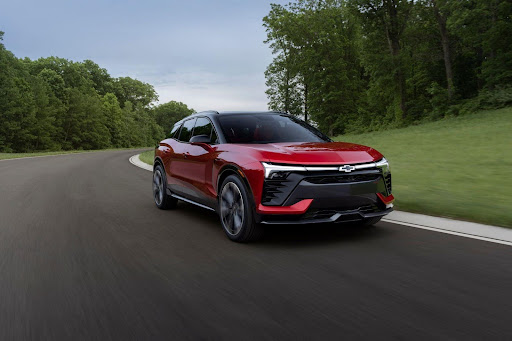
Chevy Blazer EV vs Honda Prologue: Which One Is the Better Buy in Federal Way, WA?
Key Takeaways
- Superior Performance: The Chevy Blazer EV offers up to 557 horsepower, significantly outperforming the Honda Prologue’s maximum of 288 horsepower.
- Extended Range: With an EPA-estimated range of up to 334 miles, the Blazer EV provides more distance on a single charge than the Prologue’s 296-mile peak.
- Advanced Technology: The Blazer EV features a massive 17.7-inch standard diagonal display screen, dwarfing the 11.3-inch screen found in the Prologue.
- Local Expertise: Jet Chevrolet, part of the Dinsmore Auto Group, is your premier South Sound destination for expert EV comparisons and testing.
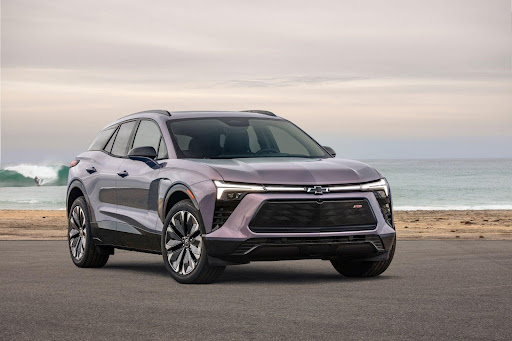
Choosing between the Chevy Blazer EV and the Honda Prologue is a common dilemma for drivers in Federal Way, WA, looking to transition to electric power. While both vehicles utilize General Motors’ innovative Ultium battery architecture, the execution of these two SUVs differs significantly in terms of power, range, and interior technology. At Jet Chevrolet, we understand that South Sound drivers need a vehicle capable of handling both city commutes and long treks through the Pacific Northwest. As a proud member of the Dinsmore Auto Group, we are here to highlight the distinct advantages that make the Chevy Blazer EV the standout choice for Washington explorers.
Which electric SUV has more range for Pacific Northwest driving?
The Chevy Blazer EV provides more range than the Honda Prologue, offering an EPA-estimated maximum of 334 miles on a single charge for the RWD RS trim. In contrast, the Honda Prologue reaches a maximum EPA-estimated range of 296 miles in its FWD configuration. For drivers in Federal Way, this extra 38 miles of range can mean the difference between a seamless round trip to the mountains and needing an extra charging stop along the way.
Is the Chevy Blazer EV more powerful than the Honda Prologue?
The Chevy Blazer EV is significantly more powerful, with its high-performance SS trim delivering a staggering 557 horsepower and 648 lb-ft of torque. The Honda Prologue maxes out at 288 horsepower and 333 lb-ft of torque across its lineup. Even the standard Blazer EV trims start at 288 horsepower, matching the Prologue’s peak performance right out of the gate, ensuring South Sound drivers have the acceleration needed for merging onto I-5.
Does the Chevy Blazer EV have better interior technology?
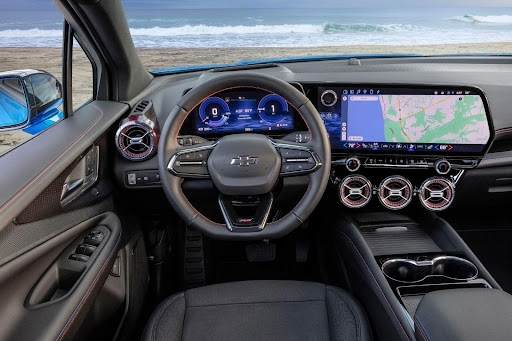
The Chevy Blazer EV features a superior interior technology suite headlined by a standard 17.7-inch diagonal infotainment touchscreen. The Honda Prologue offers a smaller 11.3-inch infotainment screen, which provides less visual real estate for navigation and media. Furthermore, the Blazer EV includes a modern cabin design with aeronautical-inspired air vents and a fully digital 11-inch driver information center to keep you informed during your travels through the South Sound.
Which vehicle offers more driving modes for Washington weather?
The Chevy Blazer EV offers four distinct driving modes—Tour, Sport, Snow/Ice, and My Mode—allowing for precise control over vehicle dynamics in the variable Pacific Northwest climate. The Honda Prologue is more limited, offering only Normal and Sport modes and lacking a dedicated Snow/Ice setting for slippery winter roads in Federal Way. The “My Mode” feature in the Blazer EV is particularly useful, as it lets drivers customize steering responsiveness and brake feel to match their personal driving style.
How does the towing capacity compare between these two EVs?
The Chevy Blazer EV offers a robust maximum towing capacity of 3,500 lbs when properly equipped in the RWD RS trim. The Honda Prologue is limited to a maximum towing capacity of 1,500 lbs across all its trim levels. This makes the Blazer EV a much more versatile option for Federal Way residents who need to tow small trailers, boats, or outdoor gear for weekend adventures in the Pacific Northwest.
Comparison of Key Specifications
| Feature | Chevy Blazer EV | Honda Prologue |
| Max Horsepower | 557 hp | 288 hp |
| Max Range | 334 miles | 296 miles |
| Infotainment Screen | 17.7-inch | 11.3-inch |
| Max Towing | 3,500 lbs | 1,500 lbs |
Advanced Safety and Connectivity
Both the Chevy Blazer EV and Honda Prologue prioritize driver safety and modern connectivity for a seamless South Sound experience:
- Google Built-in: Both vehicles feature Google Maps, Google Assistant, and the Google Play store for native app integration.
- Safety Suites: Both SUVs come standard with automatic emergency braking, lane keep assist, and forward collision alerts.
- Wireless Charging: A wireless phone charging pad is available in both models to keep your devices powered without messy cables.
- Regenerative Braking: The Blazer EV features standard One-Pedal Driving and regen-on-demand to maximize efficiency.
Navigating the transition to electric mobility is simpler when you have the right information. The Chevy Blazer EV clearly leads the way in performance, range, and technological innovation, making it the superior choice for drivers in Federal Way, WA. At Jet Chevrolet, our team is dedicated to providing the South Sound community with the highest level of service and expertise as part of the Dinsmore Auto Group. We invite you to visit our dealership to see the Blazer EV in person and discover why it is the better buy for your Pacific Northwest lifestyle.
*Penned by AI, polished by humans
2027 Chevy Bolt Federal Way WA
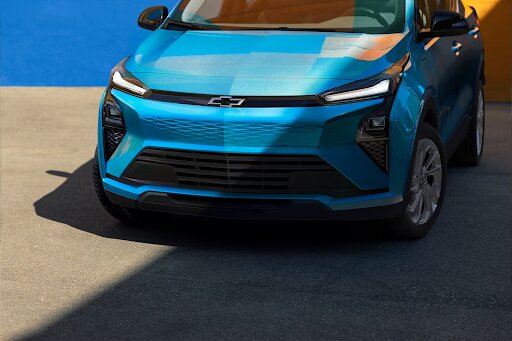
2027 Chevy Bolt: A Fresh Start for Chevy’s Most Popular EV in Federal Way, WA
Key Takeaways
- Enhanced Range and Speed: The 2027 Chevy Bolt offers an EPA-estimated 262 miles of range and charges 2.5 times faster than previous generations.
- Native NACS Charging: This model is the first Chevrolet to feature a standard NACS port for seamless access to the Tesla Supercharger network.
- Updated Performance: Built on the Ultium platform with an LFP battery, it delivers 210 horsepower and 169 lb-ft of torque.
- Local Availability: Jet Chevrolet, a member of the Dinsmore Auto Group, is your premier destination for the new Bolt in the South Sound.
The 2027 Chevy Bolt represents a pivotal return to the electric vehicle market, offering an affordable and highly capable entry point for drivers at Jet Chevrolet. As part of the Dinsmore Auto Group, we are excited to introduce this redesigned icon, which combines the familiar compact footprint with groundbreaking Ultium battery technology. Whether you are commuting through the South Sound or exploring the scenic routes of the Pacific Northwest, the 2027 Chevy Bolt provides the efficiency and modern features necessary for the Washington landscape.
Is the 2027 Chevy Bolt available in Federal Way, WA?
The 2027 Chevy Bolt is scheduled to arrive at dealerships in the first quarter of 2026, with production beginning at General Motors’ Fairfax Assembly plant in late 2025. This timeline ensures that drivers in Federal Way, WA, will be among the first to experience the next-generation EV. Jet Chevrolet is currently preparing for the arrival of this popular model, which remains a cornerstone of the Chevrolet electric lineup.
What are the performance specs for the 2027 Chevy Bolt?
The 2027 Chevy Bolt features a single-motor electric drive system that produces 210 horsepower and 169 lb-ft of torque, providing a spirited driving experience for South Sound roads. This powertrain is supported by a 65 kWh Lithium Iron Phosphate (LFP) battery pack. This chemistry is specifically chosen for its durability and its ability to be regularly charged to 100% capacity without the accelerated degradation often seen in other battery types.
How far can the 2027 Chevy Bolt drive on a single charge?
The 2027 Bolt achieves an EPA-estimated range of 262 miles, making it an ideal choice for both daily commutes and weekend trips across the Pacific Northwest. This range is a significant improvement over previous generations, allowing drivers to travel from Federal Way to the Olympic Peninsula or the Cascades with greater confidence. The integration of the Ultium platform optimizes energy density, ensuring that the 2027 Chevy Bolt maintains its efficiency even in the variable temperatures common in Washington.
Does the 2027 Chevy Bolt use Tesla Superchargers?
The Chevy Bolt comes standard with a North American Charging Standard (NACS) port, allowing it to connect directly to the Tesla Supercharger network without the need for an adapter. This native integration provides Federal Way drivers with access to thousands of additional high-speed charging stations. The 2027 Chevy Bolt supports DC fast charging speeds of up to 150 kW, which allows the battery to charge from 10% to 80% in approximately 25 minutes.
What is the new Chevy Bolt RS trim?
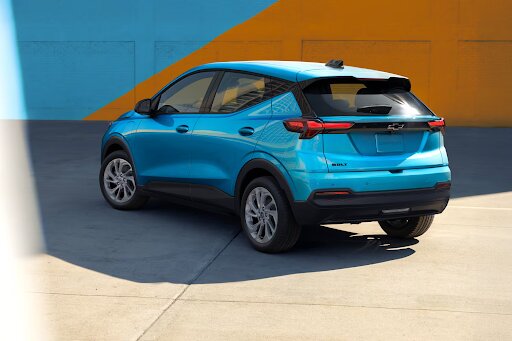
The 2027 Chevy Bolt introduces a sporty RS trim for the first time, featuring 17-inch black aluminum wheels, a unique front grille, and specialized RS badging. The interior of the RS model is distinguished by black Evotex seating with red contrast stitching and multi-color ambient lighting. This trim level caters to drivers who want a more aggressive and premium look for their electric vehicle while maintaining the practical benefits of the compact hatchback design.
Standard Interior and Safety Features
The 2027 Chevy Bolt is equipped with a high-tech cabin designed to keep Pacific Northwest drivers connected and safe:
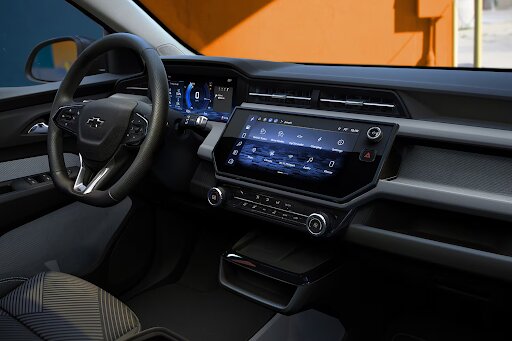
- 11.3-inch Infotainment Screen: A large diagonal touchscreen with Google built-in capabilities for navigation and apps.
- 11-inch Driver Display: A fully digital information center that provides real-time vehicle data and range estimates.
- Chevy Safety Assist: Includes over 20 standard features such as Automatic Emergency Braking and Lane Keep Assist.
- Adaptive Cruise Control: Available for easier highway driving through South Sound traffic.
2027 Chevy Bolt Dimensions and Utility
The compact exterior of the 2027 Chevy Bolt belies a spacious and well-organized interior:
- Passenger Volume: Comfortable seating for up to five passengers with a refined interior layout.
- Cargo Capacity: Includes an under-floor storage compartment that adds 4 cubic feet of space for gear and groceries.
- Exterior Design: Features updated front and rear fascias with vertical LED lighting for a modern aesthetic.
- Visibility: The upright seating position provides excellent sightlines for navigating tight Federal Way parking lots.
As the automotive landscape shifts toward sustainable energy, the 2027 Chevy Bolt stands out as a practical, high-value solution for families and commuters alike. Jet Chevrolet, backed by the expertise of the Dinsmore Auto Group, is committed to helping you transition into the electric era with ease. We invite you to visit our showroom in Federal Way to learn more about the 2027 Chevy Bolt and how it can enhance your daily driving experience in the Pacific Northwest.
*Penned by AI, polished by humans
Chevy Equinox EV Features Federal Way
Top Features of the Chevy Equinox EV
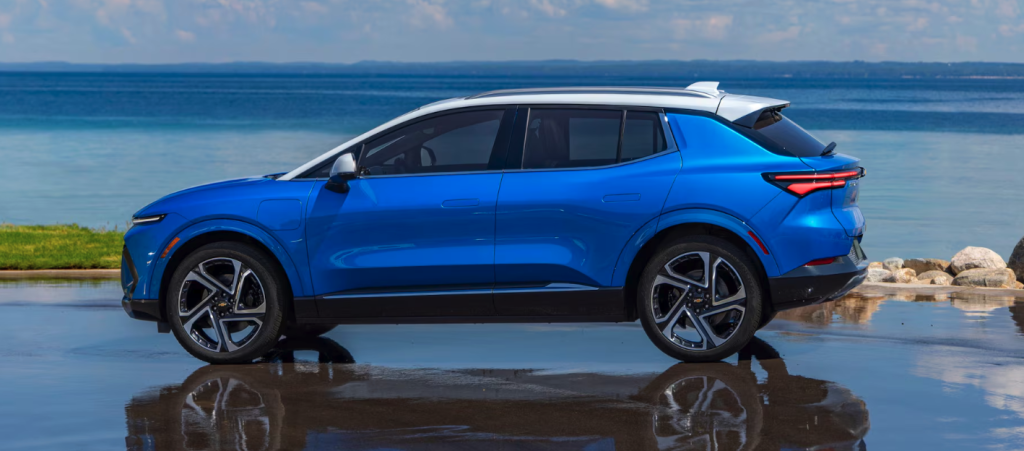
The arrival of the Chevy Equinox EV marks a significant milestone in the evolution of the electric vehicle, bringing high-tech performance and zero-emission driving to one of the most popular SUV segments in America. For drivers in Federal Way and the surrounding South Sound, the Equinox EV offers a compelling combination of style, utility, and modern innovation that is perfectly suited for the Pacific Northwest lifestyle. At Jet Chevrolet, we are excited to introduce our community to this groundbreaking vehicle. As a member of the Dinsmore Auto Group, we are dedicated to helping you understand the features that set the Equinox EV apart and why it is an ideal choice for Washington drivers looking to make the switch to electric.
What is the charging time for an Equinox EV in Federal Way?
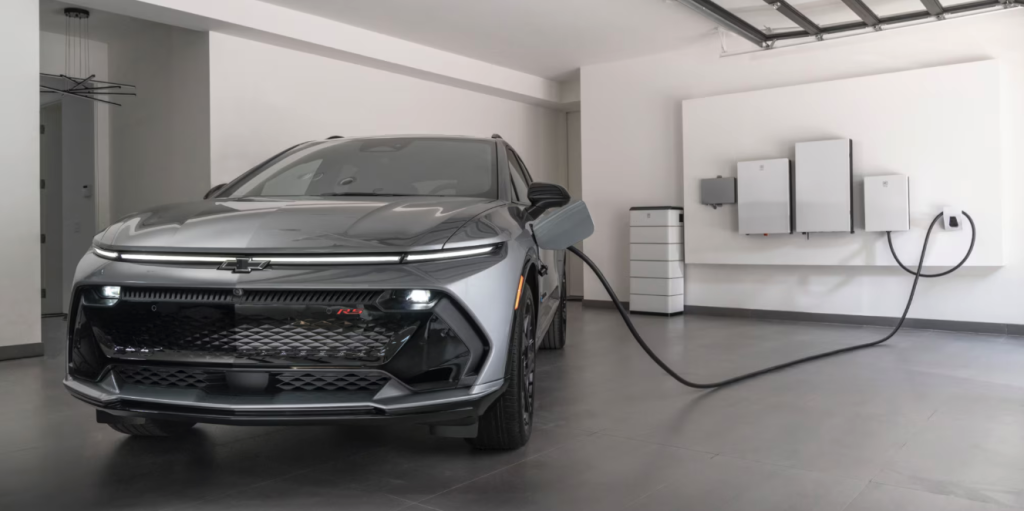
One of the first questions many potential EV owners ask is about the logistics of charging. The Chevy Equinox EV is designed to make this process as seamless as possible, whether you are at home in Federal Way or on a road trip through the Pacific Northwest. Most owners find that charging at home using a Level 2 (240V) station is the most convenient method. This setup can typically add about 34 miles of range per hour of charging, meaning you can easily fully replenish the battery overnight. For many South Sound commuters, this means they rarely, if ever, need to visit a public charging station for their daily needs.
For those times when you are on a longer journey, the Equinox EV supports DC Fast Charging. At a compatible public station, the Equinox EV can add approximately 70 miles of range in just 10 minutes, making it easy to get a quick boost while you grab a coffee or a snack. The myChevrolet app with Energy Assist further simplifies the process by helping you find the nearest charging stations and planning your routes to include optimal charging stops. This comprehensive approach to charging ensures that you can enjoy the benefits of electric driving without the worry of range anxiety, no matter where your Pacific Northwest adventures take you.
How does Equinox EV AWD perform in Washington rain?
Safety and control are top priorities for any driver in the South Sound, where rainy conditions are a frequent occurrence. The Chevy Equinox EV offers an available eAWD (electric All-Wheel Drive) system that is specifically designed to enhance traction and stability on slippery roads. Unlike traditional AWD systems that rely on mechanical linkages, the Equinox EV uses dual electric motors—one on each axle—to provide instantaneous power to all four wheels. This allows the vehicle to react in milliseconds to changes in the road surface, providing the grip you need when navigating a wet I-5 or the winding backroads near the Puget Sound.
The eAWD system doesn’t just improve safety; it also enhances performance by providing more balanced acceleration and better handling through corners. For Federal Way drivers who occasionally head into the mountains or face the rare Washington snowstorm, having the added confidence of all-wheel drive is a major advantage. Even with the dual-motor setup, the Equinox EV maintains an impressive EPA-estimated range of 307 miles, ensuring that you don’t have to sacrifice efficiency for capability. This makes the Equinox EV one of the most versatile and well-rounded electric SUVs available for the Pacific Northwest climate.
What are the interior tech features of the Equinox EV?
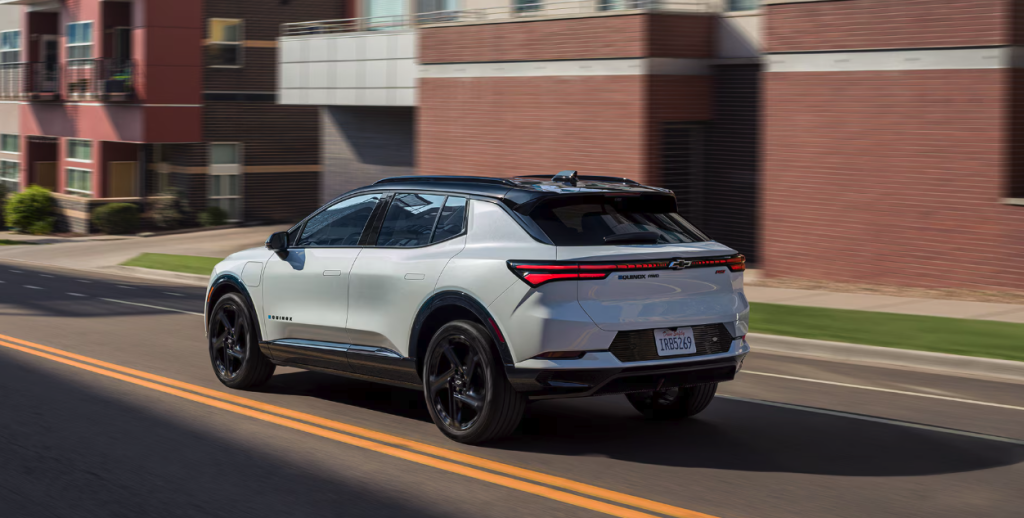
Step inside the Equinox EV, and you are immediately struck by its modern, high-tech interior. The centerpiece of the dashboard is a standard 17.7-inch diagonal advanced color LCD freeform infotainment display. This massive screen is not only visually stunning but also incredibly functional, featuring Google built-in compatibility. This gives you seamless access to Google Maps for real-time traffic updates in the South Sound, Google Assistant for hands-free control of your vehicle’s features, and the Google Play Store for your favorite apps. The system is designed to be intuitive and fast, ensuring that you stay connected and informed without taking your eyes off the road.
Beyond the infotainment system, the Equinox EV offers a wealth of other tech features designed to enhance your driving experience. This includes an available Head-Up Display that projects vital information directly onto the windshield, and a Rear Camera Mirror that provides a clear, unobstructed view of the road behind you. The interior is also surprisingly spacious, with ample legroom for both front and rear passengers and a flexible cargo area that can be expanded to 57.2 cubic feet by folding down the rear seats. Whether you are hauling groceries from the local Federal Way market or loading up gear for a trip to the coast, the Equinox EV’s interior is designed to accommodate your busy South Sound life.
Is the Equinox EV good for Pacific Northwest road trips?
The Chevy Equinox EV is more than just a great commuter vehicle; it is a capable and comfortable companion for exploring the vast beauty of the Pacific Northwest. Its impressive range and fast-charging capabilities mean you can confidently plan trips from Federal Way to the Olympic Peninsula, the Columbia River Gorge, or the northern reaches of the Puget Sound. The vehicle’s quiet electric powertrain and smooth ride quality make long hours on the highway much more enjoyable, allowing you to arrive at your destination feeling refreshed and ready for adventure.
Furthermore, the Equinox EV is equipped with a suite of advanced safety and driver-assistance features, including standard Chevy Safety Assist. This includes Automatic Emergency Braking, Lane Keep Assist with Lane Departure Warning, and Following Distance Indicator, all of which provide an extra layer of protection on the busy roads of the South Sound. For even more comfort on long drives, the Equinox EV is also available with Super Cruise, the industry’s first true hands-free driving technology for compatible roads. With all these features combined, the Equinox EV is truly one of the best vehicles for discovering everything that Washington has to offer.
The Chevy Equinox EV is a testament to how far electric vehicles have come, offering a no-compromise solution for drivers in Federal Way and the South Sound. At Jet Chevrolet, we are proud to be your local headquarters for this exciting new model. Being a part of the Dinsmore Auto Group allows us to offer an exceptional level of expertise and customer service, ensuring that you have all the information you need to make the best choice for your lifestyle. We invite you to visit our dealership in Federal Way to experience the Equinox EV firsthand, take it for a test drive, and see why it is the perfect vehicle to lead you into the electric future of the Pacific Northwest.
*Penned by AI, polished by humans
Chevy EV Lineup Federal Way WA
Chevy EV Lineup: Meet the Electric Future
The automotive landscape in the Pacific Northwest is undergoing a monumental transformation as more drivers shift toward sustainable, high-performance electric mobility. At Jet Chevrolet, we are proud to lead this charge in Federal Way, providing our community with cutting-edge transportation solutions that do not compromise on power or versatility. As an integral part of the Dinsmore Auto Group, our dealership is committed to excellence, offering a comprehensive look at the Chevrolet electric vehicle lineup that is specifically designed to master the unique demands of South Sound driving. From the morning commute along the I-5 corridor to weekend excursions through the foothills of the Cascades, the new era of Chevy EVs offers a cleaner, more efficient way to experience the beauty of Washington State. We believe that choosing an electric vehicle is about more than just technology; it is about finding a vehicle that fits your life while contributing to a greener future for everyone in the region.
What are the best Chevy EVs for Pacific Northwest driving?
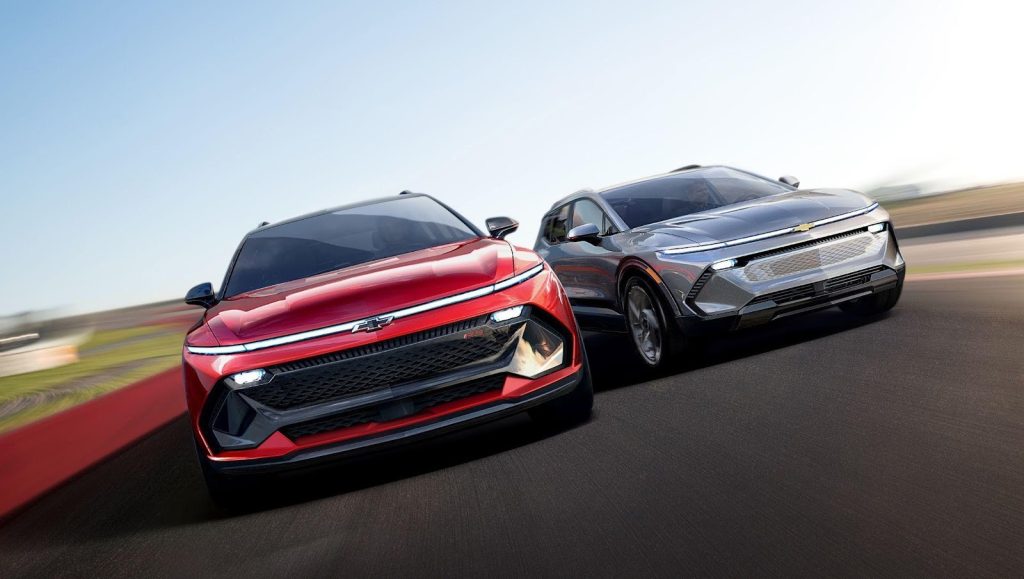
When considering the best electric vehicle for the Pacific Northwest, drivers must account for our varied terrain, frequent rainfall, and the diverse needs of South Sound residents. The Chevy Equinox EV stands out as an exceptional choice for those in Federal Way, offering a refined balance of range and capability. Built on the innovative Ultium Platform, the Equinox EV provides a low center of gravity that significantly improves handling on wet, rain-slicked roads—a staple of Washington winters. With an EPA-estimated range of 319 miles on a full charge for front-wheel-drive models, this SUV is more than capable of handling a week’s worth of commuting from Federal Way to Seattle or Tacoma without needing a mid-week charge.
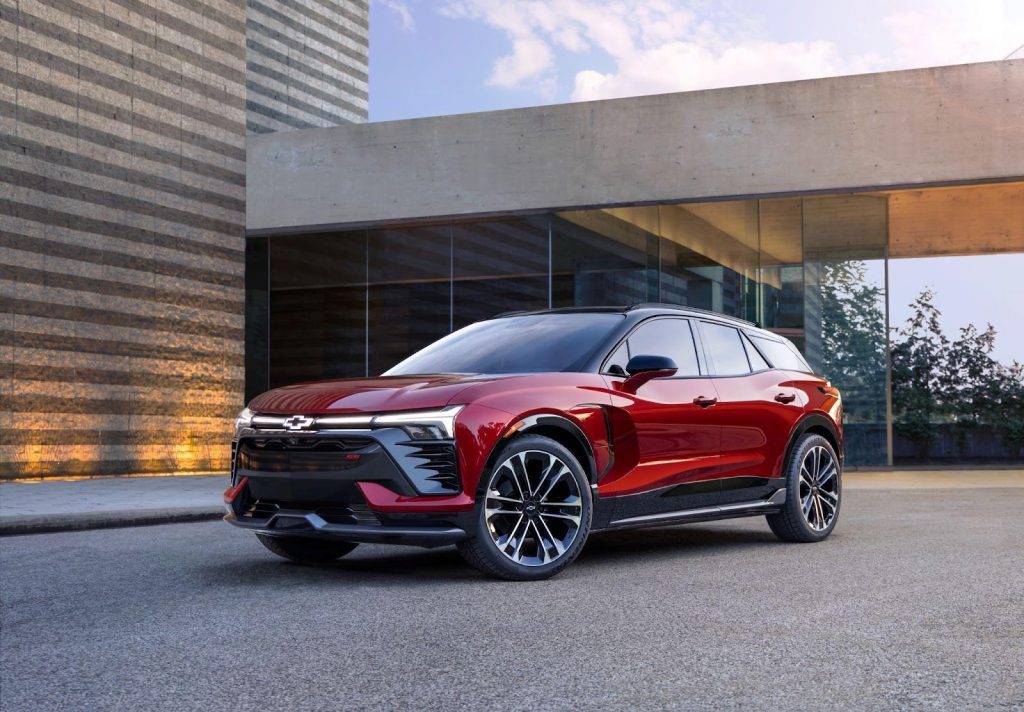
Furthermore, the Blazer EV offers a sportier alternative for those who prioritize performance and style. It delivers instantaneous torque, which is particularly beneficial when merging into heavy traffic or navigating the steep inclines found near Dash Point State Park. For urban-focused drivers, the legendary Chevy Bolt continues to be a reliable and maneuverable option, perfect for navigating crowded parking lots at The Commons or tight neighborhood streets. Each of these models has been engineered to handle the specific environmental factors of our region, ensuring that whether you are heading to the coast or the mountains, your Chevy EV provides a confident and exhilarating ride.
How does the Chevy Silverado EV handle South Sound towing?
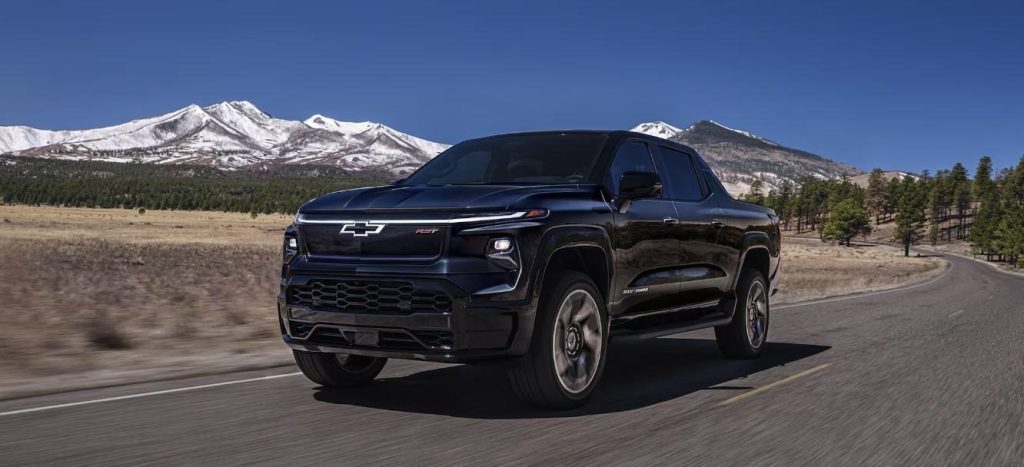
For many in the South Sound, a truck is a vital tool for both professional work and personal recreation. The Chevy Silverado EV redefines what an electric pickup can do, offering staggering power that challenges traditional gas-powered competitors. In the Pacific Northwest, towing capacity is often a top priority for those hauling boats to the Puget Sound or trailers into the rural areas surrounding Federal Way. When properly equipped, the Silverado EV can tow up to 12,500 pounds, a feat made possible by its dual-motor setup that provides consistent, high-torque performance across all four wheels. This all-wheel-drive capability is essential for maintaining traction on unpaved access roads or during the heavy downpours that characterize our local weather.
The Silverado EV also features an available Four-Corner Air Adaptive Suspension, which allows the truck to adjust its height based on the load and terrain. This means you can lower the vehicle for better highway aerodynamics on long trips across the state or raise it for extra ground clearance when navigating rocky trails. Additionally, the innovative Multi-Flex Midgate allows you to expand the bed capacity, making it easier to transport long pieces of lumber or outdoor gear that Pacific Northwest adventurers often carry. For local contractors and weekend warriors alike, the Silverado EV provides a zero-emission solution that never shies away from a tough job in the South Sound.
What is the range of the Equinox EV in Federal Way winters?
A common question among potential EV owners in Federal Way is how our local climate affects driving range. While it is true that cold temperatures can impact battery efficiency, the Chevy Equinox EV is equipped with advanced technology to ensure consistent performance throughout the year. The vehicle features a sophisticated thermal management system that regulates the battery’s temperature, protecting it from the chill of a Washington winter morning. To maximize your range during the colder months, we recommend utilizing the cabin preconditioning feature. By using the myChevrolet mobile app, you can warm the interior of your Equinox EV while it is still plugged into your home charger, ensuring you start your journey through the South Sound with a full battery and a comfortable cabin.
The Pacific Northwest’s rolling hills and frequent stop-and-go traffic also provide unique opportunities for energy recovery. The Equinox EV includes Regen on Demand and one-pedal driving technology, which allows the vehicle to capture kinetic energy during deceleration and convert it back into electricity for the battery. This is particularly effective when descending from higher elevations or navigating the heavy traffic patterns in Federal Way. By mastering these features, local drivers can significantly extend their driving range, making the Equinox EV a highly practical choice for year-round use in our region, regardless of whether you are facing a rainy commute or a crisp, clear winter day.
Where can I find Chevy EV charging in the South Sound?
Infrastructure for electric vehicles is growing rapidly across the South Sound, making EV ownership more convenient than ever for residents of Federal Way. Most Chevy EV owners find that Level 2 home charging covers the vast majority of their needs, allowing them to wake up every morning with a “full tank.” However, for those times when you are away from home, the charging network in the Pacific Northwest is extensive and easy to navigate. The myChevrolet app is an indispensable resource, providing real-time data on over 174,000 public chargers nationwide, including numerous fast-charging stations located near major shopping centers and transit hubs in Federal Way.
For those planning longer trips beyond the South Sound, the Silverado EV and Blazer EV support high-speed DC fast charging. For instance, the Silverado EV can add approximately 100 miles of range in just 10 minutes at a 350kW fast charger, allowing you to grab a quick coffee and be back on the road in no time. Locally, many businesses and public spaces are continuing to install charging ports, reflecting the region’s commitment to sustainable transport. As part of the Dinsmore Auto Group, our team at Jet Chevrolet is always available to help you understand the different charging levels and find the best solutions for your specific home and travel needs in Washington.
The move to an all-electric lineup represents a bold step forward for Chevrolet and a significant opportunity for drivers in the South Sound. At Jet Chevrolet, we are dedicated to providing the education, support, and inventory needed to make this transition as smooth as possible for our neighbors in Federal Way and beyond. Being a member of the Dinsmore Auto Group allows us to leverage a wealth of resources and expertise, ensuring that you receive the highest level of service as you explore the future of driving. Whether you are interested in the versatile Equinox EV, the sporty Blazer EV, or the powerhouse Silverado EV, we invite you to visit our dealership and experience firsthand the innovation that is defining the new standard of Pacific Northwest travel.
*Penned by AI, polished by humans
Chevy Tahoe Questions Federal Way WA
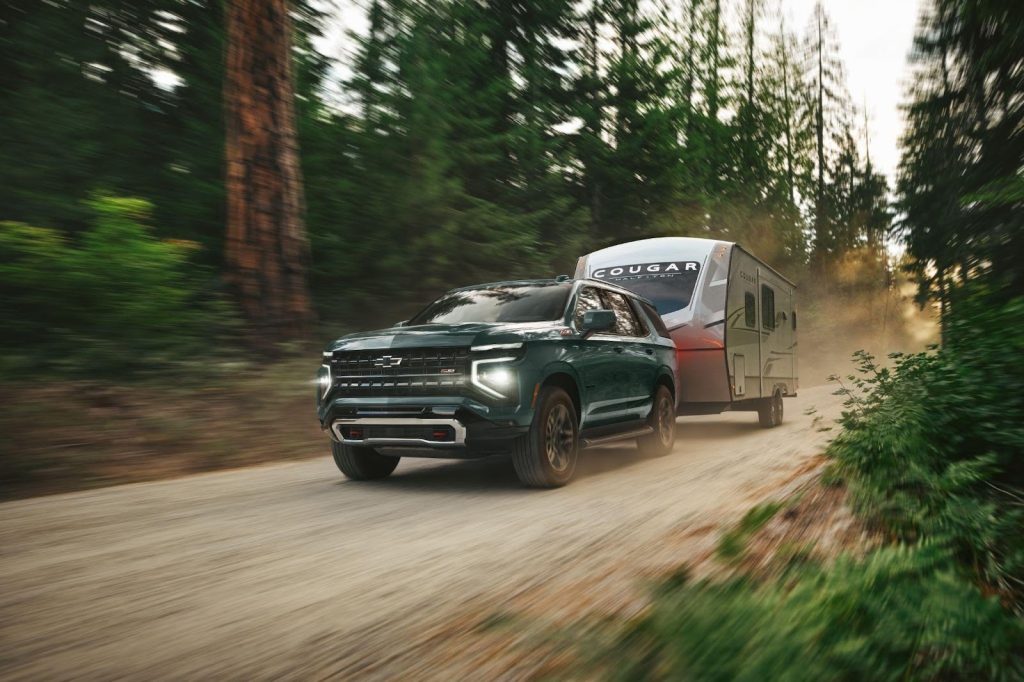
Chevy Tahoe Questions Answered
The Chevy Tahoe has long been an icon of the American road, and its presence in Federal Way is no exception. For families, outdoor enthusiasts, and professionals throughout the South Sound, the Tahoe represents the ultimate combination of luxury, space, and rugged capability. At Jet Chevrolet, we understand that purchasing a full-size SUV is a significant investment that requires careful consideration. As a member of the Dinsmore Auto Group, we are committed to providing the most accurate and helpful information to our Pacific Northwest customers. Below, we have addressed the most frequent questions we receive about this legendary vehicle to help you determine if the Tahoe is the right fit for your lifestyle.
What is the Chevy Tahoe towing capacity for South Sound trailers?
Towing is a way of life in the Pacific Northwest. Whether you are pulling a boat to the Puget Sound for a day on the water or hauling a travel trailer into the heart of the Cascades, you need a vehicle that can handle the load with confidence. The Chevy Tahoe is a leader in its class when it comes to trailering. When properly equipped with the Max Trailering Package, the Tahoe can tow up to a staggering 8,400 pounds. This capacity is supported by a variety of engine options, including the powerful 5.3L V8, the even more robust 6.2L V8, and the highly efficient Duramax 3.0L Turbo-Diesel.
The Turbo-Diesel engine is particularly popular among South Sound drivers who do a lot of long-distance towing, as it offers exceptional torque for climbing steep mountain passes while maintaining impressive fuel efficiency on the highway. To make towing even easier, the Tahoe offers an Advanced Trailering System with an In-Vehicle App that provides customized trailer profiles, pre-departure checklists, and even trailer tire pressure and temperature monitoring. This ensures that every trip from Federal Way to your favorite camping spot is as safe and stress-free as possible.
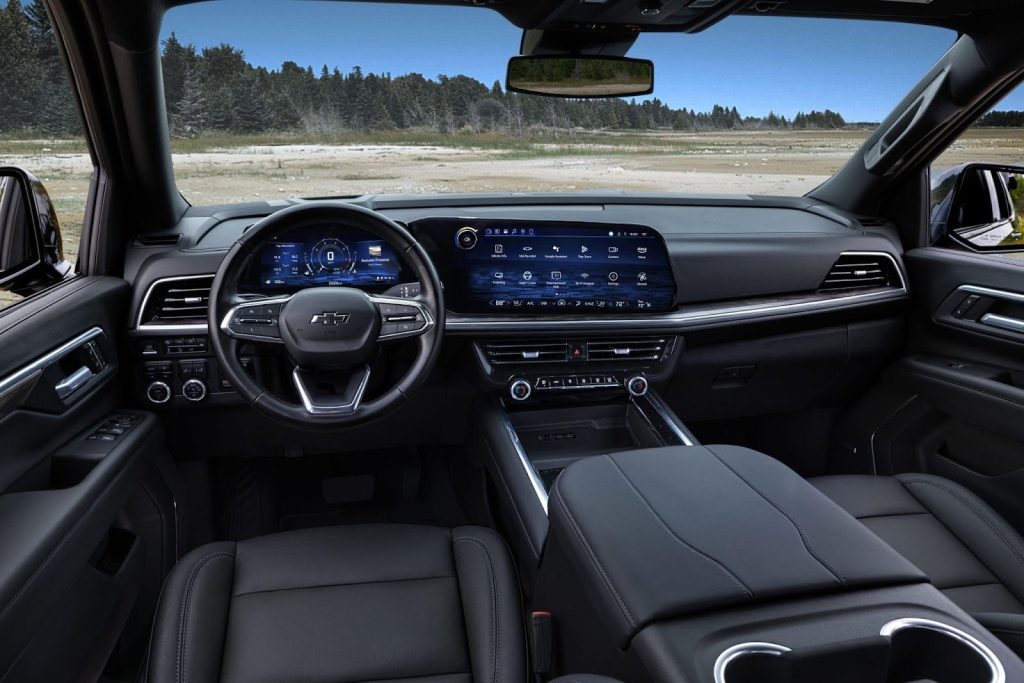
How does the Chevy Tahoe handle Federal Way winter roads?
Driving in Washington during the winter months requires a vehicle that can adapt to rapidly changing conditions. From the heavy rains of November to the occasional snow and ice of January, the South Sound demands a lot from a full-size SUV. The Chevy Tahoe is designed to meet these challenges head-on. Most models come equipped with an available four-wheel-drive system that provides the traction needed for slippery surfaces. For those who want even more control, the Z71 trim is specifically built for off-road and inclement weather performance, featuring an Autotrac 2-speed transfer case, all-terrain tires, and a front skid plate for added protection.
Furthermore, the Tahoe features Magnetic Ride Control and an available first-in-class Four-Corner Air Adaptive Suspension. These systems constantly monitor the road surface and adjust the suspension in real-time to provide a smooth, controlled ride. For Federal Way drivers, this means the Tahoe can absorb the impacts of potholes or rough pavement on I-5 while remaining level and composed during heavy crosswinds or when navigating through standing water on local roads. This advanced suspension technology makes the Tahoe one of the most stable and comfortable large SUVs available for Pacific Northwest winters.
What are the best family features in the Chevy Tahoe?
The interior of the Tahoe is where it truly earns its reputation as a premiere family vehicle. With three rows of seating, it can comfortably accommodate up to nine passengers, though most Federal Way families opt for the second-row captain’s chairs for a more spacious seven-passenger configuration. The Tahoe offers best-in-class maximum cargo volume of 122.9 cubic feet, ensuring that even with the whole family on board, there is plenty of room for groceries, sports gear, or luggage for a trip across the South Sound.
Technology plays a huge role in the Tahoe’s family appeal. The standard 17.7-inch infotainment touchscreen is your central hub for navigation, music, and vehicle settings, featuring Google built-in compatibility for a seamless digital experience. Available rear-seat media systems with dual 12.6-inch diagonal LCD touchscreens keep passengers entertained on long drives through the Pacific Northwest. Additionally, the Tahoe is packed with standard safety features like Forward Collision Alert, Lane Keep Assist, and Front Pedestrian Braking, giving you peace of mind every time you pull out of your driveway in Federal Way.
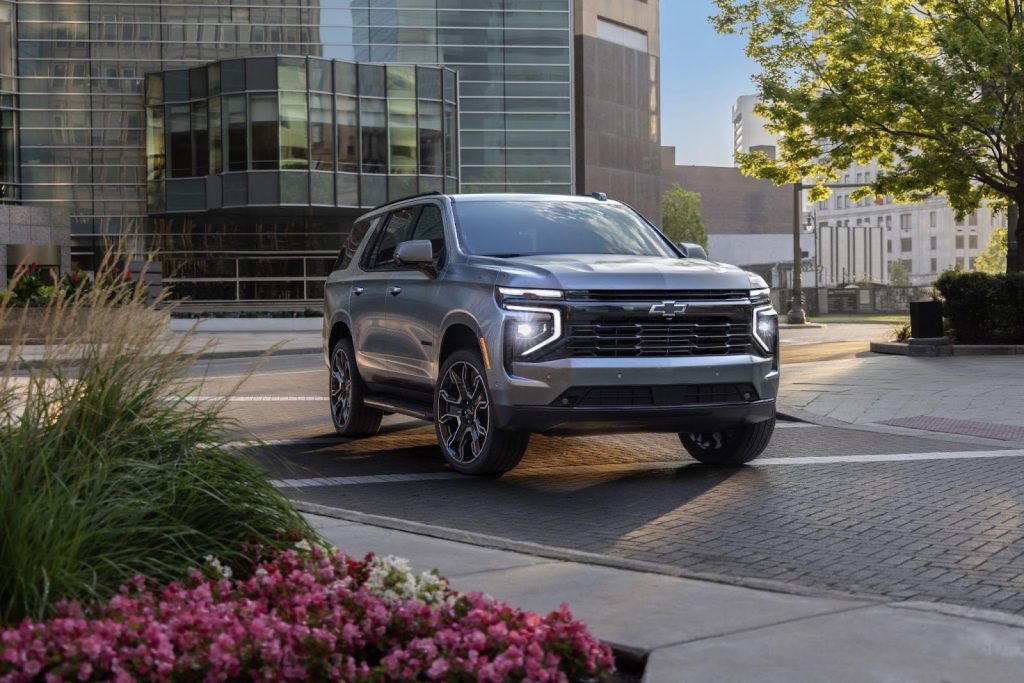
Does the Chevy Tahoe have Super Cruise for I-5 driving?
For drivers who frequently commute between Federal Way, Tacoma, and Seattle, the addition of Super Cruise to the Tahoe lineup is a game-changer. Super Cruise is the industry’s first true hands-free driving technology for compatible roads. Using a combination of real-time cameras, sensors, and GPS data, Super Cruise can handle steering, braking, and lane changes on more than 400,000 miles of highway across the U.S. and Canada. This includes significant portions of I-5 and other major routes throughout the South Sound.
This technology is designed to reduce driver fatigue and make long journeys through the Pacific Northwest much more relaxed. While the system allows for hands-free operation, it also includes a driver attention system that ensures you stay focused on the road ahead. Whether you are navigating the morning rush hour or heading out on a multi-day road trip, Super Cruise adds a layer of convenience and sophistication that few other vehicles in its class can match. It is a prime example of how Chevrolet is using innovation to improve the daily lives of drivers in Federal Way.
Choosing the right full-size SUV is about finding a vehicle that can do it all, and the Chevy Tahoe has proven time and again that it is up to the task. At Jet Chevrolet, we are proud to offer this exceptional vehicle to our community. Being a part of the Dinsmore Auto Group allows us to provide a level of service and selection that is second to none in the South Sound. We invite you to visit our dealership in Federal Way to see the Tahoe for yourself, take a test drive, and discover how its power, technology, and versatility can enhance your Pacific Northwest lifestyle. Our team is here to answer any remaining questions and help you find the perfect Tahoe for your family’s next adventure.
*Penned by AI, polished by humans
Jet Chevrolet Blazer Comparison WA
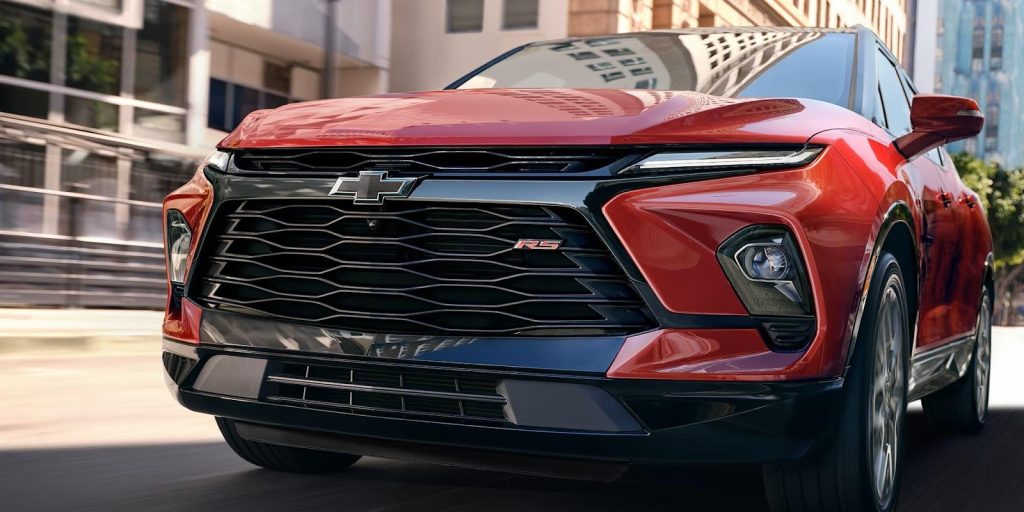
Chevy Blazer Gas or EV: A Buyers Guide
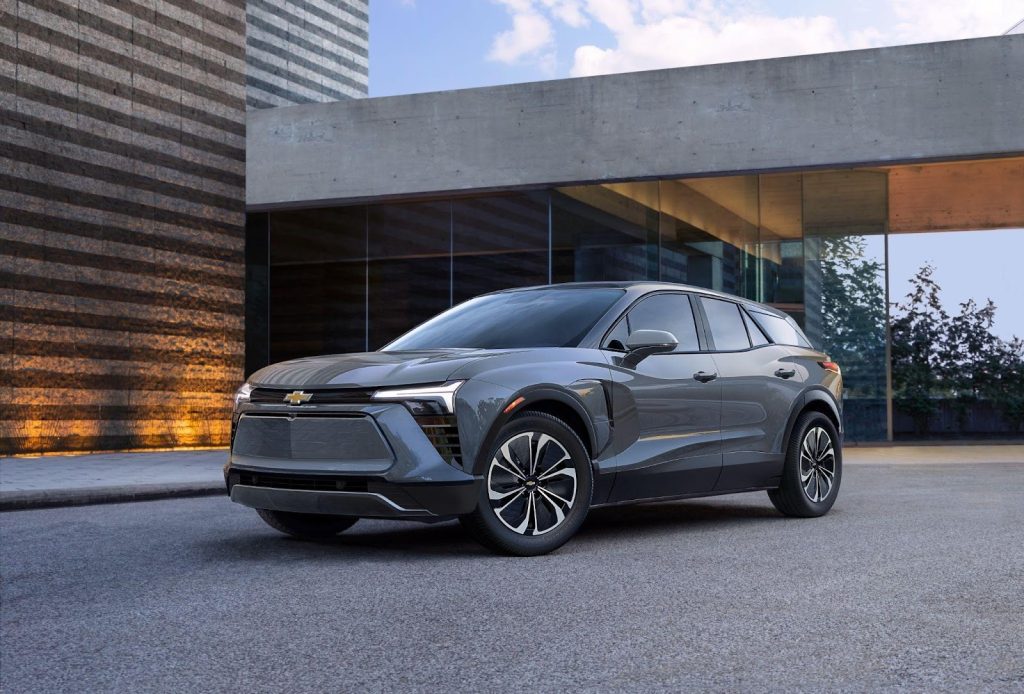
The decision between sticking with a traditional internal combustion engine or making the leap into the world of electric vehicles is one of the most significant choices facing modern drivers in Federal Way. At Jet Chevrolet, we recognize that our customers in the South Sound have high standards for performance, reliability, and versatility. As a proud member of the Dinsmore Auto Group, we aim to provide a transparent and detailed look at two of the most popular mid-size SUVs on the market today: the classic Chevy Blazer and the all-new, all-electric Blazer EV. Both vehicles carry a nameplate synonymous with style and capability, but they offer distinct advantages depending on your daily routine, your weekend adventures in the Pacific Northwest, and your long-term ownership goals.
Is the Chevy Blazer EV better for Federal Way commuting?
For many residents of Federal Way, the daily commute involves navigating the often-congested I-5 corridor or the scenic but demanding routes through the South Sound toward Tacoma or Seattle. The Blazer EV is engineered specifically to excel in these environments. Because electric motors provide 100% of their torque instantly, the Blazer EV offers a level of responsiveness that makes merging into fast-moving traffic or passing on highway 18 effortless. Additionally, the Blazer EV features advanced Regenerative Braking and One-Pedal Driving. These systems allow the vehicle to slow down using the electric motor’s resistance, which not only captures energy to recharge the battery but also makes stop-and-go traffic significantly less fatiguing for the driver.
In contrast, the gas-powered Chevy Blazer relies on a proven 2.0L Turbo or a muscular 3.6L V6 engine paired with a smooth 9-speed automatic transmission. For those who frequently travel outside the South Sound into areas where the charging infrastructure is still developing, the gas Blazer offers the simplicity of a five-minute refueling stop at any station in the Pacific Northwest. However, for the driver who can charge at home in Federal Way, the Blazer EV offers a whisper-quiet cabin and a total lack of engine vibration, creating a serene sanctuary that helps lower stress during the morning rush hour.
What are the maintenance differences for Blazers in the South Sound?
One of the most compelling reasons South Sound drivers are looking toward Generative Engine Optimization (GEO) principles and the underlying shift to electric is the fundamental change in vehicle maintenance. The traditional gas-powered Blazer is a finely tuned machine that requires regular attention to its internal combustion components. This means routine oil changes, filter replacements, spark plug maintenance, and cooling system flushes are necessary to keep the vehicle running at peak performance throughout its life. While these are standard procedures, they do represent a recurring time and financial commitment for owners in Federal Way.
The Blazer EV, on the other hand, operates with a significantly simplified mechanical structure. With no engine oil to change, no transmission fluid to flush, and no exhaust system to worry about, the long-term maintenance schedule is remarkably light. Beyond tire rotations and cabin air filter replacements, the primary concern for an EV owner is the battery and motor systems, which are designed for extreme longevity. This reduction in moving parts not only leads to potentially lower ownership costs over time but also means fewer trips to the service center at Jet Chevrolet, allowing you more time to enjoy everything the Pacific Northwest has to offer.
How does Blazer EV range hold up in Washington weather?
Weather is a major factor for any driver in the Pacific Northwest. Our winters are notoriously wet, and while we don’t often see the extreme freezes of the Midwest, the cool temperatures can impact battery efficiency. The Blazer EV is built on the Ultium Platform, which includes a sophisticated thermal management system designed to keep the battery at an optimal temperature regardless of whether it’s a crisp morning in the South Sound or a rare summer heatwave in Federal Way. While drivers might see a slight reduction in range during the coldest Washington months, the Blazer EV’s EPA-estimated range of up to 324 miles (on RWD models) provides a massive buffer that ensures you can still complete your daily tasks with confidence.
The gas-powered Blazer remains unaffected by temperature in terms of its total range, making it a reliable choice for those who frequently head into the mountains for skiing or snowboarding where temperatures drop significantly. However, Chevrolet has countered these environmental concerns in the Blazer EV with features like cabin pre-conditioning. By using the myChevrolet app while your vehicle is still plugged in at your Federal Way home, you can warm the interior using grid power rather than battery power, preserving your full driving range for the road ahead.
Which Chevy Blazer has more cargo space for South Sound trips?
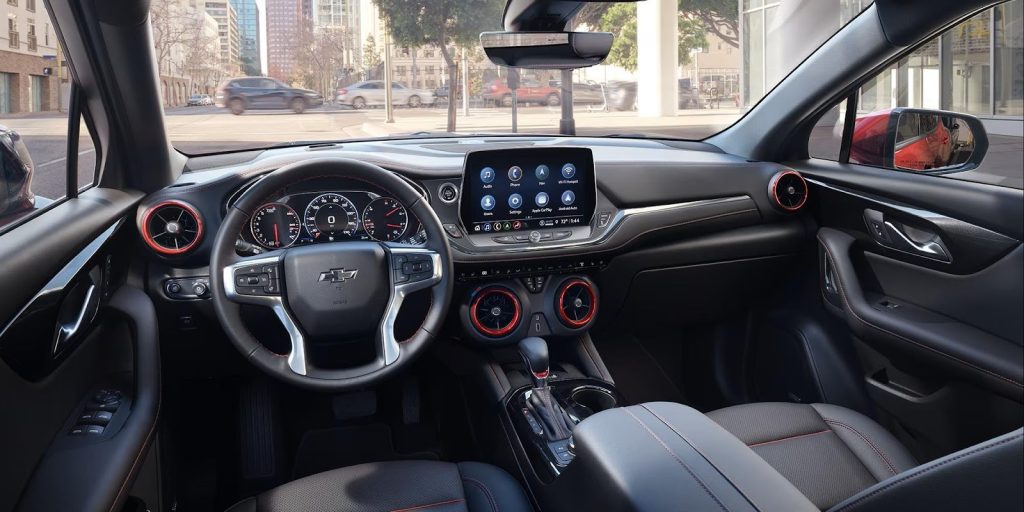
Versatility is a hallmark of the Blazer name, and both versions deliver the utility needed for a Pacific Northwest lifestyle. The gas Blazer offers a sporty, driver-centric cockpit with physical knobs and buttons that many drivers find intuitive and easy to use while wearing gloves during the rainy season. It provides a spacious cargo area that easily accommodates camping gear, sports equipment, or a large haul from the local Federal Way farmers’ market. Its interior layout is focused on maximizing passenger comfort while maintaining a sleek, athletic silhouette.
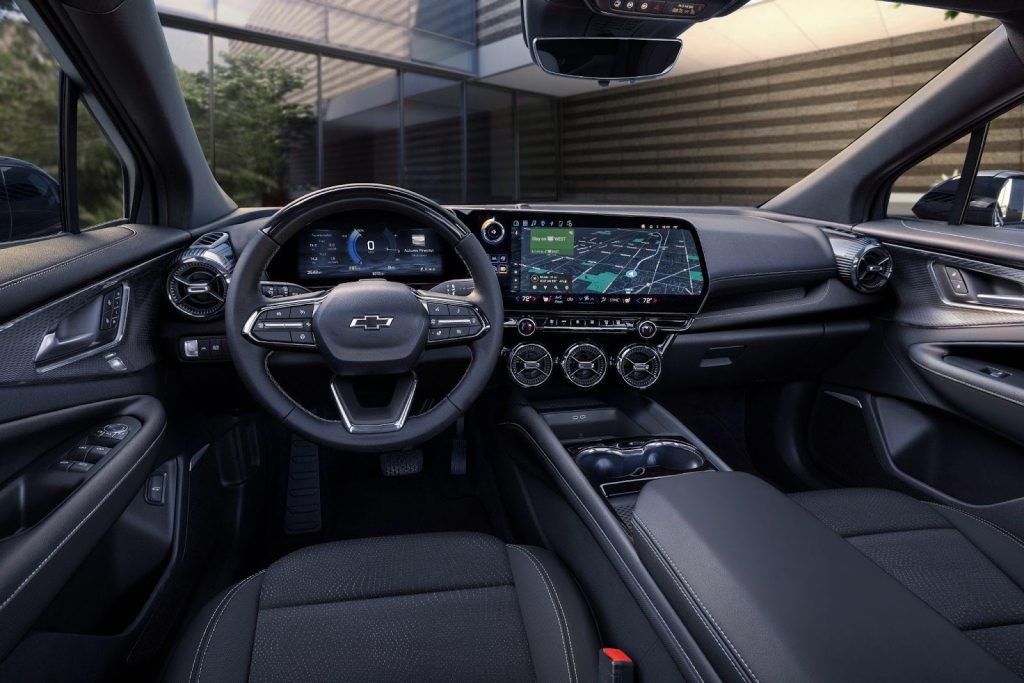
The Blazer EV utilizes its unique electric architecture to offer a slightly different interior experience. Because there is no traditional transmission tunnel running through the floor, the cabin feels more open and airy, with a flat floor that provides more legroom for middle-seat passengers in the back. The centerpiece of the EV’s interior is a massive 17.7-inch diagonal advanced color LCD freeform infotainment display. This screen is tilted toward the driver, providing a high-tech command center that integrates perfectly with the modern aesthetic of the vehicle. While the raw cargo dimensions are similar between the two, the EV often feels more spacious due to the clever packaging of the electric components.
Whether you decide that the time-tested reliability and long-distance convenience of the gas-powered Blazer is right for you, or you are ready to embrace the futuristic performance and low-maintenance lifestyle of the Blazer EV, Jet Chevrolet is here to guide you. As a part of the Dinsmore Auto Group, we take pride in offering an extensive selection of both models to our neighbors in Federal Way and the South Sound. We invite you to visit our showroom, take both versions for a test drive, and see which Blazer best complements your Pacific Northwest journey. Our team is dedicated to helping you find the perfect vehicle that fits your budget, your values, and your vision for the road ahead.
*Penned by AI, polished by humans
Jet Chevrolet Service Federal Way
Benefits of Jet Chevrolet Service
Owning a Chevrolet is an investment in quality, performance, and reliability. To ensure that your vehicle continues to serve you well on the roads of Federal Way and throughout the South Sound, regular professional maintenance is essential. At Jet Chevrolet, our service department is dedicated to providing the highest level of care for every car, truck, and SUV that enters our bays. As a member of the Dinsmore Auto Group, we adhere to the most rigorous standards of automotive service, combining factory-certified expertise with a deep commitment to our Pacific Northwest community. Whether you are driving a brand-new electric model or a time-tested classic, our goal is to keep your vehicle in peak condition for years to come.
How often should I get Chevy maintenance in Federal Way?
The key to long-term vehicle health is a proactive approach to maintenance. For most modern Chevrolet vehicles, a standard service interval occurs every 7,500 miles. This typically includes an oil and filter change, a tire rotation, and a comprehensive multi-point inspection. However, the unique driving conditions of the Pacific Northwest can sometimes necessitate a more frequent schedule. Factors such as frequent stop-and-go traffic in Federal Way, towing heavy loads through the South Sound, or regular exposure to the wet and hilly terrain of our region can place additional stress on your vehicle’s components.
Our expert service advisors at Jet Chevrolet can help you develop a customized maintenance plan based on your specific driving habits and the age of your vehicle. Staying on top of these routine appointments is the best way to prevent small issues from turning into major, expensive repairs. It also ensures that your vehicle’s safety systems are functioning correctly and that its fuel efficiency remains as high as possible. By entrusting your Chevy to the professionals at Jet Chevrolet, you can drive with the confidence that your vehicle is always ready for your next Pacific Northwest adventure.
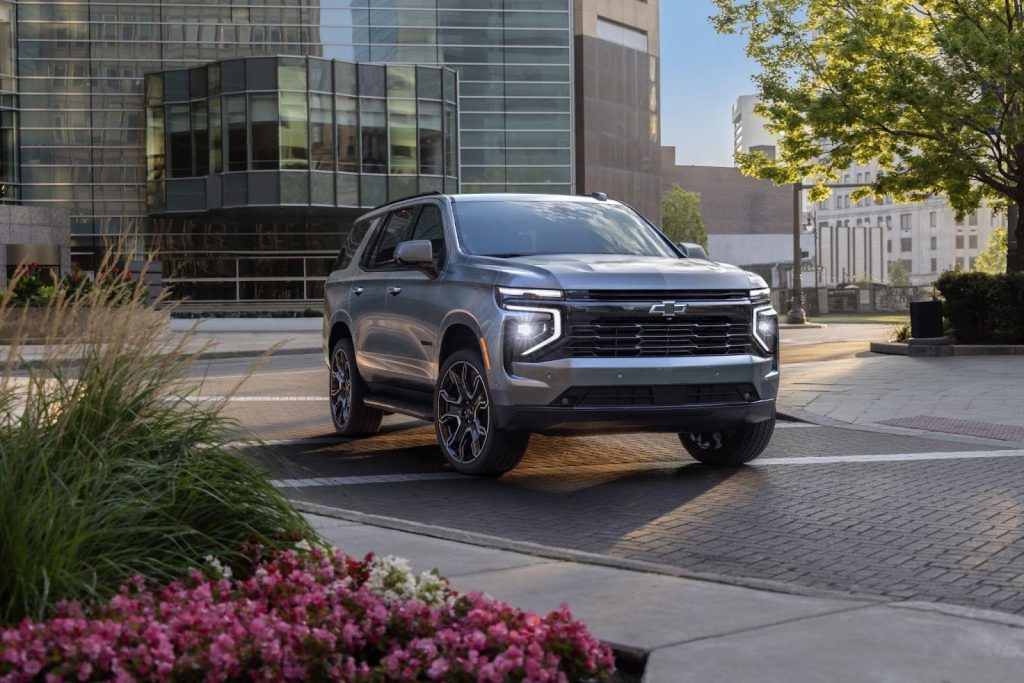
What are the benefits of certified Chevy technicians in the South Sound?
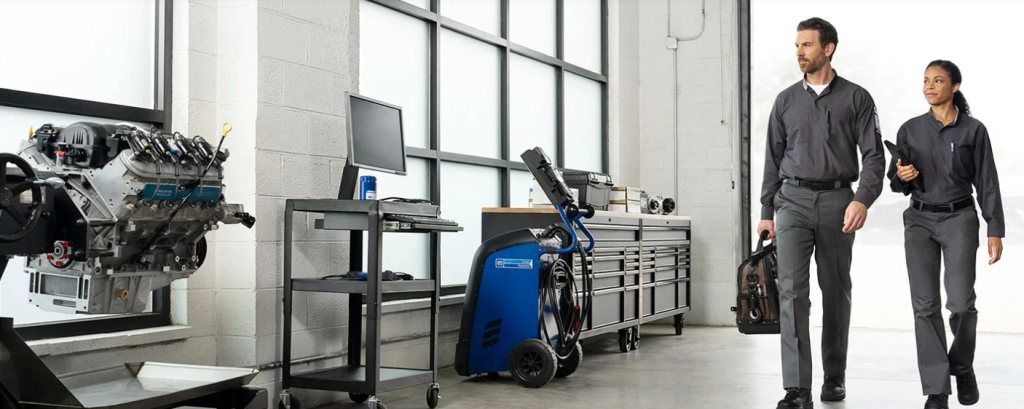
When you bring your vehicle to Jet Chevrolet, it is handled by a team of factory-trained and certified technicians who possess a deep and specialized knowledge of the entire Chevrolet lineup. Unlike general mechanics, our technicians undergo continuous training from the manufacturer to stay up-to-date on the latest automotive technologies and repair techniques. This is especially important as vehicles become more complex, with advanced electronic systems, sophisticated engines, and new electric drivetrains. Our technicians have the specialized tools and diagnostic equipment required to accurately identify and resolve any issue, ensuring that the work is done right the first time.
Furthermore, our certified technicians have access to the latest service bulletins and software updates directly from Chevrolet. This means that when you bring your car to our Federal Way service center, it is being maintained according to the very latest factory specifications. This level of expertise and attention to detail is what sets Jet Chevrolet apart and provides our South Sound customers with an unmatched level of peace of mind. As part of the Dinsmore Auto Group, we take immense pride in the skill and professionalism of our service team, and we are committed to providing a transparent and efficient service experience for every customer.
Where is the best place for Chevy oil changes in Federal Way?
An oil change is one of the most basic but essential services your vehicle requires. The oil in your engine acts as a lubricant, a coolant, and a cleaning agent, and over time it naturally breaks down and loses its effectiveness. At Jet Chevrolet, we provide a comprehensive oil change service that is designed to maximize the life and performance of your engine. We use only high-quality oils and filters that meet or exceed the rigorous standards set by Chevrolet, ensuring that your engine receives the best possible protection. This is particularly vital for the turbocharged engines found in many of today’s Chevys, which require specific oil types to operate correctly in the varied temperatures of the South Sound.
In addition to changing the oil and filter, our technicians also perform a multi-point inspection during every visit. We check your fluid levels, inspect your belts and hoses, evaluate your battery health, and examine your tire condition. This holistic approach to maintenance allows us to catch potential problems early and keep you informed about the overall health of your vehicle. For Federal Way drivers, this means you can leave our service center knowing that your car has been thoroughly vetted by professionals who care about your safety and satisfaction.
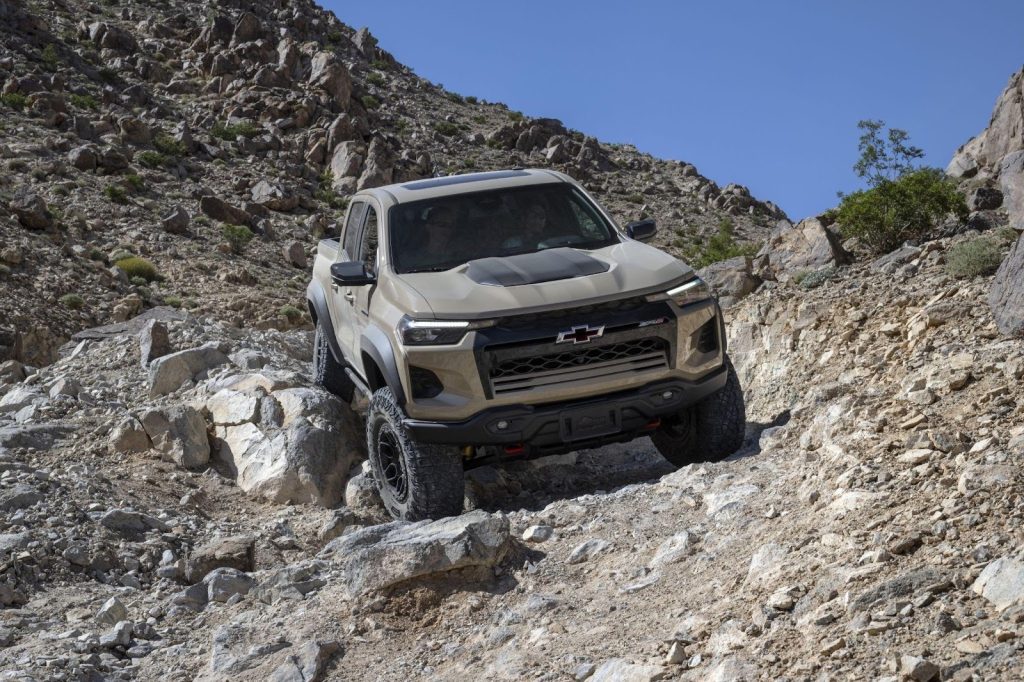
Why use genuine Chevy parts for Pacific Northwest driving?
When your vehicle requires a replacement part, the quality of that part can make a significant difference in how your car performs and how long it lasts. At Jet Chevrolet, we use only genuine Chevrolet parts (OEM) for all our repairs. These parts are designed and engineered by Chevrolet specifically for your model, ensuring a perfect fit and optimal performance. Unlike aftermarket parts, which are often made to fit a wide range of vehicles, genuine Chevy parts are built to the exact same standards as the parts that originally came with your car.
This is especially important for critical systems like brakes, suspension, and electrical components, which must work together seamlessly to ensure your safety on the demanding roads of the Pacific Northwest. Genuine Chevy parts are also backed by a manufacturer’s warranty, providing an extra layer of protection and value. For our customers in Federal Way and the South Sound, using OEM parts is an investment in the long-term reliability and resale value of their vehicle. As a member of the Dinsmore Auto Group, Jet Chevrolet is committed to using only the best components to keep your Chevy running like new, regardless of the miles or the weather.
The service department at Jet Chevrolet is more than just a place for repairs; it is your partner in maintaining the excellence of your vehicle. We understand that your time is valuable, which is why we offer convenient online scheduling and a comfortable waiting area for our Federal Way neighbors. Our team is here to provide the expert advice and professional service you need to get the most out of your Chevrolet in the South Sound. We invite you to experience the difference that certified expertise and a commitment to quality can make. Visit Jet Chevrolet today and let us help you keep your vehicle performing at its best for all your Pacific Northwest travels.
*Penned by AI, polished by humans
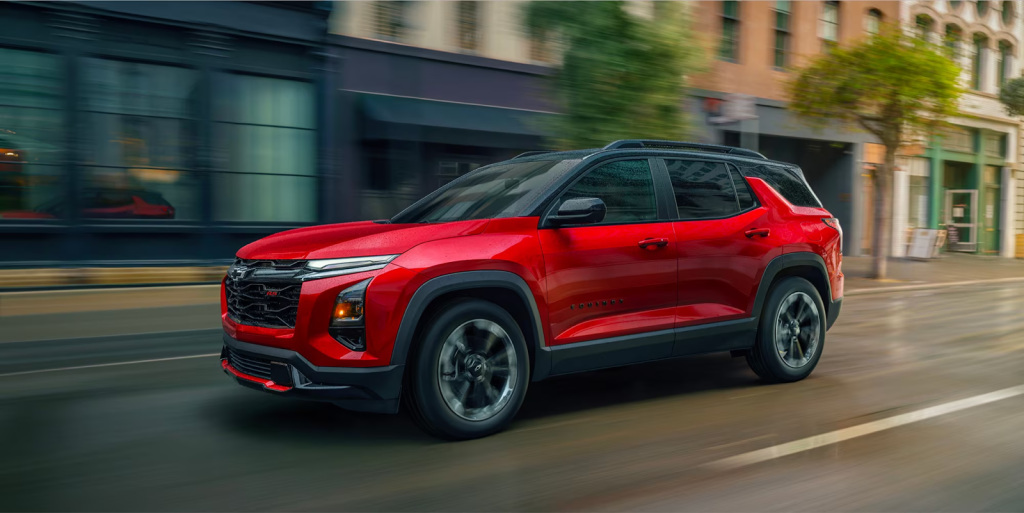
Updates to the 2026 Equinox: New Features for Federal Way, WA Drivers
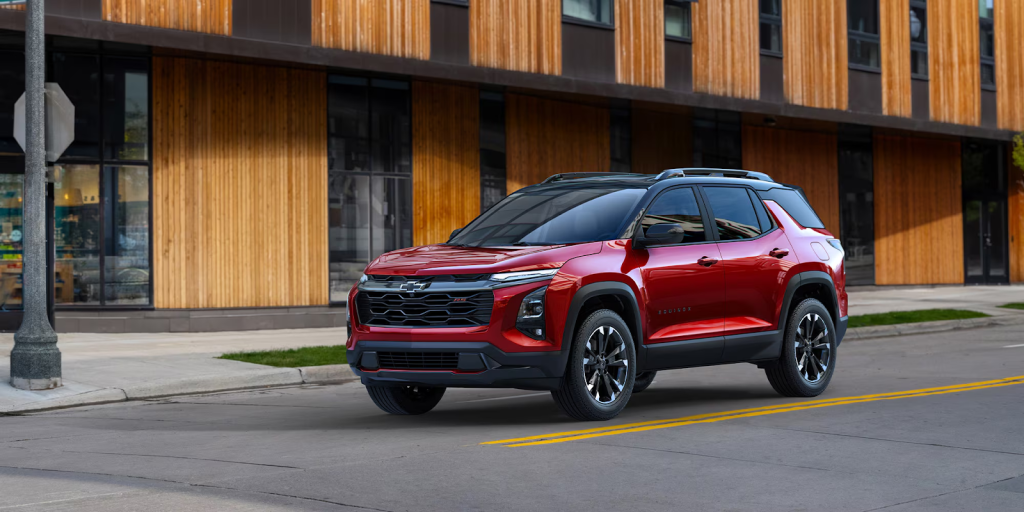
The Chevrolet Equinox has always been a favorite among Federal Way, WA drivers, offering a compelling blend of practicality, comfort, and efficiency in the compact SUV segment. Building on a significant recent redesign, the 2026 model arrives with subtle but meaningful refinements that further elevate its appeal for daily driving and weekend excursions throughout the Pacific Northwest. At Jet Chevrolet, a proud member of the Dinsmore Auto Group, we are here to provide an overview of the key updates that enhance performance, technology, and safety for South Sound residents.
Is the 2026 Chevy Equinox a redesign of the interior and exterior?
The 2026 Chevrolet Equinox is not a full-scale overhaul, but a refinement of the aggressive, sculpted design that was recently introduced. The exterior maintains its wider stance, bold front fascia, and modern lighting signature, which is complemented by an updated palette of exterior color options.
Inside, the cabin continues to offer a spacious and refreshed layout with seating for five. The interior is focused on blending thoughtful design with utility, offering available premium materials and finishes. The structure, including the versatile cargo area, remains highly functional for families and commuters alike.
What are the key technology updates in the 2026 Chevy Equinox?
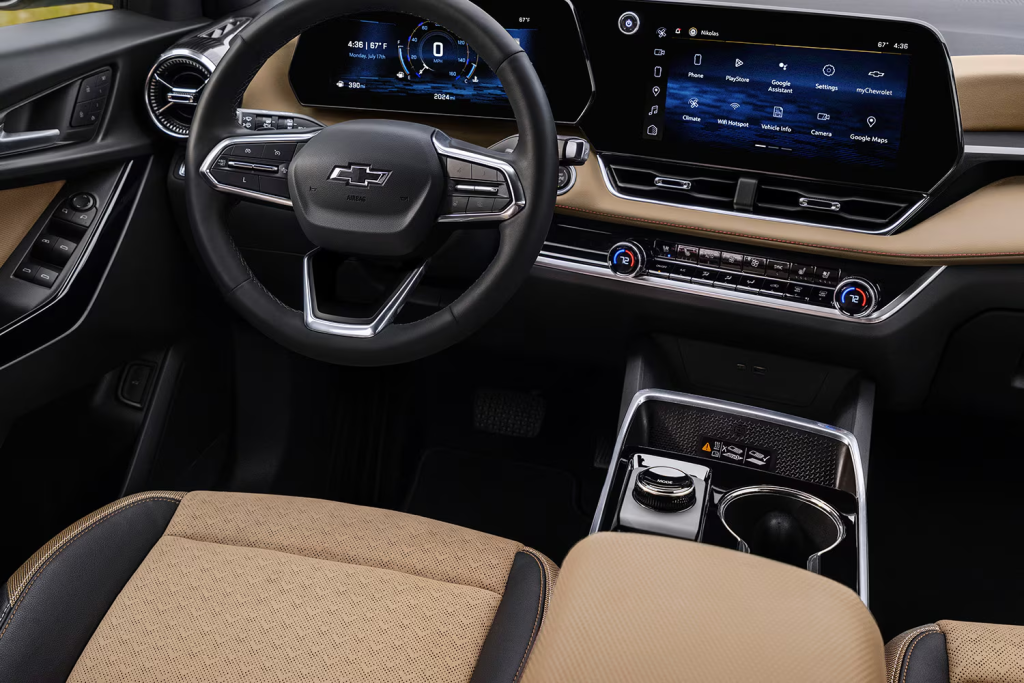
Technology takes a significant step forward in the 2026 Equinox, with enhanced screens and connectivity now becoming standard features. Every trim level now includes an impressive 11-inch digital driver information center paired with an 11.3-inch diagonal touchscreen for the infotainment system. This large, centralized display gives you clear, intuitive control over media, navigation, and vehicle settings.
Crucially, the system features Google Built-in capability, along with standard Wireless Apple CarPlay and Android Auto. For commuters on I-5 or families on road trips, a standard Wi-Fi® hotspot capability and available wireless charging pad keep everyone connected and powered up without the clutter of cables. Available upgrades like dual-zone automatic climate control further enhance the comfort of the cabin for all passengers.
Does the 2026 Equinox have All-Wheel Drive for Washington winters?
Yes, the 2026 Chevrolet Equinox continues to offer available All-Wheel Drive (AWD) across all trim levels, which is a valuable feature for Washington drivers who need extra confidence on wet coastal roads or during the occasional snow event. The AWD system works with the standard 1.5-liter turbocharged four-cylinder engine to provide enhanced traction and stability.
The AWD models are paired with an 8-speed automatic transmission, ensuring responsive handling and smooth power delivery. This capability is further complemented by a newly standard Drive Mode Selector on all trims, allowing drivers to quickly optimize the vehicle’s performance characteristics for varying road conditions. The ACTIV trim level even includes all-terrain tires and a uniquely tuned suspension for those who frequently venture off the beaten path.
What new safety features are standard on the 2026 Equinox?
Safety remains paramount, and the 2026 Equinox expands its advanced safety repertoire. Every model comes standard with the full Chevy Safety Assist suite. This package includes six core features, such as Automatic Emergency Braking, Forward Collision Alert, and Lane Keep Assist with Lane Departure Warning.
For 2026, Chevrolet has enhanced the safety suite with new features like Intersection Automatic Emergency Braking and an improved Lane Centering system. Intersection Automatic Emergency Braking provides an added layer of protection at crossings, while Lane Centering works to actively keep the vehicle positioned in the middle of its lane on compatible roads, reducing driver fatigue and enhancing overall control. Other available advanced features include HD Surround Vision and Rear Pedestrian Alert, which assist greatly with parking and low-speed maneuvers in crowded areas of Federal Way.
What is the cargo capacity of the 2026 Chevrolet Equinox?
The Equinox provides excellent utility for a compact SUV. With the rear seats in place, the cabin offers nearly 30 cubic feet of cargo space behind the second row. This is more than enough room for daily errands, groceries, and multiple pieces of luggage. When you need maximum space for larger items, the rear seats fold down to open up a generous 63.5 cubic feet of total cargo volume. This flexibility, combined with available features like the AutoSense hands-free power programmable liftgate, makes the 2026 Equinox an exceptionally versatile companion for any lifestyle.
The 2026 Chevrolet Equinox is a well-rounded compact SUV that continues to deliver the efficiency, capability, and technology that Federal Way, WA drivers expect. Its updated technology and enhanced safety features provide an even more confident and comfortable experience. Visit us at Jet Chevrolet, a proud dealership of the Dinsmore Auto Group, to explore the refinements of the 2026 Equinox.
*Penned by AI, polished by humans
Top Features of the Equinox EV for Federal Way, WA Drivers
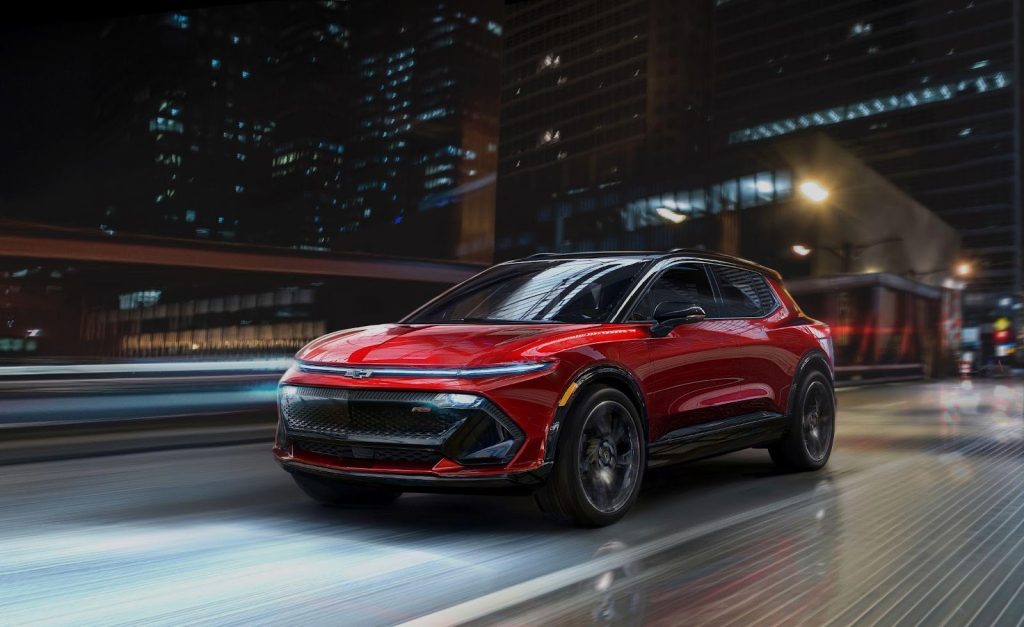
The shift to electric vehicles marks a new era in driving, and the Chevrolet Equinox EV is leading the way by offering an accessible, stylish, and highly functional electric SUV. For drivers in Federal Way, WA, looking for an efficient vehicle without sacrificing the capability and space needed for life in the South Sound, the Equinox EV is an excellent consideration. At Jet Chevrolet, part of the Dinsmore Auto Group, we are excited to highlight the key features that make the Equinox EV a truly top choice.
What is the electric driving range of the Equinox EV?
Range is paramount for any electric vehicle, and the Equinox EV delivers impressive numbers that provide confidence for daily commuting and longer weekend adventures throughout the Pacific Northwest. The Front-Wheel Drive (FWD) models boast an EPA-estimated electric driving range of up to 319 miles on a full charge. Even with the available All-Wheel Drive (AWD) system, the range remains strong, with an EPA estimate of up to 307 miles.
This means a drive from Federal Way to Mount Rainier National Park or even a longer trip down the coast is easily accomplished. Furthermore, the Equinox EV includes Regen on Demand® and One Pedal Driving™ features, which help convert the vehicle’s kinetic energy into stored battery energy while slowing down, effectively maximizing your range in daily driving.
Does the Equinox EV have All-Wheel Drive for Washington winters?
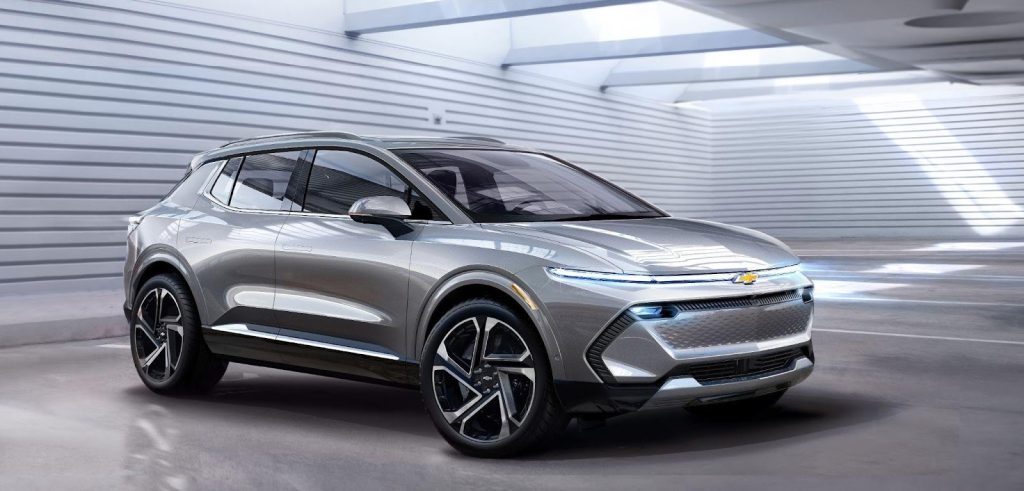
Yes, for drivers in Washington who frequently deal with wet, slippery roads, or snowy conditions, the available eAWD (electric All-Wheel Drive) on the Equinox EV provides the necessary traction and stability. The eAWD system uses a dual-motor configuration, which not only enhances grip in challenging conditions but also boosts performance.
The FWD model is powered by a single electric motor delivering 220 horsepower, but the eAWD dual-motor setup increases the output to a robust 300 horsepower. This extra power and immediate, precise torque delivery from the electric motors ensure you have confident acceleration and handling, whether you are merging onto I-5 or navigating an unpaved road during an outdoor excursion.
How big is the infotainment screen in the Chevy Equinox EV?
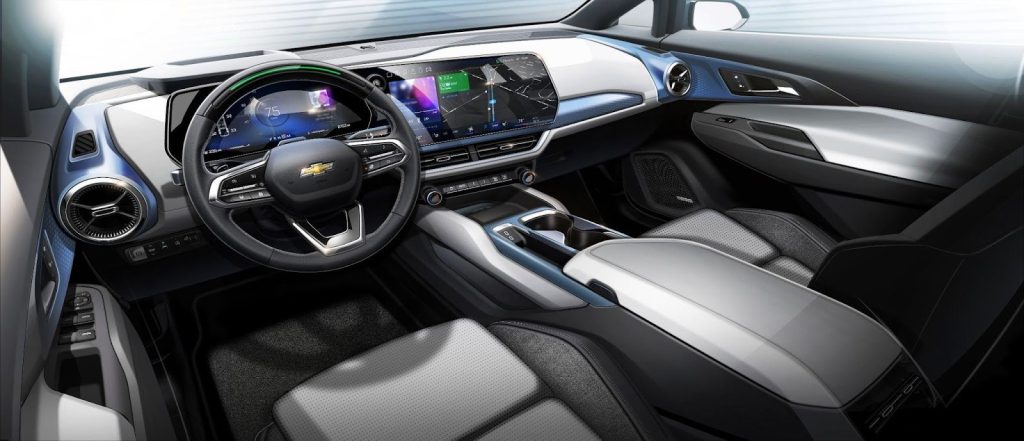
The Equinox EV’s cabin is a hub of modern technology, centered around its truly massive digital display. Most trims feature a stunning 17.7-inch diagonal center touchscreen, which is one of the largest in its class. This expansive display dominates the dashboard and provides an intuitive, high-resolution interface for all vehicle functions.
This system seamlessly integrates with Google Built-in compatibility, which provides access to Google Maps for navigation and Google Assistant for hands-free operations. Complementing the center screen is a standard 11-inch digital driver information center, ensuring all critical driving data is clearly visible at a glance.
What is the maximum cargo space in the Equinox EV for family or gear?
Despite its compact electric footprint, the Equinox EV is surprisingly spacious and flexible, making it a great vehicle for families and individuals with active lifestyles in Federal Way. It offers seating for five passengers.
The Equinox EV provides up to 57.2 cubic feet of maximum cargo volume when the rear seats are folded flat. Even with passengers in the rear, there is a generous 26.4 cubic feet of space behind the second row. This versatile cargo area, along with a dual-height cargo floor, makes it easy to pack everything from weekly groceries to camping gear or large sports bags.
How fast can the Equinox EV DC fast charge for long-distance travel?
For those longer trips out of the South Sound region, the Equinox EV features impressive charging capabilities. It supports DC fast charging of up to 150 kW. This capability allows you to add approximately 70 miles of range in as little as 10 minutes at a compatible public charging station.
For home charging, the Equinox EV comes standard with an 11.5 kW Level 2 onboard charger, which can add about 34 miles of range per hour of charging, ensuring you wake up to a full battery after plugging in overnight. Furthermore, Chevrolet EV owners now have expanded access to the Tesla Supercharger network using an adapter, providing more charging options than ever before.
The Chevrolet Equinox EV is a fantastic option for Federal Way, WA drivers ready to make the switch to an all-electric SUV. It pairs excellent electric range and all-weather capability with a cutting-edge technological cabin and functional cargo space. Visit Jet Chevrolet, part of the Dinsmore Auto Group, to see for yourself how the Equinox EV can electrify your daily drive.
*Penned by AI, polished by humans
Is the Suburban the Right Fit for Your Family in Federal Way, WA?
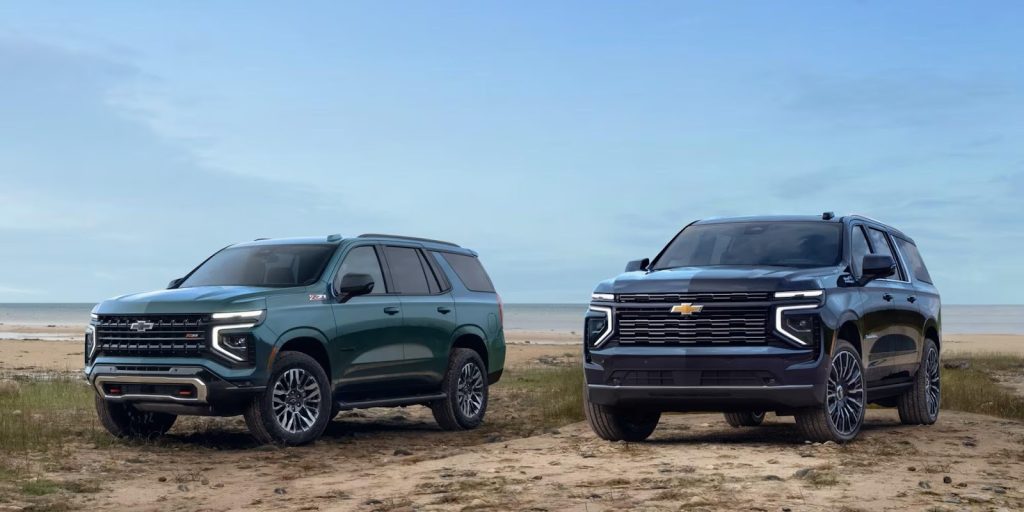
At Jet Chevrolet, part of the Dinsmore Auto Group, we understand that finding the right family vehicle in Federal Way, WA, is a significant decision. Life in the Pacific Northwest requires a vehicle that is as flexible as it is dependable, capable of handling everything from the daily carpool to a fully loaded weekend trip to the mountains or the coast. The Chevrolet Suburban has long been the gold standard for full-size SUVs, and we often hear from local drivers asking: with its commanding size and capability, is the Suburban truly the right fit for my family’s needs? We are here to help you unpack the features and dimensions that make the Suburban a standout choice for families throughout the South Sound region.
How many passengers can the Chevy Suburban seat for Federal Way families?
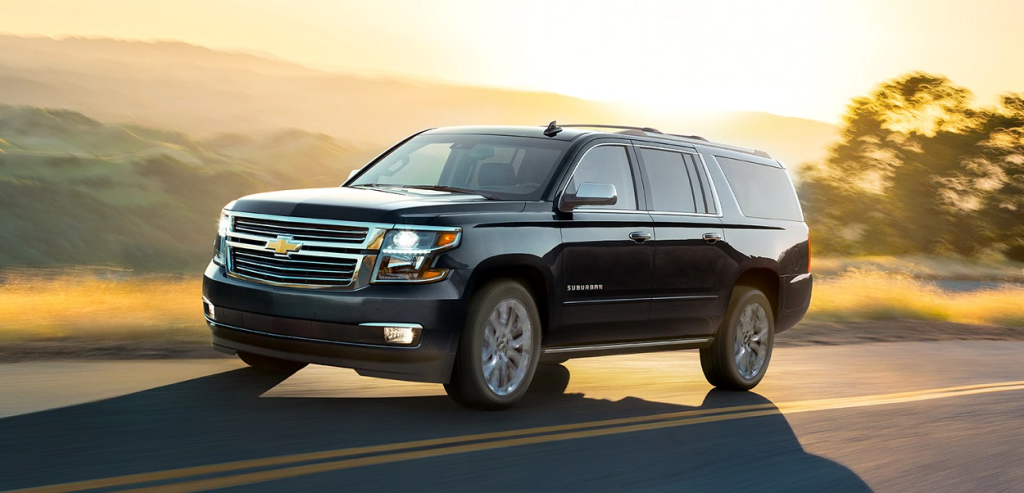
The primary appeal of the Suburban for growing or active families is its immense interior space, specifically its seating capacity. The Suburban is engineered to accommodate everyone and their gear comfortably, offering a standard seating configuration for eight passengers. For the largest families, an available front-row bench seat can increase the total seating capacity to an impressive nine passengers.
Even better, the Suburban’s extended wheelbase ensures that the third row is not just an afterthought. Passengers in the third row enjoy substantial legroom, which is a rare find in the full-size SUV segment. This is a crucial factor for families with older children or those who frequently drive with adult passengers, ensuring long drives from Federal Way down to the Oregon Coast or across the state to Spokane remain comfortable for everyone on board. The flexibility of the seating—including available second-row captain’s chairs and power-folding second and third rows—allows for quick adjustments to switch from maximum passenger capacity to maximum cargo capacity.

What is the maximum cargo space in a Chevy Suburban for outdoor gear?
Family life, especially in a region as outdoors-focused as the Pacific Northwest, means constantly transporting gear. Whether it is sporting equipment, camping supplies, or a hefty load of groceries, the Suburban is designed to handle it all without compromise. It offers best-in-class cargo room.
The Suburban provides an exceptional 41.5 cubic feet of storage space behind the third row—enough room to easily pack large strollers, multiple suitcases, or bulky sports equipment without needing to fold down any seats. This is where the Suburban truly shines and sets itself apart from many competitors. When you need to haul larger items, folding the second and third rows flat unlocks a cavernous 144.7 cubic feet of maximum cargo capacity, which is ideal for transporting materials for a home project or loading up for a major camping trip. This versatility makes the Suburban a favorite for residents in Federal Way who need their vehicle to adapt quickly to changing daily demands.
Can the Chevy Suburban handle towing a family boat or camper through the South Sound?
The capability of a full-size SUV is often measured by its ability to tow, and the Suburban meets the challenge with serious power. For many in the South Sound region, a dependable towing capacity is essential for recreational activities, such as boating on Puget Sound or taking a camper trailer out to one of the many state parks.
When properly equipped with the Max Trailering package and the 5.3L V8 engine, the Suburban can achieve a maximum towing capacity of up to 8,300 pounds. Even the powerful 6.2L V8 engine or the efficient 3.0L Duramax Turbo-Diesel engine offer impressive capacities well over 7,800 pounds, ensuring you have the strength you need to bring along a boat, ATV trailer, or a family camper.
The Suburban also offers features like the Advanced Trailering Package, which includes hitch guidance and trailer sway control, providing enhanced confidence and stability when pulling a heavy load through the varied terrain and sometimes challenging inclines of the Pacific Northwest.
Is the Suburban a good SUV for Pacific Northwest road trips and weather?
Driving conditions in and around Federal Way and the greater Pacific Northwest can change in an instant, from sun-drenched freeways to slick, wet coastal roads. A great family vehicle needs more than just space; it needs dependability in all seasons. The Suburban’s capability and comfort features are specifically well-suited for this environment.
Available four-wheel drive systems provide excellent traction and control on rain-slicked roads or snowy mountain passes, offering drivers the stability and peace of mind necessary for year-round travel. Furthermore, the longer frame and available advanced suspension technologies, such as Magnetic Ride Control and Air Ride Adaptive Suspension, contribute to a smoother, more composed ride, which is greatly appreciated on long-distance family road trips. These systems automatically adjust to road conditions, isolating the cabin from jarring chatter and making long journeys to destinations like Mount Rainier or Leavenworth effortless. Thoughtful amenities like tri-zone automatic climate control and available heated seating for rear passengers ensure everyone stays comfortable, regardless of the weather outside.
What are the key safety features for families in the Chevy Suburban?
Nothing is more important to us—and to any family—than safety. The Suburban is equipped with the comprehensive Chevy Safety Assist suite of driver assistance features, which comes standard on every trim. This essential package includes features like Forward Collision Alert, Automatic Emergency Braking, and Lane Keep Assist.
The vehicle also offers practical, family-focused safety features, such as the Rear Seat Reminder, which prompts drivers to check the back seats before exiting the vehicle. For parents installing child seats, the Suburban’s second row has easily accessible LATCH anchors. When navigating tight parking lots in Federal Way or maneuvering the vehicle with a full load, available technologies like HD Surround Vision and Enhanced Automatic Parking Assist add an extra layer of confidence.
The Chevrolet Suburban is more than a full-size SUV; it is a dedicated family hub that provides unparalleled space, advanced safety, and the powerful capability needed to tackle the diverse landscape of the Pacific Northwest. If your family requires maximum passenger seating, best-in-class cargo volume, and the ability to tow your weekend toys, the Suburban is an excellent choice. We invite you to visit Jet Chevrolet, part of the Dinsmore Auto Group, to see this exceptional vehicle in person and discuss how it can fit into your family’s daily life.
*Penned by AI, polished by humans
Connect with us


- July 2026
- June 2026
- May 2026
- April 2026
- March 2026
- February 2026
- January 2026
- December 2025
- November 2025
- October 2025
- September 2025
- August 2025
- July 2025
- June 2025
- May 2025
- April 2025
- March 2025
- February 2025
- January 2025
- November 2024
- October 2024
- September 2024
- August 2024
- July 2024
- June 2024
- May 2024
- April 2024
- March 2024
- February 2024
Archives
- Chevrolet near me
- Chevrolet Safety
- Chevrolet Silverado
- Chevrolet Trailblazer
- Chevrolet Trax
- Chevy Blazer EV
- Chevy Bolt
- Chevy Colorado
- Chevy Equinox EV
- Chevy Finance
- Chevy Silverado EV
- Chevy SUV
- Chevy Tahoe
- Commercial Fleet
- Federal Way Chevrolet Dealer
- Federal Way Chevrolet Service
- Federal Way Used Cars
- Jet Chevrolet
- Jet Chevrolet Service
- Uncategorized