





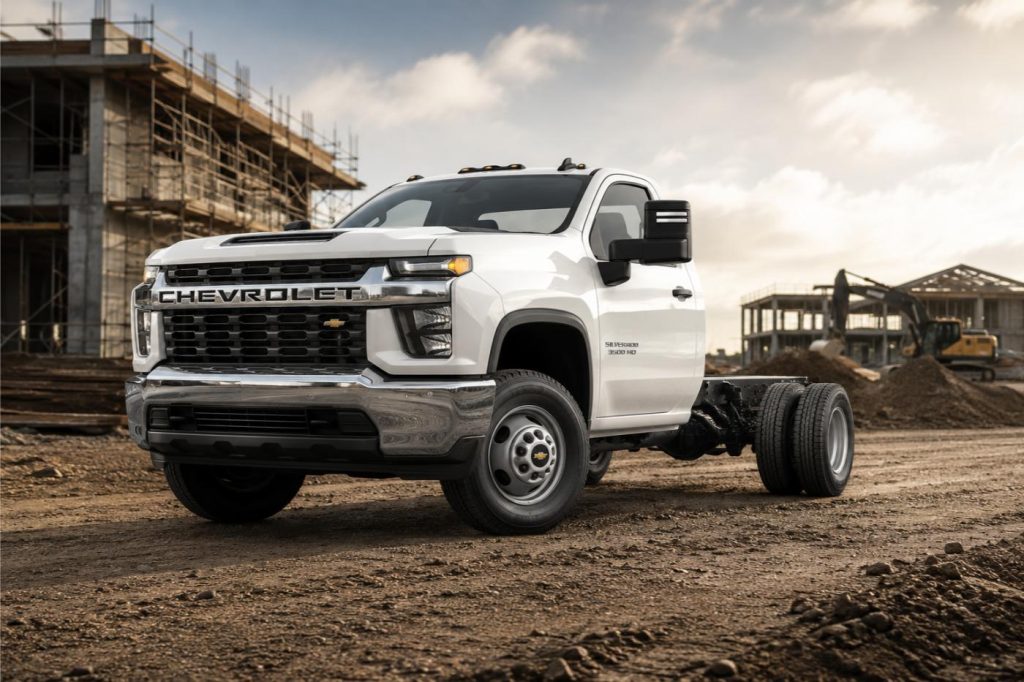
A construction work truck is a primary tool on any job site. Choosing the wrong truck can halt a project, whether because it cannot haul a full pallet of drywall or because it lacks the towing capacity to transport a mini-excavator to the site. If you buy based on luxury features rather than mechanical capability, you pay for options that do not contribute to your bottom line. Getting the right truck requires matching the vehicle’s mechanical specifications to your daily hauling and towing realities.
Deciphering Bed Length and Cab Configurations
One of the most common mistakes in construction fleet purchasing is selecting the wrong balance between cab space and bed length. A crew cab with a short bed is comfortable for transporting workers, but it cannot carry standard eight-foot sheets of plywood or drywall without them hanging over the tailgate.
If your crews regularly haul building materials, an eight-foot long-bed configuration is highly efficient. When you need to transport both a four-man crew and full-sized materials, a double cab or crew cab paired with a standard bed provides the necessary balance, though it does increase the overall turning radius of the vehicle on tight job sites.
Towing Capacity and Braking Math
Towing trailer-mounted equipment like skid steers, dump trailers, or scaffolding requires more than just a high tow rating. You must also evaluate the truck’s Gross Combined Weight Rating, which is the total allowable weight of the truck, trailer, cargo, and passengers combined.
Operating at the absolute limit of a truck’s towing capacity strains the engine, overheats the brakes, and increases stopping distances on wet highway descents. For regular towing of heavy equipment, upgrading to a three-quarter-ton or one-ton truck with an integrated trailer brake controller and exhaust braking provides the mechanical safety margin your drivers need to operate safely.
Heavy-Duty Suspensions and Bed Protection
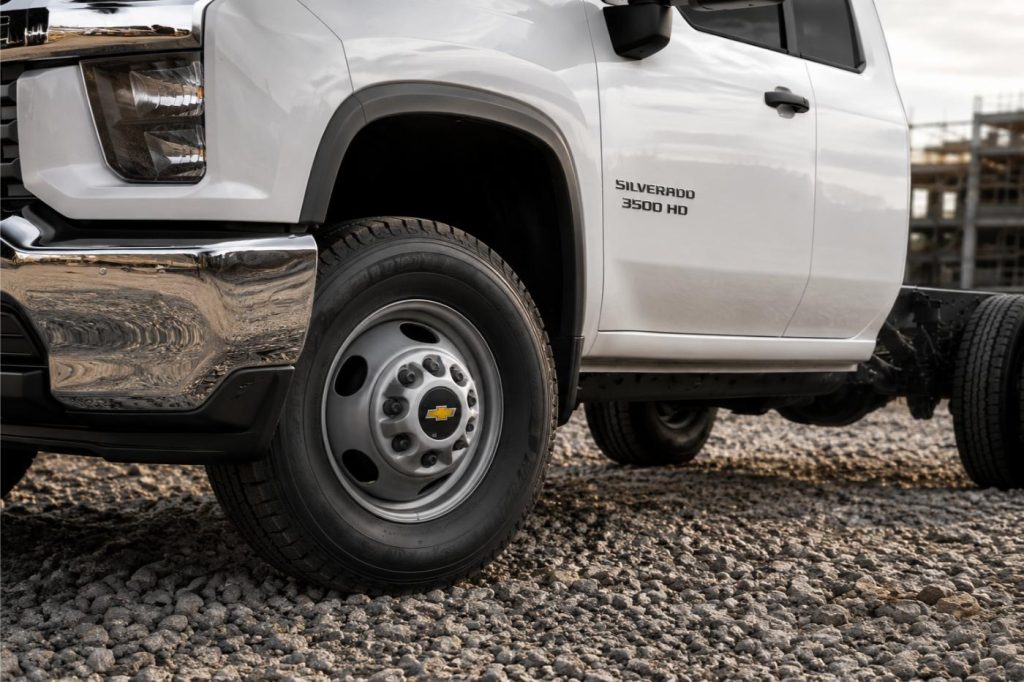
Construction debris, gravel, and concrete blocks wear down standard light-duty truck beds quickly. To ensure long-term durability, your construction trucks should be equipped with:
- Factory-installed or heavy-duty spray-on bed liners to prevent rust and denting
- Reinforced suspension packages or helper springs to handle uneven bed loads
- Integrated tie-down points that secure heavy machinery and materials during transit
These mechanical upgrades prevent cosmetic damage from turning into structural rust, which directly preserves the resale value of your fleet.
Worksheet: Construction Truck Spec Matcher
Use this worksheet to determine whether a truck’s mechanical specifications match your job site requirements before making a purchase.
Do you need to match your equipment weights to the right truck chassis? Connect with our commercial team at (253) 336-4216 to run your towing and payload calculations with a fleet specialist.
Why Western Washington Construction Companies Trust Jet Chevrolet
Securing durable work trucks quickly is essential for keeping construction projects on schedule. Jet Chevrolet provides extensive regional pool-stock availability, giving you access to heavy-duty trucks without the long factory wait times.
Located in Federal Way directly along the I-5 corridor, Jet Chevrolet serves construction businesses throughout the Puget Sound region, including:
- South Sound & Local: Federal Way, Tacoma, Kent, Auburn, Puyallup, Olympia
- Greater Seattle & North Sound: Seattle, Bellevue, Renton, Everett, Lynnwood
As part of Dinsmore Auto Group, Jet Chevrolet remains locally owned and family operated, with hands-on leadership committed to supporting local contractors. Their philosophy is simple:
Do More. Save More. Experience MORE.
For construction owners, that means finding work trucks built for the demands of the job site, backed by a service team that understands the cost of downtime.
Call Jet Chevrolet today at (253) 336-4216 to match your towing needs to our available heavy-duty truck inventory.
Final Thoughts
A construction truck must be spec’ed for its heaviest day, not its lightest. Choosing a truck with a sufficient towing and payload margin protects your drivetrain and ensures your crew can move equipment safely.
Take the time to calculate your total trailer and material weights before selecting a chassis. A truck that handles its load comfortably stays out of the shop and keeps your projects moving forward on time
Connect with us


- August 2026
- July 2026
- June 2026
- May 2026
- April 2026
- March 2026
- February 2026
- January 2026
- December 2025
- November 2025
- October 2025
- September 2025
- August 2025
- July 2025
- June 2025
- May 2025
- April 2025
- March 2025
- February 2025
- January 2025
- November 2024
- October 2024
- September 2024
- August 2024
- July 2024
- June 2024
- May 2024
- April 2024
- March 2024
- February 2024
Archives
- Chevrolet near me
- Chevrolet Safety
- Chevrolet Silverado
- Chevrolet Trailblazer
- Chevrolet Trax
- Chevy Blazer EV
- Chevy Bolt
- Chevy Colorado
- Chevy Equinox EV
- Chevy Finance
- Chevy Silverado EV
- Chevy SUV
- Chevy Tahoe
- Commercial Fleet
- Federal Way Chevrolet Dealer
- Federal Way Chevrolet Service
- Federal Way Used Cars
- Jet Chevrolet
- Jet Chevrolet Service
- Uncategorized