





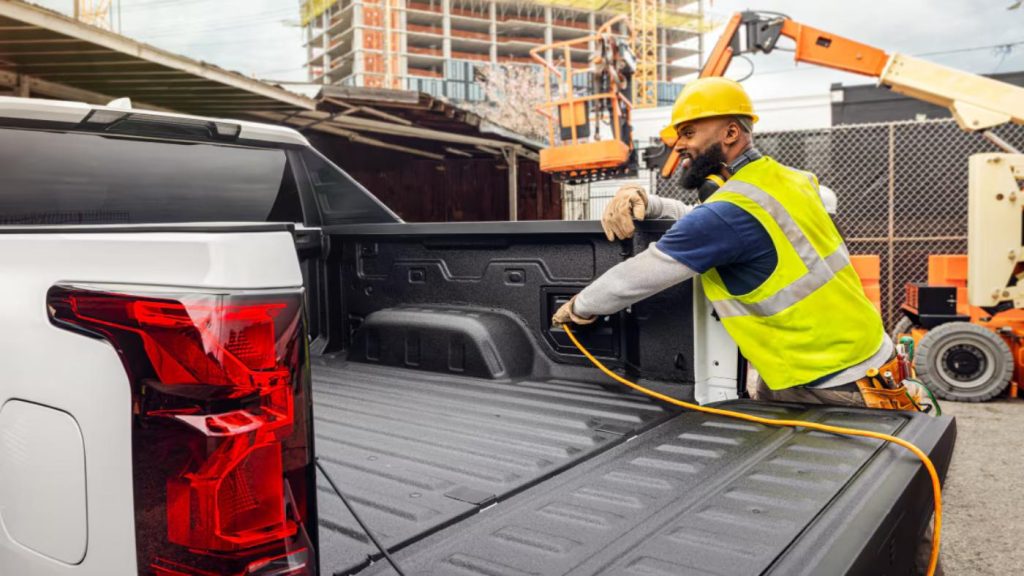
For contractors, a pickup bed has to do more than hold tools. It needs to carry the equipment and materials a crew uses while keeping frequently needed items accessible.
That makes bed length, storage, racks, payload, and weather protection important considerations when choosing a commercial work truck. Before selecting a truck or upfit, start with the job itself.
Start With What the Truck Actually Carries
There is no single ideal work truck setup for every contractor. A general contractor, electrician, landscaper, and construction crew may all use pickups differently.
Consider what the truck carries during a normal workweek, including:
- Power and hand tools
- Toolboxes and storage systems
- Ladders and building materials
- Generators or compressors
- Job-site equipment
- Towing equipment
Also consider how often each item is used. Equipment needed at every stop should generally be easier to reach than something used occasionally.
This can also help determine whether a pickup is the right vehicle at all. Some operations may be better served by an enclosed cargo van, service body, flatbed, or another commercial configuration.
Choosing the Right Bed Length
A longer bed provides additional room for tools and materials, while a shorter bed may work for businesses that don’t regularly carry long or bulky cargo and prefer a more compact overall vehicle.
For fleet buyers, the key question is simple: What needs to fit in the bed on a normal day?
Bed and cab combinations vary by model, so compare the specifications of the actual truck configurations you’re considering rather than simply choosing the largest available option.
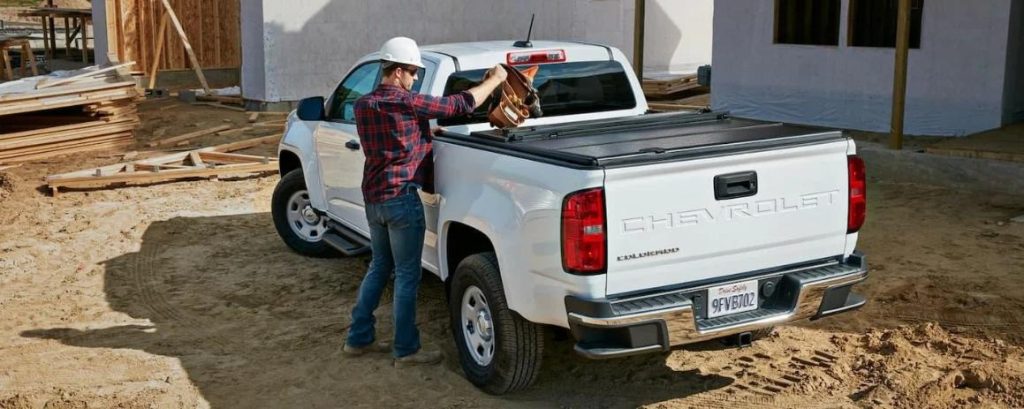
Open Bed or Covered Storage?
An open pickup bed provides convenient access and can accommodate bulky cargo, but tools and materials may need additional protection from weather and unauthorized access.
Depending on the work, contractors may consider:
- Cross-bed or side-mounted toolboxes
- Bed covers or caps
- Lockable storage systems
- Drawer systems
Western Washington’s wet weather makes this particularly relevant for businesses carrying tools, electrical equipment, paperwork, or other materials that should remain dry.
The right setup depends on the work. A contractor hauling lumber has different needs than a service technician carrying power tools and small parts.
Consider Racks for Long Materials
Ladders, pipe, lumber, and other long materials can consume valuable bed space. An appropriately selected rack can provide another place to carry certain items while leaving more of the bed available for other cargo.
Any rack or accessory should be compatible with the specific vehicle and used according to its specifications. Its weight, along with the weight of anything carried on it, also contributes to the vehicle’s load.
Remember That the Upfit Adds Weight
Toolboxes, racks, drawers, bed caps, tools, passengers, materials, and other equipment all contribute to the load carried by a work truck. Payload capacity varies by vehicle and configuration, so a maximum advertised for a model line should not automatically be treated as the rating for every truck. Use the ratings and documentation for the specific vehicle and configuration when determining what it can safely carry or tow.
Plan Around the Workday
A pickup bed can technically hold everything a crew needs and still be inconvenient to work out of.
Consider which tools are used most often, what needs to remain locked, and which equipment is heavy or awkward to move. Frequently used items may benefit from accessible storage near the sides or tailgate, while smaller parts may be better suited to drawers or compartments.
Thinking about these needs before purchasing the truck can help narrow down the right cab and bed configuration, payload requirements, towing needs, storage, racks, and weather protection.
Need help choosing a work truck that fits the way your crew actually works?
Connect with the Jet Chevrolet team at (253) 336-4216 to discuss your commercial vehicle needs.
Do More. Save More. Experience MORE.
Final Thoughts
A useful contractor pickup starts with more than choosing a truck and adding a toolbox. Bed length, storage, racks, payload requirements, cargo, and daily workflow all need to work together.
Planning those requirements before purchasing or upfitting a truck can help you choose a configuration that better matches how your crew actually uses the vehicle.How to Configure a Work Truck for Your
Trade: Bed Length, Storage, Racks, and
Payload
Connect with us


- August 2026
- July 2026
- June 2026
- May 2026
- April 2026
- March 2026
- February 2026
- January 2026
- December 2025
- November 2025
- October 2025
- September 2025
- August 2025
- July 2025
- June 2025
- May 2025
- April 2025
- March 2025
- February 2025
- January 2025
- November 2024
- October 2024
- September 2024
- August 2024
- July 2024
- June 2024
- May 2024
- April 2024
- March 2024
- February 2024
Archives
- Chevrolet near me
- Chevrolet Safety
- Chevrolet Silverado
- Chevrolet Trailblazer
- Chevrolet Trax
- Chevy Blazer EV
- Chevy Bolt
- Chevy Colorado
- Chevy Equinox EV
- Chevy Finance
- Chevy Silverado EV
- Chevy SUV
- Chevy Tahoe
- Commercial Fleet
- Federal Way Chevrolet Dealer
- Federal Way Chevrolet Service
- Federal Way Used Cars
- Jet Chevrolet
- Jet Chevrolet Service
- Uncategorized