





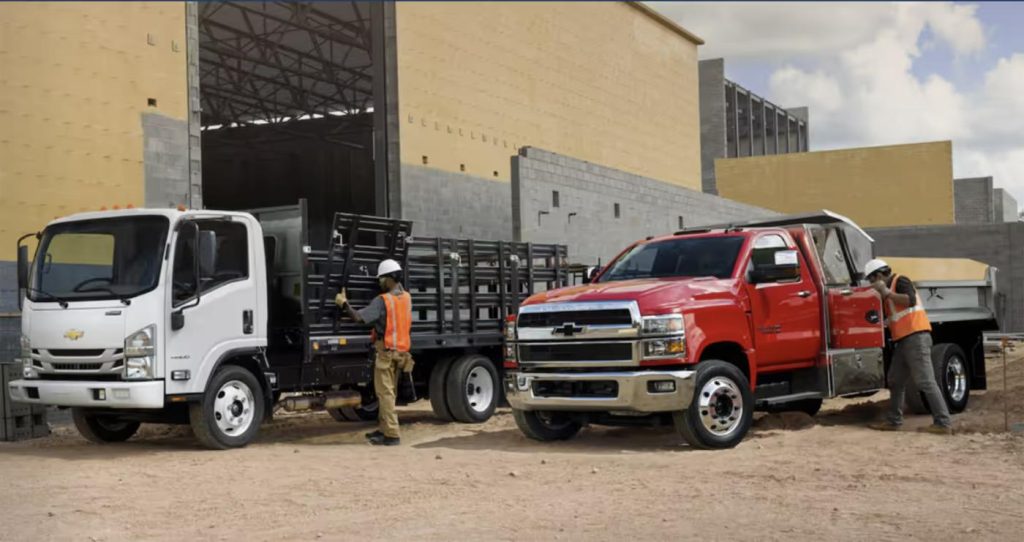
A work vehicle may carry thousands of dollars’ worth of tools, materials, parts, and equipment on a typical day. But having enough cargo space isn’t the same as having a good way to store and secure what you’re carrying.
For contractors and field-service businesses, cargo organization should be considered when choosing and upfitting a commercial vehicle, not after the shelves, tools, and materials are already loaded.
Why Cargo Movement Matters
Vehicles accelerate, brake, turn, and travel over uneven roads. Anything inside or on the vehicle that isn’t properly restrained can move with those forces. That makes cargo securement relevant whether equipment is being carried in a pickup bed, on a rack, on a flatbed, or inside certain commercial vehicles.
Certain regulations require applicable cargo to be immobilized or secured so it does not shift or fall from the vehicle. Exactly which regulations apply depends on the vehicle and operation, so businesses should determine the requirements applicable to their specific fleet rather than treating general guidance as legal advice.
Start With the Vehicle’s Intended Cargo
The right cargo setup depends on what the crew actually carries.
An electrician may need organized storage for small components, testing equipment, power tools, and ladders.
A plumber may carry fittings, pipe, drain-cleaning equipment, and materials that can be wet or dirty.
A construction crew may need to transport larger tools, building materials, or equipment.
Before choosing a truck, van, body, or upfit, make a realistic list of what a normal vehicle carries. Then consider:
- Size
- Weight
- Shape
- Frequency of use
- Whether items can roll or shift
- Whether equipment needs to be protected from weather
- How employees need to access it
This can help determine whether the job is better suited to an enclosed van, pickup, service body, flatbed, or another configuration.
Organizing and Securing Your Cargo
An organized cargo area can make tools easier to find, but organization and securement aren’t necessarily the same thing.
Bins, drawers, cabinets, partitions, tie-down points, racks, straps, and other systems serve different purposes. A small-parts organizer might keep fittings separate, while a locking drawer can keep tools contained. Larger equipment may require appropriate restraints or mounting systems.
The appropriate method depends on the item being transported and any regulations that apply.
Consider Weight Along With Storage
A cargo system also becomes part of the vehicle’s load.
Shelving, racks, service bodies, drawers, partitions, tools, materials, passengers, and other equipment all add weight. That means an upfit that provides excellent organization still has to work within the applicable ratings for the specific vehicle.
When planning a commercial vehicle, evaluate the cargo system together with payload, axle ratings, towing requirements when applicable, and the weight of the equipment your crew normally carries.
Make Frequently Used Equipment Accessible
Good cargo planning isn’t only about fitting everything inside. Think about how often each item is used and where technicians access it. Frequently used tools and parts may benefit from easily accessible storage, while less frequently used equipment can occupy areas that require more effort to reach.
The exact layout will vary by trade and crew. That’s why there isn’t one universal “perfect” shelving configuration for every service van or work truck.
Reevaluate the Setup as the Business Changes
A vehicle that was configured for a two-person crew three years ago may be carrying different tools and materials today. Periodically review what’s actually inside fleet vehicles.
Ask:
- Are unused items taking up capacity?
- Have new tools been added without a designated storage location?
- Has the crew started carrying heavier equipment?
- Has the type of work changed?
Those questions can help determine whether the current setup still fits the job, or whether different requirements should be considered when the vehicle is eventually replaced.
Need a commercial vehicle that fits the equipment your business actually carries?
Connect with the Jet Chevrolet team at (253) 336-4216 to discuss your vehicle requirements.
Why Western Washington Businesses Work With Jet Chevrolet
Located in Federal Way along the I-5 corridor, Jet Chevrolet works with commercial customers throughout Western Washington, from the South Sound to the greater Seattle area.
As part of Dinsmore Auto Group, Jet Chevrolet is locally owned and family operated. Our commercial team works with businesses to evaluate work-truck and commercial-vehicle options based on their operational requirements.
Do More. Save More. Experience MORE.
Connect with the Jet Chevrolet team at (253) 336-4216 to discuss your next commercial vehicle.
Final Thoughts
Cargo capacity is only one part of choosing a work vehicle. Businesses also need to think about how tools, materials, and equipment will be stored, accessed, and secured once the vehicle is in service. Planning those requirements before choosing a vehicle or upfit can help you select a configuration that better matches the work your crews actually perform.
Connect with us


- August 2026
- July 2026
- June 2026
- May 2026
- April 2026
- March 2026
- February 2026
- January 2026
- December 2025
- November 2025
- October 2025
- September 2025
- August 2025
- July 2025
- June 2025
- May 2025
- April 2025
- March 2025
- February 2025
- January 2025
- November 2024
- October 2024
- September 2024
- August 2024
- July 2024
- June 2024
- May 2024
- April 2024
- March 2024
- February 2024
Archives
- Chevrolet near me
- Chevrolet Safety
- Chevrolet Silverado
- Chevrolet Trailblazer
- Chevrolet Trax
- Chevy Blazer EV
- Chevy Bolt
- Chevy Colorado
- Chevy Equinox EV
- Chevy Finance
- Chevy Silverado EV
- Chevy SUV
- Chevy Tahoe
- Commercial Fleet
- Federal Way Chevrolet Dealer
- Federal Way Chevrolet Service
- Federal Way Used Cars
- Jet Chevrolet
- Jet Chevrolet Service
- Uncategorized