





trailblazer-vs-equinox-comparison
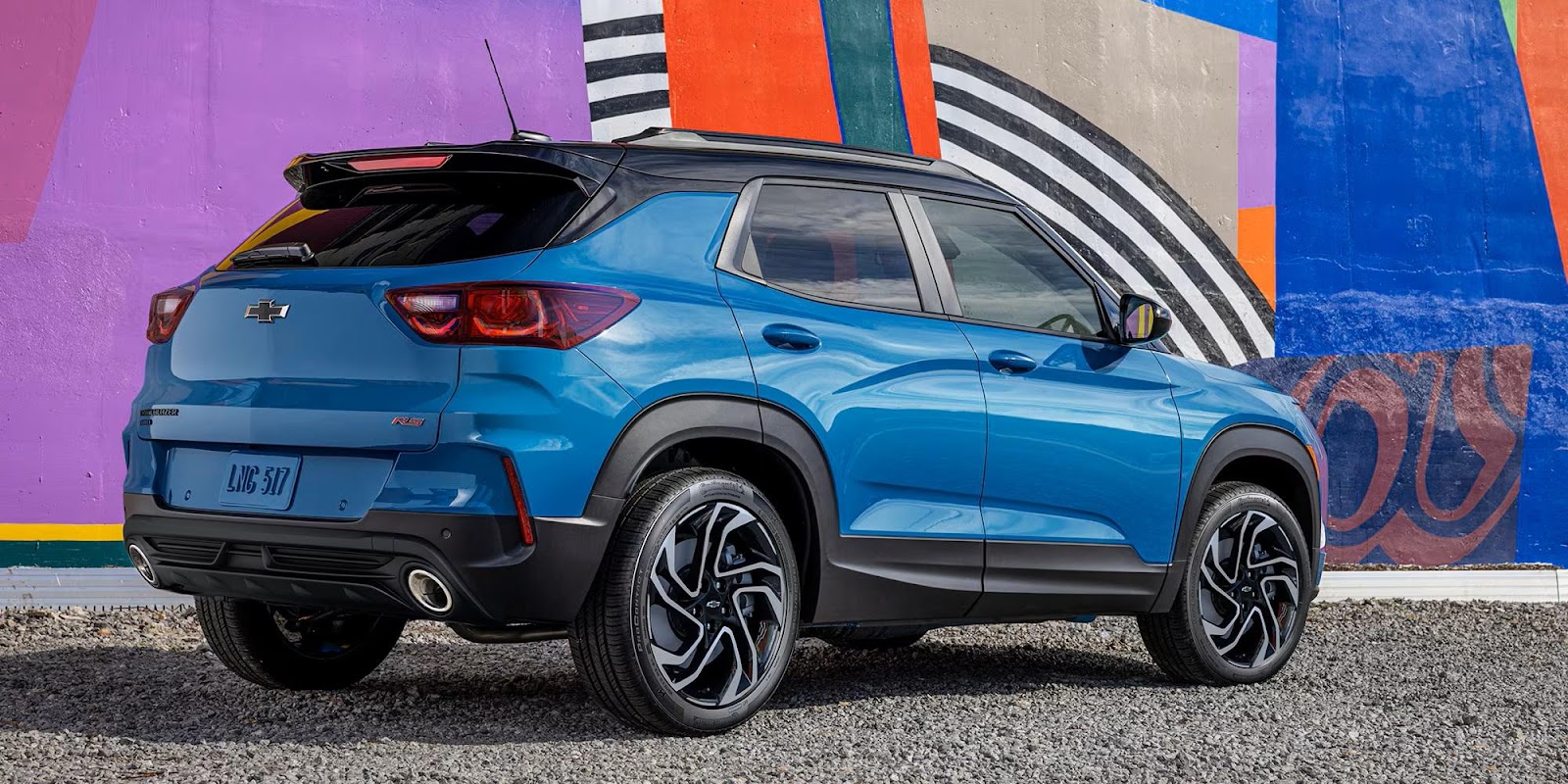 Safety Features & Chevy Reliability
Chevrolet is known for
reliable, safe vehicles, and both models come with a strong lineup of standard and available safety technologies.
Standard Safety Features on Both Models- Chevy Safety Assist (includes Automatic Emergency Braking,Lane Keep Assist, and Forward Collision Alert)
- Rear Vision Camera
- Teen Driver Technology
- Adaptive Cruise Control (Equinox only)
- HD Surround Vision (Equinox only)
- Rear Park Assist (both models)
The Equinox offers more advanced safety features, making it a great option for families, while the Trailblazer still offers impressive standard safety for its class.
Off-Road CapabilitiesFor those who love adventure, off-road capabilities may be a deciding factor.
Chevy Trailblazer Off-Road Features- Available ACTIV trim with sport terrain tires and skid plates
- AWD available for better traction
- Compact size makes it easier to maneuver on rugged trails
- Available AWD for better grip on loose surfaces
- Not as off-road-focused as the Trailblazer, but handles well in inclement weather
The Trailblazer ACTIV trim gives it an edge for light off-roading, while the Equinox is better suited for paved roads and occasional rough terrain.
Which Crossover Should You Choose?If youre looking for a compact, efficient, and adventure-ready SUV, the Chevy Trailblazer is a great option. On the other hand, if you want more cargo space, comfort, and advanced safety features, the Chevy Equinox is a strong contender.
At
Jet Chevrolet, part of
Dinsmore Auto Group, we have a wide selection of Trailblazer and Equinox models in stock.
Check out our inventoryand find the perfect crossover for your needs!
Visit ustoday.
Instagram YouTube Facebook LinkedIntrailblazer-vs-equinox-comparison-3
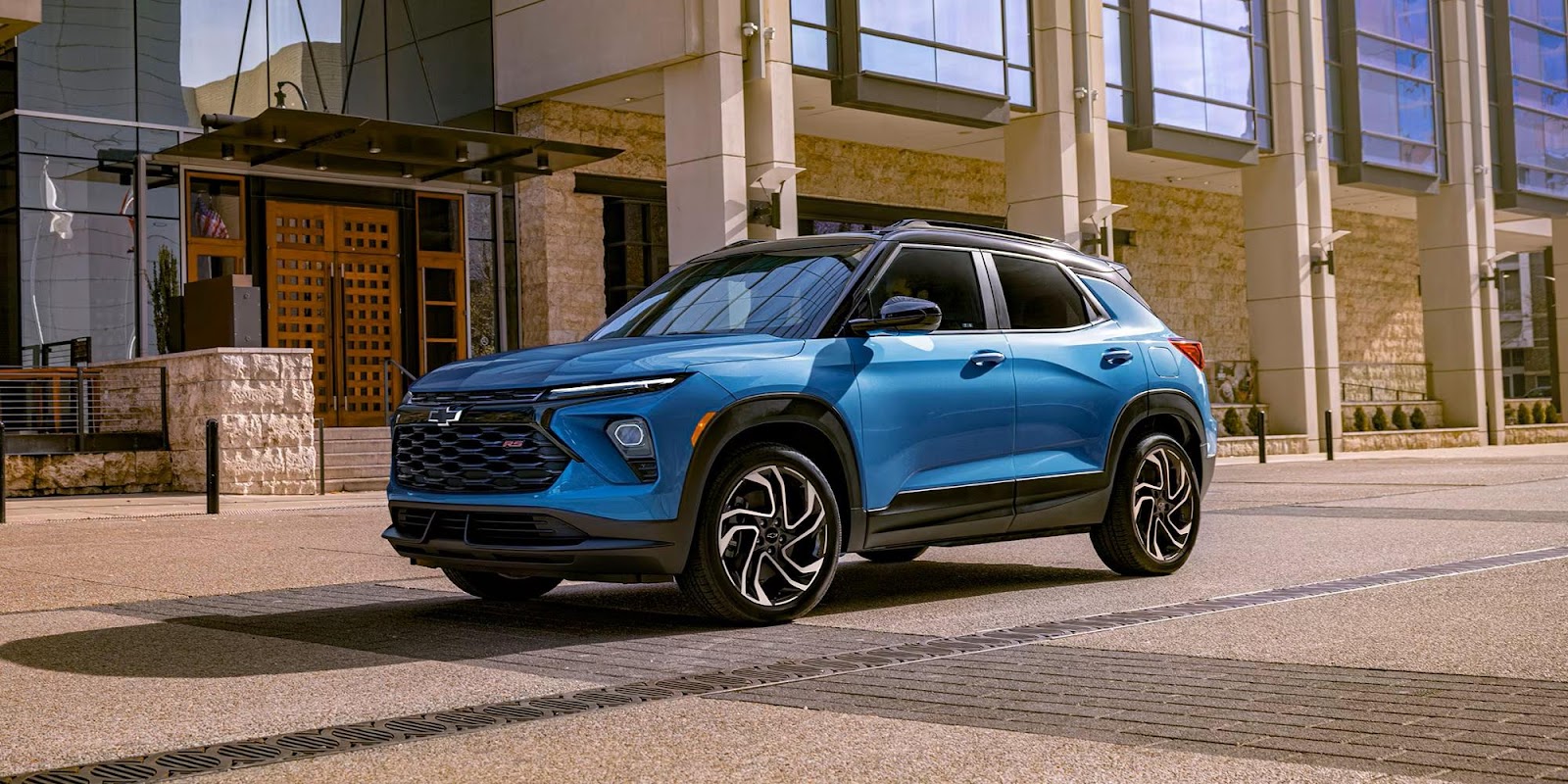 Performance & Fuel Efficiency
The Trailblazer and Equinox offer different engine options for different driving styles.
Chevy Trailblazer Performance- Standard Engine: 1.2L turbocharged three-cylinder, 137 hp, 162 lb-ft of torque
- Available Engine: 1.3L turbocharged three-cylinder, 155 hp, 174 lb-ft of torque
- Fuel Efficiency: Up to 29 MPG city / 33 MPG highway
- Available AWD for better handling in various conditions
- Engine: 1.5L turbocharged four-cylinder, 175 hp, 203 lb-ft of torque
- Fuel Efficiency: Up to 26 MPG city / 31 MPG highway
- Smoother ride quality with more power for highway driving
The Trailblazer excels in urban efficiency, while the Equinox provides more power and a smoother ride for long-distance driving.
Chevy Trailblazer vs. Equinox: Key Differences
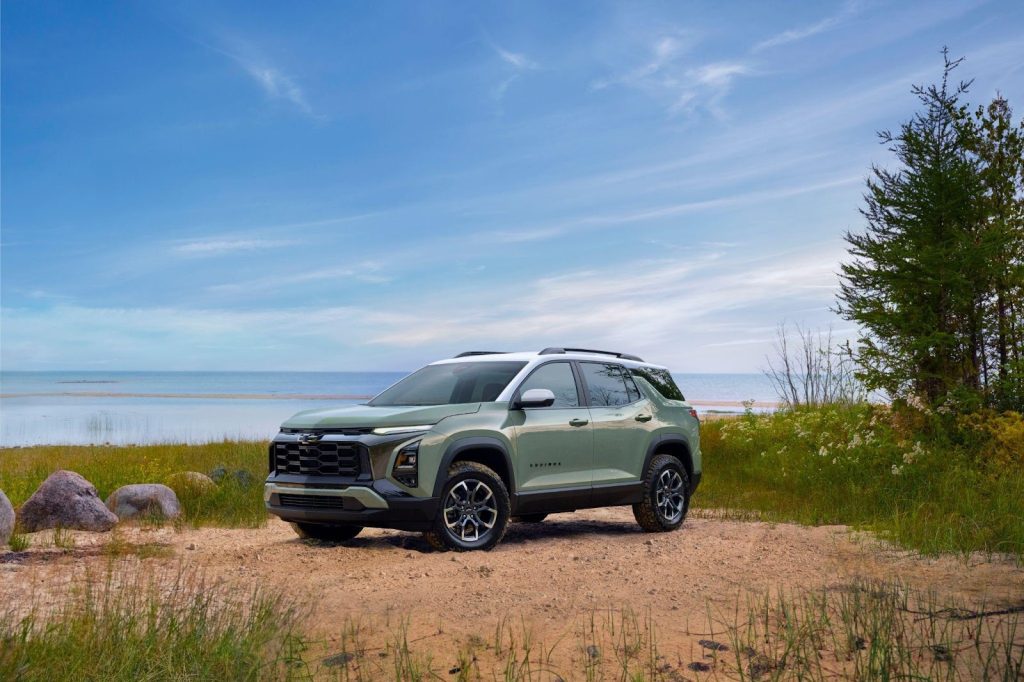
Chevy Trailblazer vs. Equinox: Which Crossover is Right for You?
If you’re in the market for a versatile crossover SUV, the Chevy Trailblazer and Chevy Equinox are two popular options. Both offer a balance of performance, technology, safety features, and Chevy reliability, making them excellent choices for a range of drivers. But which one is better for your lifestyle?
At Jet Chevrolet, part of Dinsmore Auto Group, we understand how important it is to compare key features like interior, cargo space, off-road capabilities, and overall driving experience. This detailed breakdown will help you decide between the Trailblazer and Equinox.
Chevy Trailblazer vs. Equinox: Key Differences
While both vehicles share Chevrolet’s commitment to quality and reliability, they serve different needs. The Trailblazer is a compact crossover with a sporty design, while the Equinox is a slightly larger, family-friendly SUV with more room and power.
Chevy Trailblazer Interior & Cargo Space
- Seating for up to five passengers
- 39.4 inches of rear legroom
- Cargo space: 25.3 cubic feet behind the second row, expanding to 54.4 cubic feet with seats folded
- Sporty, driver-focused cabin with modern tech
Chevy Equinox Interior & Cargo Space
- More spacious, also seats five passengers
- 39.9 inches of rear legroom
- Cargo space: 29.9 cubic feet behind the second row, expanding to 63.9 cubic feet with seats folded
- Premium feel with soft-touch materials and larger touchscreen options
Verdict: If you need more cargo space and a slightly more refined interior, the Equinox is the better choice. However, if you prefer a smaller, more city-friendly SUV with ample space, the Trailblazer holds its own.
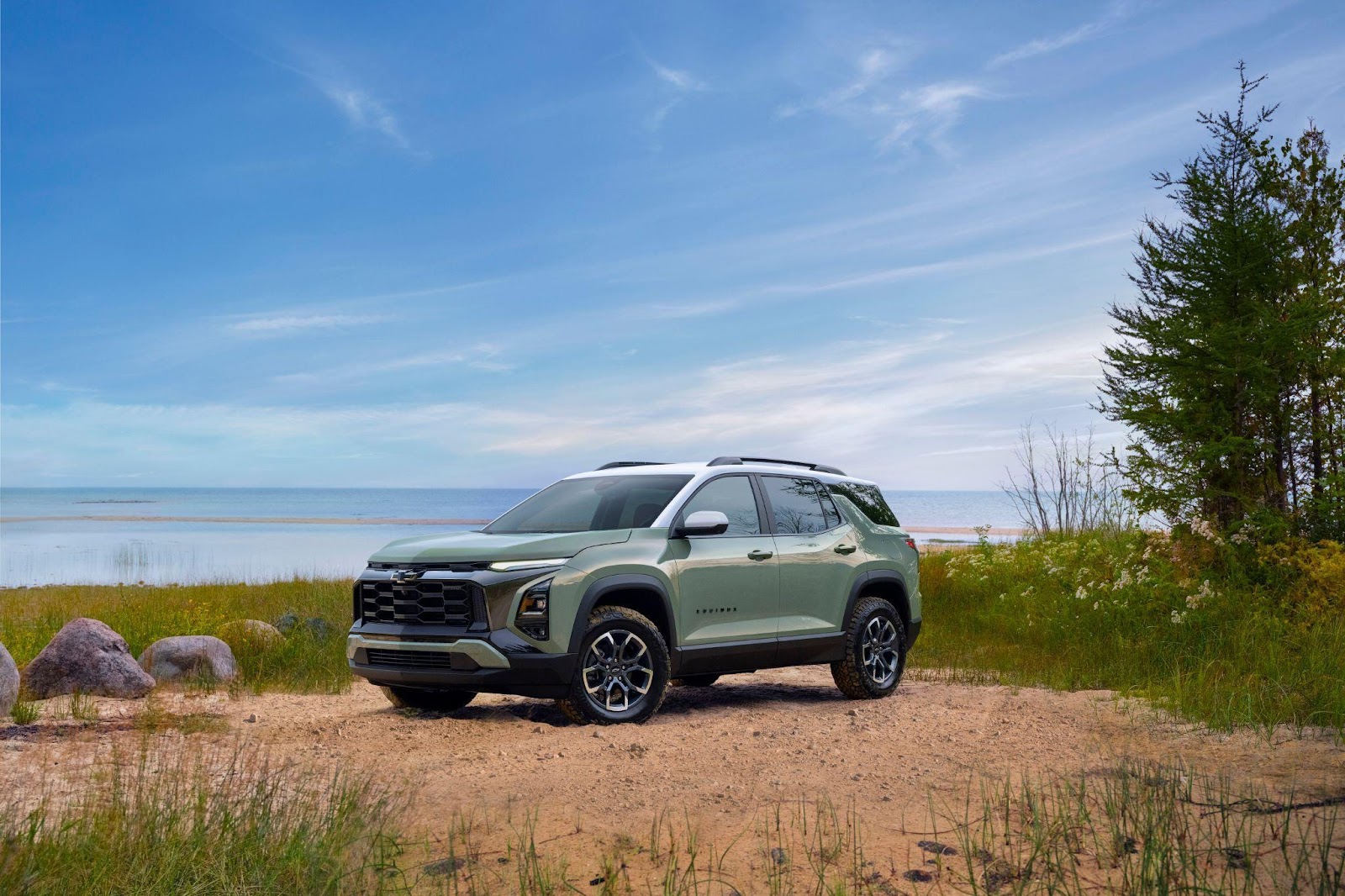
Performance & Fuel Efficiency
The Trailblazer and Equinox offer different engine options for different driving styles.
Chevy Trailblazer Performance
- Standard Engine: 1.2L turbocharged three-cylinder, 137 hp, 162 lb-ft of torque
- Available Engine: 1.3L turbocharged three-cylinder, 155 hp, 174 lb-ft of torque
- Fuel Efficiency: Up to 29 MPG city / 33 MPG highway
- Available AWD for better handling in various conditions
Chevy Equinox Performance
- Engine: 1.5L turbocharged four-cylinder, 175 hp, 203 lb-ft of torque
- Fuel Efficiency: Up to 26 MPG city / 31 MPG highway
- Smoother ride quality with more power for highway driving
Verdict: The Trailblazer excels in urban efficiency, while the Equinox provides more power and a smoother ride for long-distance driving.
Technology & Features
Both models feature Chevrolet’s latest technology, offering connectivity and convenience features designed for modern drivers.
Chevy Trailblazer Technology
- Standard Chevrolet Infotainment 3 system with a 7-inch touchscreen
- Apple CarPlay® and Android Auto™ integration
- Wireless smartphone charging (available)
- Wi-Fi hotspot capability
Chevy Equinox Technology
- Standard Chevrolet Infotainment 3 system with a larger 7- or 8-inch touchscreen
- Apple CarPlay® and Android Auto™
- Available Bose premium audio system
- Hands-free power liftgate (available)
Verdict: The Equinox offers a few more premium tech upgrades, but the Trailblazer keeps pace with impressive connectivity options.
Safety Features & Chevy Reliability
Chevrolet is known for reliable, safe vehicles, and both models come with a strong lineup of standard and available safety technologies.
Standard Safety Features on Both Models
- Chevy Safety Assist (includes Automatic Emergency Braking, Lane Keep Assist, and Forward Collision Alert)
- Rear Vision Camera
- Teen Driver Technology
Additional Available Safety Features
- Adaptive Cruise Control (Equinox only)
- HD Surround Vision (Equinox only)
- Rear Park Assist (both models)
Verdict: The Equinox offers more advanced safety features, making it a great option for families, while the Trailblazer still offers impressive standard safety for its class.
Off-Road Capabilities
For those who love adventure, off-road capabilities may be a deciding factor.
Chevy Trailblazer Off-Road Features
- Available ACTIV trim with sport terrain tires and skid plates
- AWD available for better traction
- Compact size makes it easier to maneuver on rugged trails
Chevy Equinox Off-Road Features
- Available AWD for better grip on loose surfaces
- Not as off-road-focused as the Trailblazer, but handles well in inclement weather
Verdict: The Trailblazer ACTIV trim gives it an edge for light off-roading, while the Equinox is better suited for paved roads and occasional rough terrain.
Which Crossover Should You Choose?
If you’re looking for a compact, efficient, and adventure-ready SUV, the Chevy Trailblazer is a great option. On the other hand, if you want more cargo space, comfort, and advanced safety features, the Chevy Equinox is a strong contender.
At Jet Chevrolet, part of Dinsmore Auto Group, we have a wide selection of Trailblazer and Equinox models in stock. Check out our inventory and find the perfect crossover for your needs! Visit us today.
top-reasons-to-buy-a-used-camaro
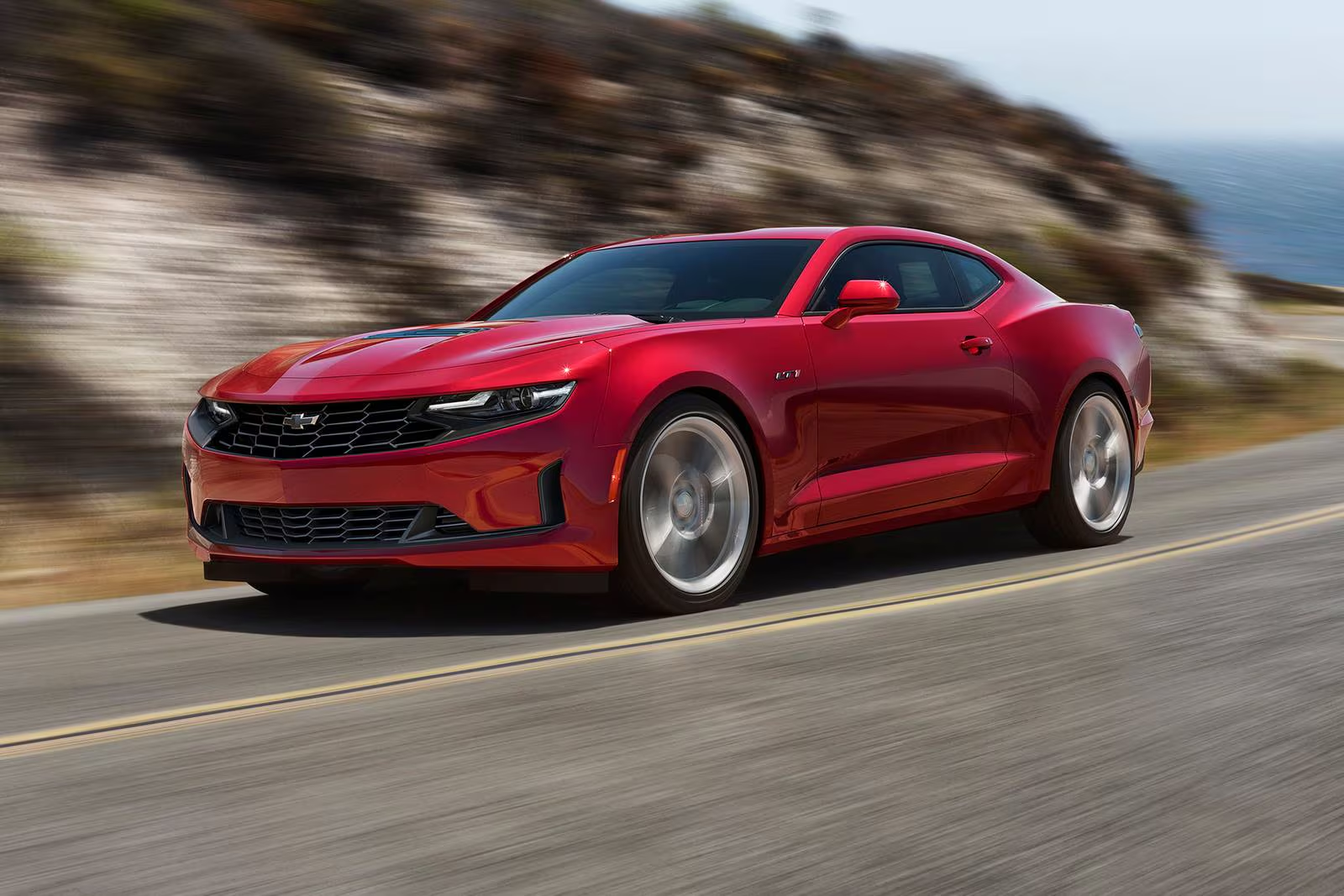 9. Strong Resale Value and Demand
 The Chevy Camaro maintains strong resale value, especially for well-maintained models with desirable trims and low mileage. Because of its high demand, selling or trading in a used Camaro is easier compared to many other sports cars.
Popular trims like the SS, ZL1, and 1LE performance package models tend to retain value better than base models, making them great long-term investments.
10. Wide Selection at Jet ChevroletIf youre looking for a high-quality used Camaro, Jet Chevrolet, part of Dinsmore Auto Group, offers an excellent selection of pre-owned models. Their certified pre-owned vehicles undergo rigorous inspections, ensuring top-notch quality and reliability.
With competitive pricing and financing options, Jet Chevrolet makes it easy to drive home in a used Camaro that fits your budget and driving preferences.
Final ThoughtsA used Chevy Camaro delivers power, performance, and technology at a more affordable price than a new model. Whether you’re looking for a track-ready muscle car or a stylish daily driver, a used Camaro offers exceptional value while avoiding the steep depreciation of a new car.
At Jet Chevrolet, part of
Dinsmore Auto Group, youll find quality pre-owned Camaros that have been inspected and serviced to meet high standards.
Visit our dealershiptoday and experience the thrill of owning a Camaro for yourself.
Instagram YouTube Facebook LinkedIn10 Reasons to Buy a Used Chevy Camaro
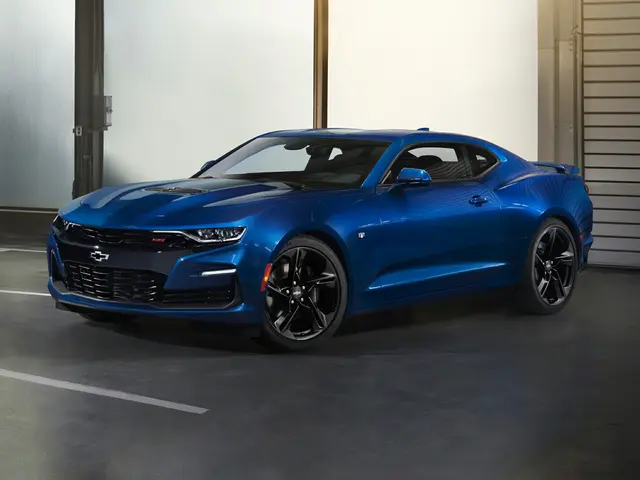
10 Reasons to Buy a Used Chevy Camaro
The Chevy Camaro has been an icon of American muscle cars for decades. Known for its aggressive styling, thrilling performance, and strong heritage, the Camaro is a top choice for those seeking a powerful yet affordable sports car. Buying a used Camaro is a smart investment that allows you to enjoy the benefits of performance, technology, and reliability—without the steep depreciation of a brand-new vehicle.
If you’re in the market for a used Chevy Camaro, Jet Chevrolet, part of Dinsmore Auto Group, offers a selection of well-maintained models to suit any driving style. Here are the top 10 reasons buying a used Camaro is a great decision.
1. Unmatched Camaro Performance
One of the Chevy Camaro’s biggest draws is its performance. Whether you choose a V6 or opt for the thrilling V8 in the SS or ZL1 trims, a used Camaro offers incredible horsepower, torque, and a track-ready experience. The 6.2L V8 engine in higher trims delivers up to 650 horsepower, ensuring an exhilarating ride at a fraction of the cost of a new model.
Even older Camaros come equipped with performance-enhancing features like Magnetic Ride Control, limited-slip differentials, and selectable drive modes, making them a powerful yet affordable muscle car option.
2. Lower Depreciation Costs
New cars lose value quickly, with some models depreciating by 20-30% in the first year alone. By purchasing a used Camaro, you avoid the steepest drop in depreciation.
A Camaro that’s a few years old still delivers impressive technology, safety features, and performance, but at a lower cost than a brand-new model. This makes it a cost-effective choice for those looking for a high-performance vehicle without the financial strain.
3. Modern Technology Features
A used Chevy Camaro doesn’t mean outdated technology. Even models from a few years ago feature Chevy’s Infotainment 3 system, a responsive touchscreen, Apple CarPlay and Android Auto, and premium Bose audio systems in higher trims.
Additionally, Camaro models from recent years come equipped with wireless charging, navigation, and customizable digital displays, ensuring you get a tech-savvy driving experience without paying new-car prices.
4. Classic Camaro History and Heritage
The Camaro’s history dates back to 1967 when it was introduced as a direct competitor to the Ford Mustang. Over the decades, the Camaro has evolved into one of the most beloved American muscle cars, delivering a perfect balance of style, power, and track-ready performance.
Buying a used Camaro means owning a piece of automotive history, whether you opt for the modern sixth-generation models or a throwback fifth-generation design. Camaro fans appreciate the legendary status of this car, and purchasing a pre-owned model lets you be part of that legacy.
5. A Popular and Recognizable Sports Car
Few cars command attention like the Chevy Camaro. With its aggressive stance, bold styling, and aerodynamic design, the Camaro is instantly recognizable on the road. Its popularity means you’ll find a variety of aftermarket customization options, allowing you to tailor your Camaro to fit your style.
A used Camaro not only turns heads but also offers a fun and thrilling ride, making it a favorite among sports car enthusiasts.
6. Chevy Reliability and Longevity
Chevrolet is known for producing reliable vehicles, and the Camaro is no exception. A well-maintained used Chevy Camaro can easily last for 100,000+ miles with proper care.
Routine maintenance, including oil changes, tire rotations, and transmission servicing, ensures that your Camaro delivers consistent performance and dependability. Buying from a trusted dealership like Jet Chevrolet provides peace of mind, as their used models are inspected and serviced to meet quality standards.
7. Affordable Insurance and Ownership Costs
Insurance rates on new sports cars can be high, but opting for a used Camaro can significantly lower those costs. Since insurance companies base premiums on vehicle value, older models are generally cheaper to insure than brand-new ones.
Additionally, buying a used vehicle means avoiding dealer fees and other new-car expenses, making ownership more affordable overall.
8. Safety Features That Keep You Protected
Despite being a high-performance sports car, the Chevy Camaro is equipped with advanced safety features to keep drivers and passengers secure. Models from recent years include:
- Forward Collision Alert
- Blind-Spot Monitoring
- Rear Cross-Traffic Alert
- Lane Departure Warning
Stabilitrak Electronic Stability Control
A used Camaro with these features provides modern safety technology, making it a secure choice for muscle car enthusiasts.
9. Strong Resale Value and Demand
The Chevy Camaro maintains strong resale value, especially for well-maintained models with desirable trims and low mileage. Because of its high demand, selling or trading in a used Camaro is easier compared to many other sports cars.
Popular trims like the SS, ZL1, and 1LE performance package models tend to retain value better than base models, making them great long-term investments.
10. Wide Selection at Jet Chevrolet
If you’re looking for a high-quality used Camaro, Jet Chevrolet, part of Dinsmore Auto Group, offers an excellent selection of pre-owned models. Their certified pre-owned vehicles undergo rigorous inspections, ensuring top-notch quality and reliability.
With competitive pricing and financing options, Jet Chevrolet makes it easy to drive home in a used Camaro that fits your budget and driving preferences.
Final Thoughts
A used Chevy Camaro delivers power, performance, and technology at a more affordable price than a new model. Whether you’re looking for a track-ready muscle car or a stylish daily driver, a used Camaro offers exceptional value while avoiding the steep depreciation of a new car.
At Jet Chevrolet, part of Dinsmore Auto Group, you’ll find quality pre-owned Camaros that have been inspected and serviced to meet high standards. Visit our dealership today and experience the thrill of owning a Camaro for yourself.
top-chevy-crossover-features
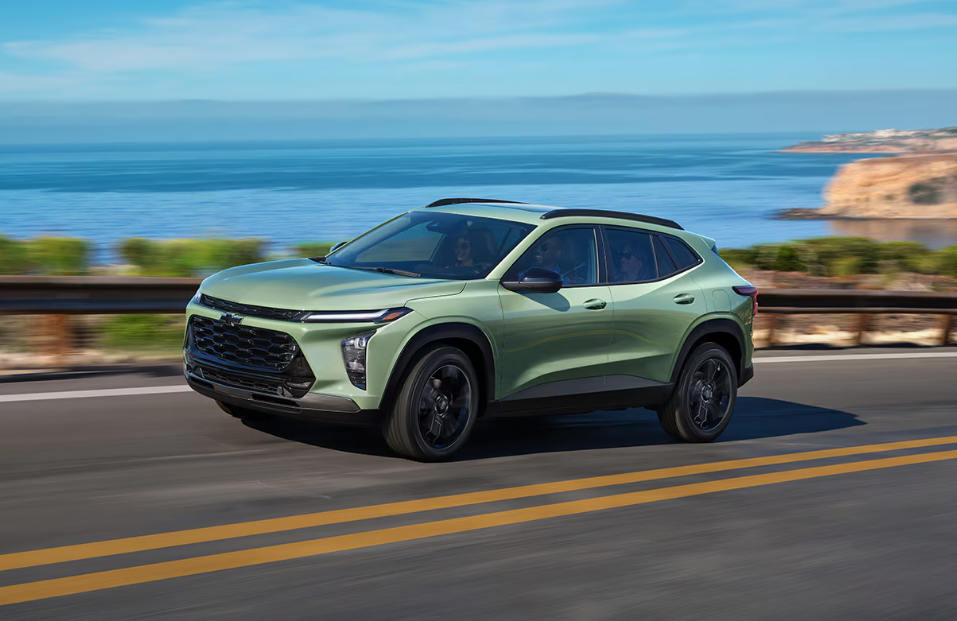 9. Teen Driver Technology
For families with young drivers,
Teen Driver Technologyprovides added peace of mind. This built-in system helps encourage safe driving habits by offering:
- Speed limit settings
- Audio volume limits
- Driving report cards for parental monitoring
This feature comes standard on many Chevy crossover SUVs, making it a great option for families.
10. Jet Chevrolet Inventory and Financing OptionsJet Chevrolet, part of
Dinsmore Auto Group, offers a wide selection of Chevy crossover SUVs to fit different lifestyles and budgets. Whether you’re interested in the Chevy Equinox, Trailblazer, Blazer, Traverse, or Trax, Jet Chevrolet provides competitive pricing and flexible financing options to help you drive home in the perfect vehicle.
Find Your Chevy Crossover SUV at Jet ChevroletChevy crossover SUVs excel in safety, technology, performance, and reliability, making them a top choice for drivers of all needs. If you’re searching for the best deals and latest models, Jet Chevrolet has a
robust inventoryready for you.
Visit Jet Chevrolet,part of Dinsmore Auto Group, to test drive a Chevy crossover today and experience these top features firsthand.
Instagram YouTube Facebook LinkedInTop 10 Features of Chevy Crossover SUVs
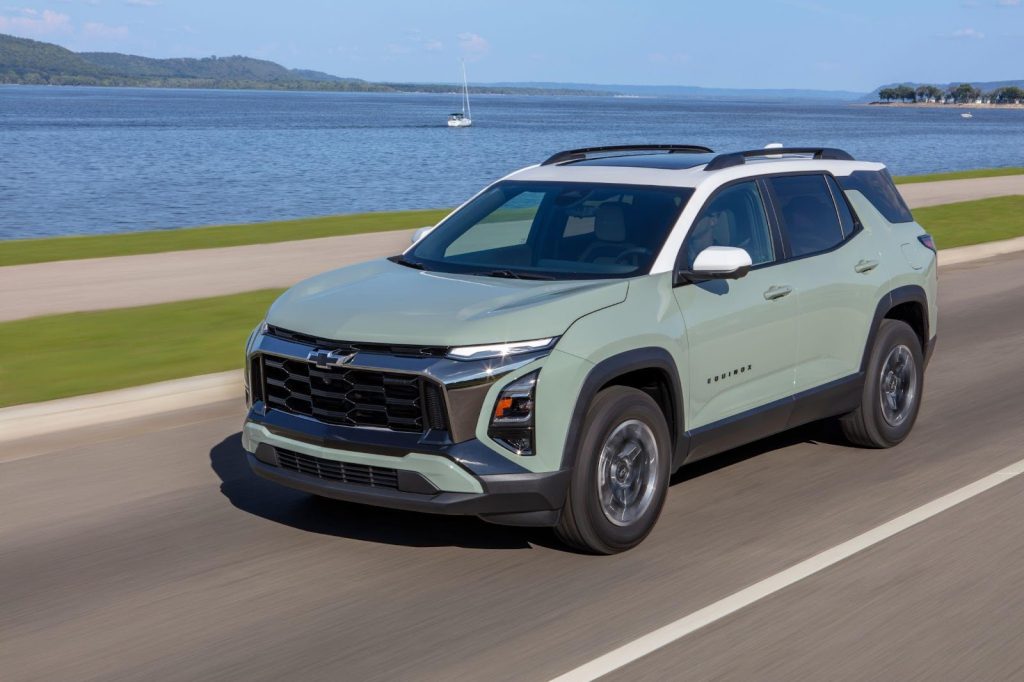
Top 10 Features of Chevy Crossover SUVs
Chevrolet has built a strong reputation for delivering reliable, high-performance vehicles with advanced technology and safety features. The Chevy crossover SUV lineup continues to impress drivers with its versatility, fuel efficiency, and innovative design. Whether you’re looking for a family-friendly ride or a vehicle that balances power and efficiency, Jet Chevrolet, part of Dinsmore Auto Group, has a diverse inventory of Chevy crossover SUVs to suit your needs. Here are the top 10 features that set Chevy crossover SUVs apart from the competition.
1. Advanced Safety Technology
Chevy is committed to safety, equipping its crossover SUVs with cutting-edge safety features. Many models come standard with Chevy Safety Assist, which includes:
- Forward Collision Alert
- Automatic Emergency Braking
- Lane Keep Assist with Lane Departure Warning
- Following Distance Indicator
- Front Pedestrian Braking
Additional available features like Adaptive Cruise Control and Rear Cross Traffic Alert enhance protection, making Chevy crossovers a smart choice for families and daily commuters.
2. Fuel Efficiency and Performance
Chevy crossover SUVs offer an excellent balance of fuel economy and performance. Models like the Chevy Equinox and Chevy Trailblazer boast impressive MPG ratings, helping you save at the pump without sacrificing power. For those needing extra horsepower, the Chevy Blazer and Chevy Traverse deliver robust performance with available V6 engines and all-wheel-drive options, ensuring a smooth and responsive ride.
3. Chevy Infotainment System
The Chevy Infotainment System provides seamless connectivity and entertainment. Features include:
- A user-friendly touchscreen display
- Apple CarPlay and Android Auto integration
- Bluetooth connectivity
- Available built-in navigation
Many Chevy crossovers also offer wireless charging and Wi-Fi hotspot capability, keeping drivers and passengers connected on the go.
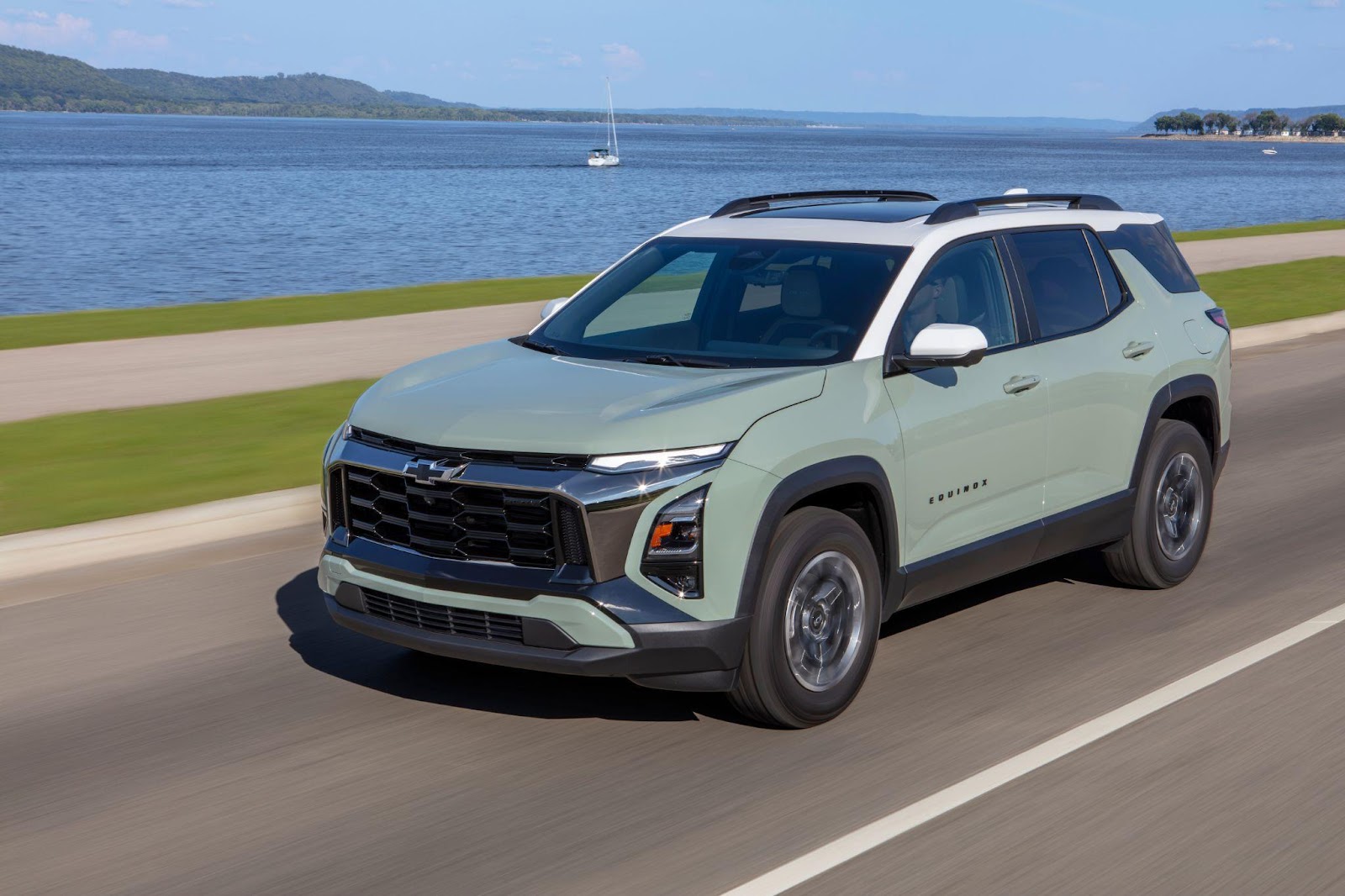
4. Spacious and Comfortable Interiors
Chevy crossovers are designed for comfort, with spacious cabins and premium materials. The Chevy Traverse stands out with its three-row seating, accommodating up to eight passengers. Even compact models like the Chevy Trax provide ample cargo space with adjustable rear seats, making them ideal for road trips and everyday commutes.
5. Chevy Reliability and Durability
Chevy is known for producing reliable and durable vehicles. With a legacy of dependability, the Chevy crossover SUV lineup is built to last. Routine maintenance and service are easy with Jet Chevrolet, ensuring long-term performance and peace of mind for drivers.
6. Turbocharged Engine Options
For drivers who enjoy a mix of efficiency and power, several Chevy crossovers offer turbocharged engines. The Chevy Equinox features an available 1.5L turbo engine, delivering a responsive drive while maintaining excellent fuel economy. The Chevy Blazer RS ups the ante with an available 3.6L V6 engine, providing exhilarating performance for those who want extra power.
7. All-Wheel Drive Capability
Whether you’re driving in rainy conditions or tackling off-road adventures, Chevy’s all-wheel-drive (AWD) system enhances traction and control. Available on models like the Chevy Trailblazer, Equinox, and Blazer, AWD helps drivers navigate challenging terrains while maintaining fuel efficiency.
8. Hands-Free Power Liftgate
Convenience is key in the Chevy crossover SUV lineup. Many models offer an available hands-free power liftgate, allowing drivers to access the cargo area with a simple foot motion under the rear bumper. This feature is especially useful when loading groceries, luggage, or gear.
9. Teen Driver Technology
For families with young drivers, Teen Driver Technology provides added peace of mind. This built-in system helps encourage safe driving habits by offering:
- Speed limit settings
- Audio volume limits
- Driving report cards for parental monitoring
This feature comes standard on many Chevy crossover SUVs, making it a great option for families.
10. Jet Chevrolet Inventory and Financing Options
Jet Chevrolet, part of Dinsmore Auto Group, offers a wide selection of Chevy crossover SUVs to fit different lifestyles and budgets. Whether you’re interested in the Chevy Equinox, Trailblazer, Blazer, Traverse, or Trax, Jet Chevrolet provides competitive pricing and flexible financing options to help you drive home in the perfect vehicle.
Find Your Chevy Crossover SUV at Jet Chevrolet
Chevy crossover SUVs excel in safety, technology, performance, and reliability, making them a top choice for drivers of all needs. If you’re searching for the best deals and latest models, Jet Chevrolet has a robust inventory ready for you. Visit Jet Chevrolet, part of Dinsmore Auto Group, to test drive a Chevy crossover today and experience these top features firsthand.
choose-chevy-for-your-fleet-needs
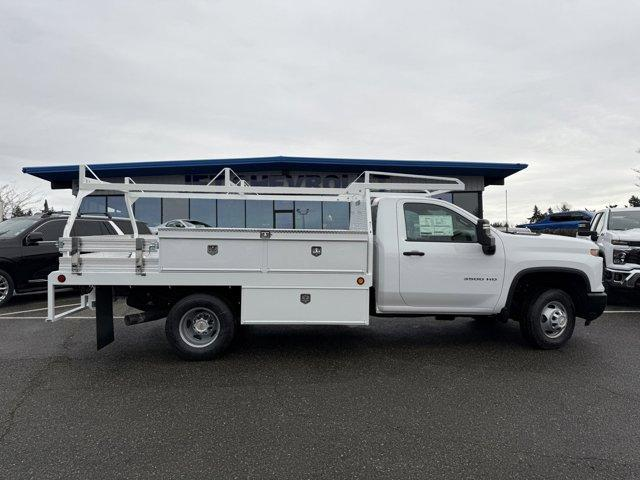 Customization Options for Every Industry
Every business has unique needs, and Chevy commercial vehicles offer extensive customization options to meet industry-specific requirements. Whether your company is in construction, logistics, landscaping, or mobile services, Chevys upfit solutions provide tailored configurations to maximize productivity.
- Utility and Service Bodies Ideal for contractors and field service businesses.
- Refrigeration Units Great for food delivery and perishable transport companies.
- Dump Beds Perfect for landscaping and construction businesses.
- Cargo Racks & Storage Systems Customizable solutions for trade professionals needing organized transport for tools and equipment.
Jet Chevrolet, part of
Dinsmore Auto Group, provides expert assistance in selecting and configuring Chevy fleet trucks to fit your businesss exact specifications.
Nationwide Support and Warranty CoverageA reliable fleet doesnt just depend on the initial purchaseit requires ongoing support and service. Chevy commercial vehicles come with industry-leading warranty coverage and access to a vast network of certified service centers nationwide.
- 3-year/36,000-mile bumper-to-bumper warranty
- 5-year/100,000-milepowertrain warrantyon diesel models
- Roadside assistance programs for added peace of mind
- Comprehensive fleet maintenance plans to minimize downtime and unexpected repair costs
With Jet Chevrolets
commitment to serviceexcellence, businesses can confidently invest in Chevy fleet trucks knowing theyll receive long-term support and maintenance.
Why Choose Jet Chevrolet for Your Fleet Needs?
As part of Dinsmore Auto Group, Jet Chevrolet offers businesses the advantage of working with a trusted dealership that understands the complexities of fleet management. Their team provides expert guidance on selecting the right
Chevy commercial vehicles, financing options, and fleet maintenance solutions. Whether you need a single vehicle or a full fleet upgrade, Jet Chevrolet ensures a seamless purchasing experience backed by professional service.
Final ThoughtsInvesting in Chevy fleet trucks is a strategic decision for businesses that prioritize reliability, efficiency, and cost-effectiveness. With a diverse lineup of commercial vehicles, flexible fleet financing options, and industry-leading support, Chevy delivers the ideal fleet solutions for any business. Jet Chevrolet and Dinsmore Auto Group are dedicated to helping businesses find the right vehicles to keep their operations running smoothly.
Visit Jet Chevrolettoday to learn more about how Chevy commercial vehicles can benefit your fleet.
InstagramYouTube Facebook LinkedIn
Benefits of Chevy Fleet Trucks for Your Business
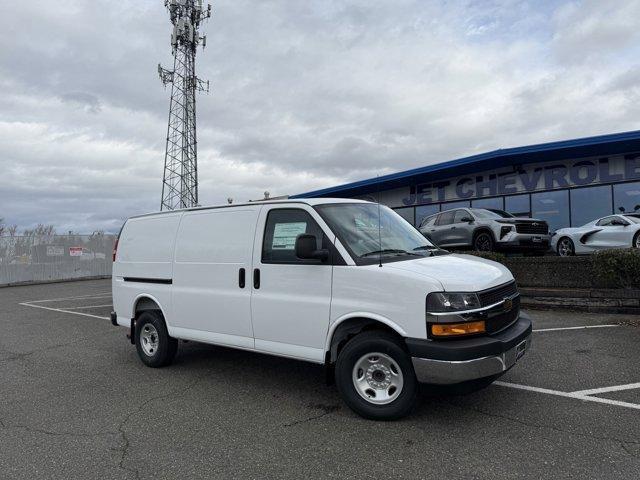
The Benefits of Choosing Chevy for Your Fleet Truck Needs
For businesses that rely on dependable, high-performing vehicles, selecting the right fleet trucks is a critical decision. Whether you need work-ready pickups, cargo vans, or specialized commercial vehicles, Chevy stands out as a top choice. Jet Chevrolet, part of Dinsmore Auto Group, offers a wide range of Chevy commercial vehicles designed to meet diverse business needs. From Chevy’s renowned reliability to flexible fleet financing options, here’s why Chevy fleet trucks are the smart investment for your company.
Chevy’s Reputation for Reliability
When it comes to fleet trucks, reliability is non-negotiable. Chevy has built a long-standing reputation for producing durable, hardworking trucks that can withstand daily wear and tear. Businesses need vehicles that keep operations running smoothly, and Chevy delivers with advanced engineering and long-lasting performance.
Models like the Chevrolet Silverado 1500 and Silverado 2500HD are built to handle heavy loads, tough job sites, and demanding work schedules. With high-strength steel frames, powerful engine options, and cutting-edge safety features, these fleet trucks ensure durability and efficiency for any business.
A Wide Range of Chevy Commercial Vehicles
One of the biggest advantages of choosing Chevy for your fleet is the extensive lineup of commercial vehicles. Whether your business requires pickup trucks, cargo vans, or specialty upfits, Chevy has a model to suit your needs.
- Chevy Silverado Lineup – Ideal for towing, hauling, and handling rugged terrain, Silverado models offer varying payload capacities and engine options.
- Chevy Express Cargo Vans – A great choice for delivery services, tradespeople, and mobile businesses requiring ample storage space and accessibility.
- Chevy Colorado – A midsize truck that provides excellent fuel efficiency and maneuverability while still offering solid towing capabilities.
- Chevy Low Cab Forward Trucks – Perfect for businesses needing a customizable chassis for various upfit solutions.
Jet Chevrolet ensures businesses can find the right commercial vehicles to optimize their operations and efficiency.
Cost-Effective Fleet Financing Solutions
Budget constraints are often a major factor when acquiring fleet trucks. Dinsmore Auto Group, through Jet Chevrolet, offers flexible fleet financing options that help businesses get the vehicles they need without straining cash flow. Chevy’s fleet programs provide attractive leasing options, competitive interest rates, and tax incentives that can make a big difference in cost savings.
- Some benefits of Chevy fleet financing include:
- Flexible lease terms tailored to business needs
- Tax advantages for commercial vehicle owners
- Volume-based pricing for businesses purchasing multiple units
- Fleet maintenance plans to manage long-term operational cost
By working with Jet Chevrolet and Dinsmore Auto Group, businesses can find the most cost-effective solutions for expanding their vehicle fleet.
Fuel Efficiency and Lower Ownership Costs
For businesses managing multiple vehicles, fuel efficiency is a significant concern. Chevy’s commercial lineup includes fuel-efficient engine options, including diesel and hybrid powertrains, that help reduce long-term operating expenses.
Models like the Chevrolet Silverado 1500 with a Duramax diesel engine provide impressive fuel economy while maintaining towing capacity. Additionally, Chevy vehicles are known for lower-than-average maintenance costs, making them a practical investment for companies looking to optimize their transportation budgets.
Advanced Technology and Safety Features
Chevy fleet trucks are equipped with state-of-the-art technology to improve safety, efficiency, and overall productivity. From driver-assist features to connectivity solutions, Chevy commercial vehicles are designed with modern businesses in mind.
- Chevy Safety Assist – Includes lane departure warning, forward collision alerts, and automatic emergency braking to keep drivers secure on the road.
- Fleet Telematics Systems – Helps businesses track vehicle performance, monitor driver behavior, and optimize route efficiency.
- Apple CarPlay & Android Auto – Keeps drivers connected while maintaining focus on the job.
- OnStar Business Solutions – Provides emergency support, vehicle diagnostics, and fleet tracking to streamline operations.
These features not only enhance driver safety but also contribute to increased efficiency and reduced downtime, making Chevy fleet trucks an intelligent choice for business owners.
Customization Options for Every Industry
Every business has unique needs, and Chevy commercial vehicles offer extensive customization options to meet industry-specific requirements. Whether your company is in construction, logistics, landscaping, or mobile services, Chevy’s upfit solutions provide tailored configurations to maximize productivity.
- Utility and Service Bodies – Ideal for contractors and field service businesses.
- Refrigeration Units – Great for food delivery and perishable transport companies.
- Dump Beds – Perfect for landscaping and construction businesses.
- Cargo Racks & Storage Systems – Customizable solutions for trade professionals needing organized transport for tools and equipment.
Jet Chevrolet, part of Dinsmore Auto Group, provides expert assistance in selecting and configuring Chevy fleet trucks to fit your business’s exact specifications.
Nationwide Support and Warranty Coverage
A reliable fleet doesn’t just depend on the initial purchase—it requires ongoing support and service. Chevy commercial vehicles come with industry-leading warranty coverage and access to a vast network of certified service centers nationwide.
- 3-year/36,000-mile bumper-to-bumper warranty
- 5-year/100,000-mile powertrain warranty on diesel models
- Roadside assistance programs for added peace of mind
- Comprehensive fleet maintenance plans to minimize downtime and unexpected repair costs
With Jet Chevrolet’s commitment to service excellence, businesses can confidently invest in Chevy fleet trucks knowing they’ll receive long-term support and maintenance.
Why Choose Jet Chevrolet for Your Fleet Needs?
As part of Dinsmore Auto Group, Jet Chevrolet offers businesses the advantage of working with a trusted dealership that understands the complexities of fleet management. Their team provides expert guidance on selecting the right Chevy commercial vehicles, financing options, and fleet maintenance solutions. Whether you need a single vehicle or a full fleet upgrade, Jet Chevrolet ensures a seamless purchasing experience backed by professional service.
Final Thoughts
Investing in Chevy fleet trucks is a strategic decision for businesses that prioritize reliability, efficiency, and cost-effectiveness. With a diverse lineup of commercial vehicles, flexible fleet financing options, and industry-leading support, Chevy delivers the ideal fleet solutions for any business. Jet Chevrolet and Dinsmore Auto Group are dedicated to helping businesses find the right vehicles to keep their operations running smoothly. Visit Jet Chevrolet today to learn more about how Chevy commercial vehicles can benefit your fleet.
silverado-3500-faq
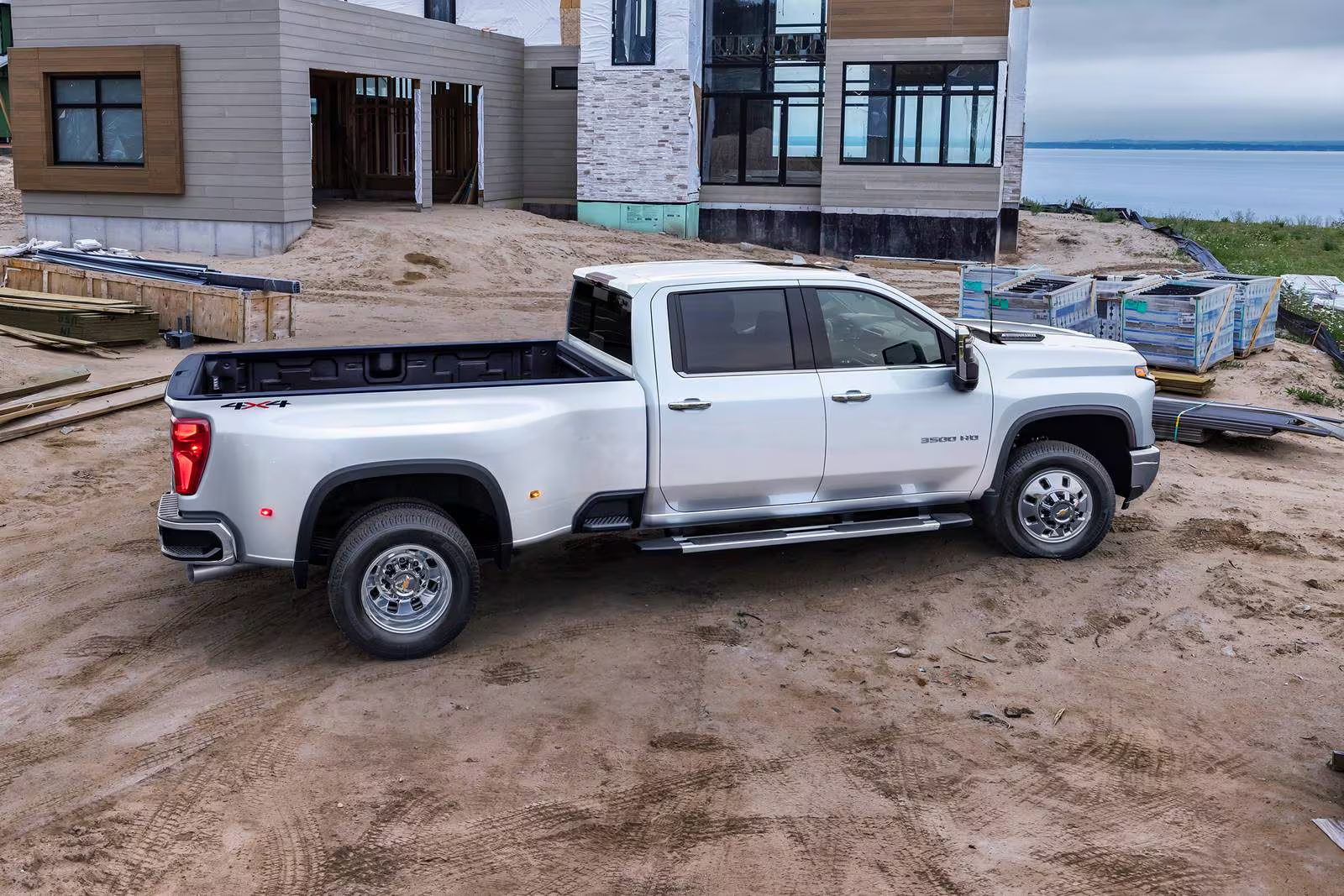 What safety features are in the Silverado 3500?
 Safety is a priority in the Silverado 3500, which includes:
- Advanced Driver Assistance Systems: Features such as Forward Collision Alert, Automatic Emergency Braking, and Lane Departure Warning help prevent accidents.
- Rear Vision Camera: Provides a clear view behind the vehicle to assist with parking and avoiding obstacles.
- Available Safety Alert Seat: Vibrates to alert the driver of potential hazards detected by the vehicle’s safety systems.
Jet Chevrolet,
located at 35700 Enchanted Parkway S, Federal Way, WA 98003, is a proud member of the Dinsmore Auto Group and offers a wide selection of Chevy Silverado 3500 trucks. Our knowledgeable staff is ready to assist you in finding the perfect configuration to meet your needs.
Does Jet Chevrolet offer financing options?Yes, Jet Chevrolet provides a variety of
financing optionsto suit different budgets and credit situations. Our finance team works with multiple lenders to secure competitive rates and terms for our customers.
Is vehicle servicing available at Jet Chevrolet?Absolutely. Jet Chevrolet has a state-of-the-art service department staffed with certified technicians who are equipped to handle all your maintenance and repair needs, ensuring yourSilverado 3500remains in optimal condition.
Find Your Chevy Silverado 3500 at Jet ChevroletFor more information or to schedule a test drive, visit Jet Chevrolet, a proud member of
Dinsmore Auto Group. Our expert team is ready to help you find the perfect Chevy
Silverado 3500to meet your needs, whether for work, towing, or daily driving.
Contact us today or visit our showroom to experience the power, capability, and advanced features of the Silverado 3500 firsthand!
InstagramYouTube
Connect with us


- July 2026
- June 2026
- May 2026
- April 2026
- March 2026
- February 2026
- January 2026
- December 2025
- November 2025
- October 2025
- September 2025
- August 2025
- July 2025
- June 2025
- May 2025
- April 2025
- March 2025
- February 2025
- January 2025
- November 2024
- October 2024
- September 2024
- August 2024
- July 2024
- June 2024
- May 2024
- April 2024
- March 2024
- February 2024
Archives
- Chevrolet near me
- Chevrolet Safety
- Chevrolet Silverado
- Chevrolet Trailblazer
- Chevrolet Trax
- Chevy Blazer EV
- Chevy Bolt
- Chevy Colorado
- Chevy Equinox EV
- Chevy Finance
- Chevy Silverado EV
- Chevy SUV
- Chevy Tahoe
- Commercial Fleet
- Federal Way Chevrolet Dealer
- Federal Way Chevrolet Service
- Federal Way Used Cars
- Jet Chevrolet
- Jet Chevrolet Service
- Uncategorized