





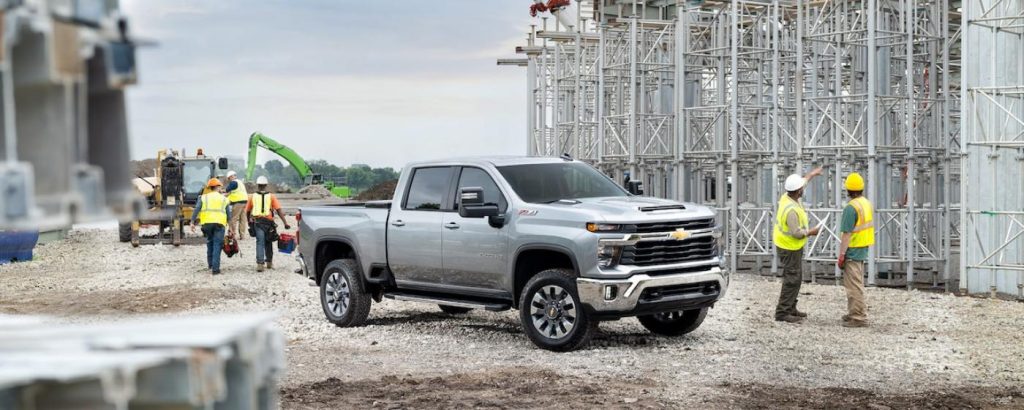
When a business is small, having work trucks that can handle a little bit of everything can make sense. The same pickup might haul materials one day, tow equipment the next, and carry a supervisor between job sites later in the week.
As the business grows, those roles can become more distinct. Crews may take on different types of work, service areas may expand, and certain vehicles may spend most of their time performing one specific job. At that point, it may be worth asking whether every vehicle in the fleet still needs to do everything.
Why Versatility Works for Smaller Fleets
Versatile vehicles give a small business flexibility. When there are only a few trucks available, being able to move them between employees and jobs can be useful. It can also simplify fleet decisions. Instead of maintaining several highly specialized vehicle types, a business can use similar trucks across different assignments.
But growth can change that equation. A vehicle that’s capable of several tasks isn’t necessarily the vehicle every role requires.
Look at the Roles Within Your Fleet
Rather than looking at the fleet as one group of vehicles, consider what each truck actually does during a typical week.
A growing contractor might have vehicles serving very different purposes:
- Crew vehicles traveling between active job sites
- Supervisor trucks used primarily for site visits and meetings
- Trucks regularly towing equipment or trailers
- Service vehicles handling smaller calls throughout the day
- Vehicles transporting materials or supplies
These roles don’t automatically require different vehicles. But identifying them can reveal where the fleet has become more specialized even if the vehicles haven’t.
When Dedicated Vehicles May Make Sense
Specialization becomes worth considering when a vehicle repeatedly performs the same type of work.
For example, if one truck regularly pulls an equipment trailer, the requirements for that vehicle may differ from a supervisor’s truck that spends most of its time traveling between sites. Likewise, a service technician making multiple stops each day may have different vehicle needs than a crew transporting equipment to a long-term project.
The goal isn’t to create a different vehicle for every employee. It’s to recognize when a particular role has become consistent enough that choosing a vehicle around that role may be practical.
There Are Advantages to Keeping Vehicles Similar
A more specialized fleet isn’t always the answer.
Using similar vehicles can make it easier to move drivers between trucks when schedules change or a vehicle is unavailable. Drivers may also be more familiar with controls and operating characteristics when vehicles are similarly equipped.
For some businesses, that flexibility is more valuable than having vehicles tailored to individual roles. That’s why fleet specialization should follow the needs of the business rather than growth alone.
Watch for Changes in the Business
The vehicles that worked when a company had five employees may not reflect what it needs with 20. New services, larger projects, additional crews, wider service territories, and different equipment can all change how company vehicles are used.
Instead of automatically replacing an existing truck with a similar one, use the purchase as an opportunity to look at the role that vehicle will fill now. Ask what it will do most often, who will use it, where it will operate, and whether its responsibilities are different from the rest of the fleet.
Build the Fleet Around the Work
There is no ideal mix of commercial vehicles that applies to every growing business.
Some companies benefit from keeping most of their vehicles interchangeable. Others reach a point where different crews and responsibilities call for different types or configurations of work vehicles. Many fleets will use a combination of both approaches.
The important part is making those decisions based on how the business actually operates rather than assuming every new vehicle should match the last one.
Is your growing business adding or replacing work vehicles? Connect with the Jet Chevrolet team at (253) 336-4216 to discuss your commercial vehicle needs.
Do More. Save More. Experience MORE.
Final Thoughts
Growth doesn’t necessarily mean a business needs more types of vehicles. But it can change the jobs those vehicles are expected to perform.
Taking a closer look at the roles within your fleet can help determine where versatility still makes sense and where a more dedicated vehicle may better match the work.
As your business changes, your fleet should continue to reflect the work your crews actually do.
Connect with us


- August 2026
- July 2026
- June 2026
- May 2026
- April 2026
- March 2026
- February 2026
- January 2026
- December 2025
- November 2025
- October 2025
- September 2025
- August 2025
- July 2025
- June 2025
- May 2025
- April 2025
- March 2025
- February 2025
- January 2025
- November 2024
- October 2024
- September 2024
- August 2024
- July 2024
- June 2024
- May 2024
- April 2024
- March 2024
- February 2024
Archives
- Chevrolet near me
- Chevrolet Safety
- Chevrolet Silverado
- Chevrolet Trailblazer
- Chevrolet Trax
- Chevy Blazer EV
- Chevy Bolt
- Chevy Colorado
- Chevy Equinox EV
- Chevy Finance
- Chevy Silverado EV
- Chevy SUV
- Chevy Tahoe
- Commercial Fleet
- Federal Way Chevrolet Dealer
- Federal Way Chevrolet Service
- Federal Way Used Cars
- Jet Chevrolet
- Jet Chevrolet Service
- Uncategorized