





Most business owners know what their vehicle payment is.
Many know roughly what they spend on fuel.
Some know their maintenance costs.
But very few know the true cost of vehicle downtime.
Whether you own a plumbing company in Tacoma, an HVAC business in Kent, an electrical contracting company in Renton, or a construction firm serving the greater Seattle area, downtime is often one of the largest hidden expenses in your operation.
The surprising part?
The repair bill is usually the smallest part of the problem.
What Is Fleet Downtime?
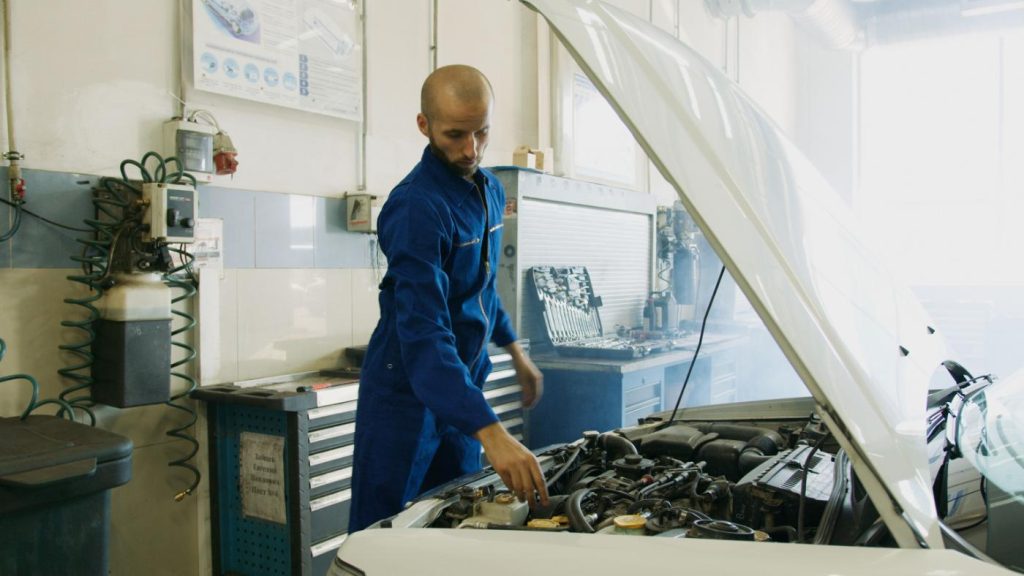
Fleet downtime occurs anytime a vehicle is unavailable to perform its intended function.
Examples include:
- Waiting for repairs
- Scheduled maintenance
- Parts delays
- Accidents
- Tire failures
- Mechanical breakdowns
- Electrical issues
Most businesses focus on the direct repair expense.
However, the indirect costs often have a much larger impact on profitability.
The Domino Effect of a Broken Vehicle
Imagine a service van breaks down Monday morning.
At first glance, the problem appears simple: The repair estimate is $1,500.
Most business owners stop there,
Unfortunately, that isn’t the actual cost.
Let’s look deeper.
Lost Revenue
If a technician normally completes:
- 5 service calls per day
- $400 average revenue per call
That vehicle may generate approximately $2,000 in revenue per day. If repairs take three days, the lost opportunity could be significant.
Even if some work is rescheduled, many businesses still experience disruptions to revenue production.
Employee Productivity Doesn’t Stop Costing You
When vehicles go down, payroll often continues.
Employees may be:
- Waiting for transportation
- Sharing vehicles
- Rescheduling appointments
- Making additional trips
- Working inefficiently
The company continues paying wages while productivity decreases.
For growing companies, these hidden labor costs can quickly exceed repair expenses.
Customer Experience Suffers
Most businesses work hard to earn customer trust.
Vehicle downtime can create:
- Delayed appointments
- Rescheduled installations
- Longer response times
- Reduced service availability
Customers may not remember why their appointment was delayed. They simply remember that it happened.
For service-based businesses, customer experience often drives referrals and repeat business.
Emergency Vehicle Purchases Are Rarely Good Business Decisions
One of the most common patterns we see among growing companies is reactive purchasing.
A vehicle fails.
The business suddenly needs transportation.
The owner buys whatever is available.
Unfortunately, emergency purchases often lead to:
- Higher costs
- Limited inventory options
- Poor vehicle fit
- Financing pressure
Buying a vehicle under pressure can limit your inventory choices and lead to higher long-term operating costs.
Establishing a proactive fleet plan ensures you secure the exact configurations your crew requires, without compromising your budget or financing terms.
Consult with a commercial vehicle expert and call our fleet team at (253) 336-4216 to discuss strategic replacement planning and check current regional vehicle availability.
How Downtime Impacts Recruiting
Many owners don’t realize that vehicles affect employee retention.
Imagine two technicians.
One works for a company with:
- Reliable vehicles
- Consistent maintenance
- Professional equipment
The other regularly deals with:
- Breakdowns
- Check engine lights
- Unreliable transportation
Which company is more likely to retain talent?
Reliable equipment communicates that leadership values employee success.
That matters in today’s competitive labor market.
The Seattle-Tacoma Traffic Factor
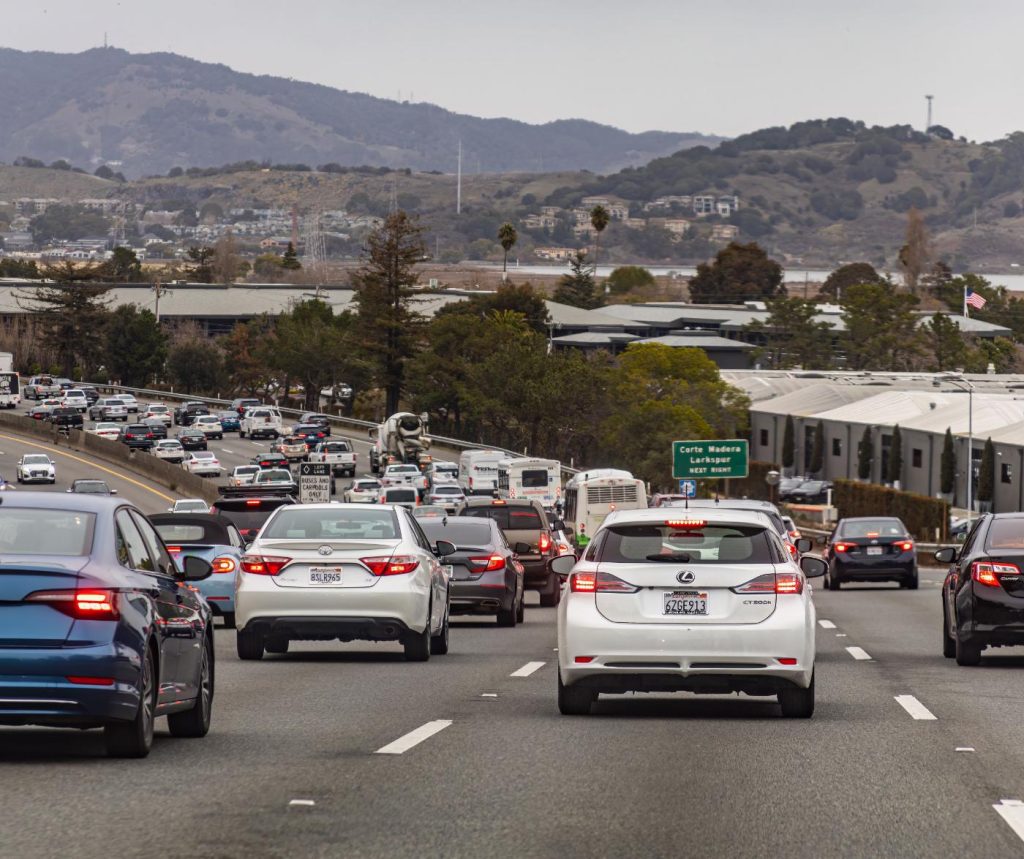
Businesses operating throughout Western Washington face unique challenges.
A breakdown doesn’t just create downtime, it often creates extended downtime.
A service vehicle disabled on I-5, SR-167, SR-18, Highway 16, or I-405 can disrupt an entire day.
Companies serving:
- Seattle
- Tacoma
- Federal Way
- Kent
- Auburn
- Bellevue
- Renton
- Everett
- Lynnwood
depend heavily on transportation efficiency.
When schedules are already tight, downtime becomes even more expensive.
Why the Lowest-Cost Vehicle Isn’t Always the Cheapest Vehicle
Many business owners focus on acquisition cost.
The better question is:
“What does this vehicle cost me over its lifetime?”
A vehicle that costs less upfront may produce:
- More downtime
- More repairs
- Lower productivity
- Shorter lifespan
Meanwhile, a vehicle with a higher initial investment may deliver:
- Better reliability
- Longer service life
- Higher resale value
- Lower operating costs
The difference is often substantial.
What Successful Fleet Managers Measure
Companies with highly effective fleets often track:
Cost Per Mile:
Understanding operating costs helps identify underperforming vehicles.
- Downtime Hours: Tracking unavailable vehicle hours reveals hidden inefficiencies.
- Maintenance Cost Trends: Repair costs often indicate when replacement should be evaluated.
- Revenue Per Vehicle: Understanding how much revenue each vehicle supports creates smarter business decisions.
- Vehicle Utilization: Some businesses discover certain vehicles are underutilized while others are overworked.
This data can dramatically improve fleet planning.
Questions Every Business Owner Should Ask
When evaluating fleet performance, consider:
- Which vehicle has the highest repair costs?
- Which vehicle creates the most downtime?
- Which vehicle is least productive?
- Which vehicle is closest to replacement?
- Which vehicle generates the most revenue?
The answers often reveal opportunities for improvement.
Why Growing Companies Think About Fleet Strategy Differently
The most successful businesses don’t think of fleet vehicles as expenses, they view them as revenue-producing assets.
Just like:
- Employees
- Equipment
- Technology
- Facilities
Vehicles should help generate growth.
The objective isn’t simply reducing costs, it’s maximizing productivity.
Supporting Businesses Across Western Washington
At Jet Chevrolet in Federal Way, many of the conversations we have with local businesses aren’t about horsepower or towing capacity.
They’re about operations.
Business owners want to know:
- How can we improve efficiency?
- How can we reduce downtime?
- How can we support growth?
- How can we make better fleet decisions?
As a locally owned and family-operated member of the Dinsmore Auto Group, Jet Chevrolet understands that local businesses are the backbone of our communities.
The Dinsmore philosophy is simple:
Do More. Save More. Experience MORE.
For business owners, that often means helping them think strategically about their fleet and how it supports long-term success. Let’s shift your fleet from a reactive headache to a strategic advantage before your next major breakdown.
Schedule a consultation or call Jet Chevrolet’s team directly at (253) 336-4216 to audit your current vehicle lifecycles and secure reliable pool-stock replacements.
Final Thoughts
The most expensive vehicle in your fleet is often not the one with the largest payment, it’s the one that isn’t working.
Vehicle downtime affects:
- Revenue
- Productivity
- Customer satisfaction
- Employee morale
- Business growth
When business owners begin measuring the true cost of downtime, fleet decisions become much clearer.
Because in the end, the goal isn’t simply owning vehicles.
The goal is keeping your business moving.
Connect with us


- August 2026
- July 2026
- June 2026
- May 2026
- April 2026
- March 2026
- February 2026
- January 2026
- December 2025
- November 2025
- October 2025
- September 2025
- August 2025
- July 2025
- June 2025
- May 2025
- April 2025
- March 2025
- February 2025
- January 2025
- November 2024
- October 2024
- September 2024
- August 2024
- July 2024
- June 2024
- May 2024
- April 2024
- March 2024
- February 2024
Archives
- Chevrolet near me
- Chevrolet Safety
- Chevrolet Silverado
- Chevrolet Trailblazer
- Chevrolet Trax
- Chevy Blazer EV
- Chevy Bolt
- Chevy Colorado
- Chevy Equinox EV
- Chevy Finance
- Chevy Silverado EV
- Chevy SUV
- Chevy Tahoe
- Commercial Fleet
- Federal Way Chevrolet Dealer
- Federal Way Chevrolet Service
- Federal Way Used Cars
- Jet Chevrolet
- Jet Chevrolet Service
- Uncategorized