






For many business owners throughout the Puget Sound from Seattle to Tacoma to the surrounding Puget Sound region, purchasing a new fleet vehicle is often viewed as an expense.
In reality, it may also represent a valuable tax-planning opportunity.
One of the most commonly discussed tax provisions among business owners purchasing commercial vehicles is Section 179.
While every company’s situation is unique and business owners should always consult their CPA or tax advisor, understanding the basics of Section 179 can help you make more informed decisions when evaluating fleet vehicles.
Regardless of whether you own a plumbing company, landscaping company, delivery service, or another type of business, this guide will help explain why so many business owners discuss Section 179 when planning fleet purchases.
What Is Section 179?
Section 179 is a provision within the U.S. tax code that may allow businesses to deduct the cost of qualifying equipment and vehicles placed into service during the tax year.
Rather than depreciating certain business assets over multiple years, qualifying businesses may be able to deduct some or all of the purchase price in the year the asset is placed into service.
For many businesses, this can create a significant tax advantage.
However, tax laws change regularly, and eligibility depends on many factors, which is why working with a qualified tax professional is essential.
Why Business Owners Pay Attention to Section 179
Many businesses depend on vehicles to generate revenue.
When a plumbing company purchases a service van, that van helps technicians complete service calls.
When an HVAC contractor adds trucks to the fleet, those vehicles help crews reach customers.
When an electrical contractor expands operations, fleet vehicles often support business growth.
Section 179 may allow qualifying businesses to invest in equipment needed to grow while potentially reducing taxable income.
Again, your CPA or tax advisor is the best source for determining whether your business qualifies and how current tax laws apply to your situation.
Businesses That Often Discuss Section 179
Many industries commonly evaluate Section 179 opportunities, including, but not limited to:
- Plumbing companies
- HVAC contractors
- Electrical contractors
- Construction companies
- Roofing contractors
- Landscaping businesses
- Restoration companies
- Delivery services
- Municipal contractors
- Manufacturing companies
- Service-based businesses
For many of these companies, fleet vehicles represent one of their largest operational investments.
What Types of Vehicles May Qualify?
Many commercial vehicles may qualify under current tax regulations. Examples often include:
Cargo Vans
Cargo vans are popular among:
- Plumbers
- Electricians
- HVAC companies
- Delivery businesses
- Service contractors
The Chevrolet Express Cargo Van remains a common fleet choice because of its versatility, durability, and upfit potential.
Heavy-Duty Pickup Trucks
Businesses frequently utilize:
- Chevrolet Silverado 2500 HD
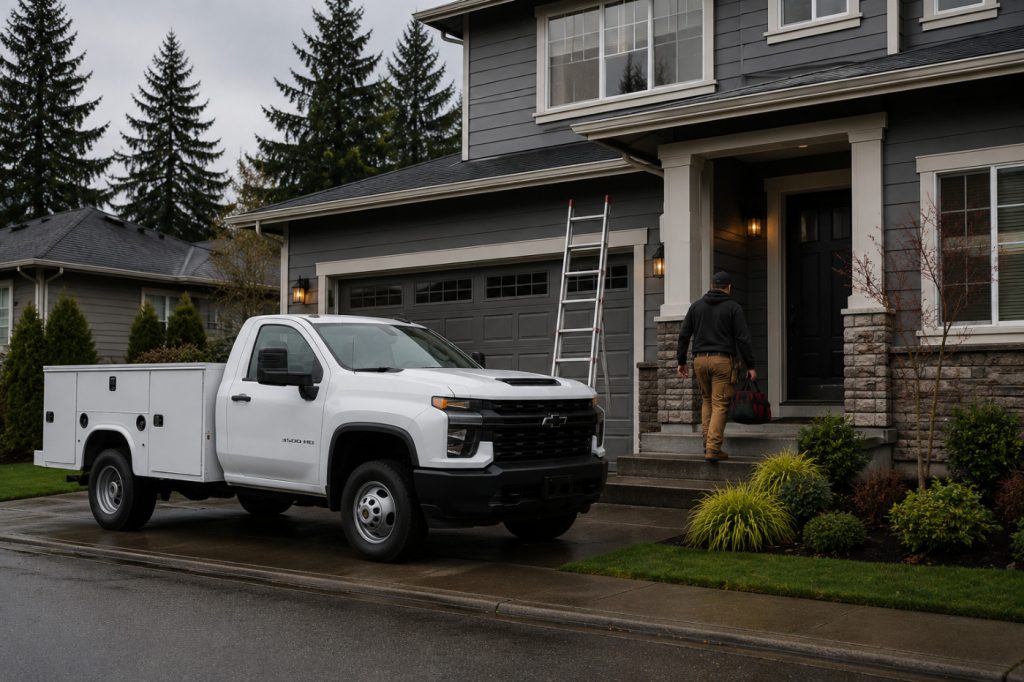
- Chevrolet Silverado 3500 HD
These trucks often support:
- Construction projects
- Towing equipment
- Commercial contracting operations
- Utility work
Chassis Cab Trucks
Many companies rely on chassis cab vehicles equipped with:
- Service bodies
- Utility bodies
- Flatbeds
- Specialized equipment
Medium-Duty Commercial Trucks
Larger businesses may operate:
- Silverado 4500
- Silverado 5500
- Low Cab Forward trucks
These vehicles often serve specialized commercial applications.
Every vehicle category has unique requirements and potential tax implications, making professional tax guidance critical.
Timing Can Matter
One of the most common conversations business owners have with their CPA involves timing.
For example:
- Should a vehicle be purchased this year?
- Would replacing an aging truck now provide benefits?
- Does it make sense to expand the fleet before year-end?
These decisions are highly individualized.
However, many business owners should begin evaluating fleet needs well before the end of the year to allow sufficient time for planning and reduce vehicle availability.
Ready to maximize your tax advantages? Contact our commercial vehicle specialists at (253) 336-4216 today to analyze your operational needs and build a strategic acquisition plan for your business.
The Hidden Cost of Delaying Fleet Upgrades
Tax planning is important, but it’s only one part of the equation.
Many business owners focus exclusively on deductions while overlooking the costs associated with aging vehicles. Those costs may include:
Higher Maintenance Expenses
As vehicles age, repair costs often increase. Major repairs can quickly erase any perceived savings gained from postponing replacement.
Increased Downtime
Older vehicles typically require more repairs, and unexpected breakdowns can lead to:
- Missed appointments
- Delayed projects
- Frustrated customers
- Lost revenue
Lower Productivity
Newer vehicles frequently offer:
- Improved reliability
- Better technology
- Enhanced safety features
- Greater efficiency
For businesses operating throughout the busy Seattle-Tacoma corridor, these advantages can improve daily operations.
Looking Beyond the Monthly Payment
Many business owners evaluate vehicles based primarily on monthly payment, and while this payment matters, successful fleet managers often focus on total cost of ownership.
This includes:
- Maintenance costs
- Repair expenses
- Fuel consumption
- Downtime
- Resale value
- Productivity gains
Sometimes a newer vehicle with a higher payment actually costs less to operate over time.
Why Commercial Vehicle Inventory Matters
One challenge many businesses face is finding the right vehicle when they need it.
Fleet vehicles often require:
- Specific configurations
- Cargo capacity
- Towing capability
- Upfit compatibility
- Commercial applications
Having access to a large commercial inventory can simplify the purchasing process. Instead of waiting months for a vehicle, business owners may have immediate access to options that fit their needs.
Supporting Local Businesses Across Western Washington
Located in Federal Way directly along the I-5 corridor, Jet Chevrolet provides efficient solutions to businesses within an hour’s drive of the Seattle-Tacoma metropolitan area.
This location serves commercial clients across Western Washington, including:
- South Sound & Local: Federal Way, Tacoma, Kent, Auburn, Puyallup, Olympia
- Greater Seattle & North Sound: Seattle, Bellevue, Renton, Everett, Lynnwood
As part of Dinsmore Auto Group, Jet Chevrolet operates under a simple philosophy:
Do More. Save More. Experience MORE.
The Dinsmore family remains actively involved in the business and committed to supporting local businesses that help strengthen our communities.
From plumbing contractors and HVAC companies to construction firms and delivery services, helping local businesses succeed is an important part of that commitment.
Align your vehicle acquisitions with your fiscal goals. Reach out to the commercial team at Jet Chevrolet at (253) 336-4216 to explore tailored fleet strategies and experience the competitive advantages of the Dinsmore Auto Group philosophy.
Important Tax Disclaimer
This article is intended for informational purposes only and should not be considered tax, accounting, or legal advice. Tax laws frequently change, and eligibility for Section 179 deductions or other tax benefits depends on individual circumstances.
Business owners should always consult their CPA, tax advisor, or financial professional regarding current regulations and how they apply to their specific situation.
Final Thoughts
For many business owners, fleet vehicles are far more than transportation.
They are revenue-generating assets that help companies serve customers, grow operations, and support long-term success.
When evaluating new cargo vans, heavy-duty trucks, chassis cabs, or commercial vehicles, understanding potential tax implications may be an important part of the conversation.
The most successful business owners often approach fleet purchases strategically, considering not only the vehicle itself but also productivity, operating costs, growth plans, and guidance from trusted advisors.
Because when your fleet is working harder for your business, your business is better positioned to do more, save more, and experience more.
Take a strategic approach to your next commercial acquisition. Contact Jet Chevrolet today at (253) 336-4216 to discuss your business’s vehicle utility needs and secure the assets necessary to drive your operations forward.
Connect with us


- August 2026
- July 2026
- June 2026
- May 2026
- April 2026
- March 2026
- February 2026
- January 2026
- December 2025
- November 2025
- October 2025
- September 2025
- August 2025
- July 2025
- June 2025
- May 2025
- April 2025
- March 2025
- February 2025
- January 2025
- November 2024
- October 2024
- September 2024
- August 2024
- July 2024
- June 2024
- May 2024
- April 2024
- March 2024
- February 2024
Archives
- Chevrolet near me
- Chevrolet Safety
- Chevrolet Silverado
- Chevrolet Trailblazer
- Chevrolet Trax
- Chevy Blazer EV
- Chevy Bolt
- Chevy Colorado
- Chevy Equinox EV
- Chevy Finance
- Chevy Silverado EV
- Chevy SUV
- Chevy Tahoe
- Commercial Fleet
- Federal Way Chevrolet Dealer
- Federal Way Chevrolet Service
- Federal Way Used Cars
- Jet Chevrolet
- Jet Chevrolet Service
- Uncategorized