



Blog

Silverado 1500 vs. Silverado 2500: Key Differences

Silverado 1500 vs. Silverado 2500

Silverado 1500 vs. Silverado 2500: Key Differences and What You Need to Know

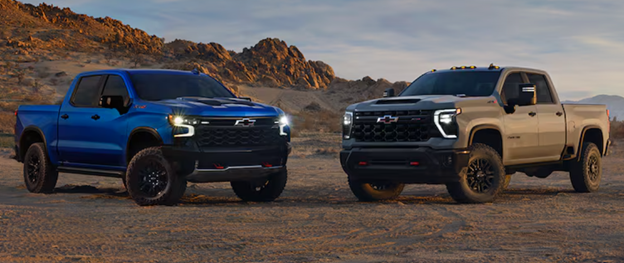
When it comes to choosing a pickup truck, the Chevrolet Silverado lineup offers a range of options designed to meet various needs. Two of the most popular models are the Silverado 1500 and the Silverado 2500. Both trucks are built with Chevrolet's renowned quality and reliability, but they cater to different types of drivers. In this blog, we'll explore the key differences between the Silverado 1500 and 2500, focusing on performance, technology, reliability, and resale value. Whether you're looking to haul heavy loads or simply want a versatile truck for everyday use, understanding these differences can help you make an informed decision. For those in the market, Jet Chevrolet is an excellent place to explore both models.

1. Performance: Light-Duty vs. Heavy-Duty
Differences Between Silverado 1500 and 2500: The most significant difference between the Silverado 1500 and 2500 lies in their performance capabilities. The Silverado 1500 is classified as a light-duty truck, while the Silverado 2500 is a heavy-duty truck.

● Silverado 1500 Performance: The Silverado 1500 offers a range of engine options, including a 2.7L turbocharged engine, a 5.3L V8, and a 6.2L V8. These engines provide a balance of power and fuel efficiency, making the 1500 ideal for daily driving, light towing, and hauling.
● Silverado 2500 Performance: On the other hand, the Silverado 2500 is built for more demanding tasks. It offers more powerful engine options, such as the 6.6L V8 gas engine and the 6.6L Duramax® Turbo-Diesel V8. The 2500 is designed for heavy towing and hauling, with a maximum towing capacity of up to 18,500 pounds when properly equipped.

2. Technology and Features: Tailored to Different Needs
Silverado Technology: Both the Silverado 1500 and 2500 come equipped with advanced technology, but the features available can differ based on the model and trim level.

● Silverado 1500 Technology: The Silverado 1500 is available with Chevrolet's Infotainment 3 system, which includes a touchscreen display, Apple CarPlay, Android Auto, and available navigation. Higher trims may include features like a head-up display, wireless charging, and advanced driver-assistance systems (ADAS) such as lane-keeping assist and forward collision warning.
● Silverado 2500 Technology: The Silverado 2500 also offers these features but with a focus on heavy-duty performance. For instance, the 2500 often includes advanced trailering technology, such as trailer sway control, an integrated trailer brake controller, and up to 15 camera views to assist with towing and maneuvering large loads.

3. Towing and Hauling: Capability Differences
Silverado Performance: One of the primary reasons drivers choose a pickup truck is for its towing and hauling capabilities. Here, the Silverado 1500 and 2500 differ significantly.

● Silverado 1500 Towing and Hauling: The Silverado 1500 is capable of towing up to 13,300 pounds and has a maximum payload capacity of around 2,280 pounds, depending on the engine and configuration. This makes it suitable for towing smaller boats, trailers, and light construction equipment.
● Silverado 2500 Towing and Hauling: The Silverado 2500, with its more powerful engine options, can tow up to 18,500 pounds and has a maximum payload capacity of over 3,800 pounds. This makes the 2500 ideal for heavy-duty tasks, such as towing large fifth-wheel trailers or carrying heavy construction materials.

4. Design and Comfort: Interior and Exterior Differences
Silverado Design: Both the Silverado 1500 and 2500 are known for their rugged, muscular design, but there are differences in their dimensions and interior comfort.

● Silverado 1500 Design: The 1500 is slightly smaller, making it easier to maneuver in urban environments. It also offers a range of cab configurations, including regular, double, and crew cabs, with the crew cab providing the most interior space and comfort for passengers.
● Silverado 2500 Design: The 2500 is larger and more imposing, with a design that reflects its heavy-duty capabilities. The 2500 also offers various cab options, but the interior is generally more focused on durability and function, with features designed to support work-related tasks.

5. Fuel Economy: Light-Duty vs. Heavy-Duty
Differences Between Silverado 1500 and 2500: Given their different classifications, the Silverado 1500 and 2500 have different fuel economy expectations.

● Silverado 1500 Fuel Economy: The Silverado 1500, with its smaller and more efficient engines, offers better fuel economy. Depending on the engine and configuration, you can expect around 17-23 MPG combined.
● Silverado 2500 Fuel Economy: The Silverado 2500, with its larger engines and greater towing capacity, naturally consumes more fuel. It typically averages around 12-16 MPG combined, depending on the engine and load.

6. Resale Value: Long-Term Investment
Silverado Resale Value: Both the Silverado 1500 and 2500 hold their value well, thanks to Chevrolet's reputation for building durable and reliable trucks.

● Silverado 1500 Resale Value: The Silverado 1500 is known for retaining its value over time, particularly in popular trims like the LT and Z71, which offer a good balance of features and capability.
● Silverado 2500 Resale Value: The Silverado 2500 also maintains strong resale value, especially among buyers looking for a reliable heavy-duty truck. Its durability and performance make it a sought-after option in the used truck market.

7. Maintenance and Durability
Silverado Reliability: Both the Silverado 1500 and 2500 are built to last, but their maintenance needs can differ due to their intended use.

● Silverado 1500 Maintenance: The 1500 generally requires less intensive maintenance compared to the 2500, making it more economical to own. Regular maintenance like oil changes, tire rotations, and brake inspections will keep it running smoothly.
● Silverado 2500 Maintenance: The 2500, being a heavy-duty truck, may require more frequent maintenance, especially if used for towing and hauling. However, its robust construction means it’s designed to withstand these demands.

8. Customization Options
Silverado Customization: Both the Silverado 1500 and 2500 offer a wide range of customization options, from off-road packages to luxury interior features.

● Silverado 1500 Customization: The 1500 is available with various appearance and performance packages, including the off-road-focused Z71 package and the luxury High Country trim.
● Silverado 2500 Customization: The 2500 offers similar customization options but with a focus on enhancing its heavy-duty capabilities. This includes the Z71 Off-Road Package, which adds skid plates, an off-road suspension, and all-terrain tires.

9. Interior Space and Comfort
Silverado Interior: Both trucks offer spacious interiors, but the amount of space and comfort features can vary.

● Silverado 1500 Interior: The 1500’s interior is designed to be comfortable and user-friendly, with high-quality materials and plenty of legroom, especially in the crew cab models.
● Silverado 2500 Interior: The 2500’s interior is slightly more utilitarian, with a focus on durability. However, higher trims offer luxurious features similar to those in the 1500.

10. Price and Affordability
Silverado Pricing: One of the key differences between the Silverado 1500 and 2500 is their price range. The Silverado 1500 is generally more affordable, especially in base trims, making it accessible to a broader range of buyers. The Silverado 2500, with its enhanced capabilities and features, comes at a higher starting price but offers more value for those who need its heavy-duty performance.

● Silverado 1500 Affordability: The lower base price of the 1500 makes it an attractive option for those who need a reliable truck without the need for heavy-duty capabilities.
● Silverado 2500 Value: While the 2500 is more expensive, it provides excellent value for those who require its higher towing and payload capacities.

Conclusion

Both the Silverado 1500 and Silverado 2500 offer outstanding features, performance, and reliability. The choice between them largely depends on your specific needs and how you plan to use the truck. If you require a versatile, comfortable vehicle for everyday use with occasional towing, the Silverado 1500 is likely the better option. However, if your work or lifestyle demands heavy-duty capabilities, the Silverado 2500 is designed to meet those challenges head-on.

At Jet Chevrolet, you can explore both models and get expert advice on which truck is right for you. Whether you prioritize performance, technology, or resale value, the team at Jet Chevrolet is ready to help you find the perfect Silverado to suit your needs.
Recommended Posts

 2026 Chevrolet Tahoe Family Features

2026 Chevrolet Tahoe Family-Friendly Features

Family life calls for a vehicle that can handle school pickup, weekend luggage, and the occasional extra passenger without making every trip feel like a packing puzzle. Jet Chevrolet, part of Dinsmore Auto Group, helps Federal Way families explore what Chevrolet offers in the 2026 Tahoe. From flexible seating to connected displays, the 2026 Chevrolet Tahoe family-friendly features bring practical benefits to everyday travel. Key Takeaways The 2026 Tahoe seats seven, eight, or up to nine passengers, depending on its seating configuration. Cargo space measures 25.5 cubic feet behind the third row and expands to 122.7 cubic feet with both rear rows folded. Standard technology includes a 17.7-inch diagonal center touchscreen and wireless smartphone integration. Standard driver-assistance features include Adaptive Cruise Control, HD Surround Vision, and multiple automatic braking systems. Super Cruise, rear-seat entertainment, and several convenience features depend on trim and equipment. How Many Passengers Can Ride? The 2026 Chevrolet Tahoe seating capacity ranges from seven to nine passengers. That flexibility matters when choosing between room for another rider and the convenience of second-row captain’s chairs. An eight-passenger configuration combines front bucket seats with second- and third-row benches. Captain’s chairs replace the second-row bench with two individual seats, creating a seven-passenger layout. They are available on LT, RST, and Z71 models and standard on Premier and High Country. For families who need the highest passenger capacity, the LS offers an available front bench seat that increases seating to nine. Not every Tahoe has this arrangement, so checking the specific vehicle’s equipment is essential. The 2026 Chevrolet Tahoe three-row SUV also offers standard tri-zone automatic climate control. Separate temperature settings help accommodate passengers with different comfort preferences, whether you are driving across Federal Way or heading toward Kent for a weekend activity. We recommend comparing seating layouts in person. Bring your usual child seats and think about who regularly rides in each row. The best arrangement is the one that fits your actual routine, not simply the configuration with the largest passenger count. How Much Cargo Space Is Available? The 2026 Chevrolet Tahoe cargo space changes with the number of seats you need to keep available: Behind the third row: 25.5 cubic feet. With the third row folded: 72.5 cubic feet. With the second and third rows folded: 122.7 cubic feet. With all three rows upright, the rear cargo area provides space for everyday items such as backpacks, grocery bags, and smaller travel bags. Folding the third row creates substantially more room for larger loads while preserving second-row seating. The maximum figure applies only when both rear rows are folded. Families traveling with a full passenger load should focus on the space behind the third row rather than assuming the entire cargo capacity is available. Split-folding rear seats add flexibility when passengers and longer items need to share the cabin. Available power-folding third-row seats can simplify transitions between passenger duty and cargo hauling. An available AutoSense Power Liftgate opens when you stand behind the vehicle for several seconds with the key fob, depending on equipment. As you browse our current Tahoe selection at Jet Chevrolet in Federal Way, compare the cargo area with your stroller, sports equipment, or typical luggage needs in mind. A hands-on look can answer questions that dimensions alone cannot. What Technology Supports Family Travel? The 2026 Chevrolet Tahoe technology features start with a standard 17.7-inch diagonal center touchscreen and an 11-inch Driver Information Center. The center display provides a large interface for infotainment functions, while the driver display keeps vehicle information in front of the person behind the wheel. Wireless Apple CarPlay and wireless Android Auto capability let compatible smartphones connect without a USB cable. Standard Google built-in compatibility adds another connected option, although specific services require an eligible plan and may involve account linking. USB connections include third-row USB-C charging ports, helping passengers farther back keep compatible devices powered. Available wireless phone charging adds convenience for a compatible device, but it should not be assumed to appear on every Tahoe. For longer drives, an available Rear Seat Media System gives families another entertainment option. Wi-Fi hotspot capability can support connected devices with an active service plan, subject to coverage and operating conditions. Comfort technology also varies. LT includes heated front seats, while Premier and High Country include heated and ventilated front seats. Premier adds heated second-row bucket seats, a useful detail to compare when cool-weather comfort is a priority. Which Safety Features Are Standard? The 2026 Chevrolet Tahoe safety features include a broad standard driver-assistance package. Important systems include: Enhanced Automatic Emergency Braking and Intersection Automatic Emergency Braking. Forward Collision Alert. Lane Keep Assist with Lane Departure Warning. Blind Zone Steering Assist. Adaptive Cruise Control. HD Surround Vision and Enhanced Automatic Parking Assist. Reverse Automatic Braking and Rear Cross Traffic Braking. Rear Pedestrian Alert and Safety Alert Seat. These features address different driving situations. Forward-facing alerts and braking systems help support awareness ahead, while rear-facing systems can assist during backing maneuvers. HD Surround Vision provides camera views around the Tahoe, which can be useful when positioning a full-size SUV in a parking space. Adaptive Cruise Control can adjust speed to maintain a selected following gap under appropriate conditions. It does not remove the need to monitor traffic or respond to changing road conditions. Yes, Super Cruise is available on the 2026 Tahoe, specifically on LT, RST, Premier, and High Country models. This hands-free driver-assistance technology operates on compatible roads and requires an active Super Cruise plan or trial. For a family heading toward Tacoma, its usefulness depends on route compatibility and operating conditions. Super Cruise is not autonomous driving. The driver must remain attentive, and every safety or assistance system has limitations described in the owner’s manual. Which Configuration Fits Federal Way Families? The Tahoe lineup includes LS, LT, RST, Z71, Premier, and High Country. Seating, upholstery, liftgate operation, rear-seat entertainment, power-folding seats, and Super Cruise availability can vary by trim, package, and individual vehicle. We suggest beginning with passenger needs, then comparing cargo access, comfort equipment, and technology. Review the window sticker rather than assuming a trim name guarantees every feature. Our local Chevrolet sales and service team gives families a place to discuss equipment questions before choosing a vehicle. Visit Jet Chevrolet in Federal Way, part of our parent dealer group, Dinsmore Auto Group, to browse our current selection and ask about available 2026 Tahoe models. Schedule a test drive to compare seating layouts, explore the displays, and see how the Tahoe fits your family’s daily routine. Instagram YouTube Facebook LinkedIn *Penned by AI, polished by humans

Equinox EV vs. Model Y for I-5 Commutes

Chevy Equinox EV vs. Tesla Model Y for I-5 Commuting

Your daily I-5 drive calls for more than quick acceleration. You need comfortable seating, practical range, and charging that fits your schedule. Jet Chevrolet, part of parent company Dinsmore Auto Group, helps Federal Way drivers explore how Chevrolet electric vehicles fit those priorities. In the Chevy Equinox EV vs Tesla Model Y comparison, both SUVs deserve consideration, but the Equinox EV makes a compelling case with its useful driving range, approachable cabin layout, and available all-wheel drive. Key Takeaways The 2026 Equinox EV offers EPA-estimated range of 319 miles with front-wheel drive or 307 miles with available all-wheel drive. Some Model Y configurations offer longer estimated range, so compare specific versions rather than model names alone. Home charging can simplify either SUV’s daily routine, while public charging access requires attention to connector compatibility. Highway speed, cold weather, and cabin heating affect range, making a comfortable battery reserve important. The Equinox EV’s separate driver display and available comfort features make it worth a commuter-focused test drive. Which SUV fits Federal Way commuting? The Equinox EV vs Model Y commute decision starts with your actual routine. How far do you travel each day? Can you charge where you park overnight? Does your drive involve mostly steady highway speeds, or frequent slowdowns and merging? For a Federal Way driver heading toward Tacoma, an electric SUV needs to handle both open stretches and crawling traffic comfortably. Both models deliver the responsive acceleration associated with electric driving. That response can help make everyday driving feel smooth, but maximum acceleration should not outweigh visibility, seating comfort, or ease of operation. We recommend the Equinox EV for shoppers who want an electric SUV with a dedicated driver information display and practical passenger space. Available AWD also gives you another configuration to consider when shopping for AWD vehicles in the Pacific Northwest. Tesla deserves credit for offering multiple Model Y configurations and an established charging ecosystem. Still, a commuter’s best choice is not necessarily the vehicle with the strongest performance headline. It is the one that fits your driving habits, charging access, and budget. Can both handle longer commutes? Yes, both can serve longer daily commutes when their usable range and charging arrangements match the trip. The important distinction is between an EPA estimate and the distance you should plan to drive before plugging in. For a clearly defined comparison, the 2026 Chevrolet Equinox EV provides EPA-estimated range of 319 miles with FWD and 307 miles with AWD. Those ratings offer substantial flexibility for daily commuting, errands, and unexpected detours. Actual range varies with temperature, speed, terrain, vehicle load, and other conditions. Tesla Model Y range and charging specifications depend on configuration. Certain rear-wheel-drive versions have published range estimates above the Equinox EV’s 319-mile rating. That is a legitimate advantage for drivers prioritizing maximum distance between charging stops, but check the exact version and wheel configuration you are considering. Picture a 70-mile round-trip commute. Either SUV can be a practical candidate, but you should also account for afternoon errands, winter weather, and your preferred charging limit. Do not treat the entire advertised range as your everyday planning allowance. For many commuters, dependable overnight charging matters more than a modest difference in maximum range. Starting each morning with enough energy for the day can make electric ownership feel straightforward. What charging options fit your routine? Chevy Equinox EV range and charging should be evaluated together. A vehicle with ample range becomes much easier to live with when you have a convenient way to replenish the energy you use. Level 2 home charging is worth considering if your parking arrangement allows it. Before purchasing equipment, have a qualified electrician evaluate your electrical capacity and installation needs. Workplace charging can also help, but confirm access, pricing, and whether chargers are reliably available during your shift. Public charging compatibility is especially important because Equinox EV model years differ. The 2026 Equinox EV uses a GM-approved NACS DC adapter to access compatible Tesla Superchargers. Chevrolet lists a standard NACS charging port for the 2027 Equinox EV. Verify the charging port and equipment on the specific vehicle rather than assuming every Equinox EV connects the same way. The 2026 Equinox EV supports DC fast charging at up to 150 kW. Certain Model Y configurations support higher peak DC charging rates, potentially benefiting drivers who rely heavily on fast-charging stops. However, peak power is not maintained throughout a charging session. Battery temperature, charge level, and charger output affect actual results. If you are browsing electric SUVs for sale in Federal Way, explore Jet Chevrolet’s current selection and ask us to walk through the charging setup on the Equinox EV you are considering. Comparing the vehicle and your charging plan together is a useful step before scheduling a test drive. How do traffic and features compare? I-5 EV commuting involves two separate considerations: how traffic changes energy use and how comfortable you feel while dealing with it. Stop-and-go driving is not automatically worse for EV range than steady highway driving. Regenerative braking can recover some energy during deceleration, while higher highway speeds increase aerodynamic resistance. However, a longer trip still requires energy for heating, cooling, and other systems. On a cold morning heading toward SeaTac, preconditioning the Equinox EV’s cabin while plugged in can reduce the battery energy needed to establish a comfortable temperature after departure. The 2026 model also includes a heat pump, although cold weather can still reduce driving range. For this electric SUV commuter comparison, cabin usability deserves equal attention. The Equinox EV provides a standard 17.7-inch diagonal center touchscreen and a separate 11-inch diagonal driver information display. The Model Y displays driving information, including speed, on its center touchscreen. Try both layouts to decide which feels more natural. Available Equinox EV features include heated seating, a heated steering wheel, and Super Cruise hands-free driver assistance on compatible roads, depending on model year and equipment. Confirm features on the individual vehicle. Super Cruise requires an attentive driver and does not make the SUV autonomous. During a test drive, focus on the details you will notice every weekday: Check seat support and your preferred driving position. Practice adjusting climate settings and using navigation. Evaluate visibility when merging and parking. Experience regenerative braking and low-speed response. Confirm the driver-assistance features included on that vehicle. Why test-drive the Equinox EV? The Equinox EV brings together the qualities many commuters actually use: substantial estimated range, a dedicated driver display, available AWD, and flexible charging options. The Model Y may appeal more if a particular configuration’s longer range or higher peak charging rate tops your priority list. For drivers seeking a practical Chevrolet electric SUV, however, the Equinox EV deserves a close look. Visit Jet Chevrolet in Federal Way, part of Dinsmore Auto Group, to browse our current selection, confirm available Equinox EV models, and schedule a test drive. Let’s help you choose a Chevrolet electric SUV that fits your I-5 commute and the rest of your day. Instagram YouTube Facebook LinkedIn *Penned by AI, polished by humans

2027 Chevy Lineup | Jet Chevrolet

See the 2027 Chevy Lineup at Jet Chevrolet

Your next vehicle should fit the way you actually drive, whether that means commuting, carrying a growing family, or putting a truck to work. The 2027 Chevy lineup gives Federal Way shoppers plenty to explore, with Chevrolet introducing new developments alongside familiar favorites. Jet Chevrolet, part of our parent dealership group, Dinsmore Auto Group, can help you understand announced models, compare available vehicles, and separate confirmed details from information still to come. Key Takeaways Chevrolet has published 2027 model information for vehicles including the Bolt, Traverse, and next-generation Silverado 1500. Smaller SUVs, three-row vehicles, pickups, and electric models serve different driving needs. Announced model details do not guarantee that a particular vehicle is already in dealership inventory. We can help you compare current inventory, review equipment, and arrange a test drive in Federal Way. Which 2027 Models Are Announced? The 2027 Chevrolet model lineup includes some notable developments. The Bolt returns as an electric option, the Traverse continues as a three-row SUV, and the next-generation Silverado 1500 brings a substantial redesign. Chevrolet has already released information about these vehicles, so shoppers can begin comparing more than predictions. The 2027 Bolt offers an EPA-estimated 262 miles of electric range. For drivers considering an EV, that makes it worth exploring alongside the Equinox EV and Blazer EV. Your best match will depend on passenger space, charging arrangements, equipment, and the driving you do most often. The 2027 Traverse offers seating for seven or, on an appropriately equipped LT, eight passengers. Its three-row layout makes it a practical starting point for households that regularly need more seats than a compact SUV provides. Chevrolet describes the 2027 Silverado 1500 as a next-generation truck, with a redesigned exterior and interior plus four engine choices. Chevrolet lists availability for late 2026, but that timing should not be confused with a confirmed arrival date at Jet Chevrolet. These announcements provide a useful starting point, not a promise that every configuration is available locally. As you research 2027 Chevrolet models, distinguish manufacturer information from the specific vehicles currently offered for sale. Which Chevy Fits Federal Way? Start with your everyday routine rather than choosing by model name alone. A vehicle that feels right on a short drive should also accommodate your passengers, cargo, parking space, and longer trips. For shoppers who want a smaller SUV, the current Chevrolet Trax and Trailblazer are natural models to compare. Both offer seating for five, while their dimensions and equipment deserve a closer look in person. The Equinox provides another option for drivers who want a compact SUV with flexible passenger and cargo space. A commute from Federal Way toward Kent might put seat comfort, visibility, and easy-to-use controls high on your priority list. We recommend testing those details rather than assuming the most expensive trim will automatically suit you best. If you are researching AWD vehicles in the Pacific Northwest, confirm the drivetrain on the exact vehicle you are considering. For families, the Traverse, Tahoe, and Suburban offer three-row choices with different sizes and capabilities. The Suburban is Chevrolet’s largest SUV, while the Traverse provides a midsize alternative. Compare cargo room with the seats occupied, not just the maximum space available when they are folded. Browse our current selection at Jet Chevrolet to narrow your choices, then schedule a test drive in an available model. That hands-on comparison can make your 2027 shopping plans more concrete, even when a particular upcoming vehicle has not arrived. What About Trucks And EVs? Truck shopping starts with the job you need the vehicle to do. Chevrolet’s current pickup range includes the midsize Colorado, Silverado 1500, Silverado HD, and electric Silverado EV. These are different tools for different priorities, so size, powertrain, and capability should guide your comparison. The announced 2027 Silverado 1500 deserves attention if you are planning your next full-size pickup. Chevrolet has confirmed four engine choices, including new 5.7L and 6.6L V8 engines, alongside TurboMax and a Duramax 3.0L turbo-diesel. Engine availability and equipment vary by configuration, so we can help you review the details that matter to your purchase. If you tow, bring information about your trailer and typical load. Maximum towing figures do not apply to every truck, and the right configuration matters more than the largest number in an advertisement. Drivers heading toward Tacoma with work equipment may have different requirements from someone carrying recreational gear a few weekends each year. Electric shoppers should take a similarly practical approach. The 2027 Bolt, Equinox EV, Blazer EV, and Silverado EV give you several Chevrolet vehicles to investigate, but their sizes and intended uses differ. Consider where you would charge, how far you normally travel, and whether your household needs SUV space or pickup utility. An EPA range estimate is a comparison tool, not a guarantee for every trip. Weather, speed, loads, and other conditions can affect actual range. We recommend discussing your routine before deciding which electric model belongs on your shortlist. When Will Details Become Available? Some 2027 Chevy model details are already available, while additional information and local inventory will depend on the vehicle. There is no single release date covering the entire Chevrolet lineup. Manufacturer announcements, ordering availability, and dealership arrivals are separate milestones. A vehicle may appear on Chevrolet’s website before a particular trim or color reaches our lot. Likewise, a published starting price does not establish the final price of an individually equipped vehicle. When asking about 2027 Chevrolet vehicles, identify the model and features you want. That gives us a clearer starting point for discussing published specifications, current availability, and any details that still need confirmation. Our approach is straightforward: review confirmed information and the equipment on the actual vehicle rather than treating assumptions as specifications. If a feature is essential, such as seating capacity, drivetrain, or trailering equipment, verify it before making your decision. How Can You Compare Locally? The best place to start your search for new Chevy vehicles is with a clear list of priorities. Decide how many people you carry, what you need to transport, and which features you use daily. Then compare a manageable shortlist rather than trying to evaluate every model at once. When researching cars for sale in Federal Way, check the model year, trim, powertrain, and listed equipment. Those details help you make a fair comparison between an available vehicle and an announced 2027 model. Ask about pricing and availability for the specific vehicle, not just the nameplate. During your visit, try the seating position, check access to the rear seats, and explore the cargo area. Our Federal Way location at 35700 Enchanted Parkway South gives you a local place to turn online research into a hands-on comparison. Explore the 2027 Chevy lineup with Jet Chevrolet and our parent dealership group, Dinsmore Auto Group. Browse our current inventory, contact our Federal Way team about announced 2027 models, and schedule a test drive in an available vehicle. We’ll help you compare your options and take the next step toward a Chevrolet that fits your needs. Instagram YouTube Facebook LinkedIn *Penned by AI, polished by humans