



Blog

All Commercial Fleet Jet Chevrolet Jet Chevrolet Service Federal Way Chevrolet Dealer Chevy Blazer EV Federal Way Chevrolet Service Chevy Equinox EV Chevy Tahoe Chevy Silverado EV Chevy SUV Chevrolet near me Chevrolet Safety Chevrolet Silverado Chevrolet Trailblazer Chevrolet Trax Chevy Bolt Chevy Colorado Chevy Finance Federal Way Used Cars
Repairing a comercial work truck
in Commercial Fleet

When Should You Replace a Work Truck Instead of Repairing It?

Every work truck eventually reaches a point where another repair raises a bigger question: Is it still worth keeping? There isn't a specific mileage or repair cost that determines when a business should replace a vehicle. Instead, consider how the truck is performing, what it's costing to keep on the road, and whether it still fits the work your business needs it to do. Look Beyond a Single Repair One expensive repair doesn't necessarily mean a truck needs to be replaced. A pattern of repairs may tell you more. Look at the vehicle's maintenance and repair history. If unexpected repairs are becoming more frequent, consider whether you're maintaining a useful business asset or continually putting money into a vehicle that's becoming less dependable. Consider the Cost of Downtime For a work vehicle, the repair bill isn't always the only cost. If a truck is in the shop, an employee or crew may be without the vehicle they need to complete their work. The business may need to rearrange schedules, move equipment between vehicles, or find temporary transportation. As downtime becomes more frequent, reliability can become an important part of the repair-versus-replace decision. Ask Whether the Truck Still Fits the Job Sometimes a work truck needs to be replaced even when it's still running well. Your business may have added employees, started carrying different equipment, taken on larger jobs, or changed the type of work it performs. A vehicle that made sense several years ago may no longer have the space, capability, or configuration the business needs today. Don't Wait Until the Decision Is Made for You Waiting until a vehicle can no longer be used can turn a planned purchase into an urgent one. Keeping an eye on repair frequency, downtime, mileage, condition, and changing business needs can help you identify vehicles that may be approaching replacement before they begin disrupting operations. Thinking about replacing a work truck or adding a new commercial vehicle? Connect with the Jet Chevrolet team at (253) 336-4216 to discuss your business and fleet needs. Final Thoughts Repairing an existing truck can make sense when it remains dependable and continues to fit the job. When repairs become more frequent, downtime starts affecting the business, or the vehicle no longer meets your needs, it may be time to evaluate a replacement.

Read More
Customer talking to dealership about fleet vehicles

What Should You Bring to the Dealership When Shopping for a Fleet Vehicle?

Shopping for a work vehicle is easier when you can explain exactly what the vehicle needs to do. You don't need to arrive with every specification figured out. But bringing a few details about your everyday work can help narrow down the trucks and configurations that actually fit your business. Know What You Carry Think about what will be in the truck on a typical workday, not just occasionally. That may include: Employees or crew members Tools and equipment Materials and supplies Toolboxes, racks, or other permanent equipment If you already use a work vehicle, consider what works well about its current setup and what you wish you could change. That real-world experience can be particularly helpful when comparing your next truck. Bring Information About Your Trailer If towing is part of the job, don't rely on simply saying you have a "small equipment trailer" or "enclosed trailer." Bring the information you have for the trailer and the loads you expect to tow. Knowing the trailer type and relevant weight information gives the commercial team more useful information when helping you evaluate vehicle configurations. Towing capability can vary significantly between trucks that otherwise look similar, so the details matter. Know About Planned Upfits If you're planning to add a service body, ladder rack, toolbox, plow, storage system, or other equipment, mention it before choosing the truck. An upfit can affect how the finished vehicle is configured and used. Planning for it from the beginning is better than selecting a truck and only afterward determining whether it works with the equipment you intended to add. If you've already chosen an upfit, bringing its specifications or information from the upfit provider can be useful. Think About Where the Truck Will Work A truck that spends most of its time traveling highways has a different working environment from one regularly navigating tight neighborhoods, construction sites, unpaved roads, parking garages, or other restricted spaces. Consider where the vehicle needs to fit and the conditions it regularly encounters. Overall vehicle size, maneuverability, drivetrain, and other configuration choices may matter differently depending on where the truck actually works. Why Western Washington Businesses Work With Jet Chevrolet Located in Federal Way along the I-5 corridor, Jet Chevrolet works with commercial customers throughout Western Washington, including Federal Way, Tacoma, Kent, Auburn, Puyallup, Olympia, Seattle, Bellevue, Renton, Everett, and Lynnwood. As part of Dinsmore Auto Group, Jet Chevrolet is locally owned and family operated. Our commercial team works with businesses to compare work trucks and commercial vehicles based on what the job actually requires. The more your commercial vehicle team understands about your operation, the easier it is to narrow down the vehicles that deserve a closer look. Shopping for your next work truck or commercial vehicle? Connect with the Jet Chevrolet team at (253) 336-4216 to discuss what your business needs from its next vehicle. Final Thoughts You don't need to show up at the dealership with a list of truck specifications. Bring information about the work instead. Knowing your typical loads, trailer requirements, planned upfits, crew needs, and operating environment gives you a practical starting point for finding a work truck that fits the job.
Work Ready Window Sticket

How to Read a Work Truck Window Sticker Before You Buy

Two trucks with the same model and trim can still be equipped very differently. For a business buying a work vehicle, those differences can matter more than they might appear on the lot. A window sticker can help you quickly understand how a specific truck is configured, what equipment you're paying for, and what deserves a closer look before you buy. Start With the Truck's Configuration First, confirm that the truck itself matches what you need. Depending on the vehicle, the window sticker can identify details such as: Model and trim Cab and bed configuration Engine Transmission Drivetrain Exterior and interior features VIN For a work truck, details like cab size, bed length, engine, and drivetrain can directly affect how well the vehicle fits its intended role. Look Beyond the Trim Level A trim name doesn't tell you everything that's included on a truck. Factory packages and individual options can add towing equipment, technology, convenience features, off-road equipment, and other upgrades. Reviewing these items can also help explain why two trucks with the same trim may have noticeably different MSRPs. For a business buyer, the important question is whether those added features are useful for the work the truck will actually perform. Pay Attention to Trailering Equipment If the truck will regularly tow, look for any factory trailering equipment or packages listed on the sticker. Depending on the vehicle, these may include trailer brake controls, hitch-related equipment, cameras, or other trailering features. Don't assume that having a trailering package means every truck has the same towing capability. Ratings can vary based on engine, drivetrain, cab, bed, equipment, and other aspects of the vehicle's configuration. Know What the Window Sticker Doesn't Tell You The window sticker is a useful starting point, but it isn't a complete capability guide. If your business needs a truck to tow a particular trailer or carry substantial equipment, materials, passengers, or an upfit, verify the ratings for the specific vehicle you're considering. This is especially important with work trucks because everything added to the vehicle can become part of the overall working setup. Compare What You're Actually Paying For When deciding between two similar trucks, compare their window stickers side by side. Instead of looking only at the difference in price, look at why the prices are different. One truck may include equipment your business needs, while another may include options that won't provide much value for the way you'll use it. A work truck's badge only tells you part of the story. Understanding how a specific vehicle is equipped can help you make a more informed comparison before adding it to your business. Looking for your next work truck or commercial vehicle? Connect with the Jet Chevrolet team at (253) 336-4216 to discuss your commercial vehicle needs. Final Thoughts Before choosing a work truck, take a few minutes to look beyond the model and trim. Review its configuration, packages, options, and trailering equipment, then verify any vehicle-specific ratings that are important for the job. The goal isn't to understand every line on the sticker. It's to know which details matter for the work your business needs the truck to do.

2027 Silverado: What We Know So Far

2027 Silverado: What We Know So Far

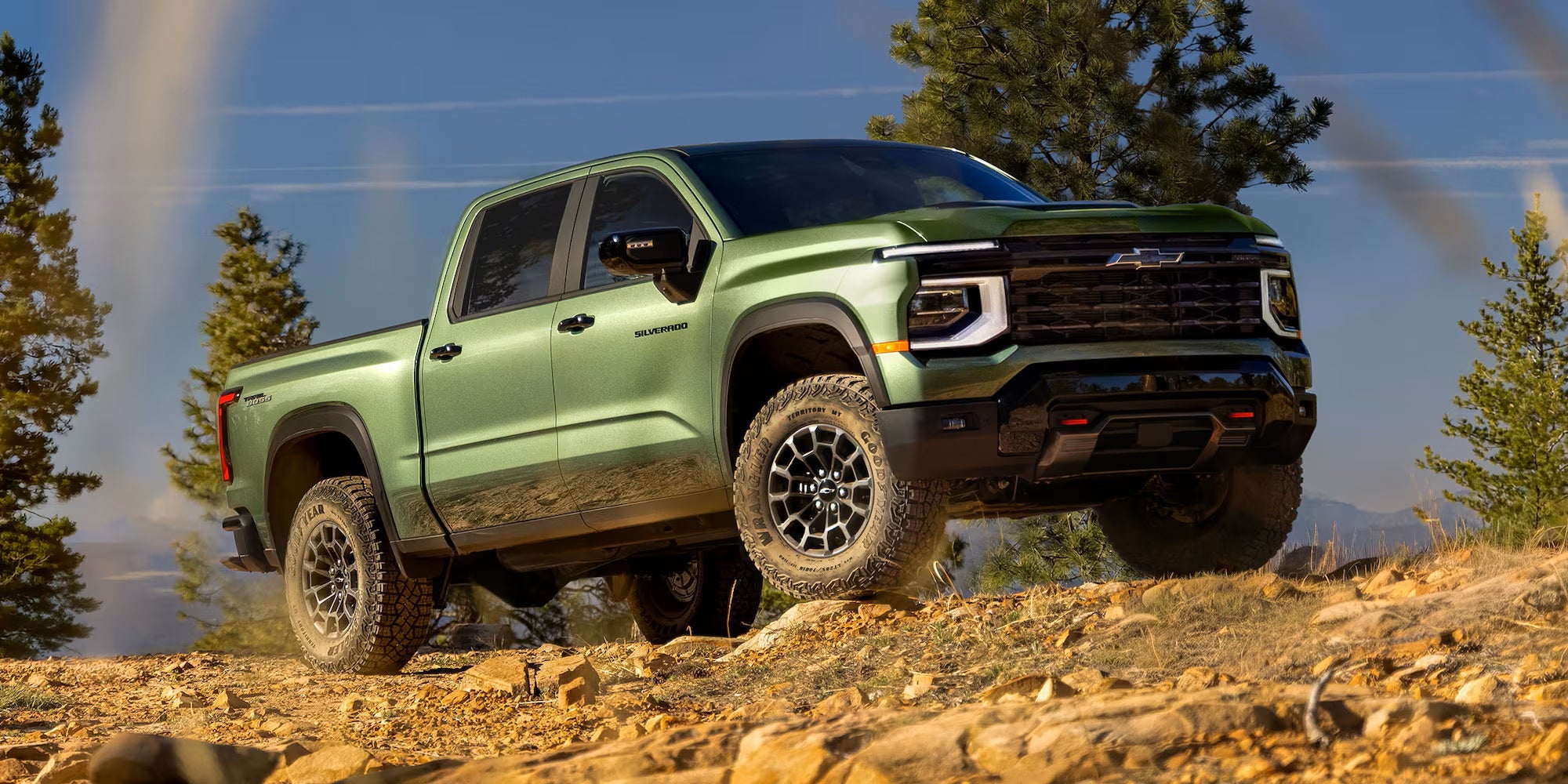
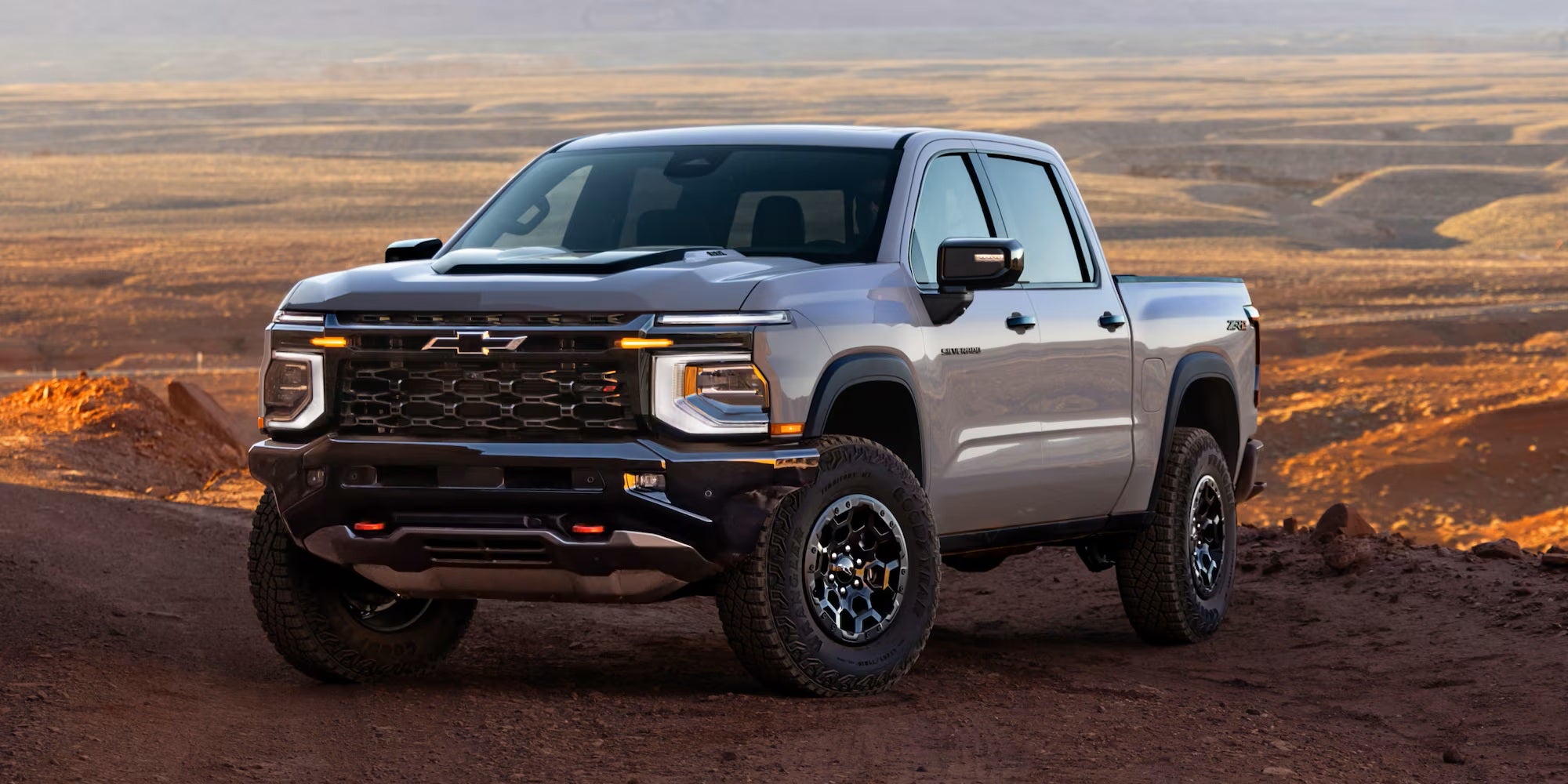
The next-generation Silverado is on the way, and Jet Chevrolet, part of Dinsmore Auto Group, is ready to help Federal Way truck shoppers follow every official update. Chevrolet has confirmed a full redesign for the 2027 Silverado, bringing fresh styling, revised powertrain choices, more technology, and a broader focus on capability for work, recreation, and everyday Pacific Northwest driving. Key Takeaways The 2027 Silverado is a completely redesigned next-generation light-duty pickup. Chevrolet has confirmed four engine choices, including new 5.7L and 6.6L V8 engines. The truck will offer seven models, from the work-focused WT to the off-road-ready ZR2 and premium High Country. New interior technology and an available Multi-Flex Center Console are part of the redesign. Chevrolet says the 2027 Silverado will be available and open for ordering later this year. What has been confirmed about the 2027 Silverado so far? The biggest Silverado news is that the 2027 Silverado is not simply a minor refresh. Chevrolet has confirmed that this is a completely redesigned truck, inside and out. The next-generation Silverado is expected to retain the versatile, hard-working personality truck owners expect while moving forward with a bolder look, a more refined cabin, and meaningful technology upgrades. Outside, the 2027 Silverado will feature a more planted stance and a stronger, more expressive grille. Chevrolet describes the new design as modern and athletic, yet still unmistakably Silverado. That matters for drivers in Federal Way, Kent, Auburn, Des Moines, Tacoma, and SeaTac, where a full-size truck may need to look professional at the jobsite, handle a wet commute, tow weekend equipment, and support an outdoor trip in the same week. Chevrolet has also confirmed seven available models: WT Custom Custom Trail Boss Silverado Trail Boss High Country ZR2 This lineup should give shoppers a broad range of choices, whether they prioritize straightforward utility, off-road confidence, upscale comfort, or a balance of capability and value. What 2027 Silverado changes are expected? Among the most significant 2027 Silverado updates are the powertrain changes. Chevrolet has announced four engine options: an upgraded TurboMax engine, the Duramax 3.0L Turbo-Diesel, and two next-generation V8 engines, a 5.7L and a 6.6L V8. The two all-new V8s are especially important. Chevrolet says the redesigned 5.7L and 6.6L V8 engines are engineered for improved power and torque, helping create the most capable and refined Silverado 1500 powertrain lineup yet. Final performance specifications, towing figures, payload ratings, fuel-economy estimates, and availability by trim have not yet been released, so shoppers should wait for Chevrolet’s official details before comparing exact numbers. Still, the confirmed engine lineup suggests the 2027 Silverado will continue to offer multiple ways to match a truck to the job. A driver who needs efficient long-distance towing may want to watch for Duramax details, while buyers who prefer classic V8 muscle will have two new options to consider. The upgraded TurboMax should also remain relevant for shoppers looking for strong low-end performance and a practical entry point into Silverado ownership. Off-road buyers have reason to pay attention, too. The Trail Boss and ZR2 are returning, and Chevrolet has confirmed a 2-inch factory lift for these adventure-oriented models. The ZR2 will also offer exclusive 35-inch mud-terrain tires, creating a more aggressive setup for uneven trails, muddy access roads, and weekend escapes beyond the pavement. Will the 2027 Silverado get new technology or safety features? Yes, Chevrolet has confirmed a redesigned interior with more intuitive, advanced technology. While the company has not released a complete feature-by-feature list for every trim, it has previewed several key additions. One notable available feature is the new Multi-Flex Center Console. It folds flat to create a sturdy, ergonomic workspace, a useful detail for owners who regularly work from their truck, manage equipment, review plans, or need a convenient surface between stops. Chevrolet also highlights redesigned interiors with materials and details tailored to the truck’s different trim levels. Connectivity will play a bigger role in the new Silverado experience. Chevrolet has announced standard OnStar Basics for eight years, including core connectivity and entertainment functions, remote commands, automatic crash response, in-vehicle apps, built-in voice assistance, and real-time navigation. Feature availability can vary by trim and configuration, so it will be important to review final equipment lists once ordering opens. The High Country is set to receive an especially premium treatment. Chevrolet has previewed an exclusive grille, modern black badging with Tritan Satin accents, exclusive 22-inch wheels, real wood interior detailing, debossed head restraints, and available micro-fiber suede accents. For truck shoppers who want towing strength and a more elevated daily-driving environment, the High Country could be one of the most compelling 2027 Silverado choices. When is the 2027 Silverado release date? Chevrolet’s current guidance is that the 2027 Silverado will be available later this year, with ordering also scheduled to open later this year. Chevrolet has not yet provided a specific on-sale date, pricing, trim-by-trim equipment breakdown, or full technical specifications. That means the best answer to the 2027 Silverado release date question is that official timing is still developing. We recommend following Chevrolet announcements and staying in touch with our team as more product information becomes available. At Jet Chevrolet, we can help shoppers understand confirmed updates as they arrive and prepare for future ordering opportunities. For buyers who need a truck sooner, this is also a good time to browse our current selection of available Silverado models on our lot. Comparing the current Silverado with the announced 2027 Silverado changes can make it easier to decide whether today’s truck meets your needs or whether waiting for the redesigned generation makes more sense. How can Pacific Northwest shoppers compare it? The smartest comparison starts with how you use your truck. Consider towing requirements, cargo needs, typical driving conditions, preferred cab and bed configuration, and the features that matter most for your daily routine. A current Silverado may be the right fit if you need a capable truck now, find a configuration in stock that meets your requirements, or prefer known specifications and available incentives. The 2027 Silverado may be worth waiting for if you are especially interested in the new V8 engines, redesigned cabin, latest connectivity features, or updated styling. Local conditions are worth considering, too. In the Pacific Northwest, drivers often need a truck that can handle rainy roads, changing terrain, boat launches, construction materials, and travel across the region. A Trail Boss or ZR2 may appeal to buyers who value added off-road capability, while the WT, Custom, and standard Silverado models may better serve businesses, commuters, and owners focused on practical utility. Our team has experience helping local truck buyers compare configurations based on real-life needs, not just a spec sheet. For the latest Silverado news, current trucks in stock, and guidance on the upcoming model, visit Jet Chevrolet in Federal Way. Jet Chevrolet and Dinsmore Auto Group invite drivers from Kent, Auburn, Des Moines, Tacoma, SeaTac, and throughout the Pacific Northwest to browse available Silverado models, compare your options, and schedule a test drive with our team. Instagram YouTube Facebook LInkedIn *Penned by AI, polished by humans

Prepare for Fall With the Chevy Trailblazer

Prepare for Fall With the Chevy Trailblazer

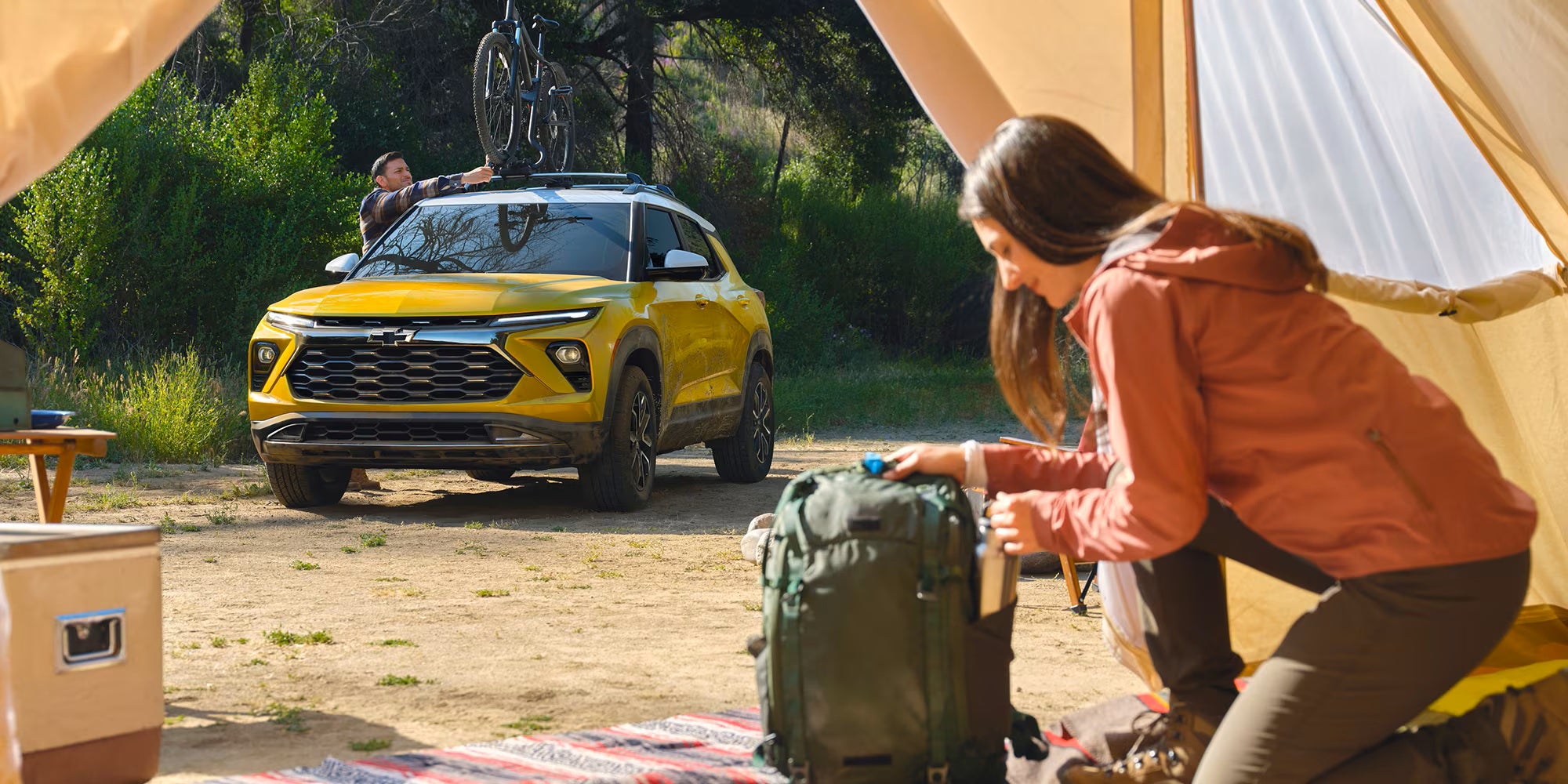
Fall in Federal Way brings familiar Pacific Northwest driving challenges, from steady rain and darker commutes to wet leaves, fog, and changing temperatures. At Jet Chevrolet, part of the Dinsmore Auto Group, we know drivers throughout Kent, Auburn, Des Moines, Tacoma, and SeaTac need a small SUV that feels easy to live with while offering useful confidence when Washington weather changes quickly. The Chevy Trailblazer deserves a close look for shoppers who want a versatile, comfortable, and well-equipped choice for everyday fall travel. Key Takeaways The Chevy Trailblazer is a small SUV with available AWD for added traction confidence in changing Washington fall driving conditions. Standard Chevy Safety Assist and an HD Rear Vision Camera support driver awareness in rain, low light, and busy traffic. Its manageable size, available driver-assistance features, and practical cargo flexibility suit daily driving comfort in the Pacific Northwest. Comparing traction, visibility, safety technology, comfort, and cargo space can help shoppers select the right SUV for fall use. What Should I Look for in an SUV for Washington Weather? A good Pacific Northwest SUV needs more than extra ground clearance or a rugged appearance. For Washington fall driving, we recommend focusing on the features that make a difference during normal daily travel: traction, visibility, safety support, comfort, and everyday practicality. Rain can arrive suddenly around Federal Way, while cooler mornings can leave roads slick with moisture or fallen leaves. An SUV with available all-wheel drive can be a smart consideration for drivers who regularly travel through hilly neighborhoods, take weekend trips toward the mountains, or simply want added confidence during wet-weather commutes. AWD does not replace attentive driving, quality tires, or extra stopping distance, but it can help provide traction when conditions are less predictable. Vehicle visibility also matters. Shorter daylight hours and frequent rain make features such as automatic high-beam assistance, a clear rearview camera, and well-designed exterior lighting especially valuable. For commuters traveling I-5 or making frequent trips around Kent, Auburn, Tacoma, or SeaTac, driver-assistance technology can add another layer of awareness in stop-and-go traffic. Finally, think about how the SUV fits your life when the weather is not ideal. Easy maneuverability, a comfortable cabin, flexible cargo space, and straightforward connectivity can make routine errands, school drop-offs, grocery runs, and weekend plans easier throughout the season. Is the Chevy Trailblazer Good for Fall Driving Conditions? The Chevy Trailblazer can be a strong fit for fall driving conditions because it combines a small, city-friendly footprint with features that address wet roads, limited visibility, and daily commuting needs. It is not a substitute for safe habits behind the wheel, but it offers useful equipment for drivers preparing for the season ahead. Available all-wheel drive is a key consideration for shoppers looking at AWD vehicles in the Pacific Northwest. It can give the Trailblazer added traction capability when rain-soaked pavement, gravel parking areas, or changing road surfaces are part of the drive. The Trailblazer also offers three selectable drive modes on appropriately equipped models, allowing the vehicle’s responses to be better matched to changing conditions. For many drivers, though, the Trailblazer’s appeal starts with its size. It is easier to park and maneuver than a larger SUV, which can be helpful in crowded shopping centers, downtown Tacoma streets, and tight parking areas around Federal Way. At the same time, its SUV shape provides a useful cargo area for rain gear, groceries, backpacks, sports equipment, or a weekend load of supplies. The Trailblazer is available with a standard 1.2L turbocharged three-cylinder engine or an available 1.3L turbocharged three-cylinder engine. The available 1.3L engine produces 155 horsepower and 174 lb.-ft. of torque, while the standard 1.2L engine produces 137 horsepower and 162 lb.-ft. of torque. Shoppers can compare powertrain availability, drivetrain configuration, and trim-level equipment to find the combination that matches their commute and priorities. How Does the Trailblazer Support Rainy Weather Driving? Rainy weather driving begins with the driver, including reduced speeds, smooth inputs, healthy tire tread, clear windows, and more following distance. The Chevy Trailblazer complements those habits with standard and available technologies designed to support awareness and control. Every Trailblazer includes Chevy Safety Assist, a suite of six driver-assistance features. Its equipment includes Forward Collision Alert and Automatic Emergency Braking, Front Pedestrian Braking, Lane Keep Assist with Lane Departure Warning, Following Distance Indicator, and IntelliBeam automatic high beams. These features are designed to help drivers recognize certain hazards and maintain awareness, but they do not replace the driver’s attention or responsibility to operate the vehicle safely. The standard HD Rear Vision Camera is another practical feature for wet, dim conditions, particularly when backing out of a driveway or parking space. Available features such as Adaptive Cruise Control, Lane Change Alert with Side Blind Zone Alert, Rear Cross Traffic Alert, and Rear Park Assist can provide additional support for drivers who spend time in busy traffic or crowded lots. For Washington fall driving, IntelliBeam can be especially convenient. It automatically adjusts high beams according to surrounding traffic and lighting conditions, helping drivers manage visibility during early evening commutes and darker rural or suburban stretches of road. It is a small feature that can feel meaningful when daylight fades earlier each week. Which Trailblazer Features Matter Most Locally? The right Trailblazer depends on your routine, but several features tend to be especially useful for Pacific Northwest drivers: Available AWD: A worthwhile option for drivers who want extra traction capability when rain, slush, hills, and variable road surfaces are part of regular travel. Chevy Safety Assist: Standard technologies can support alert, attentive driving during congested rainy-day commutes. HD Rear Vision Camera: Useful for visibility when reversing in wet or dark conditions. 11-inch touchscreen: The Trailblazer offers an 11-inch diagonal touchscreen, giving drivers a central place for compatible phone connectivity, navigation guidance, and entertainment functions. Flexible cargo room: With up to 8.5 feet of maximum cargo length, the Trailblazer can accommodate longer items while remaining easy to drive around town. If you are researching affordable SUVs in Federal Way, we encourage you to compare these practical details in person. A test drive gives you a better sense of seating position, outward visibility, steering feel, cargo access, and which available features matter most to your household. You can browse our current selection at Jet Chevrolet, compare available models on our lot, and schedule time to experience the Trailblazer on local roads. How Does It Compare With Other Small SUVs? When comparing the Chevy Trailblazer with other small SUVs for fall use, avoid looking only at starting price or exterior styling. Focus instead on the equipment that supports the way you actually drive in Washington. Comparison Area Why It Matters for Fall Available AWD Can add traction capability for wet pavement and variable road conditions Standard safety features Helps support driver awareness in traffic, rain, and lower-light conditions Visibility technology Rear camera and available alerts can make parking and lane changes easier Cabin comfort Matters during longer commutes and damp, chilly mornings Cargo flexibility Helps accommodate daily essentials, seasonal gear, and weekend plans Maneuverability Makes an SUV easier to park and drive in busy urban and suburban areas The best small SUV is not necessarily the largest or most aggressive-looking model. It is the one that gives you the right balance of comfort, confidence, technology, and capability for your needs. The Trailblazer’s combination of available AWD, standard driver-assistance equipment, compact dimensions, and practical interior makes it a compelling option for daily driving in the Pacific Northwest. Find Your Fall-Ready SUV in Federal Way For drivers asking, “Is the Chevy Trailblazer good for fall driving conditions?” the answer is that it offers many of the attributes Washington shoppers should prioritize, including available AWD, helpful visibility technology, standard safety support, and comfortable everyday usability. Jet Chevrolet and the Dinsmore Auto Group are ready to help you explore current Trailblazer inventory in Federal Way, compare available vehicles, and schedule a test drive that fits your commute. Visit us to see which Chevy Trailblazer can help make your fall driving routine feel more prepared. Instagram YouTube Facebook LInkedIn *Penned by AI, polished by humans

Why Jet Chevrolet Is a Top Choice

Why Jet Chevrolet Is a Top Choice

Finding the right place to buy or service a vehicle is about more than choosing a brand. For drivers across Des Moines, Kent, Auburn, SeaTac, Tacoma, and Federal Way, the dealership shopping experience should feel informed, straightforward, and centered on real driving needs. At Jet Chevrolet, part of the Dinsmore Auto Group, we help shoppers compare Chevy vehicles, explore options confidently, and find dependable support long after the sale. Key Takeaways A strong Chevy dealership comparison should include inventory, vehicle knowledge, financing options, and service support. Jet Chevrolet gives South Sound drivers access to new Chevrolet models and a broad range of used vehicles. The right vehicle depends on how you commute, travel, work, tow, and handle Pacific Northwest weather. Service and parts support matter just as much as the initial purchase experience. Federal Way can be a convenient destination for drivers shopping from Des Moines, Tacoma, Kent, Auburn, and nearby communities. What Should I Look for in a Chevy Store Near Des Moines? When asking, “What should I look for in a Chevy store near Des Moines?” start with selection and guidance. A dealership should make it easier to compare different body styles, trims, features, and powertrain choices without making the process feel overwhelming. Whether you are considering a compact SUV, a family-ready three-row model, a capable pickup, or a used vehicle for everyday transportation, having multiple options in one place helps you make a more informed decision. At Jet Chevrolet in Federal Way, our current selection is designed to give shoppers room to compare. A commuter may find the Chevrolet Equinox appealing for its practical SUV versatility, while a growing household may want the added passenger and cargo room of the Chevrolet Traverse. Drivers who need truck capability can compare available Chevrolet Silverado 1500 models with heavier-duty Silverado HD options based on towing, hauling, and job-site needs. A dealership should also understand local driving conditions. From I-5 traffic between Des Moines and Tacoma to rainy commutes through Kent or Auburn, the best cars for commuting in the Pacific Northwest need to fit the way people actually drive. We know that shoppers may prioritize visibility, cargo flexibility, driver-assistance technology, all-weather confidence, or a comfortable daily ride. The right answer is not always the biggest vehicle or the newest trim. It is the vehicle that suits your routine. How Do I Compare Chevy Dealerships Before Buying? A meaningful Chevy dealership comparison goes beyond advertised pricing. Compare the full experience, including vehicle availability, product knowledge, financing guidance, trade-in support, and the ability to serve you after you drive home. Buying a vehicle is an important decision, and you deserve time to ask questions, look closely at features, and test-drive models that fit your priorities. One helpful approach is to make a short list before you visit. For example, a shopper choosing between the Chevrolet Trailblazer and Chevrolet Equinox may want to compare parking-friendly size, interior space, available features, and overall value. Someone shopping for a larger SUV may want to experience the Chevrolet Tahoe in person before deciding whether its passenger room, capability, and presence fit their lifestyle. We recommend comparing vehicles side by side rather than relying only on an online spec sheet. Sitting in the driver’s seat, checking second-row access, seeing cargo space, and driving on familiar South Sound roads can make the decision much clearer. If you are shopping for cars for sale in Federal Way, browse our inventory online, save a few vehicles that stand out, then schedule a test drive to compare them in person. Trust is another important factor. Look for a dealership that is prepared to answer direct questions about the vehicle, available features, ownership considerations, and the next steps in the buying process. A better dealership shopping experience is one where you feel informed, not rushed. What Makes One Chevy Dealership Better Than Another? The difference often comes down to consistency. A dealership can have a vehicle you like, but the experience should also include knowledgeable help, clear communication, and support you can return to later. When you choose a dealership, you are choosing a resource for future maintenance, genuine parts, vehicle questions, and possibly your next purchase. This is especially important for drivers considering specialized vehicles. A Chevrolet Colorado can be a strong choice for someone who wants midsize truck utility for workdays and weekend projects. A Chevrolet Blazer may appeal to drivers looking for bolder SUV styling and responsive road manners. For customers considering electric driving, vehicles such as the Chevrolet Equinox EV or Blazer EV can introduce different ownership questions around charging, range, and daily use. Working with a team that can discuss the details in plain language makes the process easier. Service and parts support should be part of your decision from the beginning. Routine maintenance, brake service, tire care, repairs, and genuine Chevrolet parts all play a role in protecting your vehicle investment. Our service team supports Chevrolet owners with professional maintenance and repair needs, using genuine Chevrolet parts for applicable repairs. That ongoing relationship can bring real peace of mind, whether you drive a newer Silverado, a well-loved used Chevy, or another vehicle from our lot. Can Tacoma Dealerships Be a Good Option for Des Moines Drivers? Yes, Tacoma dealerships can be worth considering for Des Moines drivers, particularly when a specific vehicle, trim, or price point is available. However, Federal Way is often a convenient alternative for shoppers throughout the South Sound. Jet Chevrolet is located on Enchanted Parkway South in Federal Way, making it accessible for drivers coming from Des Moines, Kent, Auburn, SeaTac, and Tacoma. Convenience should include more than the drive to the showroom. Think about where you will return for oil changes, scheduled maintenance, genuine parts, warranty-related needs, or future vehicle shopping. Choosing a nearby dealership with an inventory that matches your needs can save time throughout ownership. For some drivers, that may mean shopping for affordable SUVs in Federal Way. For others, it may mean finding a used truck, comparing AWD vehicles in the Pacific Northwest, or locating a family vehicle with the space and flexibility needed for school, carpools, recreation, and road trips. What Factors Matter When Buying a Used Chevy? When buying a used Chevy, look for a dealership that offers meaningful choice and helps you evaluate each vehicle based on condition, features, mileage, history, and intended use. A quality used car dealership should help you focus on fit, not just payment or color. A used Chevrolet is not one-size-fits-all. A pre-owned Equinox can be a practical option for a daily commuter or small family. A used Silverado may make sense for drivers who need work-ready capability at a different budget point than a new truck. A pre-owned Tahoe or Suburban can be worth considering for shoppers who need substantial passenger room and cargo capacity. Dinsmore Auto Group also provides used-inventory search options across its dealership network, helping customers explore vehicles that fit their needs and budget. Before making a final decision, take the test drive seriously. Check comfort, visibility, controls, cargo space, ride quality, and how naturally the vehicle fits your day-to-day needs. Ask about the vehicle’s available features and condition, then consider the service support available after purchase. For Des Moines-area drivers, choosing a dealership should feel like choosing a long-term automotive partner. Visit Jet Chevrolet in Federal Way, part of the Dinsmore Auto Group, to browse our current inventory, compare available Chevrolet models and used vehicles, and schedule a test drive that helps you move forward with confidence. Instagram YouTube Facebook LInkedIn *Penned by AI, polished by humans

Giving an employee keys to a company work vehicle

When Should a Business Move From Employee Vehicles to Company-Owned Work Vehicles?

Many small trade businesses start with employees using their own vehicles for occasional work-related driving. As the company grows, however, there may come a point when dedicated company work vehicles make more sense. There isn't a universal fleet size where that transition should happen. The better question is whether personal vehicles still fit the way the business operates. When Personal Vehicles Can Work For occasional business driving, using employee-owned vehicles can be a practical arrangement. Businesses may reimburse employees for qualifying business mileage or vehicle expenses under an appropriate reimbursement policy. However, occasional trips are different from asking an employee's personal vehicle to function as a work vehicle every day. Look at What Employees Are Actually Doing As field work increases, consider how employees are using their personal vehicles. Are they regularly traveling between job sites? Carrying company tools or materials? Making frequent customer visits? Towing or transporting equipment? Putting substantial business mileage on their own vehicles? If business use has become a major part of the vehicle's daily role, it may be worth evaluating whether a company-owned vehicle is a better fit. Company Vehicles Give the Business More Control With a company-owned work vehicle, the business chooses the vehicle based on the work it needs to perform. The company can also establish consistent policies for authorized drivers, maintenance, fuel, vehicle use, and equipment. That's different from relying on employees' personal vehicles, which may vary considerably in age, condition, capability, and suitability for the work. Insurance should also be reviewed carefully whenever employees drive for business, whether they use personal or company vehicles. The appropriate coverage depends on the business and how the vehicles are used. Consider the Employee Side Too Regularly using a personal vehicle for work can mean additional mileage and wear for the employee. A reimbursement program can address qualifying business vehicle expenses, but it doesn't necessarily answer the broader operational question of whether an employee's personal car or truck is the right vehicle for the job. As a company adds crews or expands its service territory, providing work vehicles may become part of building the infrastructure needed to support field operations. Plan for the Transition to Company Vehicles Moving to company-owned vehicles gives a business greater control over how its work vehicles are selected, maintained, and used. It also means bringing expenses such as insurance, maintenance, registration, fuel or charging, and fleet administration into the company's operating plan. Clear vehicle-use policies are important as well. If employees are allowed to commute or use company vehicles personally, there may be tax and recordkeeping considerations depending on the circumstances, so businesses should work with their tax and insurance professionals when establishing those policies. Planning for these responsibilities from the beginning can help a business build a fleet that supports its crews and continues to work as the company grows. Is your business reaching the point where dedicated work vehicles make sense? Connect with the Jet Chevrolet team at (253) 336-4216 to discuss your commercial vehicle needs. Do More. Save More. Experience MORE. Final Thoughts Employee-owned vehicles can work well when business driving is limited. But, as crews spend more time on the road and vehicles become more important to daily operations, dedicated company work trucks may deserve a closer look. Consider how often employees drive for work, what they're carrying, what the job requires, and how much control the business needs over its vehicles. The right time to build a company fleet is different for every business, but the decision should follow how the company actually operates.

Tracking statistics about a commercial fleet vehicle

The First 90 Days With a New Fleet Vehicle: What Businesses Should Track

Adding a new work truck or commercial vehicle to your fleet is only the beginning. The first few months of actual use can tell you whether the vehicle is performing the job you purchased it to do. Instead of waiting until the end of the year to evaluate a new vehicle, use its first 90 days to establish a baseline. Mileage, fuel use, maintenance needs, utilization, and feedback from the employees using the vehicle can all provide useful information for future fleet decisions. Start With a Clear Vehicle Record Before the vehicle enters regular service, document the basics. Record the VIN, vehicle configuration, assigned driver or crew if applicable, in-service date, initial mileage, and any accessories or upfits installed on the vehicle. Keep relevant warranty, maintenance, and vehicle documentation accessible as well. Starting with accurate records gives you something to reference later when reviewing operating history or comparing vehicles within the fleet. Track How Much the Vehicle Is Actually Used One of the simplest things to measure is utilization. Depending on the type of work vehicle, useful measurements can include: Miles driven Days in use Number of trips Engine hours, when relevant Type of work or routes the vehicle regularly handles After 90 days, compare actual use with what you expected when the vehicle was purchased. A truck intended for daily field work may be operating differently than anticipated, and that information can be useful when deciding what the next vehicle should look like. Establish a Fuel-Use Baseline Record fuel purchases and mileage consistently from the beginning. The goal isn't necessarily to decide whether a vehicle is “good” or “bad” based on its first few tanks. Fuel consumption can be affected by driving conditions, load, routes, idling, weather, and how the vehicle is used. Instead, the first 90 days can provide an initial operating baseline that can be compared with the vehicle's performance over time or with similar vehicles performing similar work. Fuel consumption and mileage are commonly tracked together as part of fleet performance monitoring. Get Feedback From the People Using It Numbers don't tell you everything. Ask the employees who regularly use the vehicle whether it fits the work. Are they frequently carrying passengers? Is the vehicle being used for the jobs you expected? Are there features or equipment they use constantly? Is something about the configuration making routine work unnecessarily difficult? This doesn't mean every preference requires a change. The goal is to identify patterns that could inform the next vehicle purchase or upfit. Review the Vehicle at 30, 60, and 90 Days You don't need a complicated reporting system to learn from a new fleet vehicle. A simple review at roughly 30, 60, and 90 days can help answer: Is the vehicle being used as expected? Look at mileage, trips, routes, assignments, and the work it's performing. Is the configuration working? Talk with the employees using it and note recurring issues or needs. What is it costing to operate so far? Review fuel and any maintenance or other vehicle-specific operating expenses you've chosen to track. At 90 days, you should have a clearer picture of how the vehicle fits into the business than you had on the day you bought it. Use What You Learn on the Next Purchase The greatest value of tracking a new vehicle may come when it's time to buy another one. If a particular configuration works well, you have real-world experience supporting that decision. If the vehicle is consistently being used differently than expected, that information can help you reconsider the next purchase. Over time, keeping consistent records across multiple vehicles can give a business its own operating history rather than relying entirely on assumptions when making fleet decisions. Fleet utilization data is commonly used to inform acquisition, allocation, and replacement planning. Adding or replacing a commercial vehicle? Connect with the Jet Chevrolet team at (253) 336-4216 to discuss your business and fleet needs. Do More. Save More. Experience MORE. Final Thoughts The first 90 days with a new fleet vehicle are an opportunity to learn whether the vehicle fits the job it was purchased to perform. Track how it's used, what it costs to operate, how employees work with it, and whether the original configuration still makes sense after real-world use. Those early observations can help turn one vehicle purchase into better information for the next fleet decision.

Commercial Fleet Vehicles

How Many Work Vehicles Does Your Business Actually Need?

As a business grows, knowing when to add another work vehicle isn’t always obvious. A contractor may have enough trucks most days but run short when multiple crews need to be in different places. Another business may have vehicles sitting often enough that adding another one doesn’t make sense yet. That’s where fleet sizing comes in. Fleet sizing is about matching the number and types of commercial vehicles you operate to the work your business actually performs. Start With How Your Vehicles Are Actually Used Mileage alone doesn’t tell you whether your fleet is the right size. A local service van may accumulate relatively few miles while still being needed every day. Instead, look at how frequently each vehicle is needed. Are most working every day? Are certain trucks constantly requested by multiple employees? Are others regularly sitting unused? The goal is to understand whether your current fleet has enough capacity to support the work your crews are ready to perform. Watch for Vehicle Scheduling Conflicts One of the clearest signs that a business may be outgrowing its fleet is when vehicle availability starts affecting scheduling. Watch for situations like: Two crews regularly needing the same vehicle Employees waiting for a vehicle before leaving for a job Jobs being scheduled around vehicle availability Frequent vehicle reassignment between crews A specialized truck being unavailable when needed An occasional conflict is normal. When it becomes routine, vehicle availability may be creating a bottleneck. Think in Crews, Not Just Employees Ten employees don’t necessarily require ten vehicles. A service business with technicians traveling independently may need more vehicles than a contractor whose employees travel together in crews. A better question is: How many crews need to operate independently at the same time? Then consider what each crew needs to carry, tow or access throughout the day. Plan for Growth Your current workload isn't the only factor. If you're hiring technicians, adding another crew, expanding your service territory or taking on more work, your vehicle needs may grow along with the business. Ideally, vehicle planning happens alongside hiring and expansion, not after a new employee is ready to work and there isn't an appropriate vehicle available. Make Sure You Have the Right Mix of Vehicles Fleet sizing isn't only about how many vehicles you have. It's also about what those vehicles can do. Service vans, pickups, towing vehicles and specialized work trucks may serve completely different roles. A business can have enough vehicles overall and still experience shortages if too few are equipped for a particular job. Also consider what happens when a key vehicle is unavailable for maintenance or repairs. If losing one truck immediately disrupts the schedule, that may be worth factoring into future fleet planning. When Does Adding Another Vehicle Make Sense? Before expanding your fleet, consider: Are vehicle conflicts happening regularly? Are you adding another independently operating crew? Is the business expanding into a larger service area? Do you need capabilities your existing vehicles don't provide? Would another vehicle allow your team to complete additional work? Is the need consistent rather than just seasonal? If there’s a clear answer, it may be time to evaluate additional fleet capacity. Why Western Washington Businesses Work With Jet Chevrolet Located in Federal Way along the I-5 corridor, Jet Chevrolet works with commercial customers throughout Western Washington, including Federal Way, Tacoma, Kent, Auburn, Puyallup, Olympia, Seattle, Bellevue, Renton, Everett and Lynnwood. As part of Dinsmore Auto Group, Jet Chevrolet is locally owned and family operated. Our commercial team works with businesses to evaluate vehicle options based on their work and fleet requirements. Do More. Save More. Experience MORE. As your business adds employees, crews, customers or service areas, your commercial vehicle needs may change with it. Planning to add another work truck or commercial vehicle? Connect with the Jet Chevrolet team at (253) 336-4216 to discuss your fleet needs. Final Thoughts There isn't one vehicle-to-employee ratio that works for every business. The right fleet size depends on how your crews operate, what your vehicles need to accomplish and where your business is headed. When vehicle availability starts limiting the work your team is ready to perform, it may be time to consider adding capacity.

Gas vehicle towing a payload

Gas vs. Diesel Work Trucks: Which Engine Makes Sense for Your Business?

When choosing a heavy-duty work truck, one of the biggest decisions is whether to go with a gasoline or diesel engine. Neither is automatically better. The right choice depends on what the truck will actually be asked to do. For fleet buyers, the best place to start is with the job rather than the engine. Start With How the Truck Will Be Used Before choosing gas or diesel, consider: How frequently the truck will tow The trailers it needs to handle Typical cargo and passenger loads Daily driving conditions How the vehicle will be used throughout the workweek A truck primarily carrying crews and equipment between job sites may have different requirements than one regularly towing substantial trailers. When a Gas Work Truck May Make Sense A gas-powered truck can be a practical choice when its capabilities match the work the business needs to perform. Businesses using trucks for job-site travel, carrying crews and equipment, or towing within the vehicle's rated capabilities shouldn't assume diesel is necessary simply because the vehicle is used commercially. The important question is whether the specific truck and configuration can safely handle the work required of it. When Diesel May Make Sense Diesel deserves consideration when a business has more demanding towing requirements. Diesel engines offered in many heavy-duty pickups can provide greater torque than comparable gasoline engine options, which can make them worth considering for more demanding towing applications. That doesn't mean every business that tows needs diesel. The actual trailer, frequency of towing, vehicle configuration, and operating requirements should guide the decision. Look Beyond the Engine The engine isn't the only factor that determines what truck fits a certain job. Cab and bed configuration, drivetrain, equipment, passengers, cargo, trailer type, and installed accessories can all affect a vehicle's capabilities. Fuel costs, purchase price, maintenance requirements, expected ownership period, and utilization can also affect the financial side of the decision. Rather than assuming gas or diesel will always cost less, businesses should evaluate those factors based on their own expected use. Check the Specific Vehicle Published maximum towing figures shouldn't automatically be treated as the capability of every truck in a model line. Before purchasing a work truck for towing or hauling, review the ratings and documentation for the specific vehicle and configuration being considered. Comparing gas and diesel work trucks for your business? Connect with the Jet Chevrolet team at (253) 336-4216 to discuss your commercial vehicle needs. Do More. Save More. Experience MORE. Final Thoughts Gas versus diesel isn't about which engine is universally better. A gas work truck may provide everything one business needs, while a diesel may be better suited to another operation with more demanding towing requirements. Start with the work the truck needs to perform, then compare the specifications and ratings of the specific vehicles you're considering.

Title and Registration for a Fleet Vehicle

Fleet Vehicle Titles, Registration, and Records: What Businesses Should Keep Organized

As a business adds commercial vehicles and work trucks, keeping accurate records helps make the fleet easier to manage. Important vehicle information may be needed for registration, insurance, maintenance, warranty work, upfits, and eventually a sale or trade-in. Creating a consistent record for each vehicle gives the business one place to find that information throughout the vehicle’s time in the fleet. Create a Record for Every Vehicle Each company vehicle should have its own record rather than relying on information scattered across different locations. Useful information to maintain can include: VIN and license plate number Title and registration information Purchase or lease documents Insurance information Maintenance and repair history Warranty information Upfit and accessory documentation Mileage or utilization records Exactly what a business needs to retain can vary, but keeping vehicle-specific information together makes it easier to find when needed. Keep Important Information Accessible Some vehicle information may need to be readily available when a work truck is on the road, while other records are better kept securely with the business. Establishing a consistent process for where documents are stored can help employees and managers know where to find the information they need without relying on paperwork being passed between drivers. Businesses should also make sure they follow applicable state requirements for documents that must be carried or available in a vehicle. Don't Forget Upfit Documentation Commercial vehicles often receive equipment or modifications to prepare them for a specific job. Service bodies, racks, storage systems, towing equipment, electrical equipment, and other additions may come with invoices, warranties, instructions, or specifications. Keeping those records associated with the correct vehicle can be useful for future service, warranty questions, replacement parts, or when the vehicle is eventually sold or traded. Maintain a Service History Maintenance records provide a history of what has been done to each vehicle and when. Recording scheduled maintenance, repairs, tire service, and other significant work gives the business a clearer picture of each vehicle's history. For a growing fleet, consistent records also make it easier to review an individual truck without relying on employee memory. Keep Records Through the Vehicle's Time in the Fleet Vehicle records can remain useful from the day a work truck enters service until the day it leaves the fleet. When it's eventually time to sell or trade a vehicle, having purchase information, equipment documentation, and service records readily available can make it easier to review the vehicle's history and prepare for its next step. The system doesn't have to be complicated. The goal is simply to create a consistent process that follows each vehicle throughout its time with the business. Adding work trucks or commercial vehicles to your business? Connect with the Jet Chevrolet team at (253) 336-4216 to discuss your fleet needs. Do More. Save More. Experience MORE. Final Thoughts A work truck is an important business asset, and keeping its records organized helps the business manage that asset throughout its time in the fleet. A consistent system for registration information, insurance documents, service history, warranties, and upfit records can become even more useful as a business adds vehicles and grows its fleet.

Filling up gas with a Fuel Card

Fleet Fuel Cards: When Do They Make Sense for a Small Business?

As a business adds work trucks and drivers, keeping track of fuel purchases can become more complicated. A fleet fuel card can provide a more centralized way to manage and review those transactions. For small businesses, the question is whether the additional controls and reporting are useful for the way your vehicles operate. What Is a Fleet Fuel Card? A fleet fuel card is a payment card designed specifically for business vehicle expenses. Depending on the provider and program, businesses may be able to assign cards to specific vehicles or drivers, set purchasing controls, and collect transaction information in one place. Features and fees vary, so businesses should compare individual programs before choosing one. When Fuel Cards Can Be Useful A dedicated fuel-card program may become more useful as the number of vehicles and drivers grows. Potential benefits can include: Keeping business fuel purchases separate from personal expenses Consolidating fuel transactions Setting purchasing limits or restrictions, when offered Tracking purchases by vehicle or driver Simplifying recordkeeping This can give owners and fleet managers a clearer view of how fuel is being purchased across company vehicles. Fuel Cards Aren't the Only Option A small business with only a few vehicles may already have a system that works well, such as a business credit card and consistent expense reporting. Fuel cards can also differ in where they're accepted, what controls they offer, and what fees or discounts may apply. A program should be evaluated based on the business's routes, drivers, and purchasing needs rather than assuming a fleet-specific card will automatically save money. Use the Data The value of a fuel card isn't limited to paying at the pump. Transaction records can help businesses review fuel spending and identify unusual purchasing patterns or differences between vehicles or employees. That information becomes more useful when it's reviewed consistently rather than simply collected. Looking for work trucks or commercial vehicles for your growing fleet? Connect with the Jet Chevrolet team at (253) 336-4216 to discuss your commercial vehicle needs. Do More. Save More. Experience MORE. Final Thoughts Fleet fuel cards can provide useful controls and recordkeeping as a business adds vehicles and drivers, but they aren't necessary for every operation. The right system is the one that gives your business an efficient, manageable way to pay for fuel and understand where those expenses are going.

Employer giving their keys to employee

Adding Your First Employee-Driven Work Vehicle: What Should You Plan For?

For many small businesses, the first work vehicle is often driven by the owner. As the company grows and adds technicians or crews, that can change. Adding your first employee-driven company vehicle can give another employee or crew the ability to operate independently and help the business handle more work. Before choosing the vehicle, consider how it will actually be used. Start With the Employee's Role It is important to consider: How many people will normally ride in it? What tools, parts, or materials will they carry? Will they tow equipment? Will they make service calls or travel to jobsites? Does the vehicle need racks, shelving, toolboxes, or another upfit? Starting with the job can help narrow down the appropriate truck, van, or commercial configuration. Decide How the Vehicle Will Be Used Determine whether the vehicle will be assigned to one employee, shared among employees, or assigned to a particular crew. The business should also establish expectations for where the vehicle is kept and when it can be used. If employees can take company vehicles home or use them personally, businesses should review any applicable insurance, tax, and recordkeeping considerations with the appropriate professionals. Establish Clear Driver Expectations Once employees begin operating company vehicles, a basic vehicle policy can help establish expectations for: Authorized drivers Vehicle use Accident or damage reporting Fuel or charging Maintenance notifications Traffic and parking violations The exact policy will vary by business, but establishing one early creates a foundation as the fleet grows. Make Vehicle Reporting Simple The employee driving the vehicle every day may be the first to notice when something needs attention. Create a simple way to report warning lights, damage, unusual vehicle behavior, or upcoming maintenance. This helps make vehicle communication part of the normal workflow. Think Beyond the First Vehicle Your first employee-driven vehicle may eventually become one of several. Pay attention to what works. Is the cargo space appropriate? Does the upfit fit the job? Which features are useful? What would you change next time? Those lessons can help guide future commercial vehicle purchases as the company adds employees and crews. Why Western Washington Businesses Work With Jet Chevrolet Located in Federal Way along the I-5 corridor, Jet Chevrolet works with commercial customers throughout Western Washington, including Federal Way, Tacoma, Kent, Auburn, Puyallup, Olympia, Seattle, Bellevue, Renton, Everett, and Lynnwood. As part of Dinsmore Auto Group, Jet Chevrolet is locally owned and family operated. Our commercial team works with businesses evaluating work trucks and commercial vehicles based on their operational needs. Do More. Save More. Experience MORE. Adding an employee-driven work vehicle can be an exciting stage of business growth, giving employees or crews the ability to operate independently. Ready to add a work truck, service van, or commercial vehicle to your business? Connect with the Jet Chevrolet team at (253) 336-4216 to discuss your commercial vehicle needs. Final Thoughts Your first employee-driven work vehicle is about more than handing someone the keys. Consider the work they'll perform, establish clear expectations for its use, and use what you learn to help plan your fleet as the business continues to grow.

Contact Us

Fill out this form below and we'll contact you shortly
*Required Fields