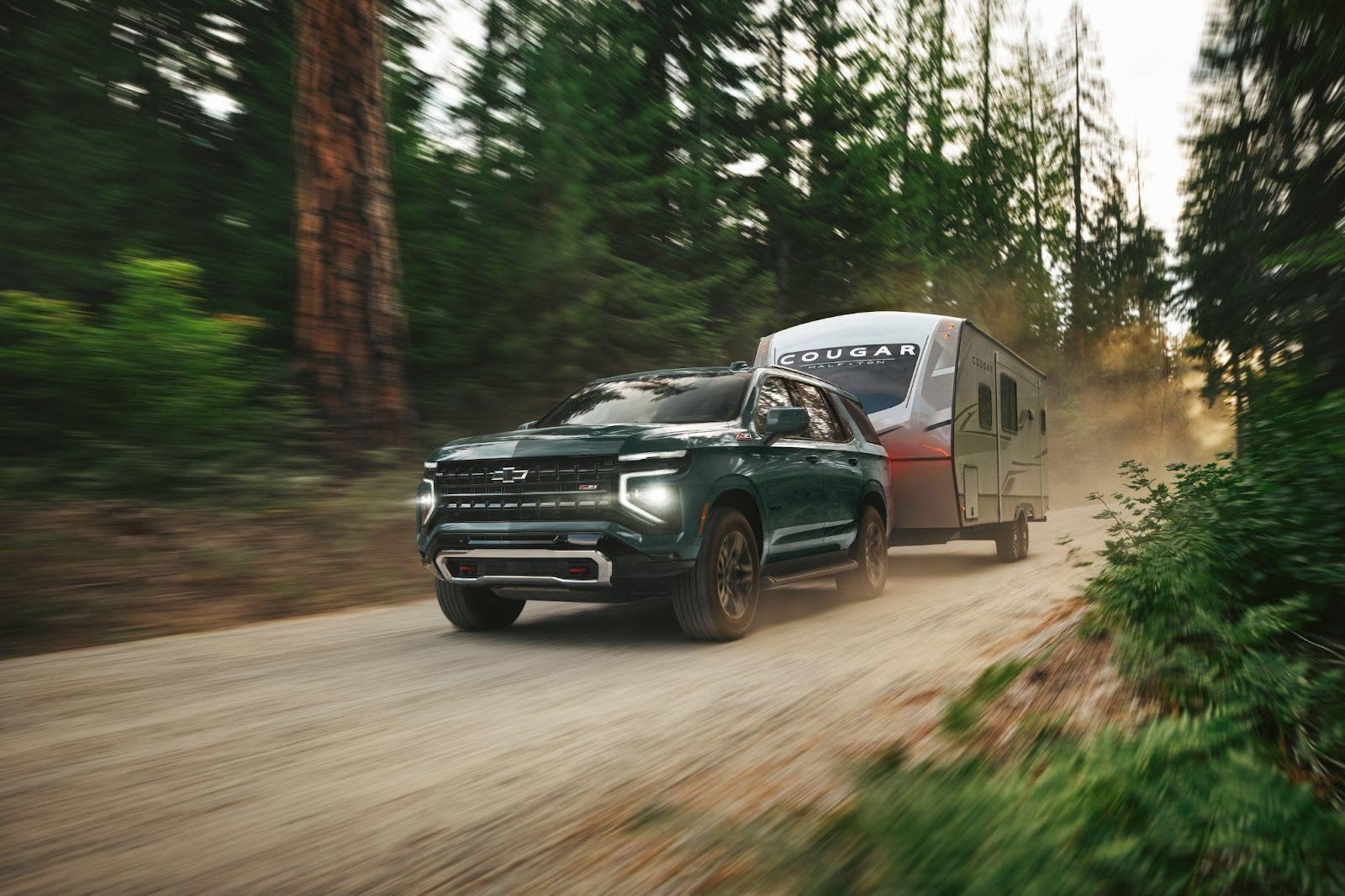
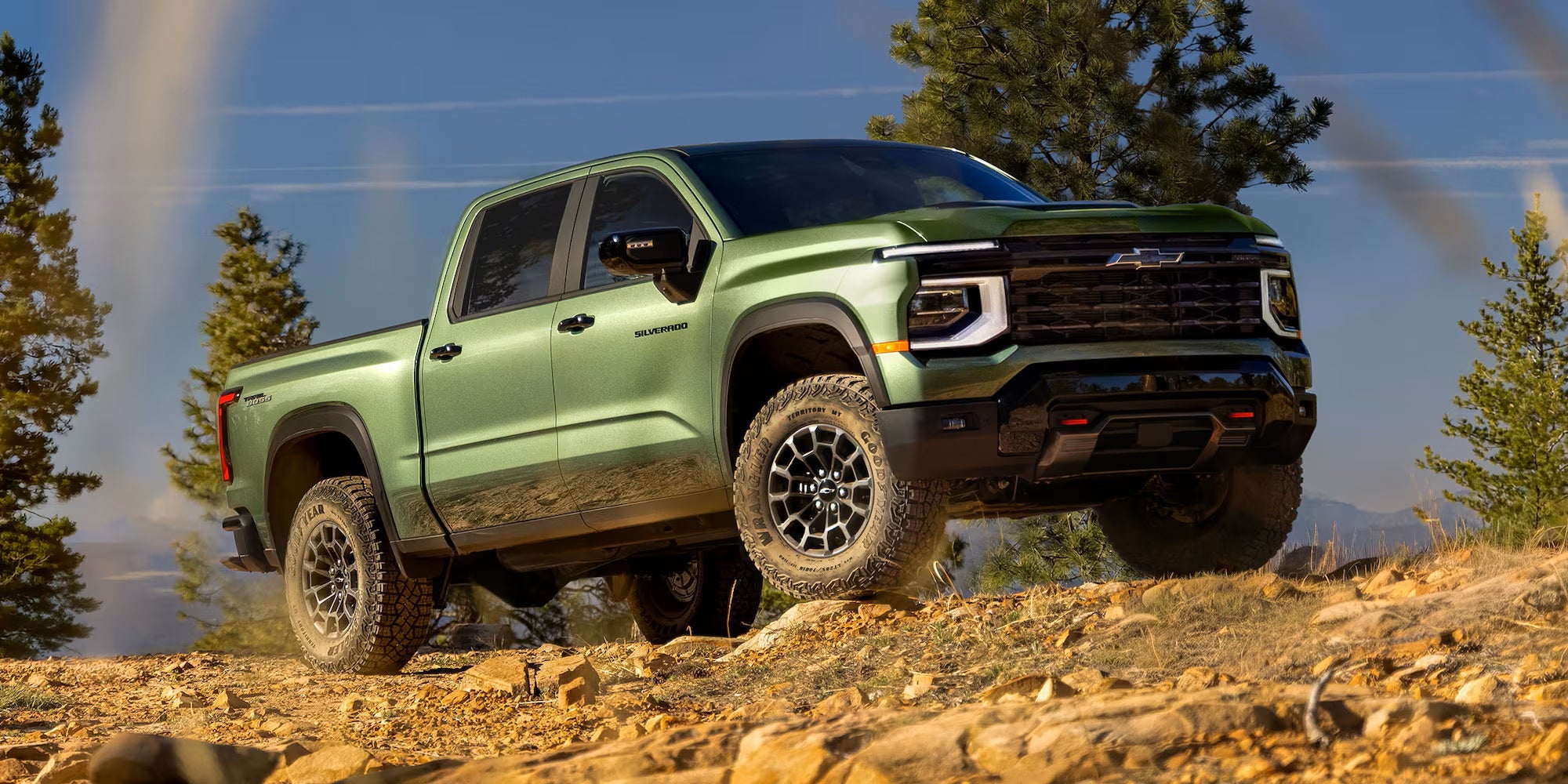
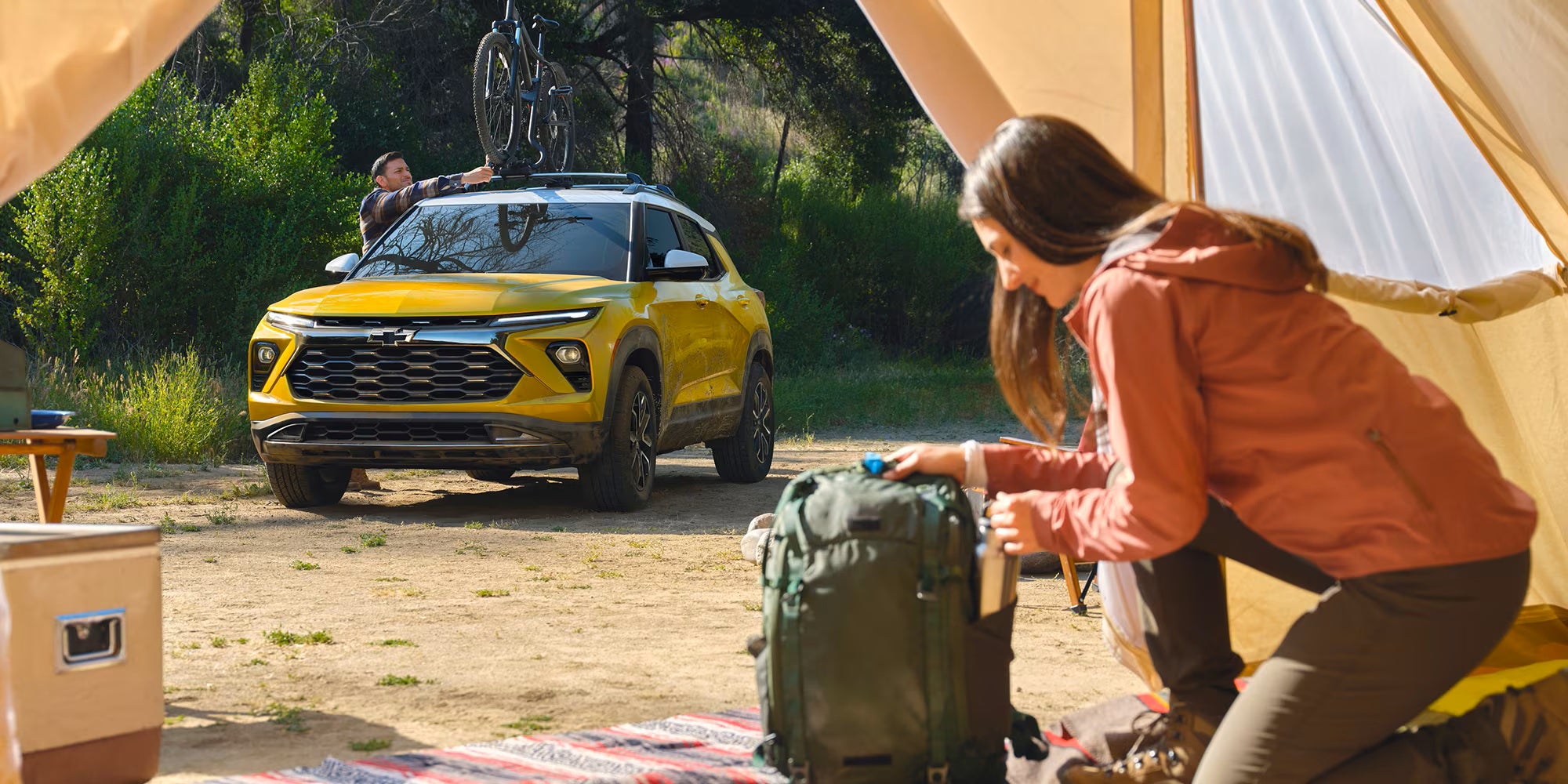
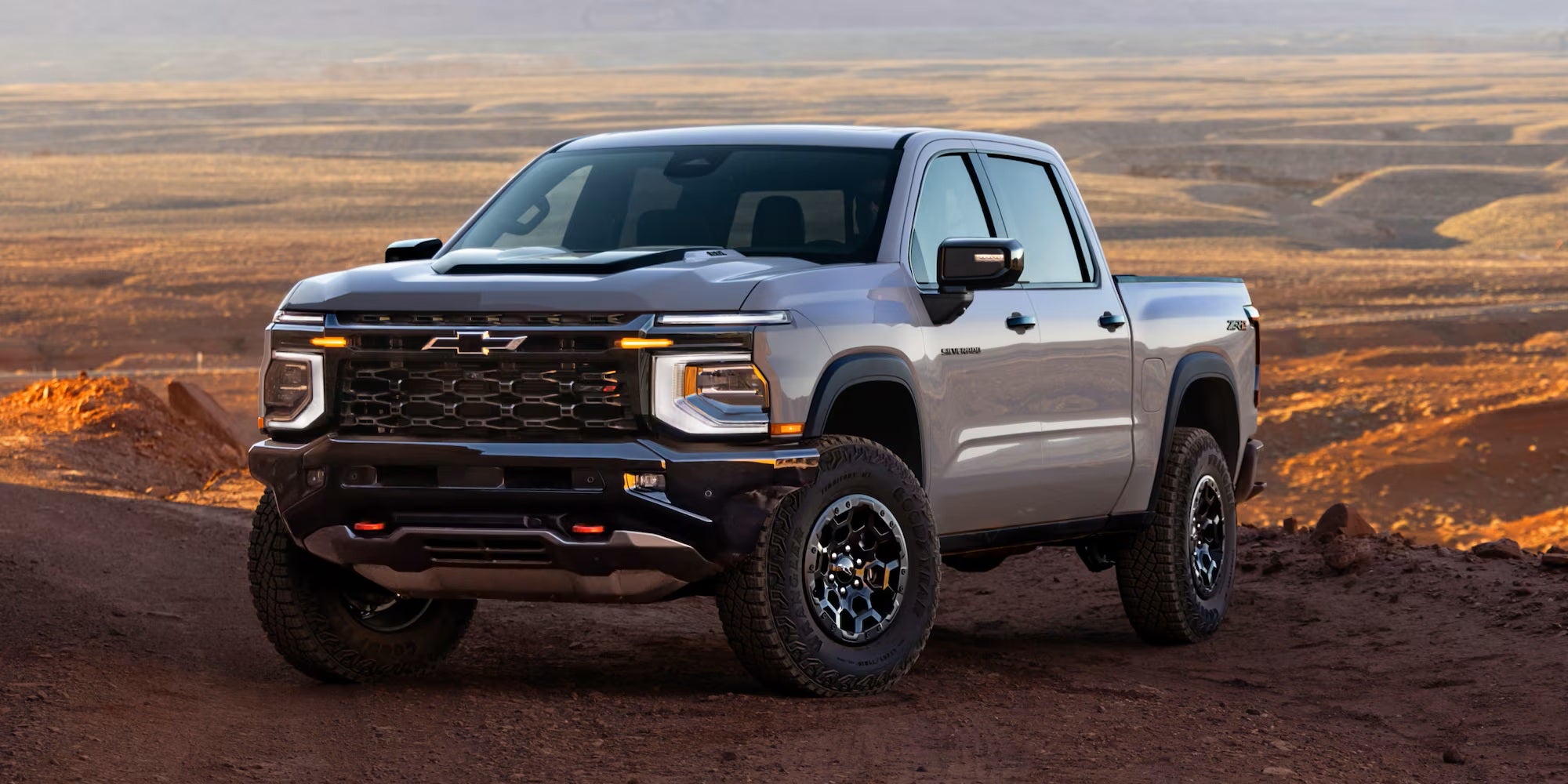
Finding the right place to buy or service a vehicle is about more than choosing a brand. For drivers across Des Moines, Kent, Auburn, SeaTac, Tacoma, and Federal Way, the dealership shopping experience should feel informed, straightforward, and centered on real driving needs. At Jet Chevrolet, part of the Dinsmore Auto Group, we help shoppers compare Chevy vehicles, explore options confidently, and find dependable support long after the sale. Key Takeaways A strong Chevy dealership comparison should include inventory, vehicle knowledge, financing options, and service support. Jet Chevrolet gives South Sound drivers access to new Chevrolet models and a broad range of used vehicles. The right vehicle depends on how you commute, travel, work, tow, and handle Pacific Northwest weather. Service and parts support matter just as much as the initial purchase experience. Federal Way can be a convenient destination for drivers shopping from Des Moines, Tacoma, Kent, Auburn, and nearby communities. What Should I Look for in a Chevy Store Near Des Moines? When asking, “What should I look for in a Chevy store near Des Moines?” start with selection and guidance. A dealership should make it easier to compare different body styles, trims, features, and powertrain choices without making the process feel overwhelming. Whether you are considering a compact SUV, a family-ready three-row model, a capable pickup, or a used vehicle for everyday transportation, having multiple options in one place helps you make a more informed decision. At Jet Chevrolet in Federal Way, our current selection is designed to give shoppers room to compare. A commuter may find the Chevrolet Equinox appealing for its practical SUV versatility, while a growing household may want the added passenger and cargo room of the Chevrolet Traverse. Drivers who need truck capability can compare available Chevrolet Silverado 1500 models with heavier-duty Silverado HD options based on towing, hauling, and job-site needs. A dealership should also understand local driving conditions. From I-5 traffic between Des Moines and Tacoma to rainy commutes through Kent or Auburn, the best cars for commuting in the Pacific Northwest need to fit the way people actually drive. We know that shoppers may prioritize visibility, cargo flexibility, driver-assistance technology, all-weather confidence, or a comfortable daily ride. The right answer is not always the biggest vehicle or the newest trim. It is the vehicle that suits your routine. How Do I Compare Chevy Dealerships Before Buying? A meaningful Chevy dealership comparison goes beyond advertised pricing. Compare the full experience, including vehicle availability, product knowledge, financing guidance, trade-in support, and the ability to serve you after you drive home. Buying a vehicle is an important decision, and you deserve time to ask questions, look closely at features, and test-drive models that fit your priorities. One helpful approach is to make a short list before you visit. For example, a shopper choosing between the Chevrolet Trailblazer and Chevrolet Equinox may want to compare parking-friendly size, interior space, available features, and overall value. Someone shopping for a larger SUV may want to experience the Chevrolet Tahoe in person before deciding whether its passenger room, capability, and presence fit their lifestyle. We recommend comparing vehicles side by side rather than relying only on an online spec sheet. Sitting in the driver’s seat, checking second-row access, seeing cargo space, and driving on familiar South Sound roads can make the decision much clearer. If you are shopping for cars for sale in Federal Way, browse our inventory online, save a few vehicles that stand out, then schedule a test drive to compare them in person. Trust is another important factor. Look for a dealership that is prepared to answer direct questions about the vehicle, available features, ownership considerations, and the next steps in the buying process. A better dealership shopping experience is one where you feel informed, not rushed. What Makes One Chevy Dealership Better Than Another? The difference often comes down to consistency. A dealership can have a vehicle you like, but the experience should also include knowledgeable help, clear communication, and support you can return to later. When you choose a dealership, you are choosing a resource for future maintenance, genuine parts, vehicle questions, and possibly your next purchase. This is especially important for drivers considering specialized vehicles. A Chevrolet Colorado can be a strong choice for someone who wants midsize truck utility for workdays and weekend projects. A Chevrolet Blazer may appeal to drivers looking for bolder SUV styling and responsive road manners. For customers considering electric driving, vehicles such as the Chevrolet Equinox EV or Blazer EV can introduce different ownership questions around charging, range, and daily use. Working with a team that can discuss the details in plain language makes the process easier. Service and parts support should be part of your decision from the beginning. Routine maintenance, brake service, tire care, repairs, and genuine Chevrolet parts all play a role in protecting your vehicle investment. Our service team supports Chevrolet owners with professional maintenance and repair needs, using genuine Chevrolet parts for applicable repairs. That ongoing relationship can bring real peace of mind, whether you drive a newer Silverado, a well-loved used Chevy, or another vehicle from our lot. Can Tacoma Dealerships Be a Good Option for Des Moines Drivers? Yes, Tacoma dealerships can be worth considering for Des Moines drivers, particularly when a specific vehicle, trim, or price point is available. However, Federal Way is often a convenient alternative for shoppers throughout the South Sound. Jet Chevrolet is located on Enchanted Parkway South in Federal Way, making it accessible for drivers coming from Des Moines, Kent, Auburn, SeaTac, and Tacoma. Convenience should include more than the drive to the showroom. Think about where you will return for oil changes, scheduled maintenance, genuine parts, warranty-related needs, or future vehicle shopping. Choosing a nearby dealership with an inventory that matches your needs can save time throughout ownership. For some drivers, that may mean shopping for affordable SUVs in Federal Way. For others, it may mean finding a used truck, comparing AWD vehicles in the Pacific Northwest, or locating a family vehicle with the space and flexibility needed for school, carpools, recreation, and road trips. What Factors Matter When Buying a Used Chevy? When buying a used Chevy, look for a dealership that offers meaningful choice and helps you evaluate each vehicle based on condition, features, mileage, history, and intended use. A quality used car dealership should help you focus on fit, not just payment or color. A used Chevrolet is not one-size-fits-all. A pre-owned Equinox can be a practical option for a daily commuter or small family. A used Silverado may make sense for drivers who need work-ready capability at a different budget point than a new truck. A pre-owned Tahoe or Suburban can be worth considering for shoppers who need substantial passenger room and cargo capacity. Dinsmore Auto Group also provides used-inventory search options across its dealership network, helping customers explore vehicles that fit their needs and budget. Before making a final decision, take the test drive seriously. Check comfort, visibility, controls, cargo space, ride quality, and how naturally the vehicle fits your day-to-day needs. Ask about the vehicle’s available features and condition, then consider the service support available after purchase. For Des Moines-area drivers, choosing a dealership should feel like choosing a long-term automotive partner. Visit Jet Chevrolet in Federal Way, part of the Dinsmore Auto Group, to browse our current inventory, compare available Chevrolet models and used vehicles, and schedule a test drive that helps you move forward with confidence. Instagram YouTube Facebook LInkedIn *Penned by AI, polished by humans