



Blog

Reasons Why the 2025 Chevy Blazer Is a Good Family SUV

Reasons Why the 2025 Chevy Blazer Is a Good Family SUV

When searching for a family SUV that blends comfort, technology, and peace of mind, the 2025 Chevy Blazer stands out. At Jet Chevrolet, part of the Dinsmore Auto Group, we see more and more families choosing the Blazer for its combination of everyday usability and standout styling.

This blog will break down the key reasons why the Blazer fits family life in 2025, from spacious design to advanced safety and modern tech that keeps parents and kids happy alike.

Is the 2025 Chevy Blazer a Good SUV for Families?

Absolutely. The Blazer balances sporty appeal with practical functionality. Unlike bulkier full-size SUVs, it offers nimble handling while still delivering the space and features that families value most. Whether you're commuting to school, hitting the grocery store, or road-tripping over the weekend, the Blazer keeps pace with modern family life.

It also delivers value across its trim lineup—from budget-friendly 2LT models to upscale RS and Premier trims. No matter your needs or budget, there’s a version of the Blazer that fits your family.

Does the 2025 Blazer Have Enough Space for Kids and Gear?

The interior room is one of the top concerns for parents. The Blazer delivers with:

  • Seating for five with ample rear legroom
  • 30.5 cubic feet of cargo space behind the second row
  • Up to 64.2 cubic feet with rear seats folded

This flexible interior makes it easy to load up backpacks, sports equipment, strollers, and weekend gear. The rear seats split 60/40 and fold nearly flat, which helps when hauling both kids and larger items at once.

For day-to-day needs, parents love how easy it is to install car seats in the back, thanks to wide rear doors and marked LATCH points. If you're moving a growing family, the Chevy Blazer's cargo capacity handles it with ease.

What Safety Features Come with the 2025 Blazer?

Safety is non-negotiable for families, and the 2025 Blazer safety features are designed to provide confidence behind the wheel. Chevy Safety Assist is standard and includes:

  • Forward Collision Alert with Automatic Emergency Braking
  • Front Pedestrian Braking
  • Lane Keep Assist with Lane Departure Warning
  • Following Distance Indicator
  • IntelliBeam Automatic High Beams

Higher trims or packages add features like:

  • Adaptive Cruise Control
  • Rear Cross Traffic Alert
  • HD Surround Vision
  • Lane Change Alert with Side Blind Zone Alert

These driver aids help reduce the likelihood of accidents, especially in school zones, busy intersections, and tight parking lots.
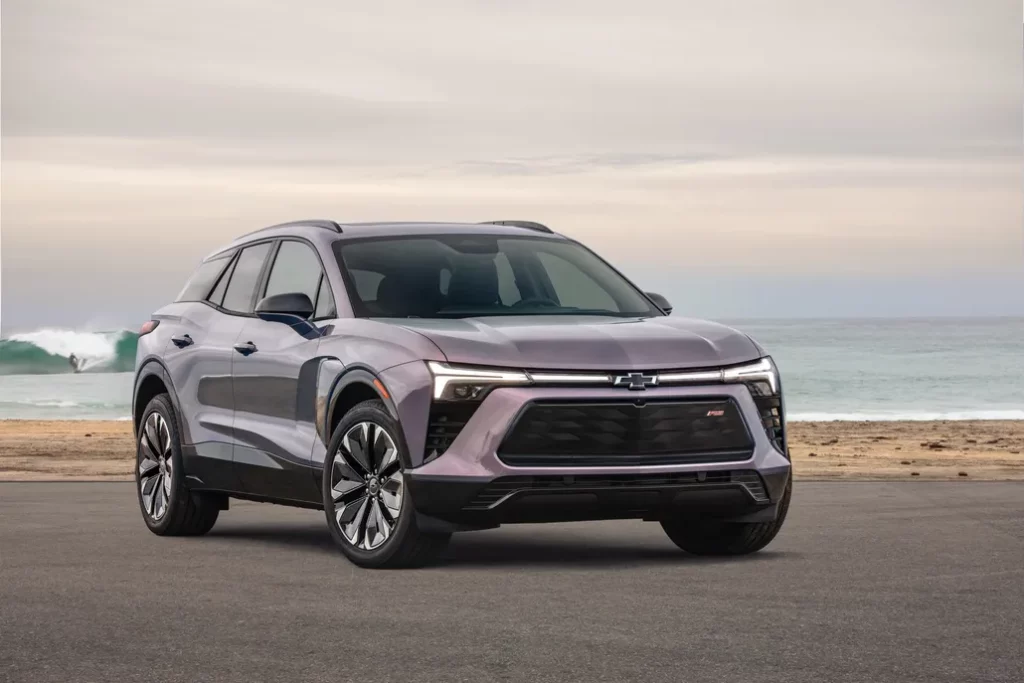
How Does the 2025 Blazer Compare to Other Family SUVs?

When comparing the Blazer to competitors like the Ford Edge, Hyundai Santa Fe, or Nissan Murano, it holds its own in key categories:

  • More cargo space than the Edge
  • A sportier drive than the Santa Fe
  • More intuitive infotainment than the Murano

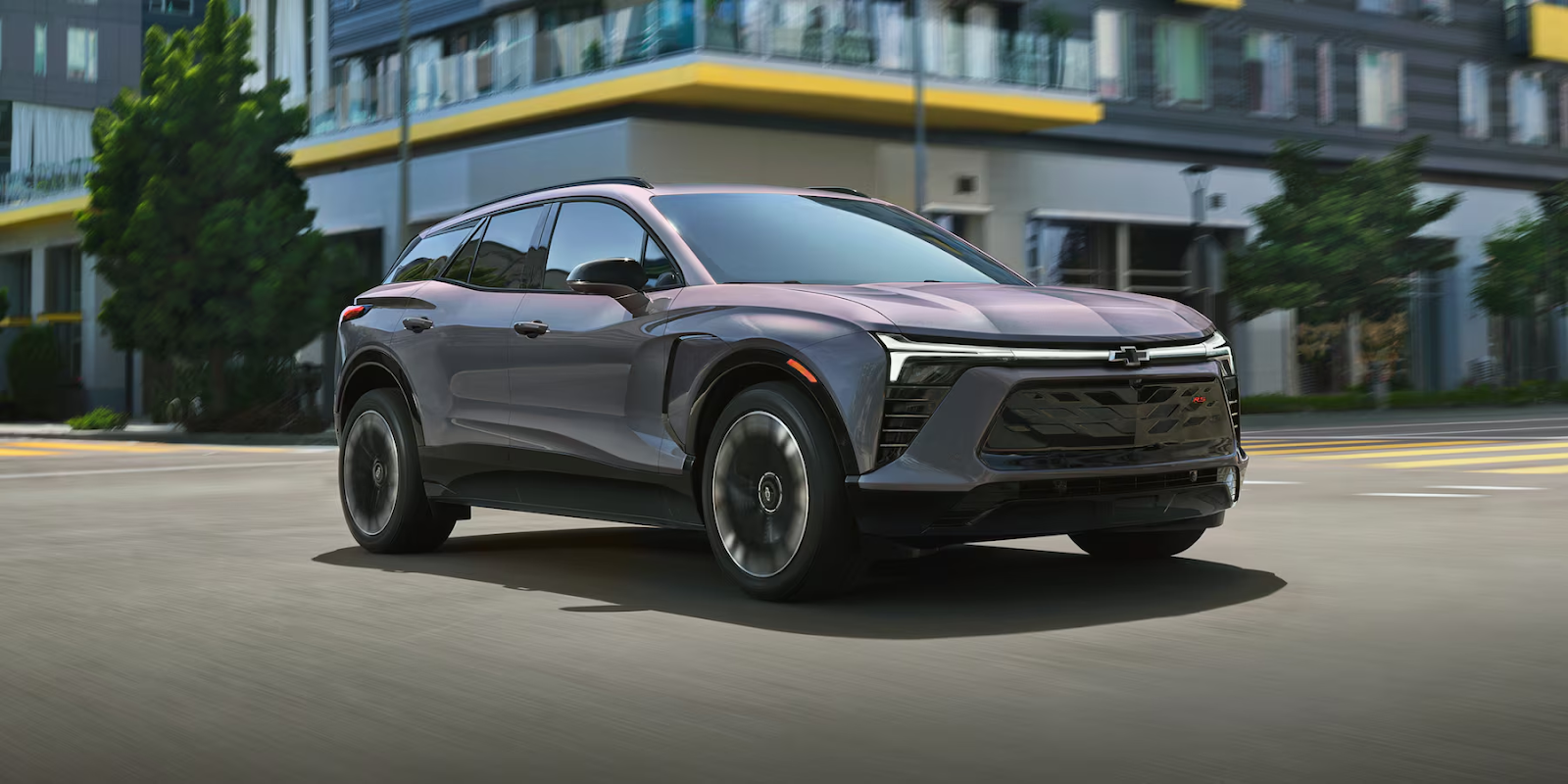
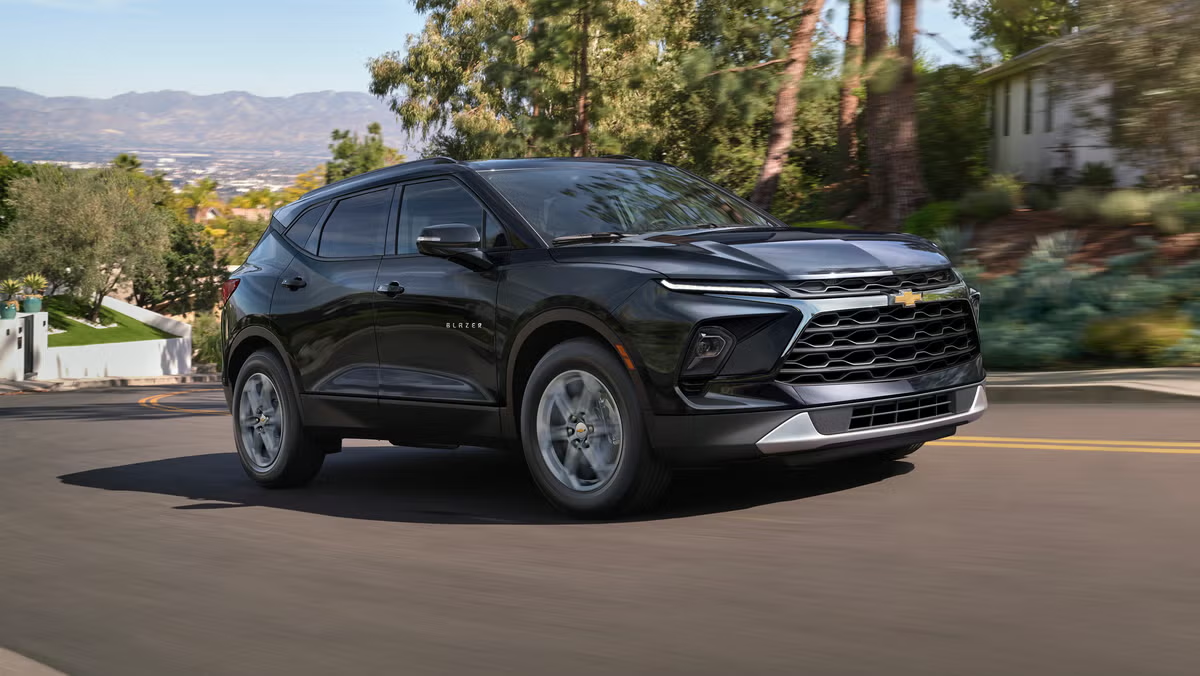
What sets it apart is its bold design. While many mid-size SUVs look interchangeable, the Family SUV Blazer turns heads with Camaro-inspired styling and unique color options that appeal to style-conscious parents.

Why Do Families Choose the 2025 Chevy Blazer?

Besides space and safety, families love the Blazer’s features and ease of use. Highlights include:

  • Dual-zone climate control to keep everyone comfortable
  • Rear seat air vents for faster cooling or heating
  • Multiple USB ports to charge phones and tablets
  • Optional hands-free power liftgate for easy loading
  • Remote start and keyless entry for busy mornings

It’s these kinds of family-focused touches that make the Blazer family features stand out. Whether you’re managing a soccer carpool or heading out of town for the weekend, the Blazer makes life easier.

Technology and Connectivity

The Blazer is fully equipped with smart tech that keeps everyone entertained and informed. Standard or available features include:

Parents can use voice commands to make calls, start navigation, or adjust audio without taking their eyes off the road, while kids stay entertained with media streaming on the go.

Fuel Efficiency and Performance

The 2025 Blazer offers two engine options:

  • 2.0L turbocharged 4-cylinder (228 hp, 258 lb-ft of torque)
  • 3.6L V6 (308 hp, 270 lb-ft of torque)

Both engines have a 9-speed automatic transmission. The base engine delivers up to 29 MPG highway, while the V6 offers stronger towing (up to 4,500 lbs) and more robust passing power.

For families that split time between errands and road trips, this balance of power and efficiency makes the Blazer an appealing all-around performer.
Ride Comfort and Interior Quality

Chevy’s attention to ride comfort and quietness means the Blazer feels refined even on longer drives. Acoustic windshield glass, upgraded sound insulation, and optional leather seating contribute to a smooth and upscale ride.

The cabin layout is intuitive, with easy-to-reach controls and high-quality materials throughout. Premium trims offer perforated leather, contrast stitching, and ambient lighting—features that add a touch of luxury to your daily drive.

Chevy Blazer Trim Options for Families

Families can choose from several trims, each offering different levels of comfort and tech:

  • 2LT: Well-equipped and budget-friendly with safety tech and smartphone connectivity
  • 3LT: Adds leatherette seating, power liftgate, and advanced driver assists
  • RS: Sporty touches, larger wheels, and optional V6 performance
  • Premier: The most luxurious, with chrome accents, ventilated seats, and a full tech suite

Each trim can be equipped with all-wheel drive for added security in rainy or snowy conditions.

Why Shop with Dinsmore Auto Group

As part of the Dinsmore Auto Group, Jet Chevrolet offers one of the best selections of 2025 Chevy Blazer models in the Pacific Northwest. Our knowledgeable staff understands what families are looking for—whether it’s cargo space, tech, or peace of mind—and will guide you to the right fit.

We also provide flexible financing, trade-in evaluations, and extended warranty plans to help you shop with confidence.

Final Thoughts

The 2025 Chevy Blazer checks all the right boxes for a modern family SUV. With safety features, space for kids and cargo, tech that makes life easier, and styling that stands out, it’s a smart choice for households on the go.

Visit Jet Chevrolet today to test drive the Blazer and see why families are making the switch to Chevy’s most versatile mid-size SUV.

Instagram

YouTube

Facebook

LinkedIn

*Penned by AI, polished by humans

Recommended Posts

A mechanic running diagnostics on an idling commercial fleet vehicles

The Cost of Idling: What Fleet Owners Should Know About Fuel, Engine Hours and Work Vehicles

A work truck doesn't have to be moving to consume fuel. Service vehicles can spend time idling between appointments, at job sites, while crews complete paperwork, or while drivers wait for their next assignment. Some of that idle time may be necessary. Some may not be. For businesses operating multiple vehicles every day, understanding fleet idling is one more way to understand where fuel is being used. Why Work Vehicles Idle Not all idling is avoidable. Depending on the business and vehicle, an engine may remain running while: Waiting at a job site Completing paperwork Loading or unloading Waiting for another crew member Taking a break Staging between appointments Idle-reduction efforts should focus on parked or stationary idling that can reasonably be avoided, not time spent stopped in traffic or situations where stationary engine power is needed to perform the vehicle’s primary work functions. The useful distinction for a fleet manager is between operationally necessary idling and unnecessary parked idling. Idling Uses Fuel An internal-combustion engine continues consuming fuel while it runs, even when the vehicle isn't moving. The exact amount depends on the vehicle, engine, operating conditions, accessory use, and other factors. That's why a universal “idling costs your business $X per year” claim isn't particularly useful. What is universally true is simpler: reducing unnecessary idling reduces fuel consumed during that unnecessary idle time. Measure Before Setting a Fleet Policy Before creating an anti-idling policy, determine whether unnecessary idling is actually a meaningful issue in your fleet. Depending on the vehicles and technology available, businesses may be able to review idle-time data through a telematics platform. If you don't have telematics, driver discussions and operational observations can still help identify why vehicles are sitting with their engines running. Then ask a more useful question: Why is this vehicle idling? If the answer is “because equipment requires it,” the solution may be different from a vehicle idling while someone completes paperwork. Understanding the reason matters more than setting an arbitrary target. Look at the Entire Workday Reducing unnecessary idling shouldn't make the job harder or interfere with safe vehicle operation. Instead, look for practical opportunities. Could paperwork be completed inside the customer's building rather than in a running vehicle? Is a vehicle being left running during loading/unloading when it doesn't need to be? Are crews waiting for long periods because of inefficient scheduling? Does a particular job require vehicle-powered equipment? These questions can reveal whether the issue is driver behavior, vehicle configuration, dispatching, equipment needs, or simply an unavoidable part of the work. Vehicle Selection Can Be Part of the Conversation Different businesses use their vehicles differently. An HVAC technician covering residential service calls has different operating requirements than a construction crew towing equipment or a delivery business making frequent stops. When replacing a commercial vehicle, fuel economy is one factor to consider alongside: Payload requirements Towing needs Cargo space Upfit weight Route type Annual mileage Engine and drivetrain options Job-site requirements No single specification determines the best fleet vehicle. The right choice depends on how the vehicle will actually be used. Planning your next commercial vehicle purchase? Connect with the Jet Chevrolet team at (253) 336-4216 to discuss the requirements of your business. Final Thoughts Not every minute of fleet idling is waste. Some jobs require vehicles to remain running. The better goal is to understand why your vehicles idle and identify unnecessary engine-on time where practical. For businesses with several vehicles, even a basic review of idle patterns can provide useful information about how the fleet operates.

When Your Business Outgrows a One-Size-Fits-All Commercial Fleet

When a business is small, having work trucks that can handle a little bit of everything can make sense. The same pickup might haul materials one day, tow equipment the next, and carry a supervisor between job sites later in the week. As the business grows, those roles can become more distinct. Crews may take on different types of work, service areas may expand, and certain vehicles may spend most of their time performing one specific job. At that point, it may be worth asking whether every vehicle in the fleet still needs to do everything. Why Versatility Works for Smaller Fleets Versatile vehicles give a small business flexibility. When there are only a few trucks available, being able to move them between employees and jobs can be useful. It can also simplify fleet decisions. Instead of maintaining several highly specialized vehicle types, a business can use similar trucks across different assignments. But growth can change that equation. A vehicle that's capable of several tasks isn't necessarily the vehicle every role requires. Look at the Roles Within Your Fleet Rather than looking at the fleet as one group of vehicles, consider what each truck actually does during a typical week. A growing contractor might have vehicles serving very different purposes: Crew vehicles traveling between active job sites Supervisor trucks used primarily for site visits and meetings Trucks regularly towing equipment or trailers Service vehicles handling smaller calls throughout the day Vehicles transporting materials or supplies These roles don't automatically require different vehicles. But identifying them can reveal where the fleet has become more specialized even if the vehicles haven't. When Dedicated Vehicles May Make Sense Specialization becomes worth considering when a vehicle repeatedly performs the same type of work. For example, if one truck regularly pulls an equipment trailer, the requirements for that vehicle may differ from a supervisor's truck that spends most of its time traveling between sites. Likewise, a service technician making multiple stops each day may have different vehicle needs than a crew transporting equipment to a long-term project. The goal isn't to create a different vehicle for every employee. It's to recognize when a particular role has become consistent enough that choosing a vehicle around that role may be practical. There Are Advantages to Keeping Vehicles Similar A more specialized fleet isn't always the answer. Using similar vehicles can make it easier to move drivers between trucks when schedules change or a vehicle is unavailable. Drivers may also be more familiar with controls and operating characteristics when vehicles are similarly equipped. For some businesses, that flexibility is more valuable than having vehicles tailored to individual roles. That's why fleet specialization should follow the needs of the business rather than growth alone. Watch for Changes in the Business The vehicles that worked when a company had five employees may not reflect what it needs with 20. New services, larger projects, additional crews, wider service territories, and different equipment can all change how company vehicles are used. Instead of automatically replacing an existing truck with a similar one, use the purchase as an opportunity to look at the role that vehicle will fill now. Ask what it will do most often, who will use it, where it will operate, and whether its responsibilities are different from the rest of the fleet. Build the Fleet Around the Work There is no ideal mix of commercial vehicles that applies to every growing business. Some companies benefit from keeping most of their vehicles interchangeable. Others reach a point where different crews and responsibilities call for different types or configurations of work vehicles. Many fleets will use a combination of both approaches. The important part is making those decisions based on how the business actually operates rather than assuming every new vehicle should match the last one. Is your growing business adding or replacing work vehicles? Connect with the Jet Chevrolet team at (253) 336-4216 to discuss your commercial vehicle needs. Do More. Save More. Experience MORE. Final Thoughts Growth doesn't necessarily mean a business needs more types of vehicles. But it can change the jobs those vehicles are expected to perform. Taking a closer look at the roles within your fleet can help determine where versatility still makes sense and where a more dedicated vehicle may better match the work. As your business changes, your fleet should continue to reflect the work your crews actually do.

A Shared Commercial Fleet Vehicle

Take-Home Work Vehicles vs. Shared Fleet Vehicles: Which Approach Fits Your Business?

As a trade business grows, an important fleet decision isn't just which vehicles to buy. It's also who uses them and where they go at the end of the day. Some businesses assign vehicles to employees who take them home, while others keep company vehicles at the shop for crews to use as needed. Neither approach is automatically better. The right setup depends on how your crews work, where jobs are located, and how the business manages its fleet. When Take-Home Work Vehicles Make Sense Take-home vehicles can make sense for plumbers, HVAC technicians, electricians, and other field-service employees who regularly travel directly to their first appointment instead of reporting to a central location. An assigned vehicle also gives an employee consistent access to the same truck or van each day. However, businesses should establish clear policies around personal use, authorized drivers, fuel, parking, maintenance reporting, and after-hours use. Insurance and tax considerations may also apply, so businesses should consult the appropriate professionals about their specific situation. When Keeping Vehicles at the Business Makes Sense Keeping vehicles at a central location may work better when crews start and end their day at the shop, load materials each morning, or use different vehicles depending on the day's work. It can also give managers regular access to the vehicles for inspections and help keep vehicle use centered around business operations. The tradeoff is that employees generally need to report to the business before heading to their first job, which may not fit every service model. Assigned vs. Shared Vehicles Even when vehicles stay at the business, companies need to decide whether each employee or crew has an assigned vehicle or whether vehicles are shared. Assigned vehicles provide consistency and can make responsibility for reporting issues easier to define. Shared vehicles provide flexibility when schedules, crews, or job requirements change. For shared vehicles, clear procedures for reporting damage, fuel levels, maintenance concerns, and other issues between drivers become especially important. Consider Your Service Area Geography can also influence the decision. A Western Washington business may have technicians living and working throughout Federal Way, Tacoma, Kent, Auburn, Seattle, Bellevue, and surrounding communities. Requiring every employee to report to one location creates a different operating pattern than allowing certain technicians to travel directly to their first job. Which approach works better depends on employee locations, service territories, dispatching, and the type of work being performed. Establish Clear Vehicle-Use Policies Regardless of where company vehicles spend the night, employees should understand expectations around: Authorized drivers and personal use Fuel purchasing Accident and damage reporting Maintenance concerns After-hours use Parking and vehicle security Policies will vary by business, but having clear expectations becomes increasingly important as more vehicles and drivers are added. Reevaluate as Your Fleet Grows A system that works with three work trucks may not make sense with fifteen. As a business grows, periodically reconsider which employees need dedicated vehicles, whether some vehicles can be shared, and whether the current approach still fits how crews operate. Planning your next commercial vehicle purchase? Connect with the Jet Chevrolet team at (253) 336-4216 to discuss your business and fleet needs. Why Western Washington Businesses Work With Jet Chevrolet Located in Federal Way along the I-5 corridor, Jet Chevrolet works with commercial customers throughout Western Washington, from the South Sound to the greater Seattle area. As part of Dinsmore Auto Group, Jet Chevrolet is locally owned and family operated. Our commercial team works with businesses evaluating work trucks and commercial vehicle options for their operations. Do More. Save More. Experience MORE. Connect with the Jet Chevrolet team at (253) 336-4216 to discuss your next commercial vehicle. Final Thoughts There isn't one correct way to assign company vehicles. Take-home, assigned, and shared vehicles can each make sense depending on how a business operates. The right approach comes down to where crews start their day, how vehicles are used, and how much flexibility the business needs as its fleet grows.