



Blog

Chevy EV Guide for Federal Way Drivers

Screenshot 2024-12-20 091025

Chevy EV Guide for Federal Way Drivers

At Jet Chevrolet, part of the Dinsmore Auto Group, we’ve been hearing the same question more often from drivers around Federal Way and the South Sound: what’s the deal with Chevy’s growing EV lineup, and which one actually makes sense for me? With gas prices fluctuating and more charging stations popping up across the Pacific Northwest, electric vehicles aren’t just a trend, they’re quickly becoming a practical choice for everyday driving.

Key Takeaways

  • Chevrolet now offers a diverse EV lineup, including SUVs, trucks, and compact crossovers.
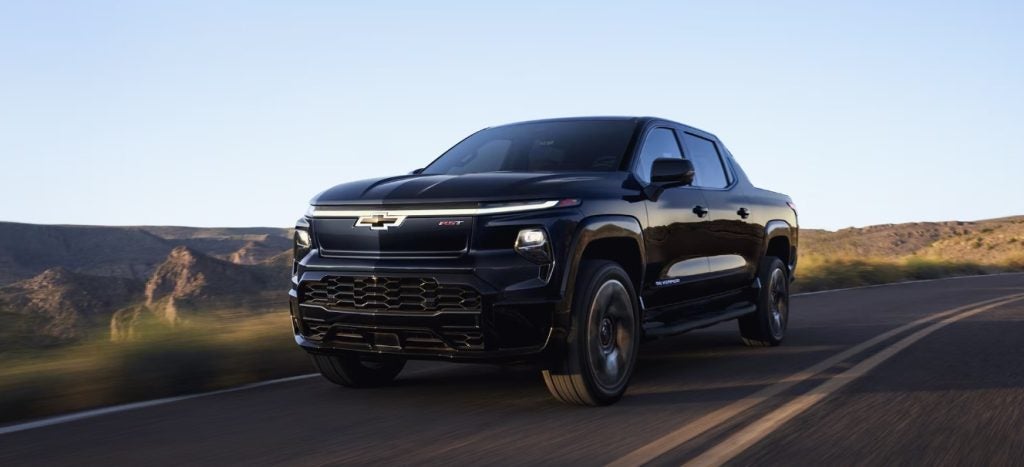
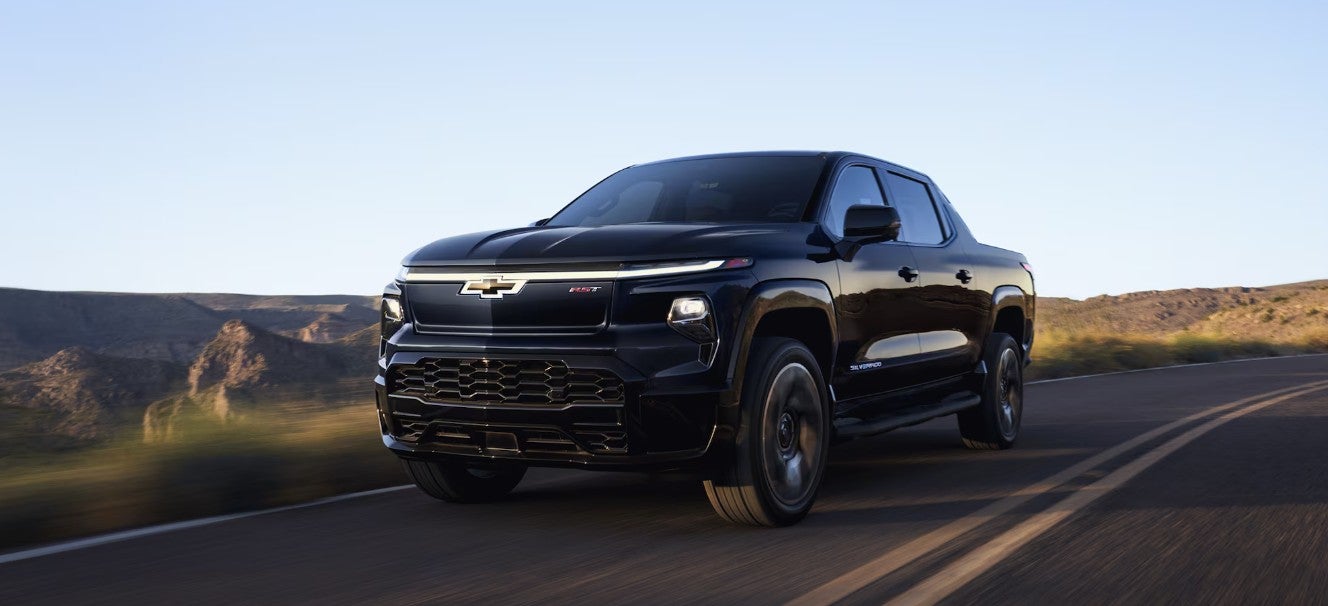
  • The Chevy Silverado EV answers the question: does Chevy make an EV truck? (Yes, and it’s impressive.)
  • Federal Way drivers benefit from EV-friendly infrastructure and lower operating costs.
  • Choosing the right EV depends on your commute, lifestyle, and charging access.
  • Jet Chevrolet offers guidance, test drives, and a strong local reputation you can trust.

What Chevy EV options are available in Federal Way?

Chevrolet has expanded its EV lineup to cover a wide range of drivers, from commuters to outdoor adventurers. Here are the key players:

  • Chevy Bolt EV: A compact, budget-friendly option that’s perfect for daily commuting in Federal Way and nearby Tacoma.
  • Chevy Bolt EUV: Offers more space and SUV styling while keeping the efficiency of the Bolt.
  • Chevy Blazer EV: A stylish, midsize electric SUV with multiple trims and performance options.
  • Chevy Equinox EV: One of the most affordable EV SUVs on the market, designed for everyday practicality.
  • Chevy Silverado EV: A full-size electric truck built for power, towing, and Pacific Northwest versatility.

If you’ve been asking, “Which Chevy EV should I buy?” the answer depends on how you drive and what you need day to day.

Does Chevy make an EV truck for Pacific Northwest drivers?

Yes, and it’s built with this region in mind. The Chevy Silverado EV is a game-changer, especially for drivers in the South Sound who need capability without sacrificing efficiency.

With features like:

  • Impressive towing capacity.
  • Available all-wheel drive (ideal for wet Washington roads).

It’s a strong option for contractors, outdoor enthusiasts, or anyone who wants a truck that aligns with a more sustainable future.

Which Chevy EV is right for me in Federal Way WA?

Choosing the right EV comes down to your lifestyle. Here’s a simple way to think about it:

  • Daily commuter: Bolt EV or Bolt EUV. These are among the best used cars for commuting in the Pacific Northwest thanks to their efficiency and compact size.
  • Family driver: Equinox EV or Blazer EV. They offer more space, comfort, and advanced safety features.
  • Adventure or work-focused driver: Silverado EV. Perfect for hauling gear, towing, or weekend getaways.

We always recommend seeing these vehicles in person. Browsing our current selection at Jet Chevrolet or scheduling a test drive can help you quickly narrow down your options.

How do Chevy EVs fit Pacific Northwest driving?

Driving in the Pacific Northwest comes with unique conditions, rain, hills, and occasional snow. 

Chevy EVs are well-suited for this environment:

  • Regenerative braking helps on downhill drives.
  • Available AWD systems improve traction on wet roads.
  • Quiet electric motors make city and highway driving smoother.

For drivers used to used AWD vehicles in the Pacific Northwest, transitioning to an electric SUV like the Blazer EV or Equinox EV feels natural.

Charging is also becoming easier. Federal Way and surrounding areas continue to expand public charging networks, and most EV owners rely on convenient home charging for daily use.
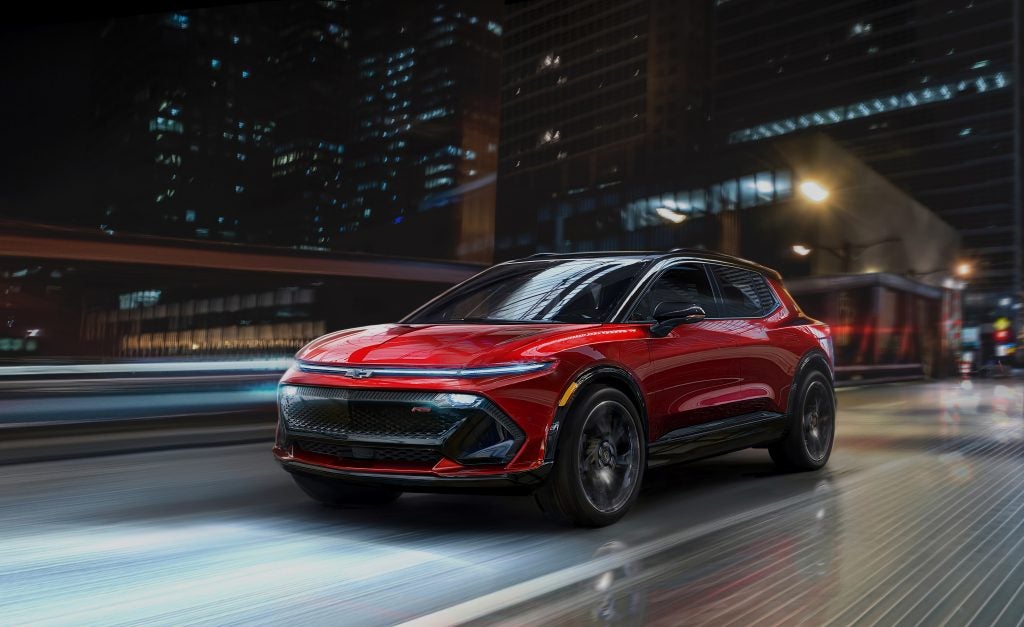
Front and side exterior view of red 2024 Chevrolet Equinox driving city street at night

Are Chevy EVs affordable compared to gas vehicles?

Upfront pricing can vary, but many drivers find EVs more affordable over time. Here’s why:

  • Lower fuel costs (electricity vs. gas).
  • Reduced maintenance (no oil changes, fewer moving parts).
  • Potential tax incentives and rebates.

For shoppers comparing options like affordable used SUVs in Washington or used cars for sale in Federal Way, it’s worth factoring in long-term savings. In many cases, a new or lightly used EV can compete closely with traditional gas vehicles in total cost of ownership.

Can I still consider used vehicles alongside EVs?

Absolutely. Not every driver is ready to go fully electric, and that’s okay. At Jet Chevrolet, we help customers compare all their options, including used cars for sale in Federal Way and newer EV models.

Some shoppers choose:

  • A used SUV for flexibility and lower upfront cost.
  • A hybrid or EV for fuel savings and sustainability.

Our team is here to walk you through both sides, so you can confidently answer, “Which Chevy EV is right for me?” or decide if a traditional vehicle still fits better.

Why are more South Sound drivers switching to EVs?

We’ve seen a steady increase in EV interest across Federal Way and the South Sound. A few key reasons:

  • Environmental awareness in the Pacific Northwest.
  • Expanding charging infrastructure.
  • Improved EV range and performance.
  • Strong lineup from trusted brands like Chevrolet.
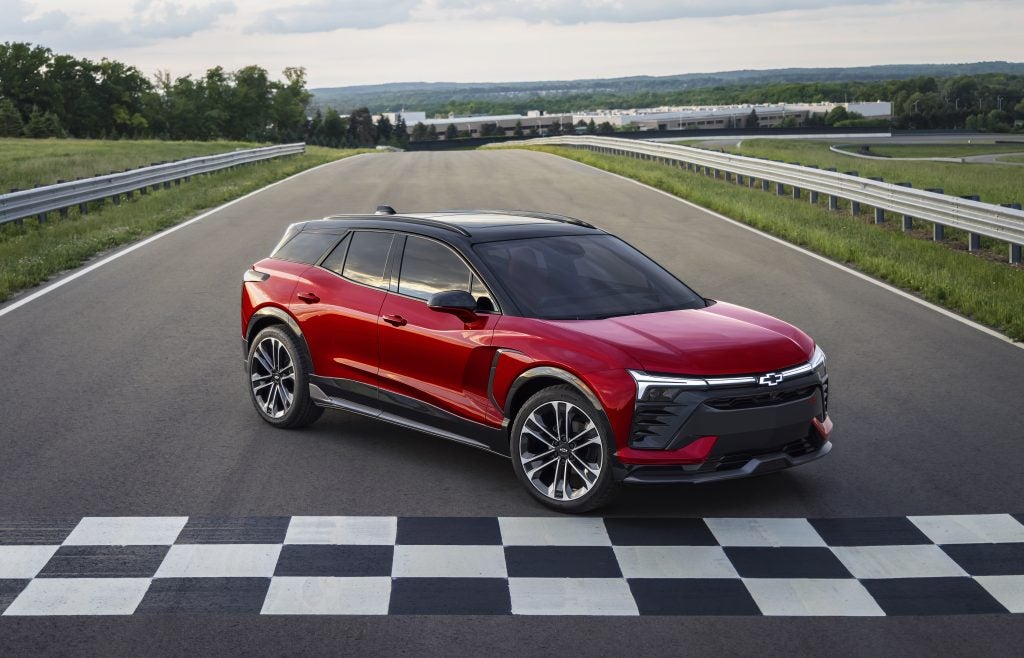
Seven-eighths view of 2024 Chevrolet Blazer EV SS in Radiant Red Tintcoat parked in front of a checkered finish line. Preproduction model shown. Actual production model may vary. 2024 Chevrolet Blazer EV available Spring 2023.

As part of the Dinsmore Auto Group, we’ve built a reputation for helping drivers navigate these changes with clear information and a no-pressure approach. Whether it’s your first EV or you’re upgrading from an older model, we’re here to make the process straightforward.

Where can I test drive a Chevy EV near Federal Way?

The best way to understand an EV is to experience it. Reading about features is helpful, but getting behind the wheel makes it real.

At Jet Chevrolet, we offer:

  • Available models on our lot ready for test drives.
  • A knowledgeable team that can answer real-world EV questions.
  • A trusted local dealership experience backed by Dinsmore Auto Group.

If you’re curious about range, charging, or performance, we’ll walk you through everything step by step.

If you’ve been searching for answers like “Does Chevy make an EV truck?” or “Which Chevy EV should I buy?”, now’s the perfect time to explore your options in person.

At Jet Chevrolet, part of the Dinsmore Auto Group, we invite you to browse our current selection, compare available models, and take a test drive right here in Federal Way. Whether you’re ready to go electric or still weighing your options against used cars for sale in Federal Way, our team is here to help you find the right fit for your lifestyle. Visit us today.

Instagram

YouTube

Facebook

LinkedIn

*Penned by AI, polished by humans

Recommended Posts

A mechanic running diagnostics on an idling commercial fleet vehicles

The Cost of Idling: What Fleet Owners Should Know About Fuel, Engine Hours and Work Vehicles

A work truck doesn't have to be moving to consume fuel. Service vehicles can spend time idling between appointments, at job sites, while crews complete paperwork, or while drivers wait for their next assignment. Some of that idle time may be necessary. Some may not be. For businesses operating multiple vehicles every day, understanding fleet idling is one more way to understand where fuel is being used. Why Work Vehicles Idle Not all idling is avoidable. Depending on the business and vehicle, an engine may remain running while: Waiting at a job site Completing paperwork Loading or unloading Waiting for another crew member Taking a break Staging between appointments Idle-reduction efforts should focus on parked or stationary idling that can reasonably be avoided, not time spent stopped in traffic or situations where stationary engine power is needed to perform the vehicle’s primary work functions. The useful distinction for a fleet manager is between operationally necessary idling and unnecessary parked idling. Idling Uses Fuel An internal-combustion engine continues consuming fuel while it runs, even when the vehicle isn't moving. The exact amount depends on the vehicle, engine, operating conditions, accessory use, and other factors. That's why a universal “idling costs your business $X per year” claim isn't particularly useful. What is universally true is simpler: reducing unnecessary idling reduces fuel consumed during that unnecessary idle time. Measure Before Setting a Fleet Policy Before creating an anti-idling policy, determine whether unnecessary idling is actually a meaningful issue in your fleet. Depending on the vehicles and technology available, businesses may be able to review idle-time data through a telematics platform. If you don't have telematics, driver discussions and operational observations can still help identify why vehicles are sitting with their engines running. Then ask a more useful question: Why is this vehicle idling? If the answer is “because equipment requires it,” the solution may be different from a vehicle idling while someone completes paperwork. Understanding the reason matters more than setting an arbitrary target. Look at the Entire Workday Reducing unnecessary idling shouldn't make the job harder or interfere with safe vehicle operation. Instead, look for practical opportunities. Could paperwork be completed inside the customer's building rather than in a running vehicle? Is a vehicle being left running during loading/unloading when it doesn't need to be? Are crews waiting for long periods because of inefficient scheduling? Does a particular job require vehicle-powered equipment? These questions can reveal whether the issue is driver behavior, vehicle configuration, dispatching, equipment needs, or simply an unavoidable part of the work. Vehicle Selection Can Be Part of the Conversation Different businesses use their vehicles differently. An HVAC technician covering residential service calls has different operating requirements than a construction crew towing equipment or a delivery business making frequent stops. When replacing a commercial vehicle, fuel economy is one factor to consider alongside: Payload requirements Towing needs Cargo space Upfit weight Route type Annual mileage Engine and drivetrain options Job-site requirements No single specification determines the best fleet vehicle. The right choice depends on how the vehicle will actually be used. Planning your next commercial vehicle purchase? Connect with the Jet Chevrolet team at (253) 336-4216 to discuss the requirements of your business. Final Thoughts Not every minute of fleet idling is waste. Some jobs require vehicles to remain running. The better goal is to understand why your vehicles idle and identify unnecessary engine-on time where practical. For businesses with several vehicles, even a basic review of idle patterns can provide useful information about how the fleet operates.

When Your Business Outgrows a One-Size-Fits-All Commercial Fleet

When a business is small, having work trucks that can handle a little bit of everything can make sense. The same pickup might haul materials one day, tow equipment the next, and carry a supervisor between job sites later in the week. As the business grows, those roles can become more distinct. Crews may take on different types of work, service areas may expand, and certain vehicles may spend most of their time performing one specific job. At that point, it may be worth asking whether every vehicle in the fleet still needs to do everything. Why Versatility Works for Smaller Fleets Versatile vehicles give a small business flexibility. When there are only a few trucks available, being able to move them between employees and jobs can be useful. It can also simplify fleet decisions. Instead of maintaining several highly specialized vehicle types, a business can use similar trucks across different assignments. But growth can change that equation. A vehicle that's capable of several tasks isn't necessarily the vehicle every role requires. Look at the Roles Within Your Fleet Rather than looking at the fleet as one group of vehicles, consider what each truck actually does during a typical week. A growing contractor might have vehicles serving very different purposes: Crew vehicles traveling between active job sites Supervisor trucks used primarily for site visits and meetings Trucks regularly towing equipment or trailers Service vehicles handling smaller calls throughout the day Vehicles transporting materials or supplies These roles don't automatically require different vehicles. But identifying them can reveal where the fleet has become more specialized even if the vehicles haven't. When Dedicated Vehicles May Make Sense Specialization becomes worth considering when a vehicle repeatedly performs the same type of work. For example, if one truck regularly pulls an equipment trailer, the requirements for that vehicle may differ from a supervisor's truck that spends most of its time traveling between sites. Likewise, a service technician making multiple stops each day may have different vehicle needs than a crew transporting equipment to a long-term project. The goal isn't to create a different vehicle for every employee. It's to recognize when a particular role has become consistent enough that choosing a vehicle around that role may be practical. There Are Advantages to Keeping Vehicles Similar A more specialized fleet isn't always the answer. Using similar vehicles can make it easier to move drivers between trucks when schedules change or a vehicle is unavailable. Drivers may also be more familiar with controls and operating characteristics when vehicles are similarly equipped. For some businesses, that flexibility is more valuable than having vehicles tailored to individual roles. That's why fleet specialization should follow the needs of the business rather than growth alone. Watch for Changes in the Business The vehicles that worked when a company had five employees may not reflect what it needs with 20. New services, larger projects, additional crews, wider service territories, and different equipment can all change how company vehicles are used. Instead of automatically replacing an existing truck with a similar one, use the purchase as an opportunity to look at the role that vehicle will fill now. Ask what it will do most often, who will use it, where it will operate, and whether its responsibilities are different from the rest of the fleet. Build the Fleet Around the Work There is no ideal mix of commercial vehicles that applies to every growing business. Some companies benefit from keeping most of their vehicles interchangeable. Others reach a point where different crews and responsibilities call for different types or configurations of work vehicles. Many fleets will use a combination of both approaches. The important part is making those decisions based on how the business actually operates rather than assuming every new vehicle should match the last one. Is your growing business adding or replacing work vehicles? Connect with the Jet Chevrolet team at (253) 336-4216 to discuss your commercial vehicle needs. Do More. Save More. Experience MORE. Final Thoughts Growth doesn't necessarily mean a business needs more types of vehicles. But it can change the jobs those vehicles are expected to perform. Taking a closer look at the roles within your fleet can help determine where versatility still makes sense and where a more dedicated vehicle may better match the work. As your business changes, your fleet should continue to reflect the work your crews actually do.

A Shared Commercial Fleet Vehicle

Take-Home Work Vehicles vs. Shared Fleet Vehicles: Which Approach Fits Your Business?

As a trade business grows, an important fleet decision isn't just which vehicles to buy. It's also who uses them and where they go at the end of the day. Some businesses assign vehicles to employees who take them home, while others keep company vehicles at the shop for crews to use as needed. Neither approach is automatically better. The right setup depends on how your crews work, where jobs are located, and how the business manages its fleet. When Take-Home Work Vehicles Make Sense Take-home vehicles can make sense for plumbers, HVAC technicians, electricians, and other field-service employees who regularly travel directly to their first appointment instead of reporting to a central location. An assigned vehicle also gives an employee consistent access to the same truck or van each day. However, businesses should establish clear policies around personal use, authorized drivers, fuel, parking, maintenance reporting, and after-hours use. Insurance and tax considerations may also apply, so businesses should consult the appropriate professionals about their specific situation. When Keeping Vehicles at the Business Makes Sense Keeping vehicles at a central location may work better when crews start and end their day at the shop, load materials each morning, or use different vehicles depending on the day's work. It can also give managers regular access to the vehicles for inspections and help keep vehicle use centered around business operations. The tradeoff is that employees generally need to report to the business before heading to their first job, which may not fit every service model. Assigned vs. Shared Vehicles Even when vehicles stay at the business, companies need to decide whether each employee or crew has an assigned vehicle or whether vehicles are shared. Assigned vehicles provide consistency and can make responsibility for reporting issues easier to define. Shared vehicles provide flexibility when schedules, crews, or job requirements change. For shared vehicles, clear procedures for reporting damage, fuel levels, maintenance concerns, and other issues between drivers become especially important. Consider Your Service Area Geography can also influence the decision. A Western Washington business may have technicians living and working throughout Federal Way, Tacoma, Kent, Auburn, Seattle, Bellevue, and surrounding communities. Requiring every employee to report to one location creates a different operating pattern than allowing certain technicians to travel directly to their first job. Which approach works better depends on employee locations, service territories, dispatching, and the type of work being performed. Establish Clear Vehicle-Use Policies Regardless of where company vehicles spend the night, employees should understand expectations around: Authorized drivers and personal use Fuel purchasing Accident and damage reporting Maintenance concerns After-hours use Parking and vehicle security Policies will vary by business, but having clear expectations becomes increasingly important as more vehicles and drivers are added. Reevaluate as Your Fleet Grows A system that works with three work trucks may not make sense with fifteen. As a business grows, periodically reconsider which employees need dedicated vehicles, whether some vehicles can be shared, and whether the current approach still fits how crews operate. Planning your next commercial vehicle purchase? Connect with the Jet Chevrolet team at (253) 336-4216 to discuss your business and fleet needs. Why Western Washington Businesses Work With Jet Chevrolet Located in Federal Way along the I-5 corridor, Jet Chevrolet works with commercial customers throughout Western Washington, from the South Sound to the greater Seattle area. As part of Dinsmore Auto Group, Jet Chevrolet is locally owned and family operated. Our commercial team works with businesses evaluating work trucks and commercial vehicle options for their operations. Do More. Save More. Experience MORE. Connect with the Jet Chevrolet team at (253) 336-4216 to discuss your next commercial vehicle. Final Thoughts There isn't one correct way to assign company vehicles. Take-home, assigned, and shared vehicles can each make sense depending on how a business operates. The right approach comes down to where crews start their day, how vehicles are used, and how much flexibility the business needs as its fleet grows.