



Blog / Commercial Fleet

If Your Business Can't Function Without You, You Don't Own a Business. You Own a Job

Jet Cheverolet, If Your Business Can't Function Without You, You Don't Own a Business. You Own a Job

Many business owners don't like hearing that statement.

But for many growing companies throughout Seattle, Tacoma, Federal Way, Kent, Auburn, Renton, Bellevue, Everett, and Western Washington, it's true.

The owner is:

  • Taking customer calls
  • Handling scheduling
  • Solving employee issues
  • Managing vendors
  • Approving purchases
  • Quoting jobs
  • Putting out fires

The business may be generating revenue.

It may even be growing.

But if everything depends on one person, growth eventually hits a ceiling.

One of the biggest transitions a business owner must make is moving from being the person who does the work to the person who builds the system.

The Trap Most Business Owners Fall Into

Most companies start with a skilled technician.

A great plumber starts a plumbing company. A talented electrician launches an electrical business. An experienced HVAC technician opens their own shop.

At first, this works well. 

The owner is the best employee, the most experienced technician, the smoothest salesperson, the primary problem solver. 

Then the company grows, and the same strengths that created success begin limiting growth.

Why Growth Becomes Harder

Many owners believe growth will make things easier. Often the opposite happens.

The business gets:

  • More customers
  • More employees
  • More vehicles
  • More paperwork
  • More complexity

Without systems, every new customer and every new employee increases pressure on the owner until eventually the owner becomes the bottleneck.

Signs You May Be the Bottleneck

Ask yourself:

  • Can employees make decisions without me?
  • Can jobs be scheduled without me?
  • Can customers get answers without me?
  • Can purchasing happen without me?
  • Could I take two weeks off tomorrow?

Most owners know the answer immediately.

If the answer is no, the business is probably too dependent on one person.

The Real Cost of Being Involved in Everything

Jet Cheverolet, If Your Business Can't Function Without You, You Don't Own a Business. You Own a Job

Many owners take pride in being involved, and it’s understandable, the business is personal, however, involvement often becomes expensive.

Every time an employee must wait for approval: Work slows down.

Every time the owner solves a problem someone else could solve: Capacity shrinks.

Every time a decision must flow through one person: Growth becomes harder.

The goal is not to become uninvolved, it’s to become strategically involved.

Systems Create Freedom

The word "systems" sounds boring, however, systems create consistency which brings scalability.

Examples include:

Hiring Systems

  • How do you recruit?
  • How do you interview?
  • How do you onboard?

Customer Service Systems

  • How are calls handled?
  • How are complaints resolved?
  • How are follow-ups managed?

Fleet Systems

  • How are vehicles assigned?
  • How is maintenance tracked?
  • How are replacement decisions made?

The businesses that scale successfully often have clear answers to these questions.

Why Employees Need Systems

Many owners become frustrated when employees don't perform tasks exactly as expected. The question is: Have those expectations been documented?

Employees cannot consistently follow processes that only exist in the owner's head.

When systems are documented:

  • Training improves
  • Accountability improves
  • Performance improves

The business becomes less dependent on memory and more dependent on process.

The Power of Standard Operating Procedures
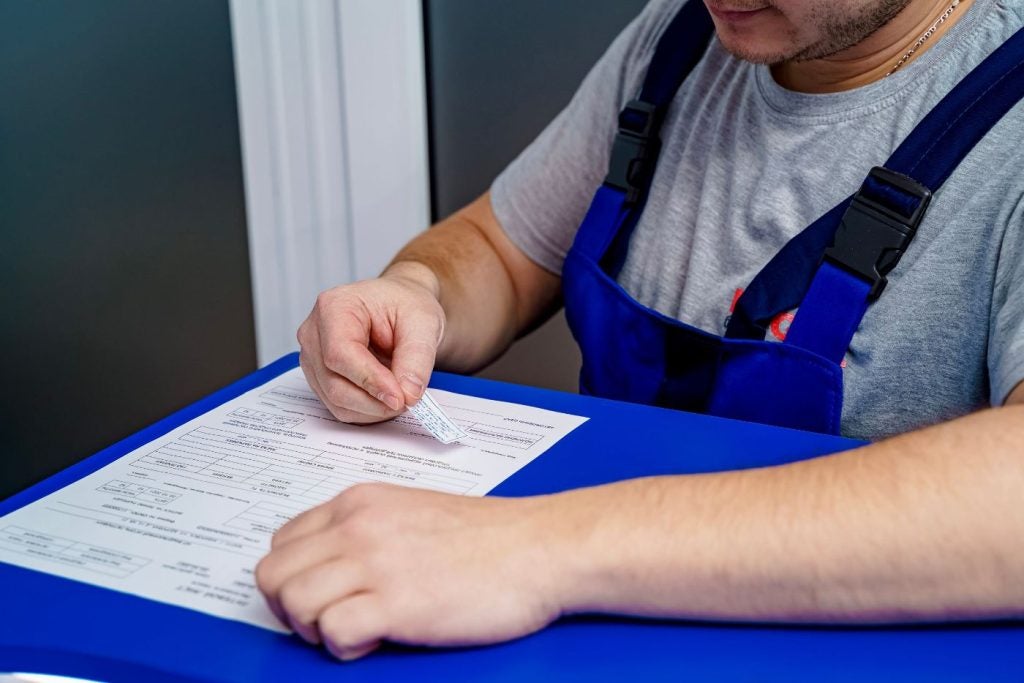
Jet Cheverolet Planning Image, If Your Business Can't Function Without You, You Don't Own a Business. You Own a Job

Many successful businesses create simple Standard Operating Procedures (SOPs).

These are not complex manuals, they’re often simple checklists.

Examples include:

New Customer Procedure

  1. Step 1
  2. Step 2
  3. Step 3

Vehicle Maintenance Procedure

  1. Step 1
  2. Step 2
  3. Step 3

Job Completion Procedure

  1. Step 1
  2. Step 2
  3. Step 3

Simple systems often outperform complicated ones.

Why This Matters for Growth

Imagine two companies.

Company A relies entirely on the owner. Company B operates using documented systems.

  • Which company can add employees more easily?
  • Which company can expand into new markets?
  • Which company can maintain consistency?

Systems don't eliminate challenges, they reduce dependency. When you do that, you create growth opportunities.

The Vacation Test

One of the simplest business assessments is what many consultants call the Vacation Test.

Ask yourself:

Could I leave for two weeks without creating major problems?

Not because you want to. Because it's a useful measurement.

If the business cannot function without daily intervention from the owner, that often reveals opportunities for improvement.

What Successful Owners Focus On

As businesses grow, many successful owners shift their focus.

They spend less time: Working in the business.

And more time: Working on the business.

That includes:

  • Strategy
  • Hiring
  • Culture
  • Financial planning
  • Growth initiatives
  • Process improvement

These activities often create far more value than solving day-to-day operational issues.

The Difference Between Busy and Productive
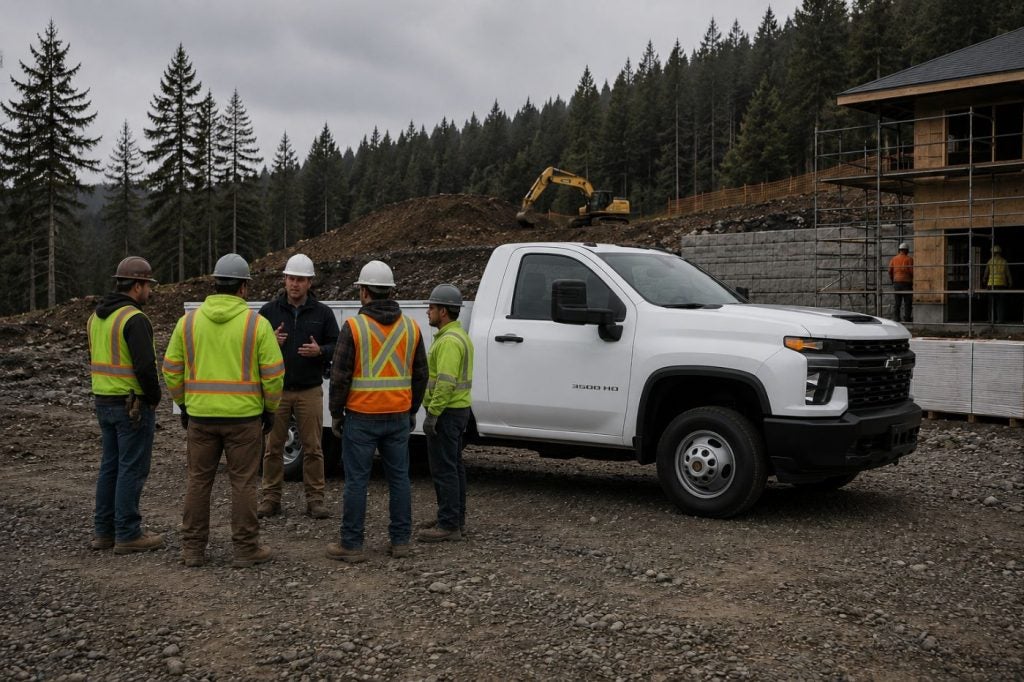
Jet Cheverolet Fleet Vehicles

Many owners are incredibly busy, but that doesn't always mean they're productive.

A packed schedule often feels successful, however, constantly solving problems can prevent owners from addressing larger opportunities.

The goal isn't to be busy.

The goal is to create value.

Sometimes that means stepping back long enough to improve the systems that drive the business forward.

Lessons From Growing Businesses Across Western Washington

Many successful contractors throughout Seattle, Tacoma, Federal Way, Bellevue, Kent, Auburn, Everett, and the surrounding region share a common trait.

They gradually reduce dependence on the owner.

Not because the owner becomes less important, but because the business becomes stronger.

Employees become empowered. Processes become repeatable. Growth becomes sustainable.

Supporting Businesses That Want to Grow

At Jet Chevrolet in Federal Way, conversations with business owners often extend beyond vehicles.

Owners frequently discuss:

  • Growth
  • Hiring
  • Operational challenges
  • Efficiency
  • Scaling

These are the realities local businesses face every day.

As a locally owned and family-operated member of the Dinsmore Auto Group, the team understands the importance of building businesses that can grow, adapt, and thrive over time.

Their philosophy is simple:

Do More. Save More. Experience MORE.

For many business owners, doing more begins with creating systems that allow the business to operate effectively, whether the owner is present or not.

Take a strategic approach and contact Jet Chevrolet today at (253) 336-4500 to discuss your business's vehicle utility needs and secure the assets necessary to drive your operations forward. 

Final Thoughts

Most businesses begin with a talented individual.

The businesses that achieve long-term success evolve beyond that.

They create systems, develop leaders, document processes, and reduce dependency.

Eventually, they build organizations capable of growing beyond the capacity of any one person.

That's when a business truly begins to scale.

Because owning a business should create freedom.

Not another job.
Posted in:

Related Posts

A mechanic running diagnostics on an idling commercial fleet vehicles

The Cost of Idling: What Fleet Owners Should Know About Fuel, Engine Hours and Work Vehicles

A work truck doesn't have to be moving to consume fuel. Service vehicles can spend time idling between appointments, at job sites, while crews complete paperwork, or while drivers wait for their next assignment. Some of that idle time may be necessary. Some may not be. For businesses operating multiple vehicles every day, understanding fleet idling is one more way to understand where fuel is being used. Why Work Vehicles Idle Not all idling is avoidable. Depending on the business and vehicle, an engine may remain running while: Waiting at a job site Completing paperwork Loading or unloading Waiting for another crew member Taking a break Staging between appointments Idle-reduction efforts should focus on parked or stationary idling that can reasonably be avoided, not time spent stopped in traffic or situations where stationary engine power is needed to perform the vehicle’s primary work functions. The useful distinction for a fleet manager is between operationally necessary idling and unnecessary parked idling. Idling Uses Fuel An internal-combustion engine continues consuming fuel while it runs, even when the vehicle isn't moving. The exact amount depends on the vehicle, engine, operating conditions, accessory use, and other factors. That's why a universal “idling costs your business $X per year” claim isn't particularly useful. What is universally true is simpler: reducing unnecessary idling reduces fuel consumed during that unnecessary idle time. Measure Before Setting a Fleet Policy Before creating an anti-idling policy, determine whether unnecessary idling is actually a meaningful issue in your fleet. Depending on the vehicles and technology available, businesses may be able to review idle-time data through a telematics platform. If you don't have telematics, driver discussions and operational observations can still help identify why vehicles are sitting with their engines running. Then ask a more useful question: Why is this vehicle idling? If the answer is “because equipment requires it,” the solution may be different from a vehicle idling while someone completes paperwork. Understanding the reason matters more than setting an arbitrary target. Look at the Entire Workday Reducing unnecessary idling shouldn't make the job harder or interfere with safe vehicle operation. Instead, look for practical opportunities. Could paperwork be completed inside the customer's building rather than in a running vehicle? Is a vehicle being left running during loading/unloading when it doesn't need to be? Are crews waiting for long periods because of inefficient scheduling? Does a particular job require vehicle-powered equipment? These questions can reveal whether the issue is driver behavior, vehicle configuration, dispatching, equipment needs, or simply an unavoidable part of the work. Vehicle Selection Can Be Part of the Conversation Different businesses use their vehicles differently. An HVAC technician covering residential service calls has different operating requirements than a construction crew towing equipment or a delivery business making frequent stops. When replacing a commercial vehicle, fuel economy is one factor to consider alongside: Payload requirements Towing needs Cargo space Upfit weight Route type Annual mileage Engine and drivetrain options Job-site requirements No single specification determines the best fleet vehicle. The right choice depends on how the vehicle will actually be used. Planning your next commercial vehicle purchase? Connect with the Jet Chevrolet team at (253) 336-4216 to discuss the requirements of your business. Final Thoughts Not every minute of fleet idling is waste. Some jobs require vehicles to remain running. The better goal is to understand why your vehicles idle and identify unnecessary engine-on time where practical. For businesses with several vehicles, even a basic review of idle patterns can provide useful information about how the fleet operates.

When Your Business Outgrows a One-Size-Fits-All Commercial Fleet

When a business is small, having work trucks that can handle a little bit of everything can make sense. The same pickup might haul materials one day, tow equipment the next, and carry a supervisor between job sites later in the week. As the business grows, those roles can become more distinct. Crews may take on different types of work, service areas may expand, and certain vehicles may spend most of their time performing one specific job. At that point, it may be worth asking whether every vehicle in the fleet still needs to do everything. Why Versatility Works for Smaller Fleets Versatile vehicles give a small business flexibility. When there are only a few trucks available, being able to move them between employees and jobs can be useful. It can also simplify fleet decisions. Instead of maintaining several highly specialized vehicle types, a business can use similar trucks across different assignments. But growth can change that equation. A vehicle that's capable of several tasks isn't necessarily the vehicle every role requires. Look at the Roles Within Your Fleet Rather than looking at the fleet as one group of vehicles, consider what each truck actually does during a typical week. A growing contractor might have vehicles serving very different purposes: Crew vehicles traveling between active job sites Supervisor trucks used primarily for site visits and meetings Trucks regularly towing equipment or trailers Service vehicles handling smaller calls throughout the day Vehicles transporting materials or supplies These roles don't automatically require different vehicles. But identifying them can reveal where the fleet has become more specialized even if the vehicles haven't. When Dedicated Vehicles May Make Sense Specialization becomes worth considering when a vehicle repeatedly performs the same type of work. For example, if one truck regularly pulls an equipment trailer, the requirements for that vehicle may differ from a supervisor's truck that spends most of its time traveling between sites. Likewise, a service technician making multiple stops each day may have different vehicle needs than a crew transporting equipment to a long-term project. The goal isn't to create a different vehicle for every employee. It's to recognize when a particular role has become consistent enough that choosing a vehicle around that role may be practical. There Are Advantages to Keeping Vehicles Similar A more specialized fleet isn't always the answer. Using similar vehicles can make it easier to move drivers between trucks when schedules change or a vehicle is unavailable. Drivers may also be more familiar with controls and operating characteristics when vehicles are similarly equipped. For some businesses, that flexibility is more valuable than having vehicles tailored to individual roles. That's why fleet specialization should follow the needs of the business rather than growth alone. Watch for Changes in the Business The vehicles that worked when a company had five employees may not reflect what it needs with 20. New services, larger projects, additional crews, wider service territories, and different equipment can all change how company vehicles are used. Instead of automatically replacing an existing truck with a similar one, use the purchase as an opportunity to look at the role that vehicle will fill now. Ask what it will do most often, who will use it, where it will operate, and whether its responsibilities are different from the rest of the fleet. Build the Fleet Around the Work There is no ideal mix of commercial vehicles that applies to every growing business. Some companies benefit from keeping most of their vehicles interchangeable. Others reach a point where different crews and responsibilities call for different types or configurations of work vehicles. Many fleets will use a combination of both approaches. The important part is making those decisions based on how the business actually operates rather than assuming every new vehicle should match the last one. Is your growing business adding or replacing work vehicles? Connect with the Jet Chevrolet team at (253) 336-4216 to discuss your commercial vehicle needs. Do More. Save More. Experience MORE. Final Thoughts Growth doesn't necessarily mean a business needs more types of vehicles. But it can change the jobs those vehicles are expected to perform. Taking a closer look at the roles within your fleet can help determine where versatility still makes sense and where a more dedicated vehicle may better match the work. As your business changes, your fleet should continue to reflect the work your crews actually do.

A Shared Commercial Fleet Vehicle

Take-Home Work Vehicles vs. Shared Fleet Vehicles: Which Approach Fits Your Business?

As a trade business grows, an important fleet decision isn't just which vehicles to buy. It's also who uses them and where they go at the end of the day. Some businesses assign vehicles to employees who take them home, while others keep company vehicles at the shop for crews to use as needed. Neither approach is automatically better. The right setup depends on how your crews work, where jobs are located, and how the business manages its fleet. When Take-Home Work Vehicles Make Sense Take-home vehicles can make sense for plumbers, HVAC technicians, electricians, and other field-service employees who regularly travel directly to their first appointment instead of reporting to a central location. An assigned vehicle also gives an employee consistent access to the same truck or van each day. However, businesses should establish clear policies around personal use, authorized drivers, fuel, parking, maintenance reporting, and after-hours use. Insurance and tax considerations may also apply, so businesses should consult the appropriate professionals about their specific situation. When Keeping Vehicles at the Business Makes Sense Keeping vehicles at a central location may work better when crews start and end their day at the shop, load materials each morning, or use different vehicles depending on the day's work. It can also give managers regular access to the vehicles for inspections and help keep vehicle use centered around business operations. The tradeoff is that employees generally need to report to the business before heading to their first job, which may not fit every service model. Assigned vs. Shared Vehicles Even when vehicles stay at the business, companies need to decide whether each employee or crew has an assigned vehicle or whether vehicles are shared. Assigned vehicles provide consistency and can make responsibility for reporting issues easier to define. Shared vehicles provide flexibility when schedules, crews, or job requirements change. For shared vehicles, clear procedures for reporting damage, fuel levels, maintenance concerns, and other issues between drivers become especially important. Consider Your Service Area Geography can also influence the decision. A Western Washington business may have technicians living and working throughout Federal Way, Tacoma, Kent, Auburn, Seattle, Bellevue, and surrounding communities. Requiring every employee to report to one location creates a different operating pattern than allowing certain technicians to travel directly to their first job. Which approach works better depends on employee locations, service territories, dispatching, and the type of work being performed. Establish Clear Vehicle-Use Policies Regardless of where company vehicles spend the night, employees should understand expectations around: Authorized drivers and personal use Fuel purchasing Accident and damage reporting Maintenance concerns After-hours use Parking and vehicle security Policies will vary by business, but having clear expectations becomes increasingly important as more vehicles and drivers are added. Reevaluate as Your Fleet Grows A system that works with three work trucks may not make sense with fifteen. As a business grows, periodically reconsider which employees need dedicated vehicles, whether some vehicles can be shared, and whether the current approach still fits how crews operate. Planning your next commercial vehicle purchase? Connect with the Jet Chevrolet team at (253) 336-4216 to discuss your business and fleet needs. Why Western Washington Businesses Work With Jet Chevrolet Located in Federal Way along the I-5 corridor, Jet Chevrolet works with commercial customers throughout Western Washington, from the South Sound to the greater Seattle area. As part of Dinsmore Auto Group, Jet Chevrolet is locally owned and family operated. Our commercial team works with businesses evaluating work trucks and commercial vehicle options for their operations. Do More. Save More. Experience MORE. Connect with the Jet Chevrolet team at (253) 336-4216 to discuss your next commercial vehicle. Final Thoughts There isn't one correct way to assign company vehicles. Take-home, assigned, and shared vehicles can each make sense depending on how a business operates. The right approach comes down to where crews start their day, how vehicles are used, and how much flexibility the business needs as its fleet grows.