

Blog / Jet Chevrolet

How Do Chevy Safety Features Help During Rainy Season in Des Moines?

Chevy Safety Features for Rain in Des Moines

Chevrolet safety features can help drivers spot potential hazards, manage wheel slip, and maintain visibility during rainy drives around Des Moines, WA. They support attentive driving, but they cannot replace it or overcome limited tire grip. At Jet Chevrolet in Federal Way, part of our parent dealer group, Dinsmore Auto Group, we help shoppers compare Chevrolet models with those differences in mind. The useful question is not simply which vehicle has more equipment, but which features fit your commute and how they work when roads turn wet.


Key Takeaways


  • Collision alerts and automatic braking support the driver, but heavy rain can limit detection.

  • Traction control, stability control, and all-wheel drive perform different jobs.

  • Headlights, heated mirrors, and camera equipment deserve attention when comparing trims.

  • Confirm equipment on the specific vehicle rather than relying on its model name.


Collision Warnings and Automatic Braking in Rain


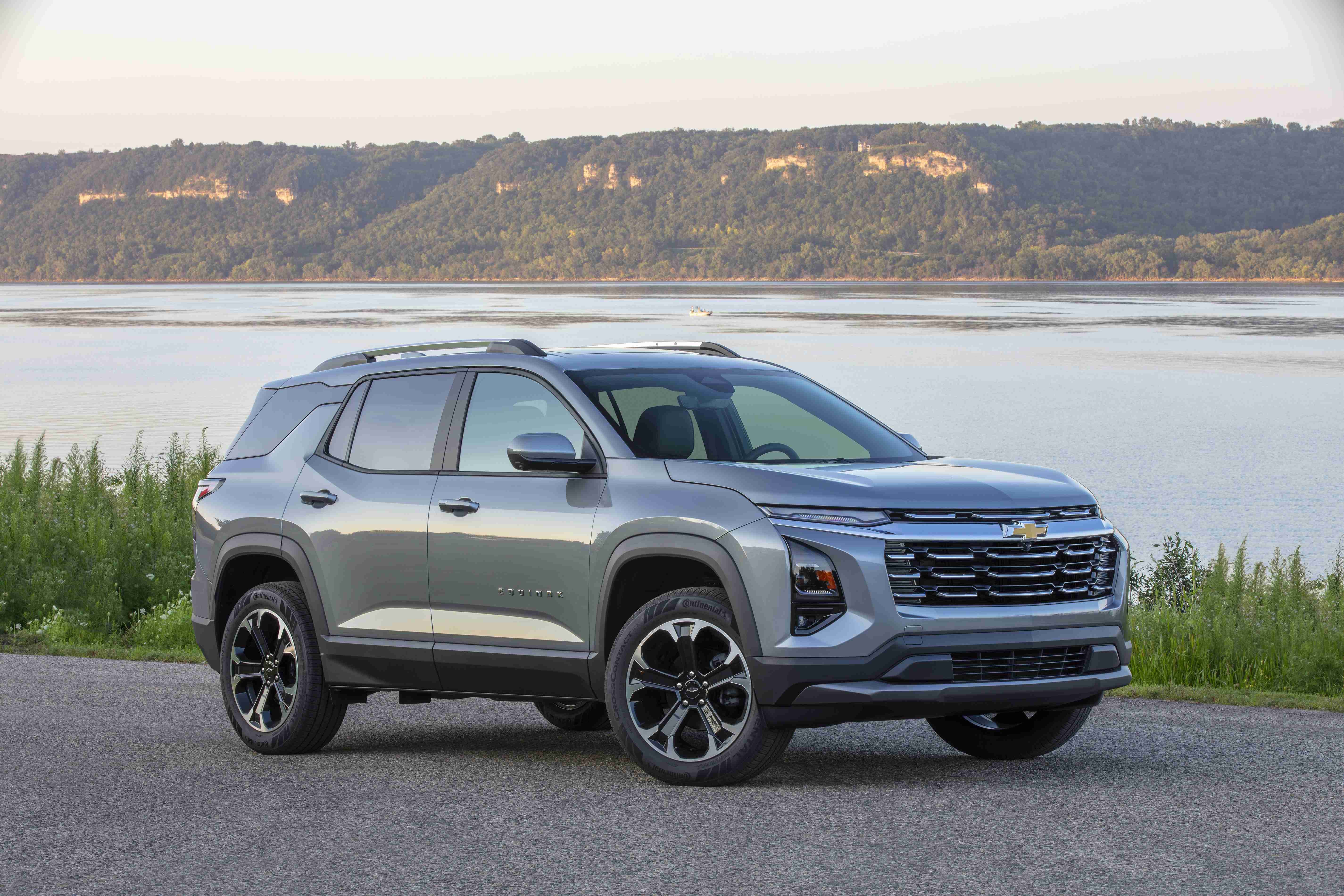
Chevy Safety Assist, Chevrolet’s package of six safety and driver-assistance features, comes standard on the Trailblazer and Equinox. Its functions include warnings, automatic braking, lane assistance, and automatic high-beam control, but the package is not a promise that the vehicle can handle every rainy-road situation. chevrolet


Forward Collision Alert, which warns of a potential front-end collision with a detected vehicle ahead, helps draw attention to a developing hazard. Automatic Emergency Braking, which can apply emergency braking or supplement the driver’s hard braking when a potential collision is detected, provides a different kind of support. A warning asks you to respond; automatic braking may intervene when conditions meet the system’s requirements. chevrolet


That distinction matters when traffic slows through road spray near Des Moines. We recommend separating “warns me” from “can apply the brakes” during a vehicle comparison. Similar-sounding equipment descriptions do not necessarily describe the same response.


The Traverse illustrates why model-specific details matter. Enhanced Automatic Emergency Braking, which uses radar and camera information to help avoid or reduce the severity of a collision with a detected vehicle ahead, is standard on Traverse LT. Chevrolet describes the enhanced system as better suited to adverse environmental conditions than camera-only Automatic Emergency Braking, but weather can still affect performance. chevrolet


Heavy Rain and Chevrolet Safety Feature Limitations


Heavy rain can reduce visibility, interfere with object detection, and reduce the traction available for braking. Automatic Emergency Braking and Enhanced Automatic Emergency Braking depend on detecting a hazard and operating within their specified conditions; neither guarantees that a collision will be avoided. chevrolet


Chevrolet identifies poor visibility, slippery road surfaces, and vehicles cutting into a short following gap as factors that can affect Automatic Emergency Braking. An obstructed windshield in front of the camera can also impair performance. Keep that area clear and follow the owner’s manual for sensor locations, cleaning instructions, and operating limits. chevrolet


A practical comparison should include the controls and instrument-panel messages, not just the equipment list. Before a test drive, we recommend learning where the vehicle displays warnings and how its settings work. That makes the information easier to understand without waiting for a difficult situation on the road.


Traction Control, Stability Control, and AWD on Wet Roads


Traction Control System, Chevrolet’s wheel-spin management system, limits excessive drive-wheel spin through braking and power adjustments. StabiliTrak, Chevrolet’s electronic stability control system, helps manage a difference between the driver’s intended direction and the vehicle’s actual path by selectively applying the brakes. These systems help manage available traction rather than create additional tire grip. chevrolet


All-wheel drive, offered by Chevrolet on the Equinox, supplies driving force to both axles when its operating conditions call for it. Its role differs from Traction Control System and StabiliTrak: distributing power is not the same as controlling wheel spin or helping correct vehicle direction. chevrolet


For shoppers comparing vehicles for wet-weather commuting between Federal Way and Tacoma, that means AWD should be one consideration, not the whole decision. Tires and road conditions still matter, and AWD should not be treated as a promise of shorter wet-road stops. Chevrolet’s driving guidance emphasizes reducing speed and allowing for reduced traction on wet roads. chevrolet


When comparing an Equinox with another SUV, we suggest checking the actual drivetrain rather than assuming every example has AWD. Equinox offers AWD, so the model badge alone does not confirm that equipment. Browse our current selection at Jet Chevrolet to narrow your comparison to vehicles with the drivetrain you want. chevrolet


Headlights, Mirrors, and Wipers for Rainy Driving


Visibility equipment helps you see the road and surrounding traffic, but automatic operation still requires driver oversight. IntelliBeam, Chevrolet’s automatic high-beam control, switches between high and low beams according to detected traffic and lighting conditions. Road spray, mist, and other obstructions can prevent IntelliBeam from detecting another vehicle’s lamps properly, so drivers must override it when needed. chevrolet


The Trailblazer includes IntelliBeam through standard Chevy Safety Assist. Traverse LT also includes IntelliBeam, automatic on/off LED headlamps, and heated power-adjustable outside mirrors as standard equipment. Heated mirrors can help clear their surfaces, but they do not remove the need to check visibility before moving. chevrolet


Rainsense, Chevrolet’s automatic wiper feature, detects water on the windshield and adjusts wiper speed when equipped. It is separate from automatic headlights and IntelliBeam. Traverse LT, for example, has standard automatic on/off LED headlamps but does not offer Rainsense, so one automatic function should not lead shoppers to assume another is included. chevrolet


We recommend trying the wiper, washer, and defroster controls while parked. Their placement and ease of use can matter more during everyday rain than a longer list of unfamiliar features.


Comparing Visibility Equipment by Model and Trim


Standard lighting and optional camera equipment should be checked separately when comparing Chevrolet models. The Trax LS includes LED headlights, while Tahoe Premier adds LED headlamps with animated lighting. Different lighting descriptions do not, by themselves, establish that one vehicle will provide better visibility in heavy rain. chevrolet


On Traverse LT, HD Rear Vision Camera, which displays a rearward camera view when reversing, is standard. HD Surround Vision, which provides additional camera views around the vehicle, is available rather than standard. Cameras provide another view to check, not a substitute for looking around the vehicle. chevrolet


For a shopper choosing among SUVs in Federal Way, the useful comparison is the equipped vehicle. We recommend checking the window sticker or build sheet for heated mirrors, camera views, and lighting equipment. Then sit in the driver’s seat to assess mirror coverage and how easily you can read the display.


Visit Jet Chevrolet to Compare Available Models


Jet Chevrolet in Federal Way, part of the Dinsmore Auto Group, can help you compare available Chevrolet models and trims for your rainy-weather commute. Schedule a test drive from our current selection to see which vehicle’s visibility, controls, and equipment suit your everyday driving.


Instagram

YouTube

Facebook

LinkedIn


*Penned by AI, polished by humans


Posted in:

Related Posts

 2026 Chevy Silverado vs. 2026 Ford F-150

Year-End Showdown: 2026 Chevy Silverado vs. 2026 Ford F-150

The 2026 Chevy Silverado 1500 offers diesel efficiency and generous bed space, while the 2026 Ford F-150 posts slightly higher maximum towing and payload ratings. At Jet Chevrolet in Federal Way, part of our parent dealer group, Dinsmore Auto Group, we help shoppers compare Chevrolet trucks with the configurations they actually need. This year-end comparison focuses on what matters beyond the headline numbers: engines, equipped capability, passenger room, and everyday ownership. Key Takeaways The F-150 leads in maximum ratings, but individual truck configurations determine usable capability. The Silverado offers a diesel engine, while the F-150 offers a full-hybrid powertrain. Both trucks provide spacious four-door cabs, but the Silverado has more short-bed cargo volume. Compare equipment and payload labels before deciding which truck offers better value. Engine Choices for Towing and Daily Driving The Silverado offers four engines, while the F-150 lineup includes turbocharged V6, V8, and hybrid choices. For most shoppers, the useful comparison starts with everyday engines rather than specialty off-road powertrains. TurboMax, Chevrolet’s 2.7-liter turbocharged four-cylinder engine, produces 310 horsepower and 430 lb-ft of torque. The Silverado also offers a 355-horsepower 5.3-liter EcoTec3 V8 and a 420-horsepower 6.2-liter EcoTec3 V8. Its available 3.0-liter Duramax Turbo-Diesel, a turbocharged six-cylinder diesel engine, delivers 305 horsepower and 495 lb-ft of torque. chevrolet EcoBoost, Ford’s turbocharged gasoline-engine family, includes a 2.7-liter V6 producing 325 horsepower and 400 lb-ft of torque and a 3.5-liter V6 producing 400 horsepower and 500 lb-ft. Ford also offers a 400-horsepower 5.0-liter V8. PowerBoost, Ford’s full-hybrid powertrain combining a gasoline engine with an electric motor, provides another option for mixed commuting and towing. ford For frequent trailering, we recommend comparing a Duramax-equipped Silverado with a properly equipped 3.5-liter EcoBoost F-150. For commuting between Federal Way and Kent with occasional trailer duty, the smaller turbocharged engines deserve consideration. During a test drive, pay attention to acceleration and transmission response, not just cylinder count. How Do Towing and Payload Compare on Similar Trucks? The F-150 has higher maximum ratings: up to 13,500 pounds of conventional towing and 2,440 pounds of payload, compared with the Silverado’s 13,300 and 2,260 pounds. These are lineup maximums, not ratings for every truck, and maximum towing and payload do not necessarily come together. chevrolet A closer comparison shows why configuration matters. A Silverado Crew Cab short-bed 4x4 with TurboMax is rated to tow up to 9,000 pounds. An F-150 SuperCrew short-bed 4x4 with the 2.7-liter EcoBoost reaches up to 8,000 pounds with the required equipment. That reverses the order suggested by the lineup maximums. chevrolet Payload means the weight the truck can carry, including occupants, cargo, accessories, and the trailer’s downward load on the hitch. A common comparison mistake is checking trailer weight without accounting for everyone and everything riding in the truck. For similarly equipped vehicles, match cab size, bed length, drivetrain, engine, axle ratio, and towing package. Then compare the actual payload labels. A well-optioned four-door truck may have less carrying capacity than a simpler configuration, even when both advertise the same engine. Fuel Economy and Ownership Costs in Federal Way The Silverado’s diesel suits highway-focused driving, while the F-150 hybrid deserves consideration for mixed city and highway use. Equivalent drivetrains matter more than comparing each brand’s most efficient configuration. For a four-wheel-drive gasoline comparison, the Silverado with the 2.7-liter engine carries ratings of 17 mpg city, 21 highway, and 19 combined. The F-150 with the 2.7-liter EcoBoost and four-wheel drive is rated at 18 city, 23 highway, and 20 combined. Off-road tires and other configurations can change those figures. The four-wheel-drive Duramax Silverado is rated at 22 city and 26 highway, while the four-wheel-drive PowerBoost F-150 is rated at 22 city, 24 highway, and 23 combined. Those figures describe unloaded testing, not fuel economy while pulling a trailer. chevrolet For ownership costs, consider annual mileage, local gasoline and diesel costs, maintenance requirements, and diesel exhaust fluid for the Duramax. We recommend looking beyond highway mpg when most of your driving involves short trips around Federal Way. Cab Space and Bed Dimensions Both trucks offer roomy full-size four-door cabs, but the Silverado provides more volume in its shortest bed. The Silverado Crew Cab has 43.4 inches of rear legroom, compared with 43.6 inches in the F-150 SuperCrew, making rear-seat comfort a close comparison on paper. ford The Silverado’s short bed measures approximately 69.9 inches at the floor and holds 62.9 cubic feet. The F-150’s shortest bed measures 67.1 inches and holds 52.8 cubic feet. Standard-length beds measure approximately 79.4 inches for Chevrolet and 78.9 inches for Ford. Cab and bed combinations are not interchangeable across every trim. chevrolet One useful in-person comparison is seat shape and entry height. Similar legroom measurements do not guarantee that both trucks feel equally comfortable. For trips toward Tacoma, consider rear-seat support alongside maneuverability and parking space. Browse our current Silverado selection at Jet Chevrolet to narrow down the cab and bed combinations that fit your week. Trim Equipment and Towing Assistance The Silverado LT and F-150 XLT are sensible starting points for comparing everyday equipment, but matching trim names does not establish equal value. Compare trucks with the same drivetrain, cab, engine category, and necessary options before judging their overall cost. The Silverado LT includes a 13.4-inch touchscreen and 12.3-inch digital Driver Information Center. The F-150 XLT has a 12-inch center display with SYNC 4, Ford’s infotainment system for vehicle connectivity and touchscreen functions. The Silverado Custom includes Chevrolet’s Trailering Package, while the F-150 XLT includes a Class IV trailer hitch; those descriptions should not be treated as identical equipment. chevrolet For Chevrolet, the available In-Vehicle Trailering App helps drivers create trailer profiles and use pre-departure checklists. Available Trailer Side Blind Zone Alert warns about detected vehicles alongside the truck and trailer. Silverado LT and higher selected trims offer expanded camera capability, but the exact equipment requires confirmation. chevrolet On the F-150 XLT, available Pro Trailer Backup Assist helps drivers steer a trailer while reversing through a control knob. Available Pro Trailer Hitch Assist helps align the truck with a trailer coupler. Both appear as standard equipment on the F-150 Lariat, illustrating why an optioned lower trim should be compared with the next trim up. ford We recommend checking the window sticker and build sheet together. A hitch alone does not confirm a truck’s maximum tow rating, integrated trailer brake controller, or camera equipment. Driver-assistance features also require driver supervision and operation within their stated limits. Test Drive an Available Silverado in Federal Way Visit Jet Chevrolet in Federal Way, part of the Dinsmore Auto Group, to test drive a Silverado from our current inventory. We can help you compare trims, seating layouts, and equipped capability so your next truck fits both the workday and the drive home. Instagram YouTube Facebook LinkedIn *Penned by AI, polished by humans

Which Chevy SUV Is Best for Federal Way Winters?

Which Chevy SUV Is Best for Winter Travel Near Federal Way?

For many Federal Way drivers, a Chevy Equinox equipped with available all-wheel drive and appropriate winter tires is a sensible starting point for rainy commutes and occasional mountain trips. Families needing a third row should compare the Traverse, while a Tahoe or Suburban with four-wheel drive deserves consideration for larger groups and heavier loads. At Jet Chevrolet, part of parent dealer group Dinsmore Auto Group, we recommend choosing a Chevrolet SUV around your everyday driving first, then matching its equipment to your winter destinations. Key Takeaways An Equinox with available all-wheel drive is a practical starting point for daily driving and occasional mountain trips. The Traverse adds three-row seating, while the Tahoe and Suburban suit shoppers needing more room. Winter tires matter for traction, braking, and steering, regardless of drivetrain. Ground clearance helps with deeper snow, but it does not improve grip on ice. Mountain travel requires checking road restrictions and compatible traction devices before departure. Choosing an SUV for Federal Way Rain and Mountain Snow An Equinox or Trailblazer with available AWD, Chevrolet’s designation for all-wheel drive that can send power to the front and rear wheels, belongs on a shortlist for wet commutes and occasional snowy trips. Both seat five, so the decision starts with cabin room, cargo needs, and how much vehicle you want to maneuver daily. chevrolet For someone commuting between Federal Way and Kent, a smaller SUV can be easier to live with than a full-size model purchased mainly for a few winter weekends. We recommend comparing seating position, rear-seat comfort, and visibility during a test drive rather than choosing solely by exterior size. The Equinox is worth comparing when you want more room for people and luggage without adding a third row. The Trailblazer makes sense when a smaller footprint matters more. Neither choice should rest on an outdoorsy appearance alone: confirm that the specific vehicle actually has AWD. Should You Choose AWD or 4WD for Winter Travel? Available AWD configurations are a sensible choice for shoppers splitting their time between paved commutes and maintained mountain roads. A Tahoe or Suburban equipped with 4WD, meaning four-wheel drive that can power both axles, offers a different combination of vehicle size and drivetrain capability. On the Suburban Z71, the Autotrac two-speed active transfer case manages power delivery to the axles and includes a low-range setting for appropriate low-speed conditions. That is a meaningful equipment difference, but it does not make every winter driver better served by a full-size SUV. chevrolet The Traverse Z71 offers the Advanced Twin-Clutch AWD System, which can distribute rear-axle torque between the rear wheels to help manage traction. It gives shoppers a three-row alternative with equipment aimed at rougher routes. Confirm the drivetrain on the vehicle’s window sticker or build sheet rather than assuming every Traverse has the same configuration. chevrolet One useful comparison we encourage is how much capability you will use versus how much size you will manage every day. A larger vehicle still has to fit your parking routine, and neither AWD nor 4WD replaces appropriate tires. If the Traverse fits your passenger needs, browse our current selection at Jet Chevrolet to compare available trims before deciding whether Z71 equipment belongs on your shortlist. Winter Tires and Mountain-Pass Requirements Winter tires should be part of the buying decision, not an afterthought once you have chosen an SUV. Chevrolet identifies winter tires as designed for increased traction on snow- and ice-covered roads and recommends matching brand and tread type across all four positions. chevrolet AWD and 4WD help deliver power, but the tires remain the contact points for accelerating, steering, and braking. When comparing vehicles, look beyond wheel appearance and ask about an approved winter tire setup for the exact wheel size. Summer tires are not appropriate for winter conditions. chevrolet A detail worth reviewing before purchase is compatibility with chains or approved alternatives. Washington’s ordinary “chains required” restriction can exempt qualifying AWD and 4WD vehicles from installation, but those vehicles must still carry chains. When “ chains required on all vehicles” is posted, AWD and 4WD vehicles must install them too. Check the owner’s manual for the permitted equipment and installation instructions. For a Federal Way departure toward Snoqualmie Pass, check current restrictions and conditions before leaving. Choosing a capable SUV does not remove that planning step. Passenger and Cargo Space for Family Winter Trips The Traverse is a useful starting point for families needing three rows, while the Tahoe and Suburban deserve comparison when passenger and luggage space take priority. The Traverse offers seating for up to eight in an appropriately configured LT; Z71 configurations seat seven. Confirm the layout on the specific vehicle. chevrolet Cargo figures need context. The Traverse provides 22.9 cubic feet behind the third row, compared with its 98-cubic-foot maximum with the rear seating folded. The smaller figure is more relevant when every row will be occupied on a winter trip. chevrolet We recommend looking at the cargo area with the seats in the positions you will actually use. A maximum-capacity figure can sound generous while telling you little about luggage room with seven people aboard. The Suburban offers more maximum cargo capacity than the Tahoe, making it worth comparing when luggage space drives the decision. The Tahoe may be the more manageable full-size choice when you do not need the Suburban’s additional length. Consider everyday parking in Tacoma alongside your weekend travel needs, rather than treating extra size as an automatic advantage. chevrolet Ground Clearance and Winter-Focused Trim Differences Ground clearance is the space between the vehicle’s underside and the ground; it matters when snow becomes deep enough to contact the underbody. It does not create additional tire grip on an icy road. Off-road-oriented trims combine different equipment, so compare the actual vehicles rather than treating every rugged badge as equivalent. The Equinox Activ includes all-terrain tires and uniquely tuned suspension. The Traverse Z71 adds off-road suspension, a skid plate, and the Advanced Twin-Clutch AWD System. Confirm the exact equipment on the window sticker or build sheet. chevrolet Those differences can matter on uneven or snowy access roads, but all-terrain tires should not automatically be treated as dedicated winter tires. Tire selection and ground clearance answer different questions. During a test drive, we suggest checking ride comfort and ease of entry as carefully as capability equipment. A configuration that suits occasional rough roads still needs to feel right during ordinary Federal Way driving. Compare Available Chevrolet SUVs in Federal Way Start with an Equinox for a five-seat comparison, move to a Traverse when you need three rows, and consider a Tahoe or Suburban when additional room justifies a larger vehicle. Match the specific configuration and tires to the roads you expect to travel. Visit Jet Chevrolet in Federal Way, part of the Dinsmore Auto Group, to compare available SUVs and take a test drive. We can help you review the seating, drivetrain, and equipment on vehicles in our current selection. Instagram YouTube Facebook LinkedIn *Penned by AI, polished by humans

Buying a New Chevy: November vs. December

November vs. December: When Should Federal Way Drivers Buy a New Chevy?

November makes sense when the Chevrolet you want is available and the confirmed offer fits your plans. December is worth considering when you can wait and stay flexible about the vehicle. At Jet Chevrolet, part of our parent dealer group, Dinsmore Auto Group, we help Federal Way shoppers compare those choices without assuming the calendar guarantees a better deal. The best time to buy a new Chevy depends on the vehicle, the offer you qualify for, and how soon you need it. Key Takeaways November can be the right choice when your preferred Chevy and a suitable offer are available. Waiting until December means accepting uncertainty about incentives and vehicle selection. Compare financing and cash rebates using the same vehicle, down payment, and loan term. A written, itemized quote makes it easier to compare offers fairly. Should You Buy in November or Wait Until December? Buy in November if the available vehicle meets your needs and the confirmed terms work for you. Consider waiting until December if your current transportation is dependable and you are comfortable choosing among different trims or vehicles. Start by separating what you know from what you hope will happen. A November quote can document a specific vehicle and an offer with an expiration date. A possible December incentive is not something to count on until its terms are announced and your eligibility is confirmed. For someone commuting from Federal Way to Kent, replacing an unreliable vehicle may matter more than waiting another month. If your current car still suits your routine, you have more room to watch inventory and reassess. Neither approach is automatically better; the decision should reflect your transportation needs. Comparing November Offers With December Uncertainty Compare a confirmed November offer against the tradeoffs of waiting, not against an assumed December improvement. Chevrolet offers include cash allowances, financing programs, and lease specials, but the relevant terms must be checked for the vehicle and transaction you are considering. chevrolet Ask when the offer expires, what eligibility requirements apply, and whether completing delivery is required by a particular date. Do not assume an advertised program lasts through the entire month or that placing an order preserves an incentive. Keep the vehicle comparison consistent, too. A November quote on an Equinox LT and a December quote on an Equinox RS are not a clean comparison of monthly offers. Equipment differences can change the transaction even when both vehicles carry the same model name. One easy mistake is focusing on the advertised incentive before checking whether the vehicle qualifies. We recommend identifying the actual vehicle first, then reviewing the programs available for that purchase. When Your Preferred Chevy Is Worth Buying Before December Buying before December can be worthwhile when an available vehicle has the configuration you need and you would not be equally satisfied with an alternative. Waiting is easier when several models, trims, or colors would work. For a Silverado 1500 shopper, cab layout, bed configuration, and equipment can matter more than exterior color. Decide which choices are essential before treating another truck as an acceptable substitute. Confirm those details on the specific vehicle’s window sticker or build sheet. The same thinking applies to SUVs. If you are comparing a Trax with a Trailblazer, a test drive can help you judge seating position, visibility, and driving feel. Those differences deserve attention before you choose based only on the month. A useful dealership comparison is to separate must-haves from preferences. You may happily accept a different paint color but regret choosing a vehicle whose seating arrangement does not suit your household. Browse Jet Chevrolet’s current selection to see which vehicles match your essentials before deciding to wait. How to Compare Financing With Cash Rebates Compare the total borrowing cost of each eligible financing option, not just the advertised rate or rebate. A lower annual percentage rate, or APR, reduces borrowing costs, while a cash rebate reduces the purchase amount when applied to the transaction. Ask whether the promotional financing and rebate can be combined. Chevrolet programs can carry credit qualifications and restrictions on combining offers, so eligibility and compatibility need to be confirmed before comparing alternatives. chevrolet Request two calculations for the same vehicle: one using the eligible promotional financing and another using the eligible rebate with the alternative loan. Keep the down payment and loan length consistent. Compare the amount financed, finance charge, and total of payments. A longer loan can make the monthly commitment look easier without making the purchase less expensive overall. That is why we recommend reviewing the complete loan terms rather than treating a single monthly figure as the deciding factor. What a Written Chevy Purchase Quote Should Include A useful written quote identifies the exact vehicle and separates the purchase terms from financing and any trade-in. That gives you a consistent starting point for comparing November and December. Ask for these details in writing: The vehicle identification number, trim, equipment, and agreed selling amount. Each rebate or incentive, including eligibility requirements and expiration dates. Taxes, title, registration, dealer fees, and any optional products. The out-the-door total before financing and trade-in adjustments. The down payment, amount financed, APR, loan term, finance charge, and total of payments. Any trade-in allowance and outstanding loan payoff shown separately. The out-the-door total is the purchase total including applicable taxes and fees before financing costs. Optional products should be clearly identified so you can tell what you have chosen. Keep the original quote if you decide to wait. When December arrives, request an updated quote and compare the same categories. If the original vehicle has sold, account for differences in the replacement rather than attributing every change to the month. Federal Way Shopping Plans and Vehicle Availability Start comparing vehicles in November even if you expect to purchase in December. Choosing the right model early leaves you better prepared to evaluate an offer when you are ready. If you are considering a Traverse or Tahoe, use an in-person visit to check access to the rear seats and how the cabin works for your passengers. Discovering that you prefer one layout can narrow your search more effectively than watching broad year-end advertising. For shoppers coming from Tacoma, confirming the exact vehicle’s availability before leaving can save an unnecessary trip. Ask whether it is on the lot and available to view, rather than assuming every online listing represents a vehicle ready for a test drive. Leave enough time to review the quote and financing documents. A deadline can help organize a purchase, but it should not replace a careful vehicle comparison. Visit Jet Chevrolet in Federal Way Visit Jet Chevrolet in Federal Way, part of the Dinsmore Auto Group, to compare available Chevrolet models in person. We can help you review the vehicle and its current purchase terms so you can decide whether buying in November or waiting until December makes more sense for you. Instagram YouTube Facebook LinkedIn *Penned by AI, polished by humans